
The narrative of feminism is not a monolithic tome, but a sprawling, ever-evolving saga etched across the socio-political landscape in distinct, yet interconnected waves. Each crest reshaped the terrain, challenging entrenched power structures and demanding recognition of women’s inherent worth. To truly grasp the current undulating tides of feminist thought, we must delve into the historical currents that propelled us here: the first, second, and third waves of feminism. Consider this your battle standard as we embark on this intellectual foray.
The First Wave: Suffrage and the Pursuit of Civic Agency (Late 19th – Early 20th Century)
Imagine a world where your very existence as a thinking, feeling human being is deemed secondary to your reproductive capacity. This was the suffocating reality that birthed the first wave of feminism. These women, the vanguards of our movement, dared to challenge the patriarchal hegemony that relegated them to the domestic sphere, silencing their voices in the public square. Their primary objective, the lodestar guiding their actions, was achieving suffrage – the right to vote. It seems almost ludicrous now, doesn’t it? That something so fundamental, so intrinsically tied to democratic ideals, could be denied based solely on gender.
The first wavers understood that political enfranchisement was not merely about marking a ballot; it was about asserting agency, claiming ownership over their lives, and participating in the decisions that shaped their communities and the nation. They recognized that until women had a voice in the legislative process, their concerns would remain marginalized, their needs ignored. This wasn’t simply about equality; it was about justice, about dismantling a system designed to keep them subservient.
Key Issues and Figures:
- Suffrage: This was the central, unifying demand. Organizations like the National Woman Suffrage Association (NWSA), led by luminaries such as Susan B. Anthony and Elizabeth Cady Stanton, employed various tactics, from peaceful protests and lobbying to civil disobedience, to pressure lawmakers to grant women the right to vote. The movement split at times over strategies, some advocating for a federal amendment, others focusing on state-by-state campaigns.
- Property Rights: Married women, particularly, faced legal constraints that stripped them of control over their own property and earnings. First-wave feminists fought for legislative reforms that would grant women the right to own and manage property independently.
- Educational Opportunities: Access to higher education was limited for women. Opening the doors of universities and colleges to female students was another key goal, enabling them to pursue intellectual endeavors and professional careers.
- Divorce and Child Custody Laws: Legal systems often favored men in divorce proceedings, leaving women vulnerable and without adequate resources. Reforming these laws to provide fairer outcomes for women and children was another focus.
- Key Figures: Besides Anthony and Stanton, prominent figures included Lucy Stone, Sojourner Truth (whose powerful speeches eloquently addressed the intersection of gender and racial oppression), and Alice Paul, who spearheaded more militant tactics in the final push for suffrage.
Limitations and Critiques:
While the first wave achieved a monumental victory with the passage of the 19th Amendment in the United States (and similar enfranchisement victories in other countries), it was not without its limitations. The movement was largely dominated by white, middle-class women, and often failed to adequately address the concerns of women of color, working-class women, and immigrant women. The focus on suffrage, while crucial, sometimes overshadowed other important issues, such as economic inequality and domestic violence. It’s impossible, and frankly irresponsible, to ignore these significant shortcomings.
The first wave’s rhetoric often relied on essentialist notions of womanhood, emphasizing women’s moral superiority and their supposed natural suitability for roles as mothers and nurturers. While this strategy may have been effective in gaining support from some segments of society, it also reinforced traditional gender roles and limited the scope of feminist aspirations. The movement’s myopia on issues of race and class represents a glaring blemish on its legacy, a reminder that intersectionality is not a recent invention, but a perennial necessity for true liberation.
The Second Wave: Challenging the Patriarchy in All Its Guises (1960s-1980s)
The second wave erupted in the wake of the Civil Rights Movement and the anti-war protests, fueled by a growing awareness of systemic oppression and a burgeoning sense of collective identity. This wave broadened the scope of feminist concerns beyond suffrage, targeting the deeply ingrained patriarchal structures that permeated every facet of women’s lives. The personal, as they famously declared, was political. This wave eschewed the gentility of its predecessor and instead favored audacious action.
The second wave feminists challenged the prevailing cultural norms that confined women to the roles of housewife and mother, denying them access to fulfilling careers, financial independence, and control over their own bodies. They demanded equal pay for equal work, access to reproductive healthcare, an end to domestic violence and sexual harassment, and a fundamental re-evaluation of gender roles in society. This wasn’t just about legal equality; it was about cultural transformation.
Key Issues and Figures:
- Reproductive Rights: The fight for access to contraception and abortion was a central focus. The landmark Roe v. Wade Supreme Court decision in 1973, which legalized abortion nationwide, was a major victory, but the struggle to protect reproductive rights continues to this day.
- Equal Pay and Employment Opportunities: Second-wave feminists challenged discriminatory hiring practices and wage disparities, advocating for equal pay for equal work and affirmative action policies to address historical inequalities.
- Domestic Violence and Sexual Harassment: The movement brought these previously taboo subjects into the public discourse, establishing shelters for battered women and raising awareness of the pervasive nature of sexual harassment in the workplace and in society.
- Cultural Representation: Second-wave feminists critiqued the portrayal of women in media and popular culture, challenging sexist stereotypes and advocating for more positive and diverse representations.
- Key Figures: Betty Friedan (author of “The Feminine Mystique”), Gloria Steinem (co-founder of Ms. magazine), Angela Davis (a radical activist who highlighted the intersection of race, class, and gender), and Audre Lorde (a Black lesbian feminist poet and writer) were among the leading voices of the second wave.
Limitations and Critiques:
Similar to the first wave, the second wave was not without its flaws. It was often criticized for its focus on the experiences of white, middle-class women, neglecting the specific challenges faced by women of color, working-class women, and lesbian women. The movement’s emphasis on universal sisterhood sometimes obscured the real differences and power dynamics that existed among women.
The “radical feminism” of the second wave, while influential, sometimes alienated potential allies with its confrontational rhetoric and its sweeping critiques of men. The emphasis on female separatism, while intended to create safe spaces for women, could also be perceived as exclusionary and anti-male. Such stances risked alienating potential allies and inadvertently perpetuating harmful stereotypes.
The Third Wave: Intersectionality and Empowerment (1990s-Present)
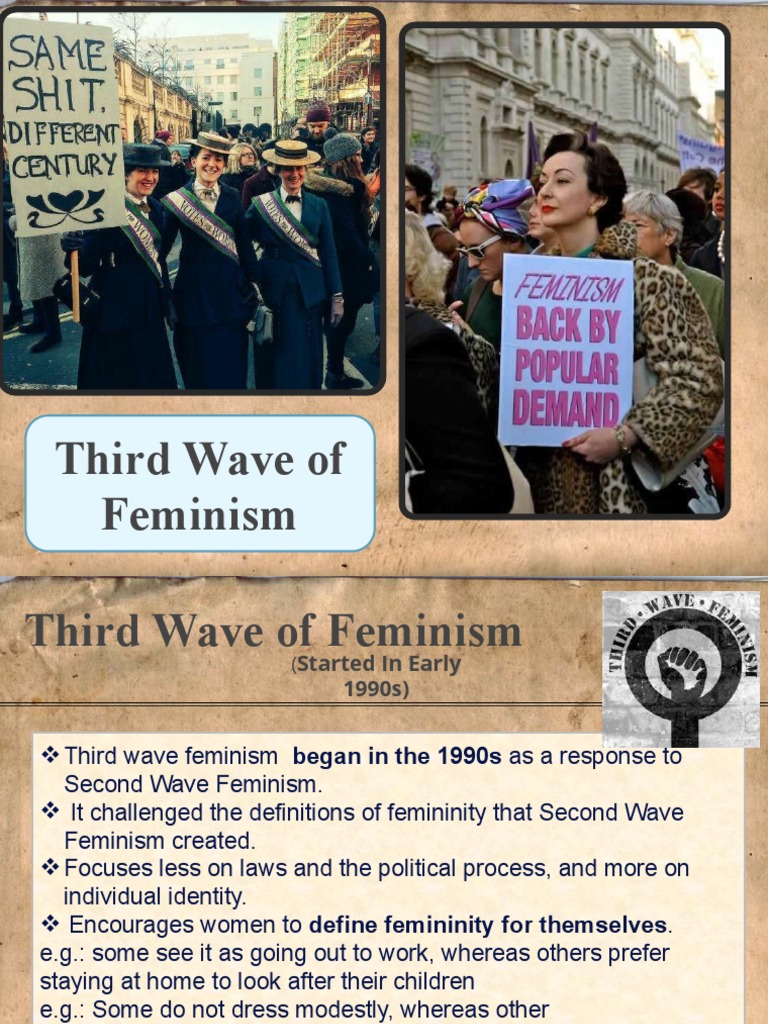
The third wave emerged as a response to the perceived shortcomings of the second wave, particularly its lack of inclusivity and its essentialist notions of womanhood. Third-wave feminists embraced intersectionality, recognizing that gender is not a monolithic category, but is intertwined with other identities, such as race, class, sexual orientation, and disability. This wave champions diversity, challenges gender norms, and fiercely opposes all forms of oppression.
Third-wave feminism is characterized by its emphasis on individual agency and empowerment, its embrace of digital media and activism, and its rejection of rigid ideological boundaries. Third-wave feminists are less likely to identify with a single, unified movement and more likely to engage in a diverse range of activism, from grassroots organizing to online campaigning to artistic expression. It embraces fluidity, nuance, and the recognition that there are myriad ways to be a feminist.
Key Issues and Figures:
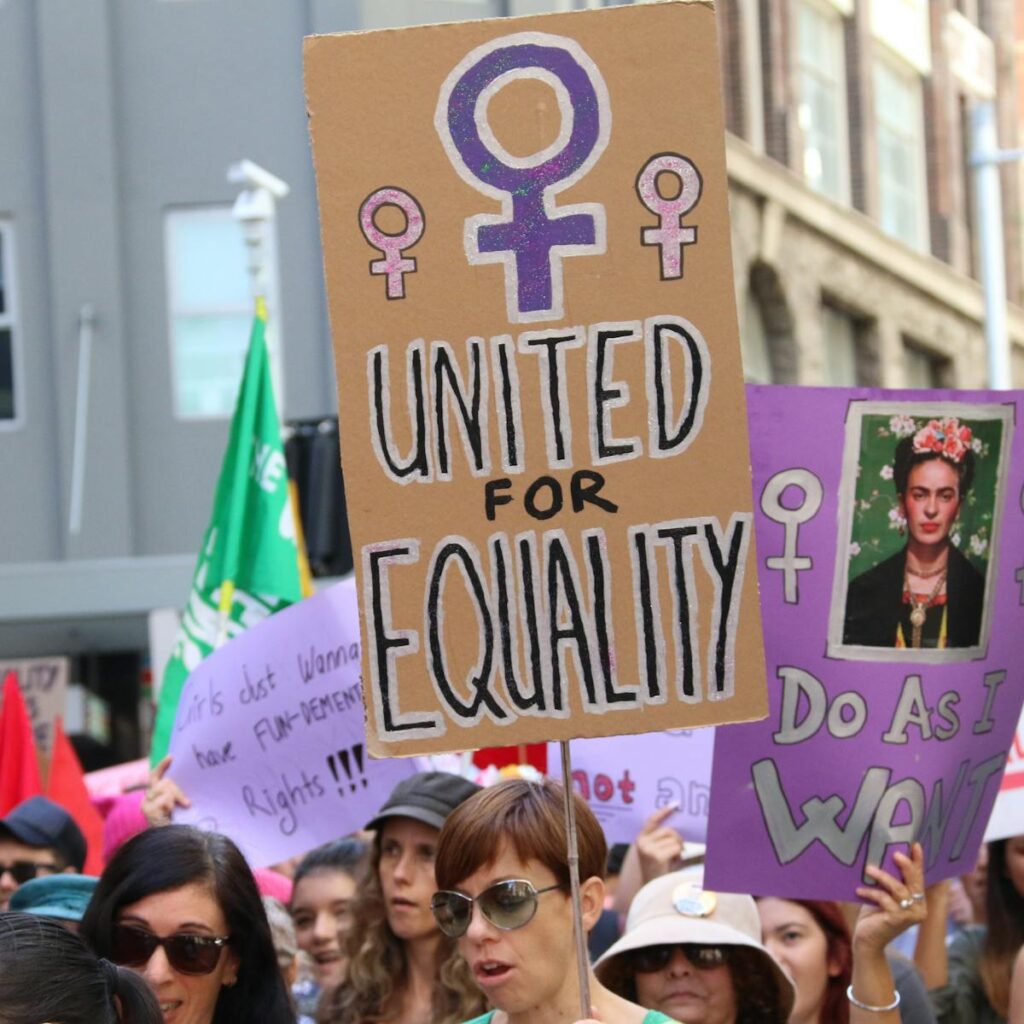
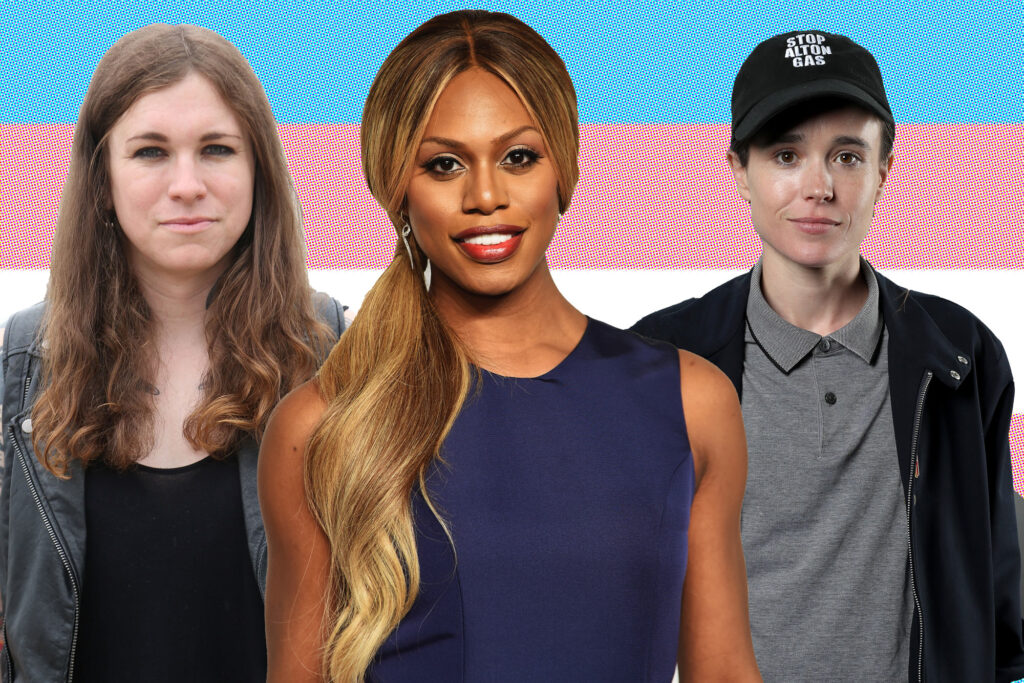
- Intersectionality: This is the defining characteristic of the third wave. Recognizing the interconnectedness of various forms of oppression, third-wave feminists address issues such as environmental justice, economic inequality, LGBTQ+ rights, and racial justice through a feminist lens.
- Body Positivity and Challenging Beauty Standards: Third-wave feminists challenge unrealistic beauty standards and promote body positivity, advocating for the acceptance and celebration of diverse bodies.
- Rape Culture and Sexual Violence: Addressing the pervasive culture of victim-blaming and minimizing the impact of sexual violence is a major focus. Third-wave feminists utilize social media to raise awareness and challenge rape myths.
- Digital Activism and Social Media: The internet has become a powerful tool for third-wave feminists, enabling them to connect with each other, share their stories, and organize campaigns.
- Key Figures: Rebecca Walker (who coined the term “third wave”), Jennifer Baumgardner and Amy Richards (authors of “Manifesta: Young Women, Feminism, and the Future”), and bell hooks (a Black feminist scholar and activist who has written extensively on intersectionality) are among the influential voices of the third wave.
Challenges and Future Directions:
Despite its many achievements, the third wave faces ongoing challenges. The fragmentation of the movement and the lack of a clear, unified agenda can make it difficult to mobilize collective action. The rise of social media, while providing new avenues for activism, also presents challenges in terms of online harassment and the spread of misinformation.
The future of feminism likely lies in continuing to build upon the foundations laid by the previous waves, while also adapting to the changing social and political landscape. This includes strengthening intersectional analysis, addressing the root causes of inequality, and fostering solidarity across different movements for social justice. We must strive to create a more just and equitable world for all, recognizing that feminism is not just about women, but about creating a society where everyone can thrive. The fight for liberation continues, and it demands our unwavering commitment.







Leave a Comment