Why this enduring fascination with the second wave? Is it simply nostalgia for a more ‘authentic’ form of feminism, untainted by the complexities and internecine squabbles of the present? Or does it speak to a deeper yearning for a time when the battle lines seemed clearer, the goals more defined, and the enemy – the patriarchal structures that held women back – more readily identifiable? Perhaps. But nostalgia, like any opiate, can blind us to the uncomfortable realities of the past, obscuring the fissures and fractures that plagued even the most seemingly unified movements.
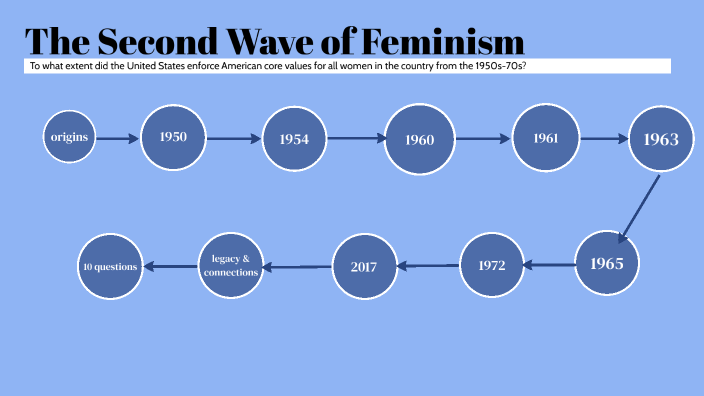
The second wave, often lauded as the period when feminism truly came into its own, was a multifaceted and frequently contradictory phenomenon. It spanned roughly from the early 1960s to the late 1980s, erupting from the embers of the first wave’s suffrage battles and fueled by a potent cocktail of civil rights activism, anti-war sentiment, and a growing awareness of the pervasive sexism that permeated every facet of women’s lives. Its legacy is undeniable, etched into the legal frameworks, cultural norms, and political landscapes of the Western world. However, to understand its true impact, we must delve beyond the sanitized narratives and grapple with the complexities, contradictions, and exclusionary tendencies that often lurked beneath the surface.
I. The Spark Ignites: Seeds of Discontent in the Post-War Era
The post-World War II era, often romanticized as a time of unprecedented prosperity and domestic bliss, was, for many women, a gilded cage. The cultural imperative was clear: return to the home, embrace domesticity, and raise the next generation of productive citizens. But beneath the veneer of happy housewives and perfectly manicured lawns, a simmering discontent was brewing.
A. The Feminine Mystique: Betty Friedan’s seminal work, published in 1963, gave voice to the “problem that has no name” – the gnawing dissatisfaction experienced by countless middle-class women who felt trapped by the confines of suburban domesticity. Friedan’s critique of the societal pressures that relegated women to the roles of wives and mothers resonated deeply, sparking a national conversation and laying the groundwork for a burgeoning feminist movement.
B. The Pill and Sexual Liberation: The introduction of the birth control pill in the early 1960s was a watershed moment, offering women unprecedented control over their reproductive lives. This technological innovation, coupled with the growing sexual revolution, challenged traditional notions of female sexuality and paved the way for greater autonomy and agency in the realm of personal relationships. However, access to the pill was not universal, and the discourse surrounding sexual liberation often ignored the experiences and concerns of women of color and working-class women.
C. Civil Rights Movement: The Civil Rights Movement served as both an inspiration and a catalyst for the second wave. Women involved in the struggle for racial equality recognized the parallels between racial discrimination and gender inequality, drawing upon the movement’s strategies and tactics to challenge sexism in their own lives. The concepts of systemic oppression and collective action, honed in the fight for civil rights, provided a powerful framework for feminist activism.
II. Radicalization and Diversification: A Movement Takes Shape
As the second wave gained momentum, it splintered into various factions, each with its own distinct ideology and agenda. This diversification, while sometimes contentious, ultimately enriched the movement and allowed it to address a wider range of issues and concerns. The rise of radical feminism, in particular, marked a significant turning point, challenging the very foundations of patriarchal society.
A. Radical Feminism: Radical feminists argued that male supremacy was the root cause of all oppression, advocating for a fundamental restructuring of society to eliminate gender inequality. They challenged traditional gender roles, critiqued the nuclear family, and called for the abolition of patriarchal institutions. Their activism often took the form of consciousness-raising groups, protests, and direct action. Figures like Shulamith Firestone, author of “The Dialectic of Sex,” articulated a vision of a utopian society free from the constraints of gender.
B. Liberal Feminism: In contrast to radical feminism, liberal feminism focused on achieving gender equality through legal and political reforms. Liberal feminists sought to eliminate discriminatory laws, increase women’s access to education and employment, and promote gender-neutral policies. Organizations like the National Organization for Women (NOW), founded in 1966, played a key role in lobbying for legislation and advocating for women’s rights within the existing political system.
C. Socialist Feminism: Socialist feminists combined feminist theory with Marxist analysis, arguing that capitalism and patriarchy were intertwined systems of oppression. They sought to dismantle both economic and gender inequalities, advocating for socialist policies that would benefit working-class women and challenge the power structures of capitalist society. The Combahee River Collective, a Black feminist group, articulated a powerful critique of the intersection of race, class, and gender, highlighting the unique challenges faced by women of color.
D. The Rise of Lesbian Feminism: Lesbian feminists challenged compulsory heterosexuality and the societal expectation that women should be primarily oriented towards men. They argued that lesbianism was a political choice, a rejection of patriarchal norms and a celebration of female relationships. Lesbian separatism, a more radical offshoot of lesbian feminism, advocated for the creation of women-only spaces and communities, free from the influence of men.
III. Key Battles and Victories: Reshaping the Legal and Social Landscape
The second wave was marked by a series of landmark legal battles and social movements that transformed the lives of women in profound ways. From reproductive rights to equal pay, feminists fought tirelessly to challenge discriminatory laws and dismantle patriarchal institutions.
A. Roe v. Wade (1973): The Supreme Court’s landmark decision in Roe v. Wade established a woman’s constitutional right to an abortion, a victory that was celebrated by feminists as a crucial step towards reproductive freedom. However, the decision also sparked a backlash from anti-abortion groups, leading to decades of political and legal battles over abortion rights that continue to this day.
B. Equal Rights Amendment (ERA): The ERA, which aimed to enshrine gender equality in the U.S. Constitution, was introduced in Congress in 1923 but failed to gain sufficient support for ratification until the second wave. Despite gaining initial momentum, the ERA ultimately fell short of the required number of state ratifications, a defeat that highlighted the deep divisions within American society over gender equality.
C. Title IX (1972): Title IX of the Education Amendments prohibited sex discrimination in any educational program or activity receiving federal funding. This legislation had a transformative impact on women’s access to education and athletics, leading to increased opportunities for women in traditionally male-dominated fields.
D. Workplace Equality: The second wave also saw significant progress in the fight for workplace equality. Feminists challenged discriminatory hiring practices, fought for equal pay for equal work, and advocated for policies that would support working mothers, such as affordable childcare and paid maternity leave. While progress was made, significant gender disparities in the workplace persist to this day.
IV. The Shadow Side: Exclusions and Unacknowledged Privileges
Despite its many achievements, the second wave was not without its flaws. The movement was often dominated by white, middle-class women, and the voices and experiences of women of color, working-class women, and LGBTQ+ women were often marginalized or excluded. This lack of intersectionality limited the movement’s effectiveness and perpetuated its own forms of inequality.
A. Racial Exclusions: The second wave often failed to adequately address the specific challenges faced by women of color, who experienced both sexism and racism. Black feminists, like those in the Combahee River Collective, critiqued the white feminist movement for its lack of attention to issues of race and class, arguing that a truly intersectional feminism was needed to address the complex forms of oppression faced by women of color.
B. Class Bias: The focus on issues such as professional advancement and reproductive rights often overlooked the concerns of working-class women, who faced different challenges, such as low wages, lack of access to healthcare, and limited opportunities for education and training. The movement’s emphasis on individual empowerment sometimes overshadowed the need for collective action to address systemic economic inequalities.
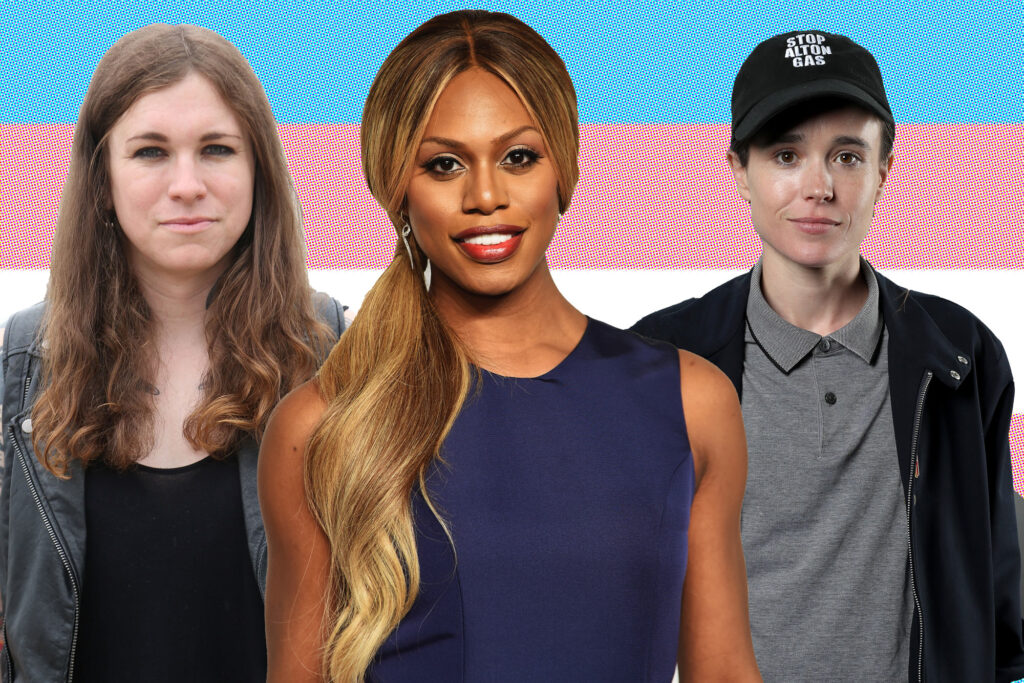
C. Homophobia and Transphobia: While lesbian feminism played a significant role in the second wave, homophobia and transphobia were also present within the movement. Some feminists expressed concerns about the inclusion of lesbians and transgender women, fearing that it would undermine the movement’s legitimacy or dilute its focus on gender equality. This exclusion has had a lasting impact on the relationship between feminism and LGBTQ+ rights.
V. The Legacy and its Relevancy Today
The second wave of feminism may be a historical phenomenon, but its legacy continues to shape our world today. The legal and social reforms it achieved have had a profound impact on the lives of women around the globe, and the issues it raised remain relevant in the 21st century. However, it is crucial to learn from the movement’s mistakes and to build a more inclusive and intersectional feminism that addresses the needs of all women, regardless of their race, class, sexual orientation, or gender identity.
The fight for gender equality is far from over. From the persistent gender pay gap to the ongoing struggle for reproductive rights, women continue to face significant challenges in achieving full equality. By understanding the complexities of the second wave, we can gain valuable insights into the ongoing struggle for gender justice and build a more equitable and just world for all.
The yearning for a simpler time, a time of perceived feminist clarity, is understandable. Yet, the path forward requires grappling with the nuanced, sometimes contradictory, history of the second wave, acknowledging both its triumphs and its failings. Only then can we forge a feminism truly capable of dismantling the multifaceted structures of patriarchal oppression that continue to bind us all. This is not just about remembering the past, but about building a future worthy of the struggles that came before.







Leave a Comment