
Let’s shatter the porcelain veneer of accepted narratives, shall we? Feminism, a word so weaponized, so bandied about, it’s become a sonic boom devoid of meaning for many. We’re not talking about the diluted, corporate-sponsored “empowerment” plastered across fast-fashion t-shirts. We’re diving into the molten core, the raw, untamed history of a movement forged in the crucible of oppression. Prepare to unlearn everything you think you know.
I. Genesis: Before the Ballot Box
Forget the image of prim suffragettes in white dresses – that’s the palatable, Instagram-friendly version. The roots of feminism snake back far deeper, into the very bedrock of recorded history. We must acknowledge the proto-feminists, those lone voices crying in the wilderness of patriarchal dominance.
A. Ancient Echoes: The Seeds of Discontent
Think of Sappho, the poetess of Lesbos, celebrating female desire and agency in a society that sought to silence it. She wasn’t waving a feminist banner, per se, but she was planting the seeds. Consider Hypatia of Alexandria, a philosopher and mathematician brutally murdered for her intellectual pursuits, a stark reminder of the price of female knowledge. These are not mere footnotes; they are the ancestral whispers that echo through time.
B. Medieval Mavericks: Nuns and Mystics
The medieval period, often painted as a monolithic age of female subjugation, actually harbored pockets of resistance. Nuns, cloistered away from the world, paradoxically found autonomy and intellectual freedom within the confines of the convent. Hildegard of Bingen, a visionary mystic, composer, and physician, challenged the established order through her writings and music, asserting her authority as a divinely inspired voice. Their religious devotion became a shield, allowing them to carve out spaces of power in a world that denied them any.
II. The Enlightenment: A Double-Edged Sword
The Enlightenment, that hallowed era of reason and progress, promised universal rights. But, surprise, surprise! It was a rather exclusive club, primarily for white, property-owning men. The “rights of man” conveniently forgot about the rights of woman. The inherent hypocrisy became the kindling for a new wave of feminist thought.
A. Mary Wollstonecraft: The OG Dissenter
Enter Mary Wollstonecraft, a literary lioness who roared in the face of societal norms. Her “A Vindication of the Rights of Woman” (1792) is a foundational text, a searing indictment of female education (or lack thereof) and a passionate plea for equality. Wollstonecraft argued that women were not inherently inferior but were made so by a system that denied them the opportunity to cultivate their intellect. She was not just asking for a seat at the table; she was demanding a complete redesign of the dining room.
B. The French Revolution: Liberty, Equality, Sorority?
The French Revolution, with its cries of “liberty, equality, fraternity,” initially sparked hope for women. Olympe de Gouges, a playwright and activist, penned the “Declaration of the Rights of Woman and the Female Citizen” (1791), a direct response to the male-centric “Declaration of the Rights of Man and of the Citizen.” She boldly asserted that women deserved the same political and legal rights as men. However, the revolution ultimately devoured its own children, including de Gouges, who was guillotined for her radical ideas. The revolution’s promise remained unfulfilled, a stark reminder that progress is never guaranteed.
III. The First Wave: Suffrage and Beyond
The 19th and early 20th centuries witnessed the rise of the first wave of feminism, primarily focused on achieving suffrage, the right to vote. But the fight for the ballot box was merely the tip of the iceberg.
A. Suffrage as a Catalyst: More Than Just a Vote
The suffrage movement was not a monolithic entity. It encompassed a diverse range of voices and ideologies. Some focused solely on obtaining the vote, while others advocated for broader social and economic reforms. Figures like Susan B. Anthony, Elizabeth Cady Stanton, and Sojourner Truth led the charge, facing ridicule, imprisonment, and even violence in their pursuit of equality. The struggle for suffrage was not just about political participation; it was about challenging the very foundations of patriarchy.
B. Intersectionality’s Invisible Pioneers: Overlooked Voices
Even within the first wave, there were fault lines. Black women, like Ida B. Wells-Barnett, faced the double burden of sexism and racism, often excluded from mainstream suffrage organizations and forced to fight for their rights on two fronts. Their contributions, often marginalized or erased, are crucial to understanding the complexities of feminist history. We must exhume these narratives, ensuring that the experiences of all women are represented.
IV. The Second Wave: Liberation and Radicalism
The second wave of feminism, emerging in the 1960s and 70s, broadened the scope of feminist concerns beyond suffrage. It challenged traditional gender roles, tackled issues of sexuality, reproductive rights, and domestic violence, and questioned the very nature of power structures.
A. The Personal is Political: Consciousness-Raising and Revolution
Second-wave feminists recognized that personal experiences were often rooted in systemic inequalities. Consciousness-raising groups became spaces for women to share their stories, analyze their oppression, and develop strategies for resistance. Key texts like Betty Friedan’s “The Feminine Mystique” and Kate Millett’s “Sexual Politics” dissected the social and cultural forces that kept women in a subordinate position. The movement advocated for equal pay, access to abortion, and an end to gender-based discrimination. They weren’t just advocating for changes in law; they were striving for a revolution of the mind.
B. Radical Feminism: Dismantling the Patriarchy
Radical feminism, a particularly contentious strand of second-wave thought, argued that patriarchy was the root cause of all oppression. Radical feminists challenged traditional notions of femininity, advocated for female separatism, and critiqued the male-dominated power structures of society. While often criticized for its perceived extremism, radical feminism pushed the boundaries of feminist discourse and forced a reckoning with the deep-seated inequalities that permeated every aspect of life.
V. The Third Wave: Embracing Complexity and Difference
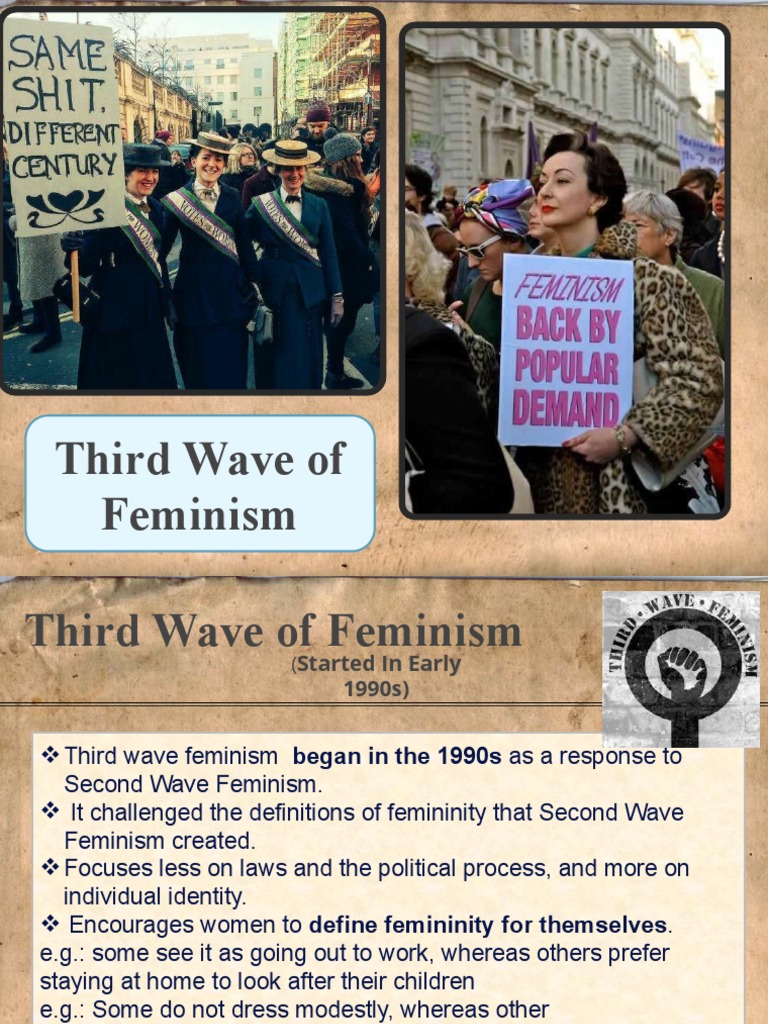
The third wave of feminism, beginning in the 1990s, emerged as a response to the perceived limitations of second-wave feminism. It embraced intersectionality, recognizing that women’s experiences are shaped by a complex interplay of factors, including race, class, sexuality, and ability. It also challenged essentialist notions of womanhood and celebrated diversity.
A. Intersectionality Takes Center Stage: Beyond White Feminism
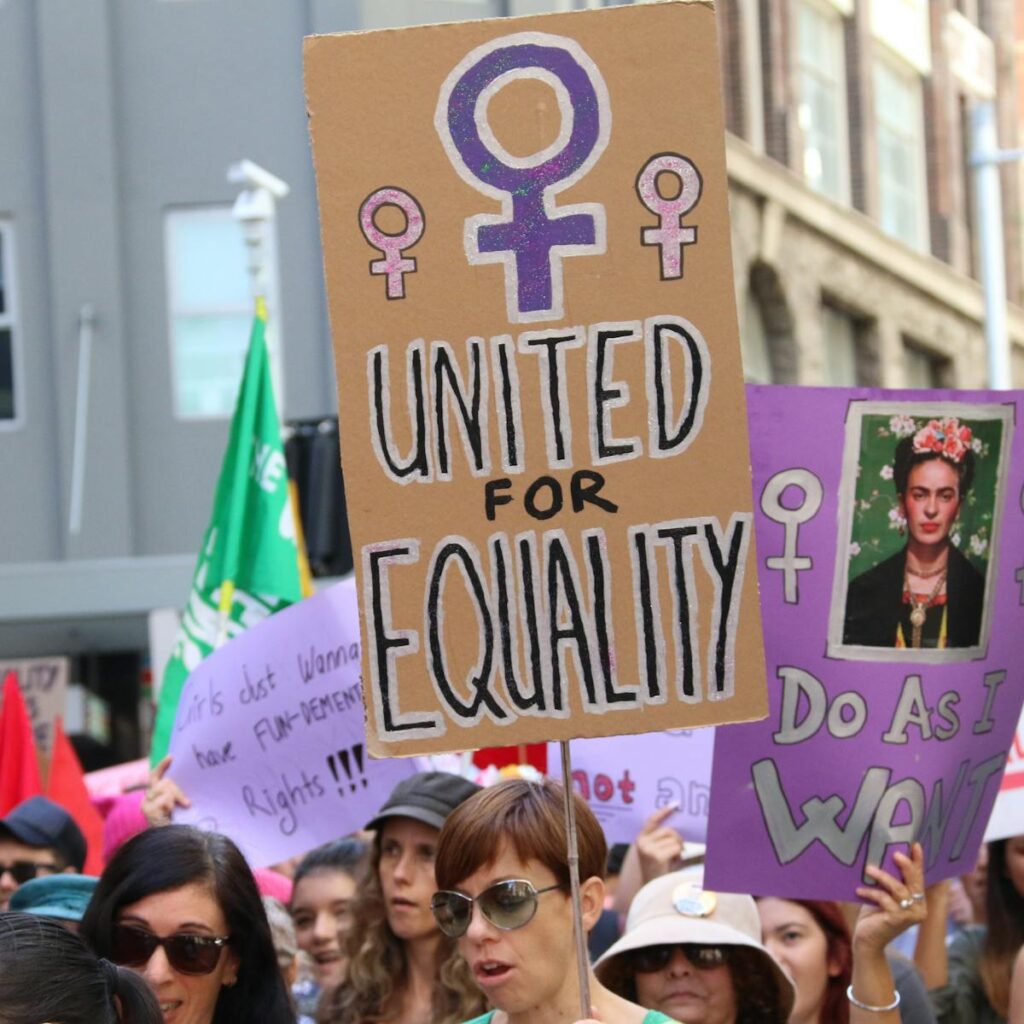
Third-wave feminists like Kimberlé Crenshaw, who coined the term “intersectionality,” emphasized the importance of understanding how different forms of oppression intersect and compound each other. They challenged the dominance of white, middle-class perspectives within the feminist movement and advocated for a more inclusive and representative feminism. The movement acknowledged that a one-size-fits-all approach to feminism was not only inadequate but also actively harmful.
B. Girl Power and Riot Grrrls: Reclaiming Femininity and Rage
The third wave also saw the rise of “girl power” and the riot grrrl movement, which embraced a more playful and assertive approach to feminism. These movements reclaimed traditionally feminine symbols and challenged patriarchal norms through music, art, and activism. Riot grrrls, in particular, used punk rock as a platform to express their anger and frustration with sexism and patriarchy. They weren’t just asking for change; they were demanding it with a loud, unapologetic voice.
VI. Fourth Wave Feminism: Digital Activism and Beyond
We are now arguably in the midst of a fourth wave of feminism, characterized by its reliance on digital technologies and its focus on issues such as online harassment, rape culture, and transgender rights. This wave is decentralized, global, and driven by social media.
A. #MeToo and Beyond: Amplifying Marginalized Voices
The #MeToo movement, which gained momentum in 2017, demonstrated the power of social media to amplify the voices of survivors of sexual harassment and assault. It sparked a global conversation about power dynamics and accountability, leading to widespread social and institutional change. The movement showed that digital platforms could be used to challenge long-standing power imbalances and hold perpetrators accountable.
B. The Future is Fluid: Gender Identity and Transgender Rights
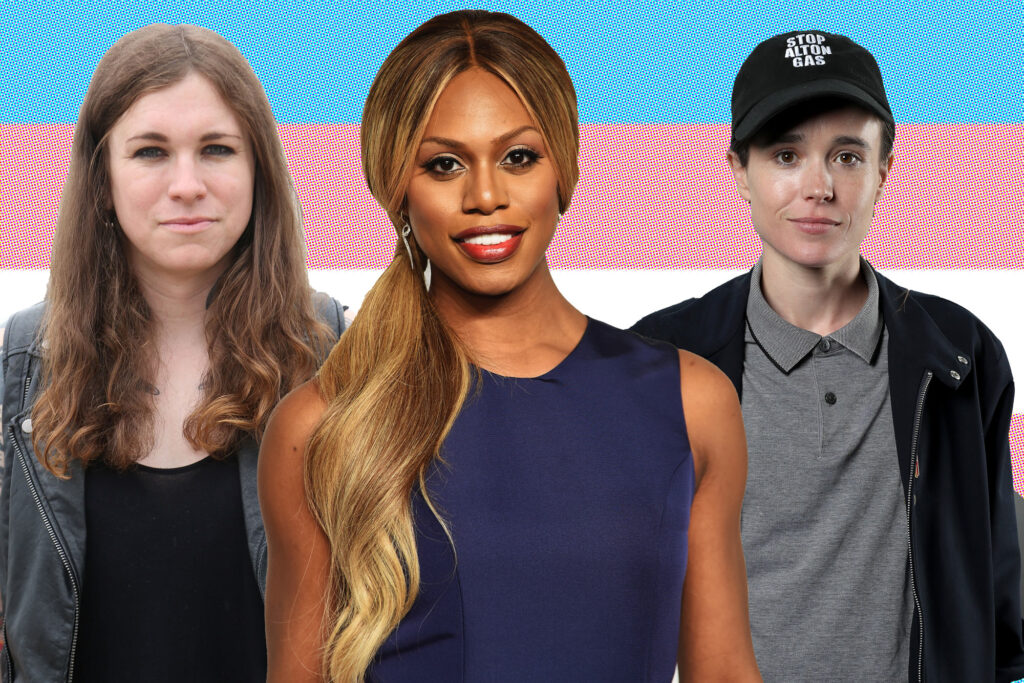
Fourth-wave feminism has also placed a strong emphasis on gender identity and transgender rights. It challenges binary notions of gender and advocates for the rights of all individuals to self-identify and express their gender as they see fit. This wave recognizes that gender is a spectrum, not a fixed category, and that all individuals deserve to be treated with dignity and respect, regardless of their gender identity or expression. The fight for transgender rights is not separate from the feminist struggle; it is an integral part of it.
The history of feminism is not a linear progression of victories and achievements. It is a messy, complicated, and often contradictory story of struggle, resistance, and transformation. But it is a story that must be told and retold, lest we forget the sacrifices of those who came before us and the work that still remains to be done. The fight for equality is far from over. It demands constant vigilance, critical analysis, and unwavering commitment. Now, more than ever, we must heed the echoes of the past and continue to forge a future where all individuals can live with dignity, equality, and freedom. The revolution, darling, is just getting started.





Leave a Comment