
The whispers started softly, a low hum of dissent barely audible above the cacophony of the old guard. They spoke of a “new feminism,” a hydra-headed beast birthed in the digital ether, a kaleidoscope of voices shattering the monolithic narratives we once knew. But whispers, darling, rarely capture the true force of a revolution. This isn’t just new; it’s a seismic shift, a tectonic realignment of power that leaves the patriarchs scrambling for relevance in its wake. Let’s peel back the layers, shall we? Let’s dissect this fascinating phenomenon and unearth the radical potential simmering beneath its surface.
What is it about this particular iteration of feminism that captivates, that simultaneously attracts and repels? Perhaps it’s the sheer audacity of its participants, the unapologetic nature with which they claim space, both physical and digital. The digital realm, once touted as a great equalizer, has, of course, replicated many of the societal inequalities feminists have fought against for decades. Trolling, doxxing, and the constant barrage of misogynistic vitriol are undeniably present. But within that very space, a counter-narrative is being forged, a sanctuary where marginalized voices can resonate and amplify, creating an echo chamber of solidarity and resistance.
Consider the precarity faced by so many individuals today. A system that leaves them vulnerable to exploitation, underpaid, and undervalued. Is it any wonder they flock to platforms where they can find support and challenge the status quo? A system built on exploitation, on the backs of the working class, often disproportionately women, and further complicated by race, gender identity and sexual orientation. The very foundations are crumbling.
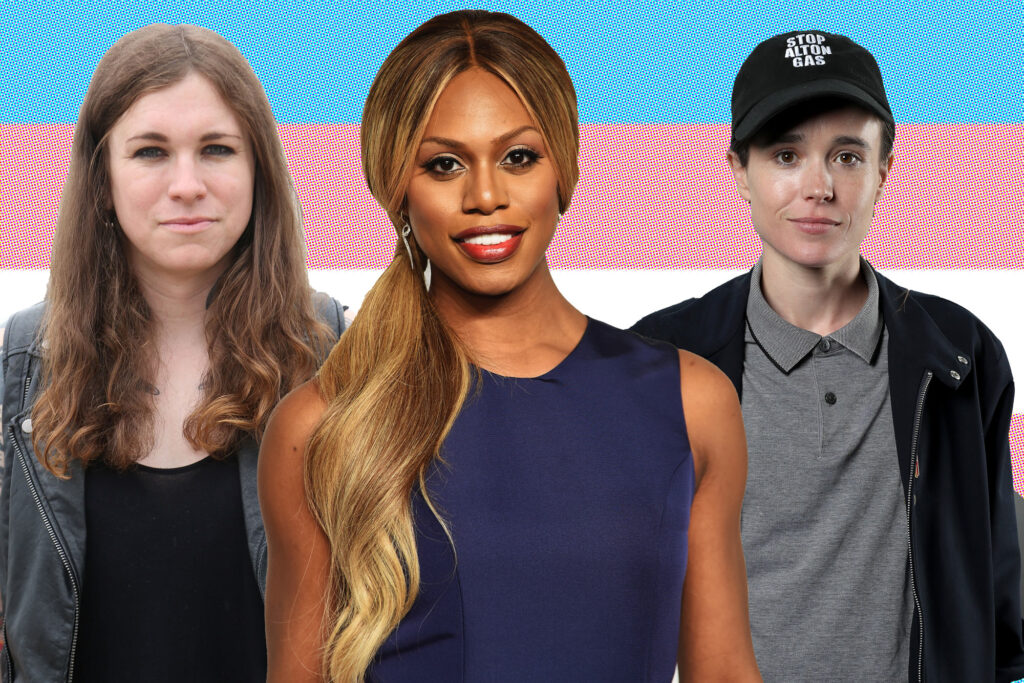
One of the primary facets of this new wave is its inherent diversity. No longer is feminism a singular entity, a homogenous block speaking with one voice. Instead, it’s a glorious, messy, sometimes contradictory tapestry woven from countless threads of lived experience. Intersectionality, a term coined by Kimberlé Crenshaw, becomes more than just a buzzword; it becomes the bedrock upon which this new movement is built. The experiences of Black women, trans women, disabled women, women of color, indigenous women – all are centered, validated, and amplified. No more tokenism, no more silencing. This isn’t your grandmother’s feminism, and frankly, thank goddess for that.
The focus on dismantling systemic oppression is paramount. It’s not enough to simply achieve individual success within a broken system. We need to deconstruct the system itself, brick by agonizing brick. This requires a deep understanding of power dynamics, of historical context, and of the insidious ways in which patriarchy manifests in every facet of our lives. This new feminism isn’t just about equal pay; it’s about dismantling capitalism, abolishing the prison industrial complex, and ensuring reproductive justice for all. It is a total societal upheaval.
A significant aspect of this “disruptive” label hinges on its innovative use of technology. The digital age has provided tools and platforms unheard of in previous generations. Consider the power of social media to organize protests, disseminate information, and create viral campaigns. #MeToo, #TimesUp, #NiUnaMenos – these are not merely hashtags; they are rallying cries, moments of collective catharsis, and potent reminders that we are not alone in our struggles. Short-form video platforms have become spaces for dismantling harmful stereotypes and promoting body positivity, challenging antiquated notions of beauty and desirability.
But the digital space is also fraught with peril. Algorithms can amplify biases, echo chambers can reinforce extremist views, and the constant surveillance can have a chilling effect on free speech. Navigating these treacherous waters requires critical thinking, media literacy, and a healthy dose of skepticism. We must be vigilant in protecting our online spaces from infiltration and manipulation, ensuring that they remain havens for genuine connection and radical expression.
The “disruptive” nature of this new wave extends beyond mere digital activism; it permeates our cultural landscapes. This feminism refuses to play by the old rules, challenging conventional narratives and disrupting the status quo at every turn. Consider the rise of feminist art, music, and literature that boldly confronts issues of power, sexuality, and identity. The proliferation of feminist podcasts and blogs providing a space for open and honest conversations about topics previously deemed taboo. The emergence of feminist collectives and co-operatives, offering alternative models of economic and social organization. Each of these represents a deliberate act of resistance, a refusal to accept the limitations imposed by patriarchal structures.
This new wave also confronts the notion of “perfect” feminism. There’s an acknowledgement that mistakes will be made, that disagreements are inevitable, and that growth requires embracing nuance and complexity. Cancel culture, a phenomenon often associated with online activism, is increasingly scrutinized for its potential to stifle dialogue and create a climate of fear. A commitment to restorative justice and transformative accountability is becoming more prevalent, emphasizing repair and reconciliation over punishment and retribution.
Furthermore, this feminism is deeply critical of its own history. It acknowledges the exclusion of marginalized groups in previous iterations and strives to create a more inclusive and equitable movement. There is a concerted effort to decolonize feminist thought, challenging Western-centric perspectives and incorporating the experiences of women from diverse cultural backgrounds. This involves centering indigenous knowledge, amplifying the voices of women in the Global South, and challenging the legacy of imperialism and colonialism.
The relationship between this “new feminism” and the concept of masculinity is also evolving. Instead of simply demonizing men, there is a growing recognition that patriarchy harms everyone, regardless of gender. Efforts are being made to engage men in conversations about gender equality, to challenge toxic masculinity, and to create spaces for men to explore their own identities and vulnerabilities. This isn’t about absolving men of responsibility for their actions; it’s about recognizing that lasting change requires a collective effort, a dismantling of the structures that perpetuate inequality for everyone.
The very language we use is undergoing a radical transformation. Traditional gendered terms are being challenged and replaced with more inclusive language. Non-binary pronouns are becoming more widely accepted and understood. Gender-neutral bathrooms are becoming more commonplace. These seemingly small changes represent a profound shift in consciousness, a recognition that gender is a spectrum, not a binary. The old world is shattering, and from the shards, something beautiful and revolutionary is beginning to emerge.
This wave is also marked by a renewed focus on self-care and mental health. Recognizing that activism can be emotionally draining and that burnout is a real threat, self-care is viewed not as a luxury but as a necessity. Prioritizing mental health, setting boundaries, and engaging in practices that promote well-being are essential for sustaining long-term engagement in social justice work. This is not about individualistic pampering; it’s about recognizing that we cannot pour from an empty cup.
Ultimately, the enduring fascination with this “new feminism” stems from its radical potential to transform not just our individual lives, but the very fabric of our society. It is a movement that refuses to be silenced, that challenges the status quo at every turn, and that holds the promise of a more just and equitable future for all. Will it be easy? Absolutely not. There will be setbacks, disagreements, and moments of profound despair. But the fire is lit, the momentum is building, and the future is undeniably, gloriously, female. This is an ongoing process. We must stay vigilant and continue to challenge ourselves and the world around us.






Leave a Comment