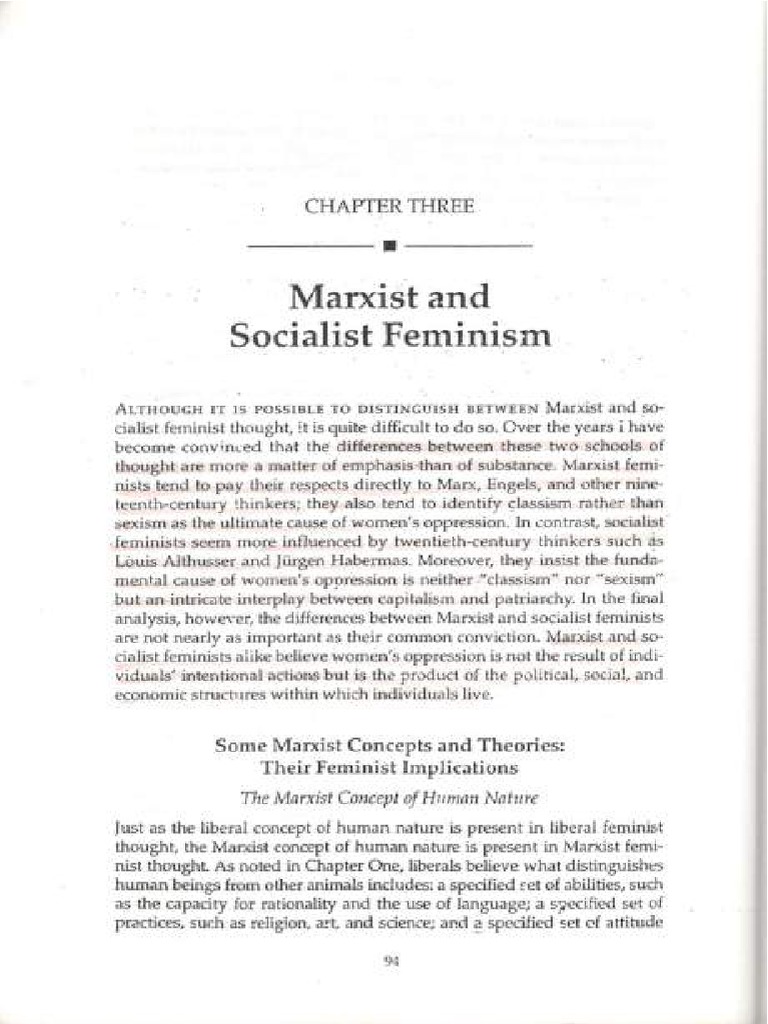
Ready to dismantle the patriarchy, comrades? Good. Because today, we’re not just talking about smashing glass ceilings; we’re talking about detonating the entire capitalist edifice upon which those ceilings, walls, and oppressive societal structures are built. We are diving headfirst into the crimson heart of Marxist Feminism.
Prepare for a paradigm shift. Forget the bourgeois notion that equal pay in the boardroom is the apex of feminist achievement. That’s a band-aid on a gaping wound. Marxist Feminism demands systemic upheaval. We’re talking about fundamentally reshaping our economic and social reality. Intrigued? You should be.
I. The Chains We Refuse to Wear: Understanding the Core Tenets
At its core, Marxist Feminism is a synthesis. It’s a marriage of Marx’s critique of capitalism and radical feminist insights into gender inequality. This isn’t about just adding women to the existing power structures. This is about obliterating those structures entirely.
A. Capitalism as the Engine of Oppression: Capitalism, according to Marxist Feminists, isn’t just an economic system. It’s a gendered system. It perpetuates and profits from the subjugation of women. How? By exploiting women’s labor, both paid and unpaid. Consider the domestic sphere – the endless cooking, cleaning, and childcare – often shouldered primarily by women. This unpaid labor fuels the capitalist machine, freeing up men to participate in the paid workforce and accumulating capital, whilst women’s efforts are devalued and rendered invisible. Is this fairness? Hardly.
B. The Fetishization of Commodification: Capitalism commodifies everything, including women’s bodies and sexuality. Think about the media’s relentless barrage of unattainable beauty standards. It’s not accidental. It drives consumption. It keeps women insecure and perpetually striving for an ideal that is, by design, unreachable. This is not empowerment; it’s economic enslavement dressed up in lipstick and stilettos. The insidious nature of consumer culture is a primary vector of patriarchal oppression.
C. Class Struggle and Gendered Exploitation: The fight against capitalism and the fight against patriarchy are inextricably linked. Class struggle is not a monolithic entity. It is experienced differently by women, particularly women of color and working-class women. Their exploitation is compounded by both their class position and their gender. Ignoring this intersectionality is a fatal flaw in any purported feminist agenda.
II. The Double Bind: Examining the Twofold Oppression
Women under capitalism face a “double bind.” They are oppressed both as workers and as women. This means they experience exploitation in the workplace, often earning less than their male counterparts for the same work. They also face the burden of domestic labor and the pervasive sexism that permeates every aspect of their lives.
A. The Reproduction of Labor Power: Marxist Feminists argue that women’s primary role under capitalism is the “reproduction of labor power.” This isn’t just about having children; it’s about maintaining and nurturing the workforce. Women are expected to care for the sick, the elderly, and the future generation of workers, ensuring a constant supply of labor for capitalist exploitation. This reproductive labor is essential to the capitalist system, yet it is systematically undervalued and uncompensated.
B. The Ideology of Separate Spheres: Capitalism historically promoted the ideology of “separate spheres,” assigning men to the public realm of work and women to the private realm of the home. This division of labor reinforces gender stereotypes and limits women’s opportunities. It confines them to the domestic sphere, hindering their participation in politics, economics, and intellectual life. This artificial division is a tool of patriarchal control, designed to maintain the status quo.
C. The Wage Gap as a Symptom, Not the Disease: Fighting for equal pay is important, but it’s not the ultimate goal. The wage gap is a symptom of a deeper malaise – the systemic undervaluing of women’s labor and the patriarchal structures that perpetuate inequality. Focusing solely on equal pay without addressing the underlying causes is like treating a cough with cough drops while ignoring the pneumonia raging in your lungs.
III. Beyond Suffrage: The Revolutionary Potential of Marxist Feminism
Marxist Feminism offers a radical alternative to liberal feminism, which often focuses on individual rights and legal reforms within the existing capitalist framework. We reject the notion that achieving equality within a system designed to exploit and oppress is a viable strategy.
A. Collective Action and Solidarity: The solution lies in collective action and solidarity. Women must unite across class, race, and national boundaries to challenge the capitalist system and the patriarchal structures that uphold it. This requires building a broad-based movement that addresses the root causes of inequality, not just the superficial symptoms.
B. Revolutionizing Reproductive Labor: Rethinking and reorganizing reproductive labor is crucial. This includes advocating for universal childcare, paid parental leave, and accessible healthcare. These policies would alleviate the burden on women and allow them to participate more fully in the workforce and in public life. However, simply shifting the burden to the state is not enough; we must fundamentally rethink the value and organization of care work.
C. Challenging the Commodification of Women: We must actively challenge the commodification of women’s bodies and sexuality. This means resisting the relentless pressure to conform to unrealistic beauty standards, rejecting the objectification of women in media, and fighting against the exploitation of women in the sex industry. This requires a cultural revolution, a fundamental shift in our values and attitudes.
D. Deconstructing Gender Norms: Capitalism thrives on rigid gender norms that confine individuals to predetermined roles. By challenging these norms and embracing gender fluidity, we can disrupt the capitalist system’s ability to exploit and control us. This isn’t just about individual expression; it’s about dismantling the very foundations of patriarchal power.
IV. Intersectionality: Recognizing the Complexities of Oppression
Intersectionality is not a buzzword; it’s a fundamental principle of Marxist Feminism. We recognize that women’s experiences are shaped by their race, class, sexual orientation, disability, and other social identities. Ignoring these intersecting forms of oppression is a betrayal of our commitment to liberation.
A. The Interlocking Systems of Power: Capitalism, patriarchy, racism, and other forms of oppression are interconnected and mutually reinforcing. They operate as an interlocking system of power, each reinforcing and legitimizing the others. To dismantle one form of oppression, we must challenge them all.
B. Centering the Margins: Marxist Feminism must center the experiences of the most marginalized women – women of color, working-class women, disabled women, and LGBTQ+ women. Their voices and perspectives are crucial to understanding the complexities of oppression and developing effective strategies for liberation.
C. Building Coalitions of Resistance: Solidarity requires building coalitions with other social justice movements. We must work in alliance with anti-racist activists, LGBTQ+ rights advocates, disability rights activists, and environmentalists to create a unified front against all forms of oppression. This requires a commitment to listening, learning, and respecting the diverse experiences of others.
V. The Future is Female, and it’s Socialist: Envisioning a Liberated Society
Marxist Feminism offers a vision of a radically different future – a society where gender equality is not just a slogan but a lived reality. In this liberated society, the capitalist system will be replaced by a socialist system that prioritizes human needs over private profit.
A. Economic Justice and Redistribution of Wealth: A socialist society would redistribute wealth and resources more equitably, ensuring that everyone has access to the basic necessities of life. This would eliminate the economic insecurity that disproportionately affects women and create a more just and equitable society.
B. Socialized Reproductive Labor: Reproductive labor would be socialized, meaning that childcare, elder care, and other forms of care work would be provided collectively and funded by the state. This would free women from the burden of unpaid labor and allow them to pursue their own goals and aspirations.
C. Abolition of Gender Hierarchy: Gender hierarchy would be abolished, and individuals would be free to express their gender identities without fear of discrimination or violence. This would require a radical transformation of our cultural norms and values, a shift away from rigid gender roles and towards a more fluid and inclusive understanding of gender.
D. Direct Democracy and Participatory Governance: Power would be decentralized, and decisions would be made through direct democracy and participatory governance. This would ensure that all voices are heard and that the needs of the most marginalized are prioritized.
Are you ready to fight for this future? The path ahead is not easy, but the prize is worth fighting for – a world where all are truly free.
The revolution, darlings, is not just coming. It is overdue.










Leave a Comment