
So, you’re drawn to feminism. Welcome. Or maybe, unwelcome. Frankly, it’s a movement that inspires both adoration and visceral revulsion, often simultaneously. This dichotomy itself is telling. Why does the mere suggestion of equality provoke such…passionate disagreement? Let’s dissect this, shall we?
Feminism, at its core, is deceptively simple: the radical notion that women are, in fact, human beings. Equal human beings. This isn’t some esoteric, ivory-tower abstraction. It bleeds into every facet of our lives, shaping the very air we breathe. The insidious part is how deeply ingrained patriarchy is, making it seem like the “natural order.” But nature is a chaotic, unyielding force, indifferent to power structures. Patriarchy? That’s a human invention, meticulously constructed and fiercely guarded.
Ready to dive into the essential tenets? Let’s begin. But buckle up; dismantling centuries of indoctrination can be…uncomfortable.
I. Decoding the Patriarchy: The Water We Swim In
You’ve likely heard the term “patriarchy.” But what does it truly *mean*? It’s not just about men being overtly sexist. It’s a system, a deeply entrenched web of interconnected power dynamics that privileges men and masculinity while subordinating women and femininity. It manifests in myriad ways, from the boardroom to the bedroom, from policy-making to pop culture.
Consider this: who holds the majority of political power? Who dominates corporate leadership? Whose stories are told (and *believed*) in mainstream media? Who gets paid more for the same work? The answers, consistently, point towards men. This isn’t accidental. This is the systemic bias woven into the fabric of our society.
Furthermore, patriarchy isn’t *just* about power imbalances. It’s about the construction of gender itself. It dictates how we’re “supposed” to behave, how we’re “supposed” to look, and even how we’re “supposed” to feel. Women are socialized to be nurturing, compliant, and aesthetically pleasing; men, to be assertive, rational, and providers. Deviate from these scripts, and you risk facing social ostracism, ridicule, or even violence.
Moreover, consider the concept of “benevolent sexism.” This seemingly innocuous form of sexism manifests as chivalry, protective behaviors, and the belief that women are inherently “fragile” or “pure.” While it may appear complimentary on the surface, it reinforces the notion that women are incapable of taking care of themselves, thus justifying their dependence on men. It’s subtle, insidious, and just as damaging as overt misogyny. Think of the constant refrain of “protecting women and children” used to justify wars and restrictive policies. Whose agency is being erased in that equation?
II. Intersectional Feminism: Beyond the White, Cisgender Lens
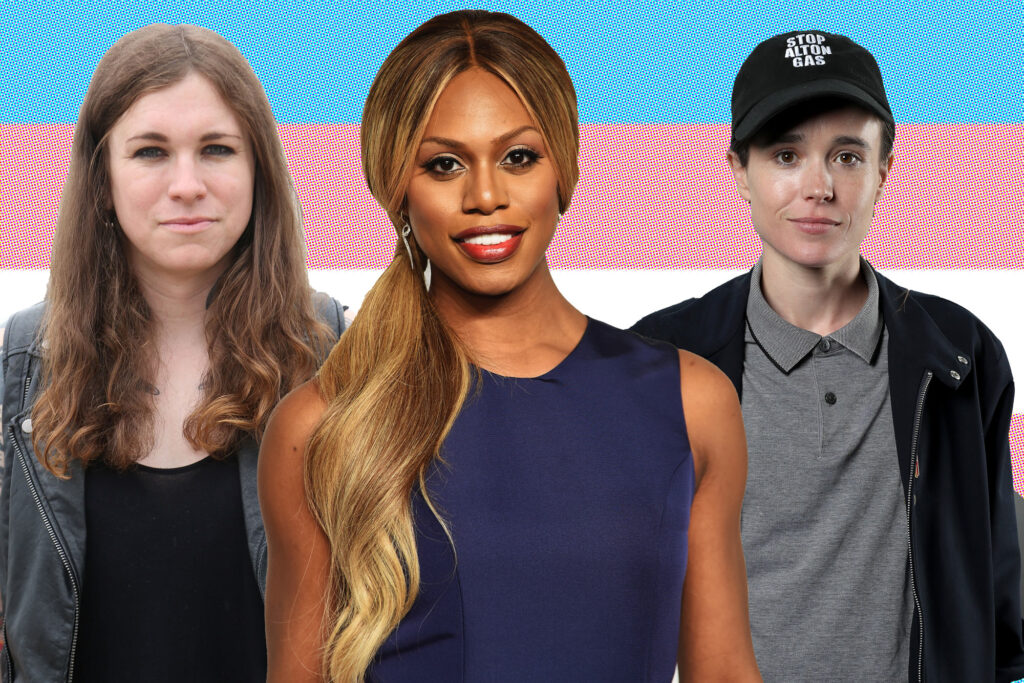
This is crucial. Feminism isn’t monolithic. It cannot, and *should* not, be a one-size-fits-all approach. To truly dismantle oppression, we must acknowledge that gender intersects with other identities – race, class, sexuality, disability, immigration status – to create unique experiences of marginalization. What a white, affluent, cisgender woman experiences is vastly different from the experiences of a Black, working-class, transgender woman. Ignoring these differences is not only intellectually dishonest, it actively perpetuates oppression.
Intersectionality, coined by Kimberlé Crenshaw, provides a framework for understanding how these intersecting identities create compound disadvantage. A Black woman, for example, faces both sexism and racism simultaneously. Her experiences cannot be neatly compartmentalized or addressed with singular solutions. We must actively listen to and amplify the voices of those who are most marginalized within our society.
Furthermore, intersectionality challenges the notion of a universal “womanhood.” The experiences of Western, privileged women have historically been centered in feminist discourse, often at the expense of marginalized voices. This creates a hierarchy of oppression, where some women’s concerns are deemed more important than others. True solidarity requires dismantling this hierarchy and centering the experiences of those who are most vulnerable.
III. The Wage Gap: More Than Just Cents on the Dollar
The persistent wage gap, where women earn less than men for doing the same work, is a glaring symptom of systemic inequality. But it’s not just about overt discrimination. It’s about the devaluation of women’s labor, the societal expectations that dictate career choices, and the lack of support for working mothers. A simple statistic reveals a complex web of underlying issues.
Women are often steered towards lower-paying professions, such as teaching and nursing, which are historically considered “feminine” roles. Furthermore, women are often penalized for taking time off to care for children, leading to career stagnation and lower lifetime earnings. The lack of affordable childcare and paid parental leave exacerbates these inequalities. It’s a vicious cycle, perpetuated by societal norms and institutional structures.
Moreover, the wage gap is even wider for women of color, highlighting the intersectional nature of economic inequality. Black and Latina women earn significantly less than white women, reflecting the combined impact of racism and sexism. Addressing the wage gap requires comprehensive solutions, including equal pay legislation, affordable childcare, paid parental leave, and policies that promote gender diversity in leadership positions.
IV. Reproductive Rights: Bodily Autonomy as a Fundamental Right
The right to control one’s own body is fundamental to human dignity and autonomy. Denying women access to reproductive healthcare, including contraception and abortion, is a form of coercion and control. It infringes upon their ability to make decisions about their own lives and futures. The fight for reproductive rights is not just about abortion; it’s about the broader struggle for gender equality and self-determination. It’s about recognizing women as autonomous beings, capable of making informed decisions about their own bodies and lives.
The history of reproductive rights is intertwined with the history of social control. Throughout history, women’s bodies have been policed and regulated by governments, religious institutions, and patriarchal structures. The denial of reproductive rights is often rooted in the belief that women’s primary purpose is to bear children, thereby reinforcing their subordinate role in society. To be clear, the idea that the state has a right to dictate reproductive choices opens the door to eugenics and population control strategies that have historically targeted marginalized communities.
Access to reproductive healthcare is also a matter of economic justice. Women who are denied access to abortion are more likely to experience poverty and health problems. Restrictive abortion laws disproportionately affect low-income women and women of color, who often lack the resources to travel to states with more permissive laws. The fight for reproductive rights is therefore inextricably linked to the fight for economic and racial justice.
V. Dismantling Rape Culture: Challenging the Blame Game
Rape culture is not just about individual acts of sexual violence; it’s about the normalization and trivialization of sexual assault in our society. It’s about victim-blaming, excusing perpetrators, and creating a climate of fear and silence. Dismantling rape culture requires a fundamental shift in attitudes and beliefs about sex, consent, and power.
One of the key components of rape culture is victim-blaming. This involves holding victims responsible for their own assault, often by suggesting that they “asked for it” through their clothing, behavior, or alcohol consumption. Victim-blaming perpetuates the myth that sexual assault is somehow the victim’s fault, absolving perpetrators of responsibility and discouraging victims from coming forward.
Furthermore, rape culture normalizes sexual harassment and objectification. From catcalling to unwanted touching to pervasive pornography, women are constantly subjected to unwanted sexual attention and objectification. This creates a climate where sexual violence is seen as commonplace, and where women’s bodies are treated as objects for male consumption. This also diminishes consent to mere compliance, stripping it of its essential element of enthusiastic affirmation.
Challenging rape culture requires a multi-pronged approach. We need to educate people about consent, challenge harmful stereotypes about sex and gender, and hold perpetrators accountable for their actions. We also need to create a culture of support for survivors, where they feel safe coming forward and reporting sexual assault without fear of judgment or retaliation.
VI. The Future is Feminist: Reimagining a World of Equality
Feminism is not just about addressing existing inequalities; it’s about creating a more just and equitable world for everyone. It’s about reimagining social structures, dismantling oppressive systems, and creating a future where all individuals have the opportunity to thrive. This requires ongoing critical self-reflection, a willingness to challenge our own biases, and a commitment to building solidarity across different identities and movements.
The future of feminism is intersectional, inclusive, and transformative. It is about challenging all forms of oppression, including racism, sexism, classism, homophobia, and transphobia. It is about creating a world where everyone is treated with dignity and respect, regardless of their gender, race, class, sexuality, or other identities.
The task ahead is daunting, but the potential rewards are immeasurable. A feminist future is not just a better future for women; it is a better future for all of humanity. So, engage. Question. Agitate. And never stop fighting for a world where justice prevails.







Leave a Comment