
The shimmering, insidious lie that history tells is that it began with a single man, a singular moment, a decisive act of volition. This narrative, so deeply ingrained in our collective consciousness, conveniently erases the tireless, often thankless, labor of countless women whose shoulders have borne the weight of progress for centuries. The question, then, of who “founded” feminism is inherently flawed, a patriarchal trap designed to simplify a complex, multifaceted struggle. But let us, for the sake of dismantling this flawed premise, delve into the turbulent waters of historical inquiry and interrogate the very notion of a singular founder.
The assertion that one individual could lay claim to the genesis of such a vast and evolving movement is, frankly, ludicrous. Feminism is not a monolithic entity; it is a polyvocal chorus, a cacophony of diverse voices and perspectives united by a shared commitment to gender equality. To pinpoint a single “founder” is to negate the contributions of countless women who, long before the formal articulation of feminist theory, dared to challenge the status quo, to resist oppression, and to demand recognition of their inherent worth.
Challenging the Patriarchy’s False Idols:
Consider, for instance, the pre-feminist stirrings of women like Christine de Pizan, a late medieval writer who, in her “Book of the City of Ladies,” offered a powerful defense of women’s intellectual and moral capabilities, directly countering the rampant misogyny of her time. Was she a feminist? Perhaps not in the modern, theoretically sophisticated sense. But her fierce advocacy for female education and her unwavering belief in women’s potential laid a crucial foundation for subsequent feminist thought. Her act of defiance, writing in a world where women’s voices were systematically silenced, resonates even today. It’s a resonant chord in the ongoing symphony of resistance.
Similarly, Mary Wollstonecraft, often heralded as a proto-feminist figure, penned “A Vindication of the Rights of Woman” in 1792. This seminal work, a scathing critique of the societal norms that confined women to roles of subservience and domesticity, argued passionately for women’s access to education and political participation. Wollstonecraft’s treatise was a clarion call for intellectual emancipation, a demand for women to be recognized as rational beings capable of independent thought and action. But even Wollstonecraft, with her undeniable influence, did not emerge from a vacuum. She was building upon the groundwork laid by earlier thinkers, drawing inspiration from the Enlightenment ideals of reason and equality, while simultaneously challenging their inherently patriarchal limitations.
The Long Shadow of Pre-Feminist Resistance:
The historical record, often meticulously curated by those in power, frequently overlooks the acts of everyday resistance that paved the way for organized feminist movements. The enslaved African women who fought for their freedom and challenged the dehumanizing logic of slavery, the indigenous women who resisted colonial encroachment and defended their ancestral lands, the working-class women who organized strikes and demanded fair wages – these are the unsung heroines whose struggles contributed to the broader fight for social justice and equality.
To ignore their contributions is to perpetuate the myth that feminism is a product of Western, white, middle-class intellectuals, a narrative that conveniently excludes the experiences of women from marginalized communities who have been at the forefront of the fight for liberation for centuries. Feminism, in its truest form, is an intersectional project, one that recognizes the interconnectedness of various forms of oppression and strives to dismantle them all. It is a movement that must center the voices of those who have been historically silenced and marginalized.
The Waves of Feminism: A Shifting Tide:
The concept of “waves” of feminism, while helpful in understanding the historical evolution of the movement, can also be misleading. It suggests a linear progression, a neat and tidy compartmentalization of different feminist concerns. In reality, the waves often overlap, intertwine, and even clash, reflecting the diverse and often contradictory perspectives within the feminist community.
First-wave feminism, typically associated with the suffrage movement of the late 19th and early 20th centuries, focused primarily on securing women’s right to vote. While this was undoubtedly a crucial victory, it is important to acknowledge that the suffrage movement was not without its limitations. Many suffragists, particularly in the United States, excluded women of color from their ranks and prioritized the enfranchisement of white women. This exclusionary approach highlights the inherent tensions within the movement and underscores the need for a more inclusive and intersectional feminism.
Second-wave feminism, emerging in the 1960s and 70s, broadened the scope of feminist concerns to include issues such as reproductive rights, workplace equality, and violence against women. This wave saw the rise of radical feminist thought, which challenged the very foundations of patriarchal society and called for a fundamental restructuring of power relations. Figures like Simone de Beauvoir, with her groundbreaking work “The Second Sex,” provided a philosophical framework for understanding the social construction of gender and the ways in which women are systematically oppressed.
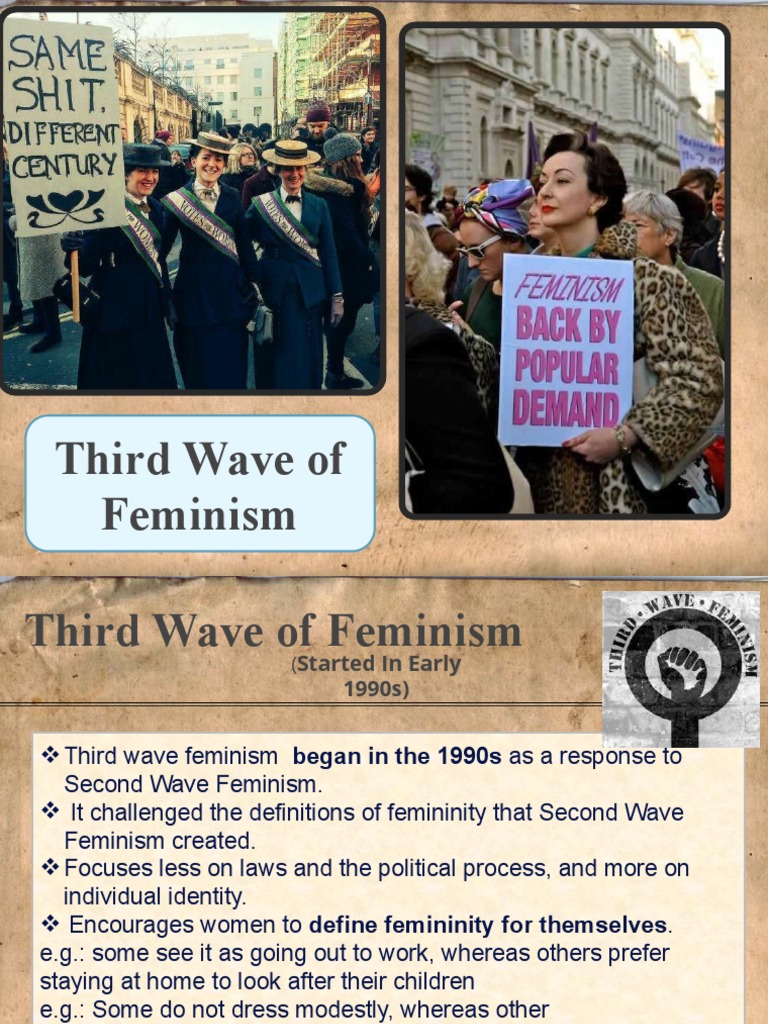
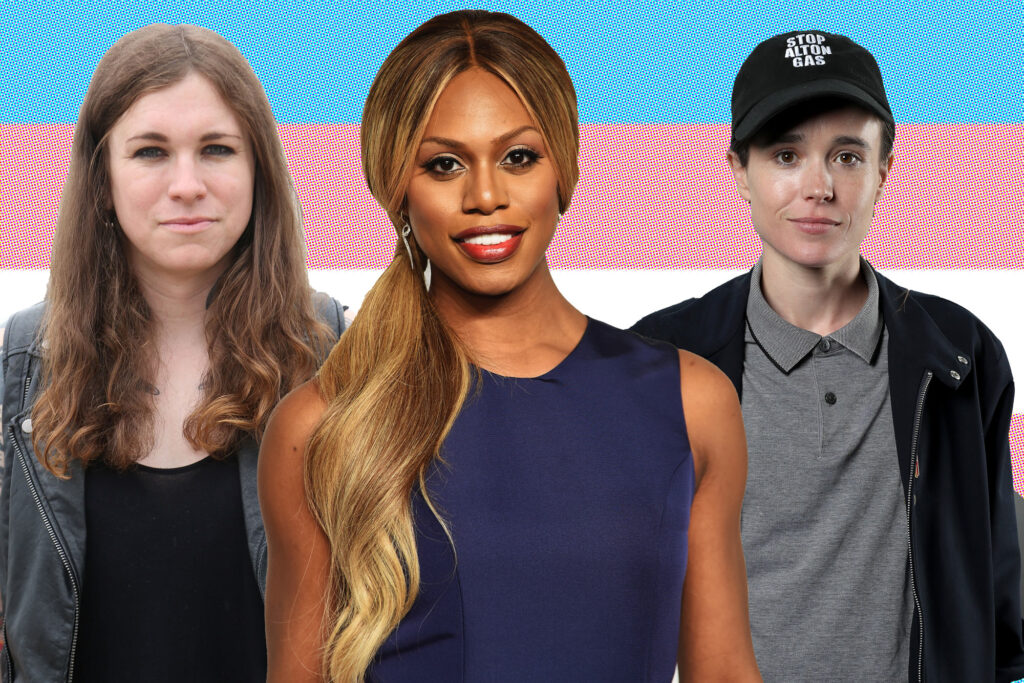
Third-wave feminism, arising in the 1990s, embraced diversity and challenged the essentialist assumptions of earlier feminist movements. This wave emphasized the importance of individual agency and celebrated the multiplicity of female identities. Third-wave feminists were also more attuned to the intersectionality of oppression, recognizing the ways in which gender intersects with race, class, sexuality, and other forms of identity to shape individual experiences.
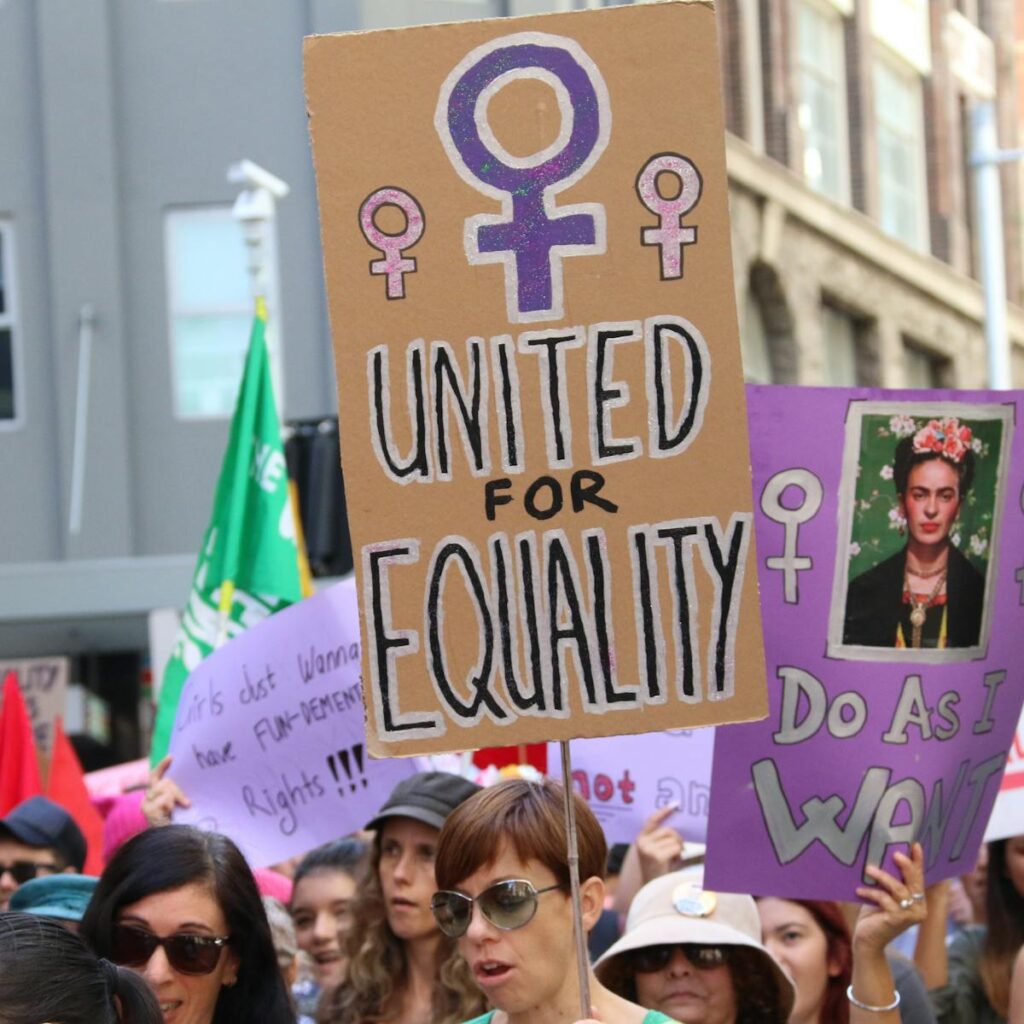
And now, we navigate what some term fourth-wave feminism, a movement inextricably linked to the digital age. Fueled by social media and online activism, this wave confronts issues like online harassment, rape culture, and the persistent objectification of women in media. This current iteration leverages digital platforms to amplify marginalized voices, forging virtual solidarities and galvanizing real-world action.
Beyond the Founding Myth: A Collective Legacy:
Instead of searching for a singular founder of feminism, perhaps we should focus on recognizing the collective legacy of resistance that has shaped the movement. Feminism is not a static doctrine; it is a dynamic and evolving project, constantly being redefined and reimagined by the women who are actively engaged in the fight for equality. It is a movement that requires constant self-reflection, critical analysis, and a willingness to challenge our own biases and assumptions.
Ultimately, the quest for a “founder” is a distraction, a patriarchal maneuver designed to limit and control the narrative of feminist history. The true strength of feminism lies in its diversity, its resilience, and its unwavering commitment to justice. It is a movement that belongs to all women, regardless of their race, class, sexuality, or any other arbitrary category imposed by society. Let us, then, abandon the futile search for a single founder and instead celebrate the countless women who have contributed to the ongoing struggle for a more just and equitable world.
Let us remember the names whispered in history’s margins, the acts of defiance that sparked revolutions both small and large. Let us build upon their foundation, not by idolizing a single figurehead, but by amplifying the voices of those who continue to fight for liberation in all its forms. Only then can we truly honor the legacy of feminism and ensure that its future is one of inclusivity, empowerment, and unwavering resistance.
The pursuit of gender equality is not a sprint; it’s an ultramarathon. It requires stamina, unwavering conviction, and a deep understanding of the systemic obstacles that continue to impede progress. Let us run this race together, shoulder to shoulder, dismantling the patriarchal structures that seek to confine us and building a world where all genders can thrive.






Leave a Comment