So, you think you know feminism? You’ve seen the slogans, maybe even sported a “smash the patriarchy” t-shirt (good for you!), but do you really understand the sprawling, multifaceted beast that is the feminist movement? Buckle up, buttercup, because we’re about to delve into the heart of what feminism actually is, dissect its history, and expose the myths that have been perpetuated for far too long. Prepare for a recalibration of your understanding.
I. Deconstructing the “Feminist” Label: More Than Just “Women’s Rights”
Let’s start with the basics, shall we? But brace yourselves; this isn’t going to be your kindergarten definition. Feminism, at its core, is a sociopolitical movement advocating for the social, economic, and political equality of all sexes. Notice the “all sexes” part. It’s not just about women; it’s about dismantling the systemic structures that perpetuate gender inequality across the board.
A. Beyond the Suffrage Banner: Addressing Systemic Oppression
Too often, feminism is reduced to the fight for suffrage, the right to vote. Yes, that was a pivotal moment, a watershed, but it’s just one piece of a much larger, more complex puzzle. Modern feminism addresses a whole host of issues, including, but not limited to:
- Patriarchy’s insidious grip: Unveiling how male dominance permeates institutions and personal relationships. It’s not about hating men; it’s about dismantling a system that privileges them at the expense of others.
- Intersectionality’s imperative: Recognizing that gender intersects with race, class, sexual orientation, ability, and other identities, creating unique experiences of oppression. A white, cisgender, middle-class woman’s experience of sexism is vastly different from that of a Black, transgender, working-class woman. Ignoring these intersections is a fatal flaw.
- Economic Justice: Fighting for equal pay, access to economic resources, and an end to the feminization of poverty. Capitalism, after all, isn’t gender-neutral.
- Reproductive Autonomy: Ensuring access to safe and legal abortion, contraception, and comprehensive sexual health education. Control over one’s body is a fundamental human right, not a bargaining chip.
- Ending Gender-Based Violence: Combating domestic violence, sexual assault, harassment, and other forms of violence that disproportionately affect women and gender minorities. Silence is complicity.
B. Challenging the Essentialist Trap: Gender as a Social Construct
One of the most crucial, and often misunderstood, tenets of feminism is the understanding of gender as a social construct. This means that the characteristics, roles, and behaviors that are traditionally associated with “masculinity” and “femininity” are not inherent or biologically determined, but rather are created and reinforced by societal norms, expectations, and power structures. Challenging this construct is vital to liberating individuals from the constraints of rigid gender roles.
II. Tracing the Lineage: A Brief, Imperfect History of Feminist Waves
The feminist movement is often described as having “waves,” each characterized by different priorities and approaches. While this framework can be useful for understanding the evolution of feminist thought, it’s crucial to recognize its limitations. It tends to be Western-centric, overlooking the rich history of feminist activism in other parts of the world. Furthermore, the wave model can create artificial divisions and obscure the continuities between different eras.
A. First-Wave Feminism: The Suffrage Struggle (Late 19th – Early 20th Century)
This wave focused primarily on securing legal and political rights for women, most notably the right to vote. Suffragettes, often depicted as radical firebrands, challenged the prevailing notion that women were intellectually inferior and belonged solely in the domestic sphere. Key figures include Susan B. Anthony, Elizabeth Cady Stanton, and Emmeline Pankhurst.
However, it’s important to acknowledge the inherent limitations of this wave. Many first-wave feminists were white and middle-class, and their focus on suffrage often excluded the concerns of women of color and working-class women. This reveals a critical flaw: early feminism frequently failed to adequately address the intersections of gender with other forms of oppression.
B. Second-Wave Feminism: Beyond the Ballot Box (1960s – 1980s)
Fueled by the Civil Rights Movement and the burgeoning counterculture, second-wave feminism expanded the scope of feminist concerns to include issues such as reproductive rights, sexuality, domestic violence, and workplace inequality. Key texts like Betty Friedan’s “The Feminine Mystique” exposed the dissatisfaction and frustration felt by many women trapped in traditional domestic roles.
This wave also saw the rise of radical feminism, which challenged the very foundations of patriarchy and advocated for the complete dismantling of male dominance. However, second-wave feminism was also criticized for its tendency to essentialize the experiences of women and for its lack of attention to intersectionality. The idea of a monolithic “woman’s experience” proved to be a limiting factor.
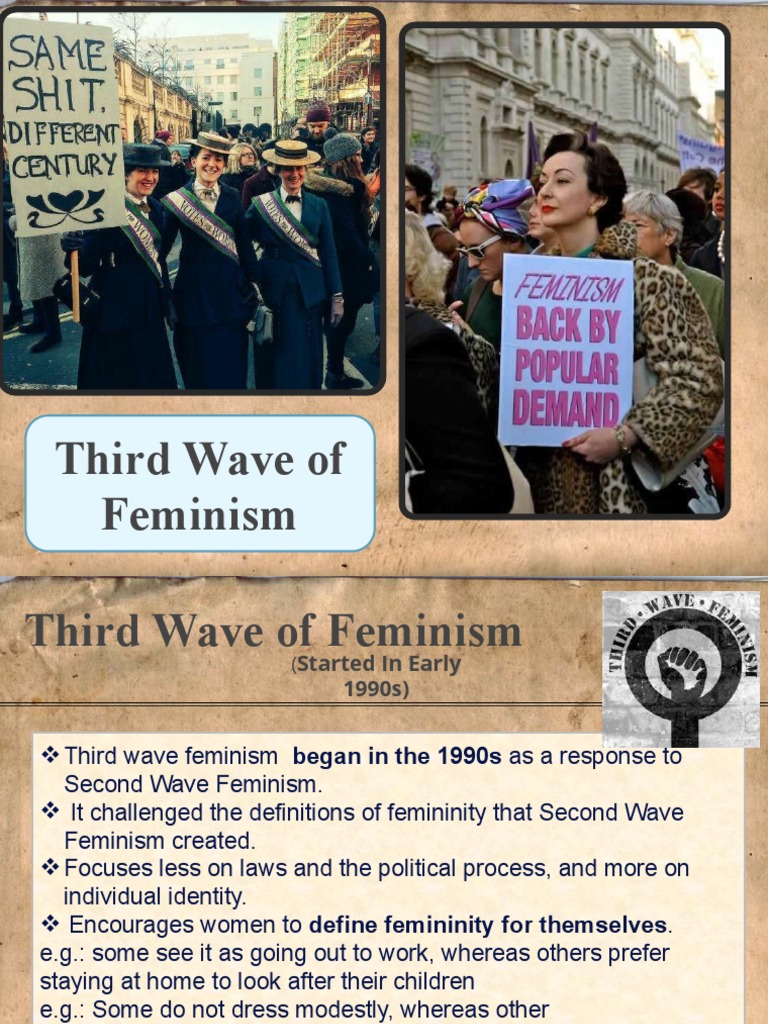
C. Third-Wave Feminism: Embracing Complexity and Diversity (1990s – Present)
Reacting against the perceived limitations of second-wave feminism, third-wave feminists embraced diversity, intersectionality, and the complexities of gender identity and expression. This wave saw a greater emphasis on individual agency and empowerment, as well as a renewed focus on challenging gender stereotypes and promoting positive representations of women in media and culture.
Third-wave feminism also saw the rise of riot grrrl, a feminist punk rock movement that used music and art to express feminist ideas and challenge patriarchal norms. However, third-wave feminism has also been criticized for its perceived lack of a clear political agenda and for its tendency to focus on individual empowerment at the expense of collective action.
D. Fourth-Wave Feminism: Digital Activism and Global Solidarity (2010s – Present)
Fueled by the power of the internet and social media, fourth-wave feminism has seen a resurgence of feminist activism and a growing awareness of issues such as sexual harassment, rape culture, and online misogyny. This wave has also been characterized by a greater emphasis on intersectionality and global solidarity, with feminists around the world connecting and collaborating to address shared challenges.
Movements like #MeToo and Time’s Up have brought widespread attention to the issue of sexual harassment and assault, while online platforms have provided a space for marginalized voices to be heard and amplified. Fourth-wave feminism is still evolving, but its emphasis on digital activism and global solidarity suggests a powerful potential for future change.
III. Confronting the Misconceptions: Debunking the Myths about Feminism
Feminism, despite its long history and widespread impact, remains a deeply misunderstood and often vilified movement. Let’s address some of the most common misconceptions:
A. “Feminists Hate Men”: The Misandry Myth
This is perhaps the most pervasive and damaging myth about feminism. Feminism is not about hating men; it’s about dismantling the patriarchal systems that harm everyone, including men. In fact, many men are strong allies in the feminist movement, recognizing that gender equality benefits everyone.
B. “Feminism is Only for Women”: The Exclusivity Fallacy
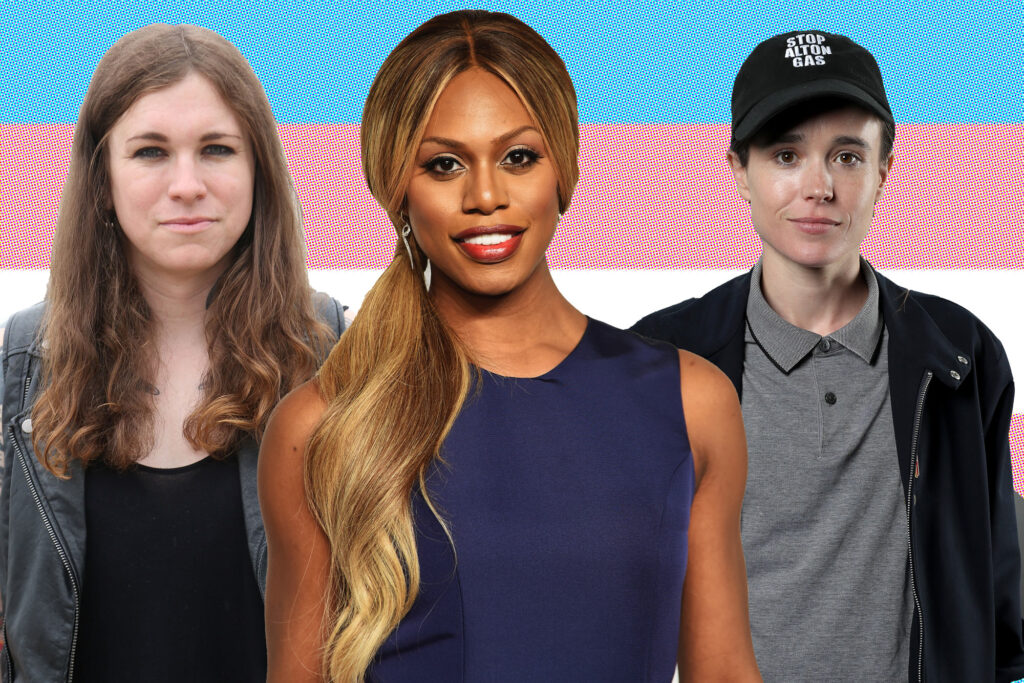
As mentioned earlier, feminism is about the equality of all sexes and genders. This means that men, transgender individuals, and non-binary people are all welcome and encouraged to participate in the feminist movement. In fact, their voices and perspectives are essential to creating a more inclusive and equitable world.
C. “Feminists are All Angry and Aggressive”: The Stereotype Trap
While it’s true that feminists are often passionate and vocal about their beliefs, it’s unfair and inaccurate to portray them as universally angry and aggressive. Feminists come from all walks of life and have a wide range of personalities and approaches to activism. Reducing them to a single stereotype is a deliberate attempt to discredit and silence their voices.
D. “Feminism is No Longer Necessary”: The Complacency Conundrum
While significant progress has been made in the fight for gender equality, the reality is that sexism and gender inequality persist in many forms. Women continue to face discrimination in the workplace, are underrepresented in positions of power, and are disproportionately affected by violence and poverty. The fight for gender equality is far from over.
IV. The Future of Feminism: An Intersectional, Global, and Transformative Vision
The future of feminism lies in embracing intersectionality, global solidarity, and a transformative vision for a more just and equitable world. This means recognizing and addressing the interconnectedness of gender with other forms of oppression, working collaboratively with feminists around the world, and challenging the very foundations of patriarchy.
A. Amplifying Marginalized Voices: Centering Intersectional Experiences
The future of feminism must prioritize the voices and experiences of marginalized individuals, particularly women of color, transgender individuals, and people with disabilities. This means actively seeking out and amplifying their perspectives, and ensuring that their needs and concerns are addressed in feminist activism and advocacy.
B. Building Global Coalitions: Fostering Cross-Cultural Solidarity
The challenges of gender inequality are global in scope, requiring collaborative action across borders and cultures. Building global coalitions and fostering cross-cultural solidarity is essential to addressing these challenges effectively and creating a more just and equitable world for all.
C. Transforming Systems, Not Just Symptoms: Addressing Root Causes
The future of feminism must move beyond addressing the symptoms of gender inequality and focus on transforming the underlying systems that perpetuate it. This means challenging patriarchal norms, dismantling discriminatory institutions, and advocating for policies that promote gender equality in all areas of life.
So, there you have it. A whirlwind tour through the sprawling landscape of feminism. It’s messy, it’s complicated, and it’s constantly evolving. But one thing remains constant: the unwavering commitment to creating a world where all genders can thrive, free from the constraints of oppression and discrimination. Now go forth and challenge the status quo. The revolution starts now.






Leave a Comment