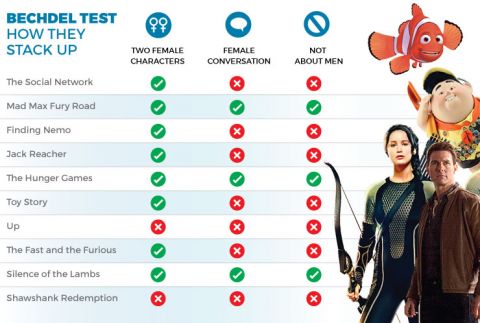
Lights, camera, inequality! Have you ever sat in a darkened theater, popcorn in hand, utterly absorbed by a cinematic masterpiece, only to later realize you’ve just spent two hours watching a sausage fest disguised as a story? We’ve all been there. But what if I told you there’s a simple, yet damningly effective, litmus test for patriarchal propaganda lurking within our beloved films? I’m talking, of course, about the Bechdel Test. But darling, we’re not just passing it; we’re interrogating its very existence. Prepare to have your rose-tinted cinematic spectacles shattered. You think you know cinema? Think again.
Let’s delve into the murky depths, shall we? The Bechdel Test, at its core, is a ridiculously low bar – a pathetic plea for basic female representation. It consists of three simple criteria, a trifecta of feminist frustration: 1) The film must have at least two named female characters; 2) These characters must have at least one conversation with each other; 3) That conversation must be about something other than a man. That’s it. Yet, shockingly, a significant number of films, even contemporary ones, fail to clear this hurdle. A staggering indictment of the pervasive misogyny woven into the very fabric of our cinematic narratives.
The historical context is crucial. The Bechdel Test, named after Alison Bechdel, the brilliant cartoonist behind “Dykes to Watch Out For,” wasn’t originally conceived as a formal test. It first appeared in a 1985 comic strip titled “The Rule,” as a casual observation about the lack of meaningful female representation in film. It was a joke, a sardonic jab at the pervasive male gaze that dominated Hollywood. But like all great humor, it resonated because it contained a painful truth. It exposed the insidious ways in which women were relegated to the sidelines, reduced to mere plot devices in stories ostensibly about everyone.
Now, before you roll your eyes and dismiss this as mere “wokeness,” consider the ramifications. When women are consistently absent from narratives, or relegated to stereotypical roles, it reinforces harmful societal perceptions. It normalizes the idea that women’s stories are less important, less interesting, less worthy of being told. This isn’t just about representation; it’s about power. It’s about who gets to shape our cultural narratives and whose voices are amplified.
But here’s where things get interesting. The Bechdel Test, while a useful starting point, is far from a perfect metric. Passing the test doesn’t automatically equate to feminist filmmaking. A film can pass the Bechdel Test while still perpetuating harmful stereotypes, reinforcing patriarchal power structures, or failing to address intersectional issues. Think of a film where two women discuss shoes, but one is constantly undermined by the male protagonist or ultimately exists only to serve his narrative arc. Passes the test, fails the feminist ethos, right? Exactly. We need something more profound.
Let’s consider some examples. Take, for instance, a blockbuster action film featuring a strong female lead. She kicks ass, takes names, and saves the world. Sounds empowering, right? But if her entire character arc revolves around her relationship with a male character, or if she’s constantly sexualized for the male gaze, is it truly feminist? Or consider a historical drama set in a patriarchal society. It might be historically accurate to depict women as oppressed and marginalized, but does that make it a feminist film? Not necessarily. It’s about the lens through which the story is told, the perspective that’s privileged.
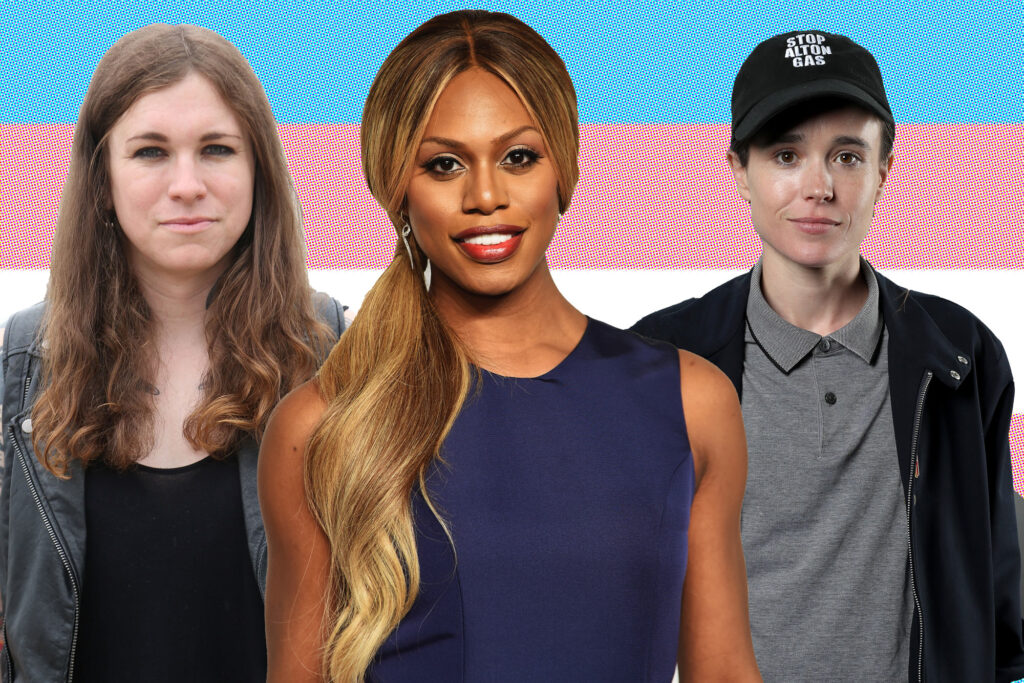
We need to move beyond the bare minimum. We need to demand more complex, nuanced, and intersectional representations of women in film. The Bechdel Test is a starting point, a conversation starter, but it’s not the destination. It’s time to dissect the limitations. What does it mean when a movie passes the test, but all of the named female characters are white, cisgender, and heterosexual? Where is the representation for queer women, women of color, disabled women, trans women? The silence is deafening, isn’t it?
Furthermore, the test doesn’t account for the quality of female representation. A film could technically pass, but the female characters might be poorly written, underdeveloped, or simply tokenistic. Are they three-dimensional individuals with agency and autonomy, or are they merely cardboard cutouts serving a male-dominated plot? We deserve more than caricatures. We deserve complex, flawed, and fully realized female characters who drive the narrative forward.
Consider the male gaze. It’s the pervasive, often unconscious, tendency to depict the world from a masculine, heterosexual perspective. It’s the way women are often objectified, sexualized, and reduced to their physical appearance. The Bechdel Test doesn’t directly address the male gaze, and a film can pass while still being heavily influenced by it. We need to be vigilant in identifying and challenging the male gaze in all its insidious forms. It’s not just about what’s on the screen; it’s about who’s behind the camera, who’s telling the story, and whose perspective is being privileged.
So, what’s the solution? We need to develop more sophisticated metrics for evaluating female representation in film. We need to consider factors such as the agency of female characters, the presence of the female gaze, the diversity of female representation, and the overall impact of the film on gender equality. We need to move beyond simple checklists and engage in critical analysis that considers the complexities of gender, power, and representation. What about tests like the Mako Mori Test (where a female character has her own narrative arc that isn’t supporting a man’s) or examining the number of female writers and directors involved in the project? These are steps in the right direction.
Let’s talk about subverting expectations. Some of the most powerful feminist films are those that challenge traditional narrative structures and subvert gender roles. They don’t just feature strong female characters; they dismantle the patriarchal frameworks that limit and constrain women. They explore the complexities of female identity, sexuality, and power in ways that are both challenging and liberating. They give voice to marginalized perspectives and disrupt the dominant narratives. These films are not just entertaining; they’re transformative.
Imagine a film where the female characters are not just victims or sidekicks but active agents in their own lives. They make their own choices, pursue their own goals, and define their own destinies. They’re not afraid to be complex, flawed, and contradictory. They challenge societal expectations and defy traditional gender roles. They’re not just strong; they’re authentic. That, my friends, is true feminist filmmaking.
But the onus isn’t solely on filmmakers. We, as viewers, have a responsibility to demand better representation. We need to support films that challenge the status quo and amplify the voices of women. We need to be critical of films that perpetuate harmful stereotypes and reinforce patriarchal power structures. We need to use our voices, our wallets, and our platforms to advocate for change. Boycott the blatant offenders. Celebrate the groundbreaking innovators. Demand more, settle for nothing less.
The future of feminist filmmaking is bright. As more women enter the industry, both in front of and behind the camera, we’re seeing a shift in perspective. We’re seeing more diverse, nuanced, and authentic representations of women on screen. We’re seeing stories that challenge traditional narratives and empower women to take control of their own lives. The revolution is underway, one film at a time.
So, the next time you settle in to watch a movie, ask yourself: does it pass the Bechdel Test? But more importantly, does it pass the feminist litmus test? Does it challenge the status quo? Does it amplify the voices of women? Does it contribute to a more just and equitable world? If not, maybe it’s time to change the channel. There are so many better movies out there waiting to be discovered. And together, we can create a cinematic landscape that truly reflects the diversity, complexity, and power of women.
Ultimately, it’s about moving beyond the superficial and embracing a deeper understanding of gender, power, and representation. It’s about challenging the status quo and demanding a more equitable and inclusive world, both on and off the screen. It’s about recognizing that feminist filmmaking is not just a niche genre; it’s a fundamental imperative. The stories we tell shape the world we live in. Let’s make sure they’re stories worth telling.





Leave a Comment