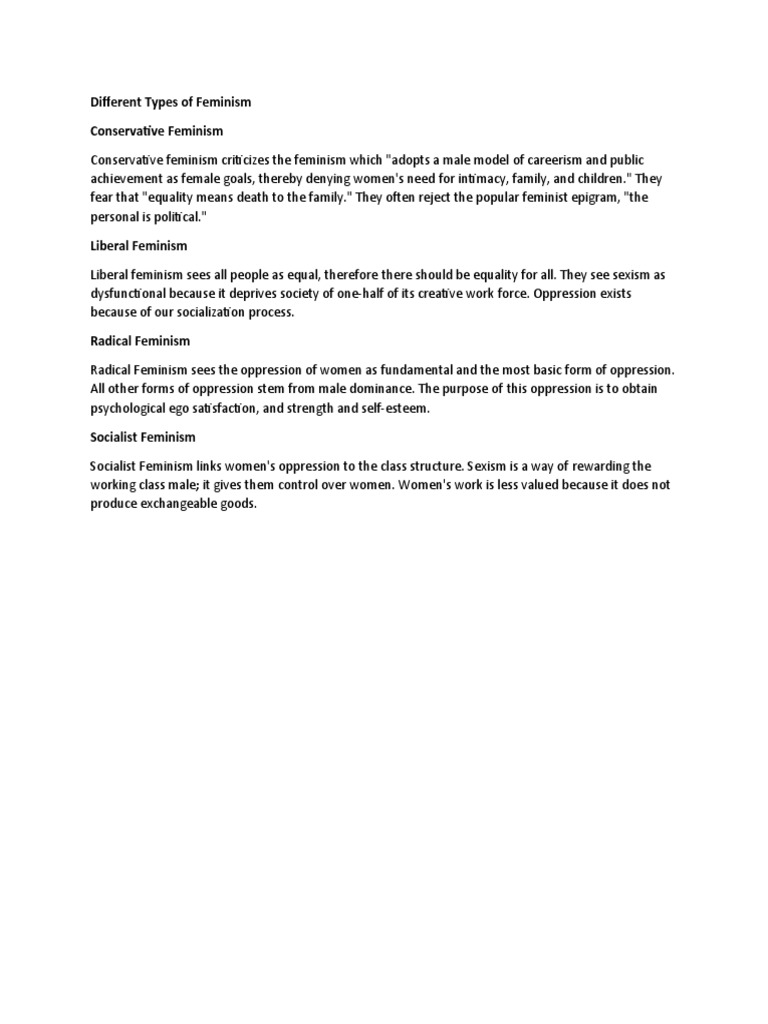
Prepare to have your preconceptions eviscerated. Feminism, that monolithic, much-maligned ‘ism’, isn’t a singular entity. It’s a vibrant, multifaceted ecosystem, teeming with diverse perspectives, ideologies, and strategies. To confine it to a single definition is not only intellectually lazy but actively detrimental to understanding its profound impact. Prepare to journey into the kaleidoscopic world of feminist thought, a realm far more complex and challenging than you might have imagined. It’s time to discard the simplistic narratives and embrace the glorious, messy reality of the feminist tapestry.
Liberal Feminism: The Pursuit of Equality Within the System
At its core, Liberal Feminism champions gender equality through legal and political reforms within the existing societal structures. It’s about leveling the playing field, ensuring that women have the same rights, opportunities, and access to resources as men. They believe the current system is salvageable. Think equal pay, reproductive rights legislation, and affirmative action policies. This branch contends that societal institutions are not inherently oppressive but simply require adjustments to eliminate discriminatory practices. Are they naive? Perhaps. But their pragmatism has undeniably yielded tangible results. However, detractors decry its reliance on a system they believe is fundamentally flawed, arguing that mere inclusion doesn’t dismantle patriarchal underpinnings.
Liberal Feminists often focus on:
- Legal reforms: Advocating for laws that prohibit gender discrimination in employment, education, and other areas.
- Political representation: Encouraging women to run for office and participate in the political process.
- Equal access to education and employment: Removing barriers that prevent women from achieving their full potential.
Radical Feminism: Uprooting the Patriarchal Tree
Radical Feminism, in stark contrast, views the entire societal structure as inherently patriarchal and oppressive. This isn’t about tweaking the system; it’s about tearing it down and building something new. Radical feminists believe that patriarchy, a system of male dominance, permeates every aspect of society, from our laws and institutions to our language and culture. This branch often posits that gender roles are socially constructed and serve to maintain male power. They challenge the very notion of gender as a binary construct. Furthermore, some radical feminists advocate for separatism, believing that women should create their own communities and institutions, free from male influence. Provocative? Absolutely. Necessary? Some would argue vehemently, yes.
Key tenets of Radical Feminism include:
- Challenging patriarchal structures: Identifying and dismantling the systems of power that perpetuate male dominance.
- Deconstructing gender roles: Examining and challenging the social constructs of masculinity and femininity.
- Addressing violence against women: Recognizing and combating the pervasive issue of violence against women as a tool of patriarchal control.
Socialist Feminism: Intertwining Gender and Class Oppression
Socialist Feminism recognizes that gender oppression is inextricably linked to class oppression. It’s not enough to address sexism in isolation; we must also dismantle the capitalist system that perpetuates economic inequality. Socialist feminists argue that women’s labor, both paid and unpaid, is exploited under capitalism, and that this exploitation reinforces gender hierarchies. They see the family, for instance, as a site of both production and reproduction, where women’s unpaid domestic labor contributes significantly to the capitalist economy. Consider the concept of *emotional labor*, often disproportionately shouldered by women. The challenge is immense: dismantling both patriarchy and capitalism simultaneously. A daunting task, but one they believe is essential for true liberation.
Socialist Feminist concerns encompass:
- Economic inequality: Addressing the gender pay gap and the disproportionate burden of poverty on women.
- Reproductive justice: Ensuring access to affordable and comprehensive reproductive healthcare, including abortion.
- Workplace exploitation: Challenging the exploitation of women’s labor in both the formal and informal sectors.
Black Feminism: Intersectionality and the Unique Experiences of Black Women
Black Feminism emerged in response to the perceived exclusion of Black women from both the mainstream feminist movement and the Black liberation movement. This paradigm confronts the complexities of navigating both racism and sexism, recognizing that Black women experience oppression in ways that are distinct from those of white women. Coined by Kimberlé Crenshaw, *Intersectionality* is a key concept in Black Feminism, highlighting the interconnected nature of social categorizations such as race, class, and gender, creating overlapping systems of discrimination or disadvantage. Black feminists challenge the notion of a universal female experience, emphasizing the importance of understanding the specific historical and social contexts that shape Black women’s lives. They strive to create a feminist movement that is inclusive of all women, regardless of race, class, or sexual orientation.
Black Feminism addresses:
- Intersectionality: Recognizing and addressing the overlapping systems of oppression that Black women face.
- Representation and voice: Amplifying the voices and experiences of Black women in feminist discourse and activism.
- Combating racism and sexism: Challenging both individual and systemic forms of racism and sexism.
Postcolonial Feminism: Decolonizing the Feminist Discourse
Postcolonial Feminism critiques the Western-centric biases of mainstream feminism, arguing that it often fails to account for the unique experiences of women in formerly colonized countries. It challenges the notion of a universal sisterhood, recognizing that the concept of womanhood is shaped by specific cultural, historical, and political contexts. Postcolonial feminists examine the ways in which colonialism has impacted gender relations in the Global South, leading to the exploitation and marginalization of women. They seek to decolonize feminist discourse by centering the perspectives and experiences of women from the Global South. This includes re-examining historical narratives, challenging Western cultural hegemony, and promoting feminist solidarity across borders. The objective is to build a genuinely global feminist movement that respects the diversity of women’s lives and struggles.
Postcolonial Feminism focuses on:
- Challenging Western hegemony: Critiquing the dominance of Western feminist perspectives and promoting diverse voices.
- Decolonizing knowledge: Reclaiming and reinterpreting historical narratives from a postcolonial perspective.
- Promoting solidarity across borders: Building alliances with feminist movements in the Global South.
Ecofeminism: Connecting the Oppression of Women and Nature
Ecofeminism posits a profound connection between the oppression of women and the degradation of the environment. It argues that patriarchal systems of domination are responsible for both the exploitation of women and the destruction of nature. Ecofeminists see parallels between the ways in which women and nature are objectified, controlled, and exploited by patriarchal societies. They critique the anthropocentric worldview that places humans at the center of the universe and justifies the exploitation of natural resources. This branch advocates for a holistic approach that recognizes the interconnectedness of all living things and promotes a more sustainable and equitable relationship between humans and the environment. It’s a call to action: to heal both the planet and ourselves, simultaneously.
Ecofeminism examines:
- The connection between women and nature: Exploring the historical and cultural links between women and the environment.
- Challenging anthropocentrism: Critiquing the human-centered worldview that justifies environmental destruction.
- Promoting sustainable practices: Advocating for environmental policies that protect both women and the planet.
Transfeminism: Inclusivity and the Rights of Trans Women
Transfeminism is a branch of feminism that centers the experiences and perspectives of transgender women, recognizing that they face unique forms of oppression based on both their gender identity and their gender expression. Transfeminists argue that trans women are women and should be included in all aspects of the feminist movement. It challenges the cisnormative assumptions that often underlie feminist discourse, advocating for a broader understanding of gender that encompasses the diversity of human experience. It’s about dismantling the rigid binary of male and female, paving the way for a more inclusive and equitable society. Transfeminism forces the feminist movement to confront its own biases and to expand its definition of womanhood.
Transfeminism emphasizes:
- Inclusion and representation: Ensuring that trans women are included in feminist spaces and have their voices heard.
- Challenging cisnormativity: Critiquing the assumption that everyone is cisgender and promoting a broader understanding of gender identity.
- Advocating for trans rights: Fighting for legal and social protections for transgender people.
The Ongoing Evolution of Feminist Thought
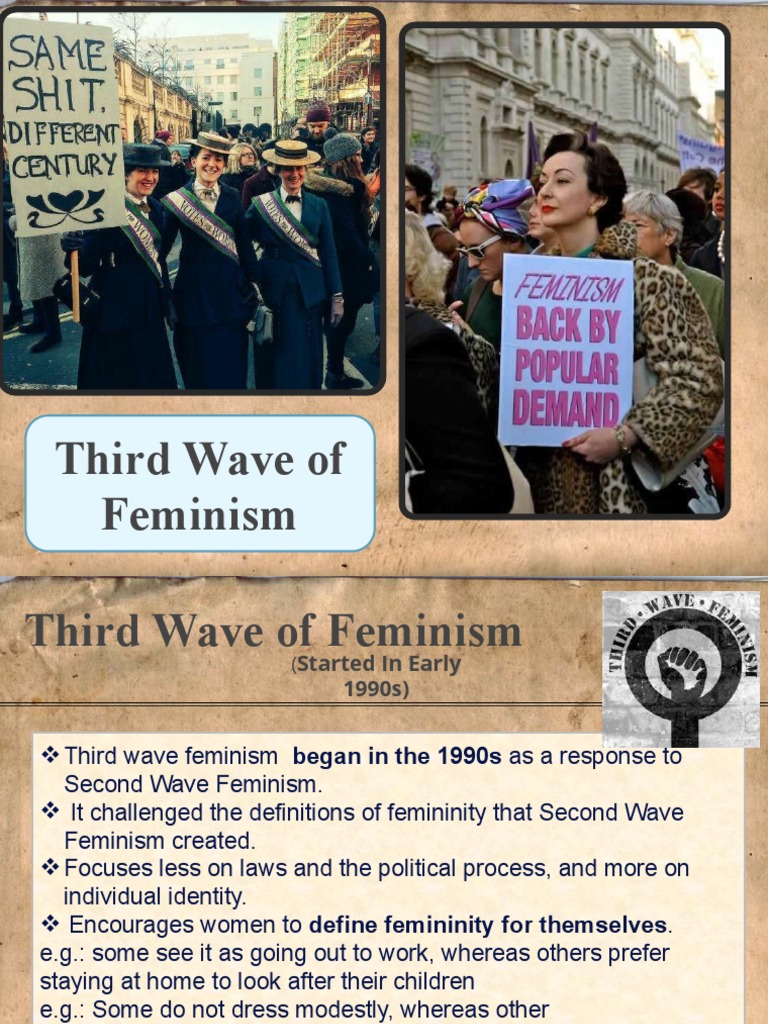
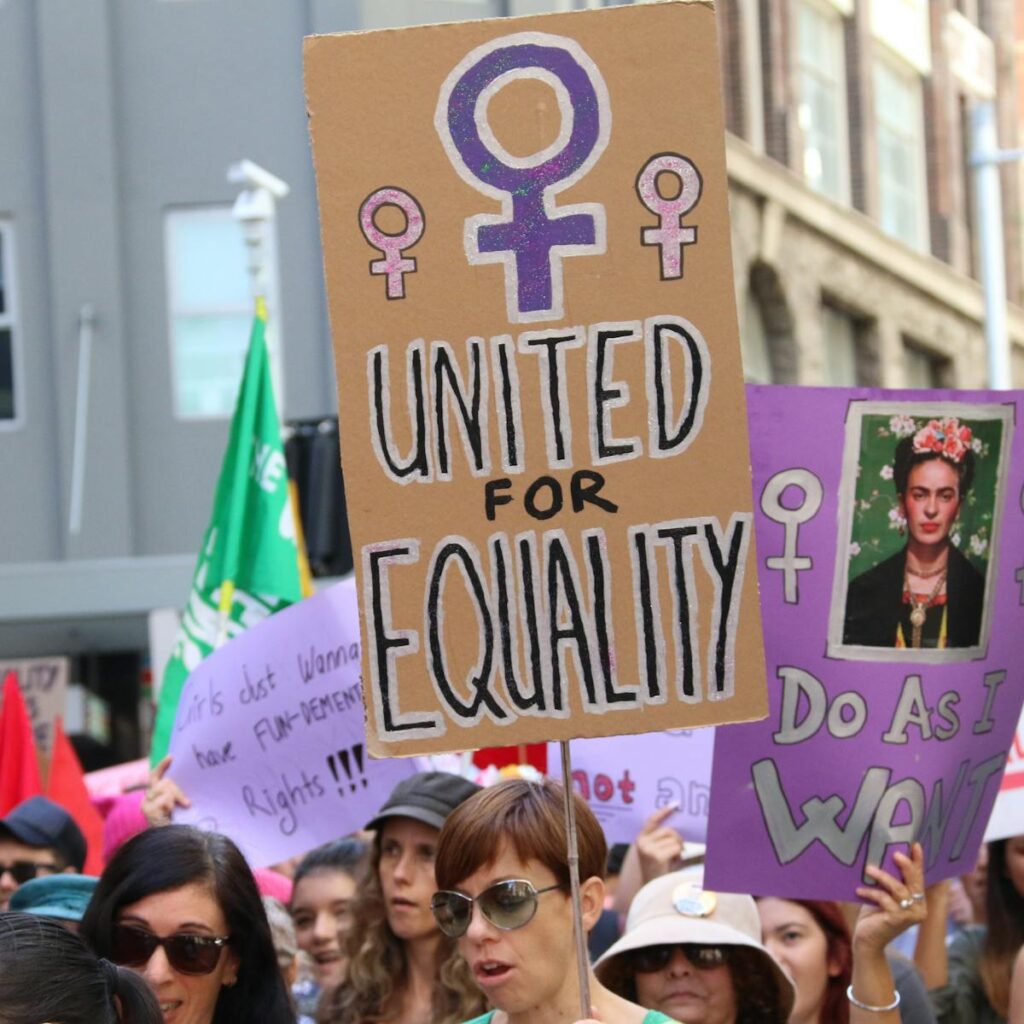
The journey through these different forms of feminism reveals a movement that is constantly evolving, adapting, and challenging itself. There is no single, monolithic feminism. Embrace the complexity, question the assumptions, and actively participate in shaping the future of this vital discourse. The future depends on it. The evolution is not complete. New voices, new perspectives, and new challenges will continue to shape the feminist landscape. A constant state of flux. It is a testament to its dynamism and its enduring relevance.








Leave a Comment