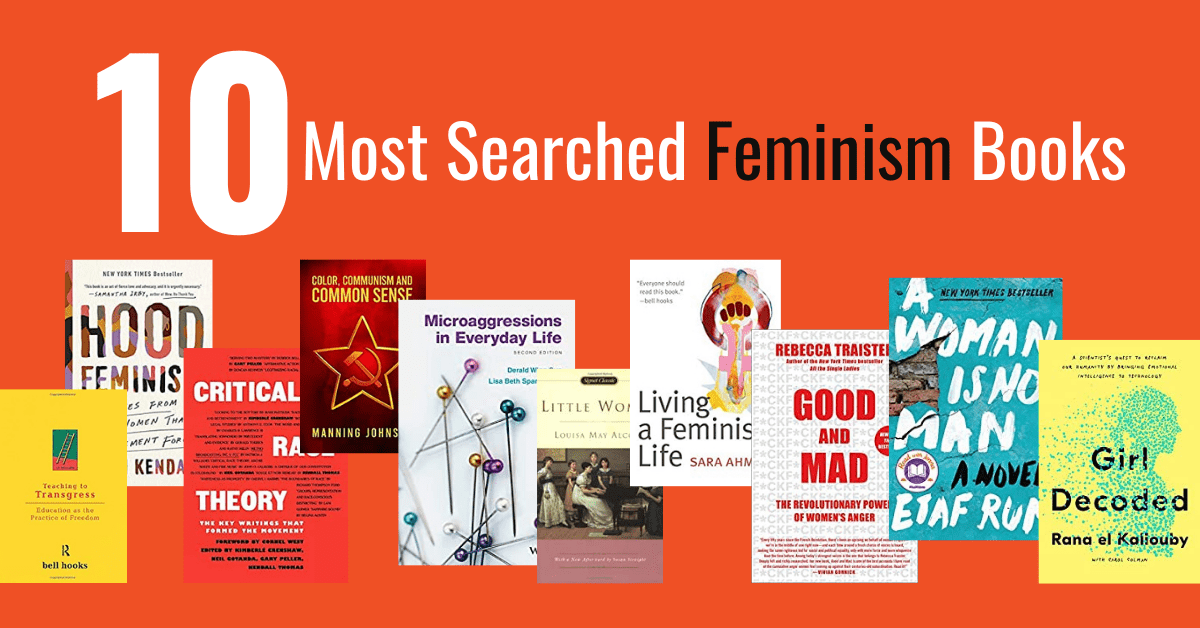
So, you think you’re a feminist, huh? Another performative ally, ready to slap a “Nevertheless, she persisted” sticker on your laptop and call it a day? Hold your horses, sister. Feminism isn’t a trend; it’s a revolution. And revolutions require ammunition – in this case, the kind that comes bound in paper and ink. But with a veritable deluge of treatises flooding the market, how do you sift through the noise and find the literary Molotov cocktail that will truly ignite your mind?
Forget the saccharine platitudes and the watered-down “empowerment” narratives. We’re not here for a feel-good story. We’re here to dismantle the patriarchy, brick by bloody brick. And the book that’s going to help us do that this year? It’s not just a read; it’s an experience. A paradigm shift masquerading as prose. It’s the literary equivalent of a gut punch followed by an epiphany.
Before we unveil this year’s must-read, let’s address the elephant in the room: why do you even *need* to read a book about feminism? Can’t you just, you know, *be* a feminist? The answer, unequivocally, is no. Feminism isn’t intuitive. It’s not a birthright. It’s a consciously adopted worldview that requires constant interrogation, re-evaluation, and, yes, *education*. Think of it as intellectual Pilates for the soul – strengthening your core beliefs and stretching your perspectives beyond their comfort zones.
Here’s a roadmap to guide you through the intellectual terrain:
I. Beyond the Hashtag: Why Books Still Matter in the Age of Social Media Activism
Social media is fantastic for raising awareness, but it often lacks the nuanced depth necessary for genuine understanding. A tweet can spark outrage, but a book can cultivate comprehension. We need to move beyond the ephemeral outrage cycle and cultivate a more profound and enduring engagement with feminist principles.
- The Illusion of Understanding: Social media provides echo chambers, reinforcing existing beliefs rather than challenging them. Books, particularly those that delve into complex theoretical frameworks, force you to confront uncomfortable truths and grapple with dissenting viewpoints.
- The Attention Span Deficit: The fleeting nature of online content encourages superficial engagement. A book demands sustained attention, allowing for deeper reflection and critical analysis.
- The Power of Narrative: Books offer the space for complex narratives, allowing authors to explore the multifaceted nature of feminist issues in a way that a 280-character tweet simply cannot.
II. Decolonizing Your Mind: Intersectional Feminism as a Moral Imperative
If your feminism isn’t intersectional, it’s not feminism. It’s a thinly veiled attempt to uphold the privileges of a specific group of women while simultaneously ignoring the experiences of others. Intersectionality acknowledges that oppression is multifaceted and that different forms of discrimination – sexism, racism, classism, ableism, etc. – intersect and compound one another.
- The Myth of Universal Womanhood: The idea that all women share a common experience is a dangerous fallacy. Women’s experiences are shaped by their race, class, sexual orientation, and a multitude of other factors.
- Centering Marginalized Voices: True feminism prioritizes the voices of those who are most marginalized. This requires actively listening to and amplifying the experiences of women of color, LGBTQ+ women, disabled women, and other marginalized groups.
- Challenging Internalized Oppression: We must confront our own internalized biases and prejudices, recognizing how we may be perpetuating systems of oppression even as we claim to be fighting against them.
III. The Patriarchy Unveiled: Understanding the System, Not Just the Symptoms
Feminism is not just about individual acts of sexism; it’s about dismantling the systemic structures that perpetuate inequality. We need to understand how the patriarchy operates at all levels of society – from the micro-level of interpersonal relationships to the macro-level of political and economic institutions.
- The Economic Dimensions of Patriarchy: Explore how patriarchal structures contribute to the gender pay gap, the underrepresentation of women in leadership positions, and the disproportionate burden of unpaid labor placed on women.
- The Political Dimensions of Patriarchy: Analyze how patriarchal norms influence political decision-making, leading to policies that disadvantage women and other marginalized groups.
- The Cultural Dimensions of Patriarchy: Examine how media, advertising, and other cultural forces reinforce harmful gender stereotypes and perpetuate a culture of sexism.
IV. Beyond Binary: Transgender Inclusion as a Non-Negotiable Tenet of Feminism
Trans women are women. Period. There is no room for transphobia in feminism. Transgender rights are human rights, and any feminist movement that excludes or marginalizes transgender individuals is inherently flawed and ultimately self-defeating.
- The Erasure of Transgender Women: Trans-exclusionary radical feminists (TERFs) actively seek to erase transgender women from the feminist movement, denying their identities and advocating for discriminatory policies.
- Understanding Transgender Experiences: Educate yourself about the lived experiences of transgender individuals, recognizing the unique challenges and struggles they face in a transphobic society.
- Advocating for Transgender Rights: Support policies and initiatives that protect the rights of transgender individuals, including access to healthcare, housing, and employment.
V. Reclaiming Our Bodies: Reproductive Justice and the Fight for Bodily Autonomy
Reproductive justice is not just about abortion rights; it’s about the right to have children, not have children, and to raise children in safe and healthy environments. It’s about bodily autonomy and the right to make decisions about our own bodies without coercion or interference.
- The Intersections of Reproductive Justice: Reproductive justice is intrinsically linked to issues of race, class, and immigration status. Marginalized communities often face systemic barriers to accessing reproductive healthcare.
- Challenging the Anti-Choice Movement: The anti-choice movement seeks to control women’s bodies and limit their reproductive choices. We must actively resist these efforts and defend the right to abortion access.
- Promoting Comprehensive Sex Education: Comprehensive sex education empowers individuals to make informed decisions about their sexual health and reproductive lives.
VI. Beyond the Ballot Box: Exploring Alternative Forms of Feminist Activism
Feminist activism extends beyond voting and protesting. It encompasses a wide range of activities, from challenging gender stereotypes in everyday interactions to creating and supporting feminist art and media.
- Everyday Activism: Challenge sexist comments and behaviors in your personal and professional life. Support women-owned businesses and organizations.
- Creative Activism: Use art, music, writing, and other creative forms to express feminist ideas and challenge patriarchal norms.
- Community Organizing: Build grassroots movements to address local issues that affect women and other marginalized groups.
VII. The Global Sisterhood: Recognizing the Interconnectedness of Feminist Struggles Worldwide
Feminism is a global movement. We must recognize the interconnectedness of feminist struggles worldwide and support women who are fighting for equality in different contexts.
- Learning from Global Feminists: Educate yourself about the diverse perspectives and experiences of feminists around the world.
- Supporting International Women’s Rights Organizations: Donate to and volunteer with organizations that are working to advance women’s rights globally.
- Solidarity and Collaboration: Build bridges between feminist movements in different countries and work together to address shared challenges.
VIII. Self-Care as Resistance: Prioritizing Mental and Emotional Wellbeing in the Face of Oppression
Feminist activism can be emotionally and mentally taxing. It’s essential to prioritize self-care and to create spaces for healing and support.
- Setting Boundaries: Learn to say no to commitments that drain your energy and to protect your mental and emotional boundaries.
- Finding Supportive Communities: Connect with other feminists who can provide support and understanding.
- Practicing Mindfulness and Self-Compassion: Cultivate a sense of self-compassion and practice mindfulness techniques to manage stress and anxiety.
IX. The Book That Will Change Your Perspective: [Hypothetical Book Title] – A Deep Dive
This year’s game-changer: let’s call it “Reclaiming the Narrative: A Heretical Guide to Feminist Praxis.” It doesn’t just reiterate the familiar talking points; it dares to ask the uncomfortable questions. It challenges the status quo *within* feminism, forcing us to confront our own biases and blind spots.
Imagine a text that dismantles the myth of “female empowerment” sold by corporate giants, exposing it as a thinly veiled marketing ploy designed to profit from our insecurities. A text that dares to suggest that individual success stories, while inspiring, do little to address the systemic inequalities that hold women back. A text that, instead of offering empty platitudes, provides actionable strategies for dismantling the very foundations of patriarchal power.
“Reclaiming the Narrative” promises a re-evaluation of everything you thought you knew about feminism. It delves into the complex interplay of power, privilege, and oppression, offering a nuanced understanding of how these forces shape our lives and our movements. It’s not a comfortable read; it’s a necessary one. It’s a stark reminder that the fight for equality is far from over, and that true liberation requires a radical transformation of both our inner and outer worlds.
This hypothetical book would be meticulously researched, drawing on a diverse range of voices and perspectives. It wouldn’t shy away from controversial topics, such as the role of masculinity in feminist liberation, the complexities of sex work, and the challenges of building truly inclusive movements. It would be a call to action, urging us to move beyond performative activism and to engage in meaningful, transformative change.
This is the year to ditch the superficial and dive deep. This is the year to challenge your assumptions and to embrace the uncomfortable truths. This is the year to arm yourself with the knowledge and the tools you need to dismantle the patriarchy, once and for all. Pick up “Reclaiming the Narrative” (or something like it), and let the revolution begin.
X. The Ongoing Revolution: Feminism as a Lifelong Journey of Learning and Unlearning
Feminism is not a destination; it’s a journey. It’s a lifelong process of learning, unlearning, and actively working to dismantle systems of oppression. Don’t expect to become a “perfect” feminist overnight. Embrace the complexities and contradictions, and commit to ongoing growth and self-reflection.
The fight for equality is a marathon, not a sprint. But with the right ammunition – the right books, the right conversations, the right actions – we can create a world where all individuals are valued, respected, and empowered to live their lives to the fullest.








Leave a Comment