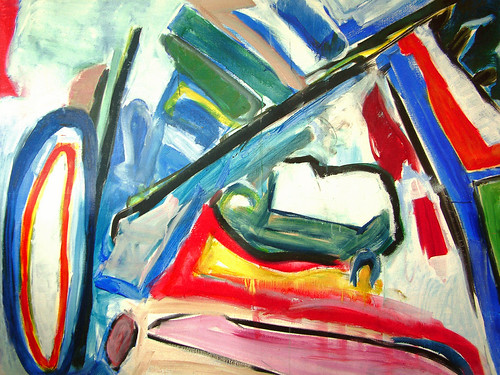
Honey, buckle up. We’re diving headfirst into a vortex of pigment, protest, and pixels. This isn’t your grandmother’s embroidery circle, unless your grandmother was a radical, thread-wielding subversive. We’re talking about the explosive, evolving landscape of feminist art. Forget polite watercolors; we’re wielding brushes, cameras, and code to dismantle the patriarchy, one masterpiece (or meme) at a time. Get ready to question everything you thought you knew about aesthetics and activism.
The Suffragette Palette: Painting a Revolution
Before hashtags and viral videos, there were posters. Bold. Unapologetic. Often rendered in colors that screamed defiance against the sepia-toned complacency of the establishment. Forget delicate floral arrangements; these were battle cries etched onto paper. The imagery was stark. Women, often idealized but always resolute, demanding enfranchisement. Consider the forceful visual rhetoric: clenched fists, symbolic sunrises, and the recurring motif of the broken chain. That chain, my dears, wasn’t just decoration; it was a visceral representation of the societal shackles we were fighting to shatter. These weren’t mere advertisements; they were acts of visual terrorism against the status quo. Each brushstroke was a brick hurled at the wall of male dominance.
But let’s not romanticize. The suffrage movement, even in its artistic expressions, wasn’t without its problems. It was largely white, middle-class, and often excluded the voices of women of color. This historical myopia needs to be acknowledged, dissected, and learned from as we continue to build a more inclusive and intersectional feminist movement. The fight for visibility is constant.
Beyond the Canvas: Performance as Protest
Painting wasn’t the only weapon. Imagine the audacity of women taking their bodies – bodies perpetually scrutinized and objectified – and using them as canvases of protest. Performance art became a potent tool. Think of the “happenings” of the 1960s and 70s, where women artists challenged the male gaze by reclaiming their physicality. Defiance of expectations became an art form.
Consider Carolee Schneemann’s “Interior Scroll,” a piece so confronting, so raw, it still sends shivers down the spines of art critics. Imagine: A woman slowly extracting a scroll from her vagina and reading aloud the derogatory comments she received from male critics. It’s a primal scream against the silencing of female voices. It’s visceral. It’s unforgettable. It’s a potent reminder that the personal is always political, and that our bodies are battlegrounds in the fight for liberation.
Guerrilla Girls: Masked Crusaders of the Art World
Enter the Guerrilla Girls. Anonymous, audacious, and armed with wit sharper than any scalpel. Donning gorilla masks, these feminist artivists (artist-activists) exposed the rampant sexism and racism in the art world with data-driven posters and provocative billboards. Their tactics were brilliant. Their targets, powerful. Their message, undeniable: The art world was a boys’ club, and it was time to crash the party.
Their posters, often plastered illegally throughout major cities, used humor and shocking statistics to expose the underrepresentation of women artists in museums and galleries. “Do women have to be naked to get into the Met. Museum?” one iconic poster asked, juxtaposing a nude odalisque with the stark reality of female artists’ invisibility. The Guerrilla Girls weren’t just creating art; they were creating a dialogue. A necessary, uncomfortable dialogue that forced the art establishment to confront its own biases.
Cyberfeminism: Coding a New Reality
Fast forward to the digital age. The internet, once hailed as a utopian space of equality, quickly revealed its own patriarchal biases. But where some saw obstacles, cyberfeminists saw opportunities. They seized the tools of technology – code, algorithms, virtual reality – to create a new space for female voices. Imagine: Women hacking the system, rewriting the rules, and building a digital world where female perspectives are not only valued but amplified.
Cyberfeminism isn’t just about putting art online; it’s about using technology to deconstruct the very structures of power that perpetuate inequality. It’s about creating alternative platforms for communication, collaboration, and resistance. It’s about challenging the male-dominated tech industry and creating more inclusive and equitable digital spaces. This is a call to arms for digital denizens.
Meme Warfare: Weaponizing Humor
Memes. Those bite-sized bursts of internet culture. But don’t underestimate their power. In the hands of feminist activists, memes become potent weapons of satire, subversion, and social commentary. They spread like wildfire, reaching audiences far beyond the traditional art world. They can distill complex ideas into easily digestible formats, making them accessible to a wider audience. Forget scholarly treatises; we’re engaging in meme warfare.
A well-crafted meme can dismantle a patriarchal trope in seconds. It can expose the absurdity of gender stereotypes. It can spark conversations about important issues. Memes are the protest signs of the digital age, and they’re proving to be remarkably effective in shaping public discourse. They are how we reach people on their level, quickly.
Instagram Activism: Curating a Revolution
Instagram, the platform of perfectly curated selfies and aspirational lifestyles, has also become a powerful tool for feminist activism. Artists and activists use the platform to share their work, connect with audiences, and build communities. It’s a visual feast of feminist rage, resilience, and resistance. Imagine the ability to broadcast the resistance from one’s phone.
From body positivity to challenging gender norms, Instagram provides a space for marginalized voices to be heard and seen. It allows artists to bypass the gatekeepers of the traditional art world and connect directly with their audiences. It’s a democratizing force that is reshaping the landscape of art and activism. Forget waiting for permission; we’re creating our own platforms.
The Future is Feminist: An Unfinished Canvas
The journey of feminist art is far from over. The canvas remains unfinished. The revolution continues. As we move forward, it’s crucial to remember the lessons of the past, acknowledge the challenges of the present, and embrace the possibilities of the future. We must continue to amplify the voices of marginalized women, challenge the structures of power, and create art that is both beautiful and politically potent. This is an evolving dialogue that never ceases.
We need to move beyond the narrow definition of “feminist art” and embrace a more inclusive and intersectional approach. We need to recognize that feminism is not a monolith, and that there are many different ways to express feminist ideas through art. We need to create spaces where all women feel empowered to share their stories and perspectives. We need to question, challenge, and disrupt the status quo at every turn.
The art of feminism is not just about creating pretty pictures; it’s about creating a better world. It’s about using our creativity to dismantle the patriarchy and build a more just and equitable society for all. So, grab your brushes, your cameras, your keyboards, and let’s get to work. The revolution awaits, and it will be beautifully, defiantly, and unapologetically feminist. The time for complacence is over. The future will be one we create, together.










Leave a Comment