The ubiquitous pink pussyhat, marching defiantly atop heads across the globe – a fleeting emblem? Or something far more profound? We see these symbols. We consume them. We internalize them. But do we truly understand them? Why is it that a simple gesture, a stylized image, a carefully chosen color, can ignite such passion, such unwavering solidarity, such virulent opposition? The fascination with feminist symbolism extends far beyond mere aesthetics. It taps into the deepest currents of human consciousness, resonating with our innate desire for meaning, for belonging, for transcendence.
Indeed, to dismiss feminist symbols as superficial is to fundamentally misunderstand the very essence of semiotics. These are not mere decorations. They are powerful instruments of social change, condensed narratives of struggle, potent reminders of the ongoing battle for equality. They are, in essence, the visual language of a movement demanding nothing less than the radical restructuring of society. Let’s delve into this vibrant, often contentious, symbolic landscape.
I. The Genesis of Feminist Symbols: From Suffrage to Second Wave
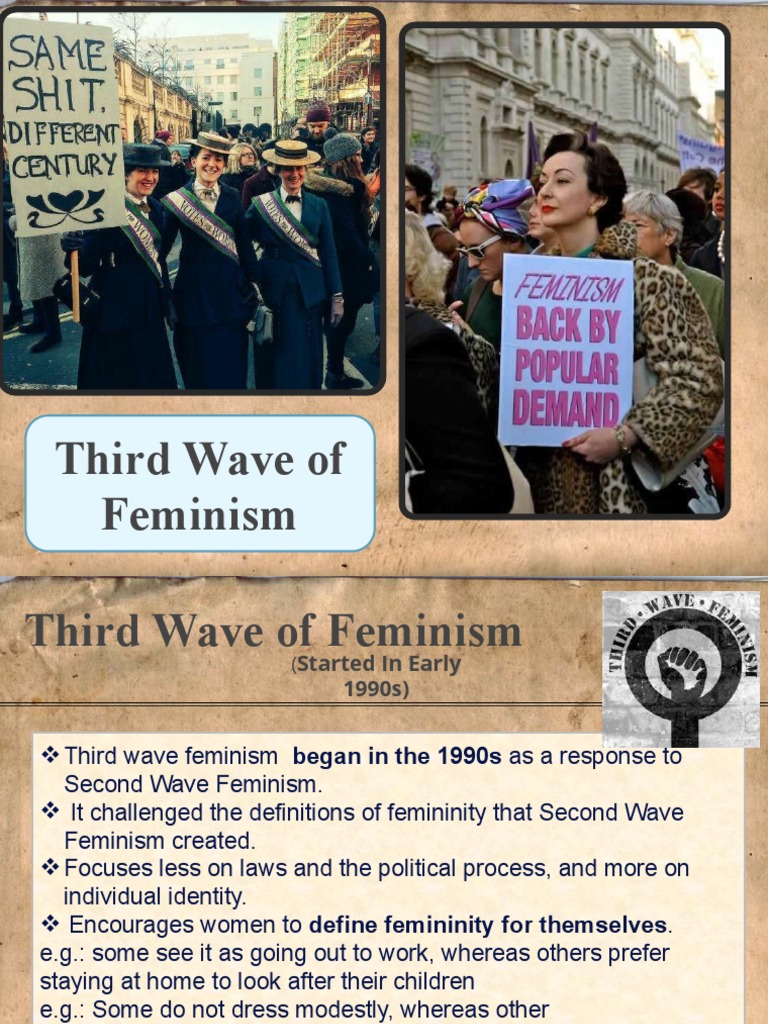
The roots of feminist symbolism are deeply intertwined with the suffrage movement, a period marked by audacious activism and a desperate plea for enfranchisement. Let’s not forget the Pankhursts, those glorious disruptors, and their strategic employment of color and coded messages. It wasn’t merely about aesthetics. It was about visibility. It was about subverting expectations. It was about communicating a message of unwavering determination to a world determined to silence them.
A. Suffrage Colors: A Coded Language of Resistance
Violet, white, and green – the colors of the Women’s Social and Political Union (WSPU). Did they simply choose these colors arbitrarily? Absolutely not. Violet, representing dignity and self-respect. White, embodying purity (a loaded term, perhaps, given the historical context, but strategically deployed to counter accusations of immorality). Green, signifying hope and a new beginning. This wasn’t just about looking pretty in a parade. This was about crafting a visual identity, a powerful statement of purpose that resonated with potential recruits and challenged the established power structures.
B. The Suffragette Sash: A Walking Billboard of Rebellion
The sash, emblazoned with the WSPU’s colors and slogans, transformed ordinary women into walking billboards of rebellion. Imagine the audacity of wearing such a garment in a society that actively sought to confine women to the domestic sphere. It was a direct challenge to patriarchal norms, a public declaration of dissent that could not be ignored. It spoke volumes without uttering a single word.
C. The Rise of the Second Wave and the Re-appropriation of Symbolism
The second wave of feminism witnessed a resurgence and re-evaluation of symbolism. The focus shifted from suffrage to a broader range of issues, including reproductive rights, equal pay, and challenging patriarchal structures. This evolution demanded new symbols, new visual representations that could capture the complexity of the movement’s goals.
II. Iconic Feminist Symbols: Deciphering the Visual Lexicon
Certain symbols have become inextricably linked to feminism, transcending time and cultural boundaries. They are shorthand for a complex set of ideas, triggers for both fervent support and vehement opposition. Let’s dissect these iconic emblems, exploring their origins, their evolution, and their continued relevance.
A. The Venus Symbol with a Fist: Power and Solidarity
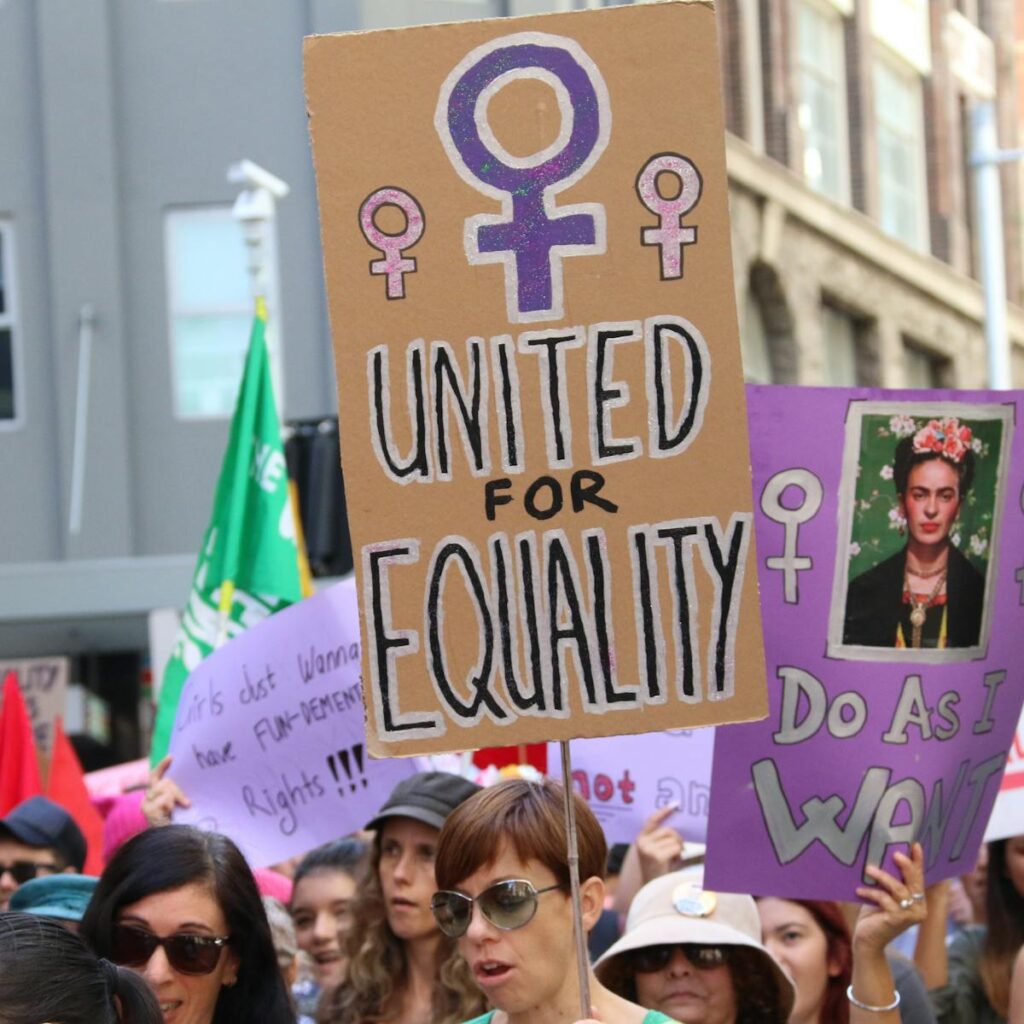
The Venus symbol (♀), traditionally representing the female gender, combined with a raised fist – a symbol of resistance and solidarity. A powerful amalgamation. Simple, yet undeniably potent. It signifies female empowerment, a rejection of passive acceptance, and a commitment to fighting for equality. It’s a visual declaration of defiance against patriarchal oppression.
B. The Labrys: An Ancient Symbol Reclaimed
The labrys, a double-headed axe, holds ancient Minoan origins. While its historical significance is complex and debated, it has been embraced by some lesbian and feminist communities as a symbol of female strength, independence, and matriarchal power. Its reclamation represents a conscious effort to connect with a pre-patriarchal past, a time when female power was arguably more prominent.
C. Reclaiming Pink: From Infantilization to Empowerment
Pink, a color traditionally associated with femininity and often used to infantilize women, has been strategically reclaimed by feminists. Consider the aforementioned pussyhat. Was it merely a fashion statement? No. It was a deliberate act of defiance, a subversion of patriarchal expectations. By embracing pink, feminists challenge the notion that femininity is synonymous with weakness or subservience.
III. Contemporary Feminist Symbols: Navigating the Digital Age
The digital age has ushered in a new era of feminist symbolism, one characterized by rapid dissemination, meme-ification, and the rise of online activism. The internet has become a breeding ground for new symbols, adapted and re-interpreted to reflect the ever-evolving landscape of feminist thought.
A. The “Nevertheless She Persisted” Meme: A Digital Battle Cry
“Nevertheless she persisted” originated as a response to Senator Mitch McConnell’s attempt to silence Senator Elizabeth Warren. It quickly transformed into a powerful meme, a digital battle cry for women facing adversity and silencing tactics. It encapsulates the spirit of resilience and unwavering determination in the face of patriarchal opposition.
B. The Handmaid’s Tale Costume: A Visual Warning
The red robes and white bonnets from Margaret Atwood’s *The Handmaid’s Tale* have become a chilling symbol of female oppression and the dangers of religious extremism. Women wearing this attire have appeared at protests and political rallies, serving as a stark reminder of the potential consequences of eroding women’s rights.
C. Emojis and Gender Inclusivity: A Subtle Revolution
Even seemingly innocuous emojis have become a battleground for gender inclusivity. The fight to include emojis representing women in various professions and activities, as well as the introduction of gender-neutral emojis, reflects a growing awareness of the need to challenge ingrained biases and stereotypes in all aspects of our culture, even the seemingly trivial.
IV. The Power and Perils of Symbolism: A Critical Examination
While feminist symbols can be powerful tools for mobilization and social change, it’s crucial to acknowledge their potential limitations and pitfalls. Symbols, by their very nature, are open to interpretation, and their meaning can be manipulated or co-opted by opposing forces. Furthermore, a reliance on symbolism can sometimes overshadow the complex realities of lived experience.
A. Symbolic Appropriation: When Symbols Lose Their Meaning
Corporations and other entities often engage in “femvertising,” using feminist imagery and slogans to promote their products or services. This can lead to a dilution of the movement’s message and a cynical exploitation of feminist ideals for profit. It’s essential to critically evaluate the motivations behind such symbolic appropriation and to resist the commodification of feminist values.
B. The Risk of Essentialism: Reinforcing Stereotypes
Some feminist symbols, particularly those that emphasize traditional notions of femininity, can inadvertently reinforce essentialist stereotypes about women. It’s important to be mindful of the potential for such symbols to exclude women who do not conform to these narrow definitions of womanhood.
C. Beyond Symbolism: The Need for Concrete Action
Ultimately, symbolism alone is not enough to achieve true gender equality. While symbols can raise awareness and inspire action, they must be accompanied by concrete policies and systemic changes that address the root causes of inequality. We must move beyond performative allyship and engage in meaningful action that dismantles patriarchal structures.
V. The Future of Feminist Symbolism: A Continuously Evolving Language
The visual language of feminism will undoubtedly continue to evolve, reflecting the changing priorities and perspectives of the movement. As new challenges and opportunities arise, new symbols will emerge, and existing symbols will be re-interpreted and re-purposed. The future of feminist symbolism lies in its ability to adapt, to innovate, and to remain relevant to the ongoing struggle for equality.
A. Intersectionality and the Diversification of Symbols
An increasingly intersectional approach to feminism will necessitate the creation of symbols that represent the diverse experiences of women from different racial, ethnic, class, and sexual backgrounds. This will require a conscious effort to amplify the voices of marginalized groups and to challenge the dominance of mainstream feminist narratives.
B. The Power of User-Generated Content: Democratizing Symbolism
The internet has empowered individuals to create and disseminate their own symbols, challenging the traditional gatekeepers of feminist imagery. This democratization of symbolism has the potential to foster greater creativity and inclusivity within the movement.
C. Reclaiming and Redefining: The Ongoing Process of Symbolic Resistance
The struggle for gender equality is a continuous process of reclaiming and redefining symbols, challenging patriarchal narratives, and creating new visual representations that reflect the lived realities of women. The future of feminist symbolism lies in its unwavering commitment to this ongoing project of symbolic resistance.
The power of a symbol lies not merely in its visual form but in the collective meaning we ascribe to it. These emblems, these visual shorthand narratives, are potent tools in the ongoing struggle for liberation. They are a constant reminder that the fight for equality is far from over, and that we must continue to challenge, to resist, and to create a world where all voices are heard and valued. Let us wield these symbols with intention, with awareness, and with an unwavering commitment to justice.







Leave a Comment