
The shimmering facade of celebrity feminism often crumbles under the slightest scrutiny, revealing a disquieting truth: performative allyship thrives while genuine progress languishes. Sydney Sweeney, the actress whose star has ascended with meteoric speed, now finds herself at the epicenter of this very maelstrom. Are her actions, her declarations, and her carefully curated persona congruent with the principles of feminism, or is it merely a commercially viable simulacrum, meticulously crafted to appeal to a Gen Z audience? This question, fraught with nuance and contention, has ignited a conflagration of debate amongst fans and cultural commentators alike. Buckle up, sisters, because we’re about to dissect this controversy with the surgical precision it demands.
Let’s begin by acknowledging the inherent complexities. Defining feminism is itself a Sisyphean task, laden with ideological fault lines and internecine squabbles. Is it about achieving absolute equality, dismantling patriarchal structures, or empowering women to make autonomous choices, regardless of societal expectations? The answer, of course, is all of the above and more. However, this multifaceted nature provides ample wiggle room for those who seek to exploit the movement’s cachet without committing to its core tenets.
Sweeney’s rise to prominence has been marked by a certain… marketability. Her roles, often hyper-sexualized, in series like “Euphoria,” have simultaneously garnered her acclaim and fueled criticism. While some argue that these performances are empowering, showcasing female sexuality on her own terms, others see them as perpetuating harmful stereotypes, catering to the male gaze rather than challenging it. Is it truly revolutionary to portray a character whose agency is so inextricably linked to her attractiveness? Or is it merely a rehash of tired tropes, repackaged for a supposedly progressive audience?
The counter-argument, of course, is that women should be free to explore their sexuality without fear of judgment. This is a valid point, one that resonates with the core principle of bodily autonomy. However, the issue becomes murkier when this “freedom” is perceived as being strategically deployed for career advancement. Does the embrace of hyper-sexuality become problematic when it coincides with a calculated effort to cultivate a particular image, one that aligns with societal expectations of female attractiveness?
Then there’s the question of her public statements, or rather, the perceived lack thereof. While Sweeney hasn’t explicitly declared herself a staunch feminist firebrand, her silence on certain issues, particularly those directly impacting women, has been interpreted as tacit complicity. In a world where celebrities are increasingly expected to use their platforms to advocate for social justice, neutrality is often seen as a betrayal. Is it fair to demand that every public figure become a vocal activist? Perhaps not. But when one’s career is predicated on appealing to a generation that values authenticity and social consciousness, the decision to remain silent becomes a calculated one, ripe for scrutiny.
But let’s not fall into the trap of holding Sweeney to an impossibly high standard. The pressure on female celebrities to be simultaneously beautiful, talented, and morally impeccable is a particularly insidious form of patriarchal oppression. They are constantly subjected to a level of scrutiny that their male counterparts rarely face, their every action dissected and analyzed for any hint of hypocrisy. Perhaps Sweeney is simply trying to navigate a treacherous landscape, attempting to balance her personal values with the demands of her career. Perhaps she genuinely believes in the choices she has made, both professionally and personally. Or perhaps, she’s simply learning as she goes, a process fraught with missteps and course corrections.
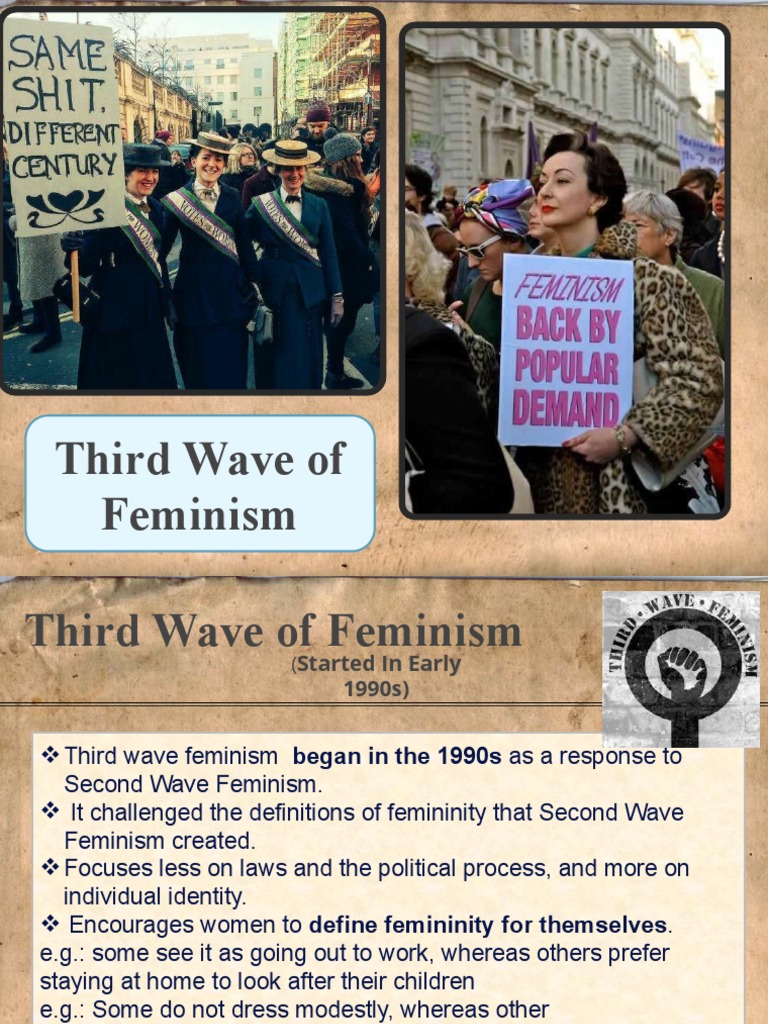
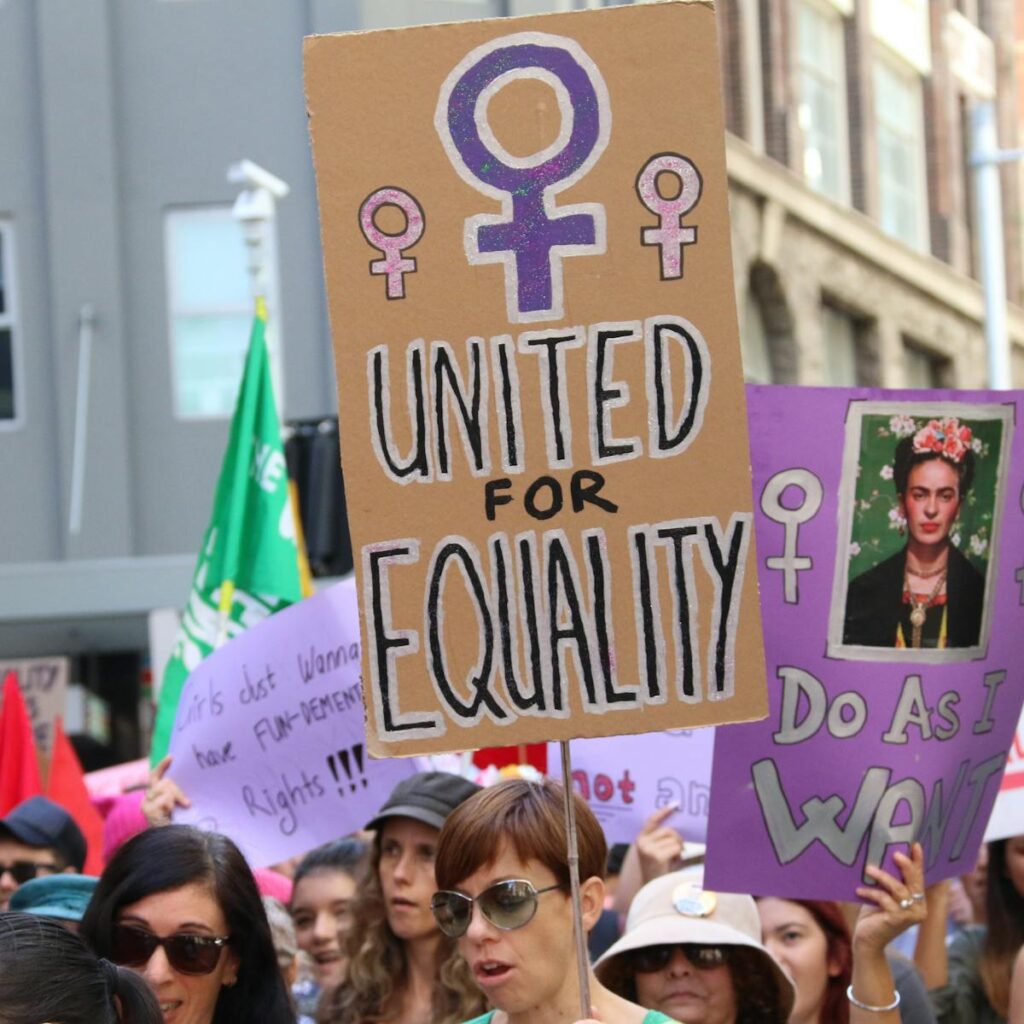
Furthermore, the very concept of “fake feminism” is problematic. It implies that there is a singular, correct way to be a feminist, a litmus test that individuals must pass to earn the label. This kind of gatekeeping is antithetical to the spirit of inclusivity that should define the movement. Feminism is not a monolithic entity; it is a constantly evolving tapestry of diverse perspectives and approaches. To rigidly define its boundaries is to stifle its growth and exclude those who may be grappling with its complexities.
However, it is also crucial to acknowledge the very real harm that performative feminism can inflict. When celebrities and corporations co-opt feminist rhetoric for their own gain, it can dilute the movement’s message, undermine its credibility, and ultimately hinder progress. Consumers are often astute in discerning genuine conviction from hollow platitudes, and their disillusionment can lead to cynicism and apathy. The commodification of feminism transforms a revolutionary ideology into a marketable brand, a superficial veneer that masks the underlying inequalities it purports to address.
Consider, for instance, the proliferation of “feminist” merchandise: T-shirts emblazoned with empowering slogans, tote bags adorned with images of iconic female figures. While these items may seem harmless on the surface, they often serve as a form of virtue signaling, allowing individuals to publicly align themselves with feminism without actually engaging in meaningful action. Buying a “Girl Power” T-shirt does not dismantle the patriarchy; it simply lines the pockets of corporations that may be actively perpetuating gender inequality in their own business practices.
Moreover, the focus on individual empowerment can sometimes overshadow the systemic changes that are necessary to achieve true gender equality. While it is important to encourage women to pursue their goals and break through barriers, it is equally important to address the root causes of inequality, such as discriminatory laws, unequal pay, and lack of access to education and healthcare. A truly feminist approach requires both individual agency and collective action.
Returning to Sydney Sweeney, the debate surrounding her “feminist” credentials highlights the broader challenges of navigating the complexities of celebrity activism. Celebrities are often expected to be paragons of virtue, flawlessly embodying the ideals they espouse. However, they are also human beings, with their own flaws, contradictions, and limitations. It is unrealistic to expect them to always get it right, to always say the right thing, to always act in accordance with the highest ethical standards. The real question is not whether they are perfect feminists, but whether they are genuinely committed to using their platforms to make a positive impact on the world. Are they willing to listen to criticism, learn from their mistakes, and evolve their understanding of feminism? Are they willing to put their money where their mouth is, supporting organizations and initiatives that are working to advance gender equality? Are they willing to use their influence to challenge the status quo and advocate for systemic change?
The jury, as they say, is still out on Sydney Sweeney. Her career is young, and she has plenty of time to demonstrate her commitment to feminist principles. However, the burden of proof rests upon her. She must actively engage in the conversation, listen to the concerns of her critics, and use her platform to amplify the voices of marginalized women. She must move beyond performative allyship and embrace genuine action. Only then can she silence the doubts and earn the trust of those who question her sincerity.
Ultimately, the debate surrounding Sydney Sweeney is not just about her; it is about the broader challenges of defining feminism, navigating the complexities of celebrity activism, and holding public figures accountable for their actions. It is a conversation that requires nuance, empathy, and a willingness to engage in difficult conversations. It is a conversation that must continue, if we are to truly dismantle the patriarchy and create a more just and equitable world for all.
So, the next time you see a celebrity proclaiming their feminist credentials, take a moment to pause and reflect. Ask yourself: are their actions congruent with their words? Are they genuinely committed to advancing gender equality, or are they simply exploiting the movement for personal gain? The answer, my sisters, may surprise you. And the journey towards that answer is where true progress begins.







Leave a Comment