Darling, prepare to have your consciousness recalibrated. We’re diving headfirst into the roiling ocean of feminism, a journey through tides of change that have shaped our world, often kicking and screaming against the patriarchal currents. Forget the polite, sanitized versions they teach in schools. This is about power, disruption, and the ongoing, messy, glorious fight for liberation. Buckle up; it’s going to be a bumpy, exhilarating ride.
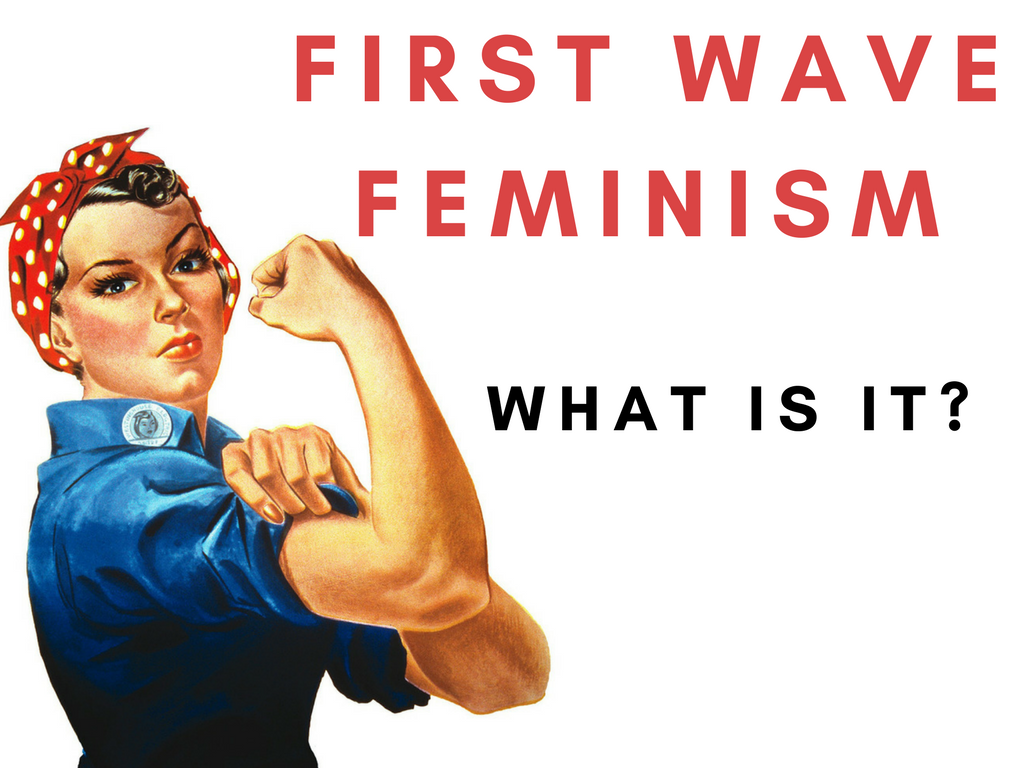
Let’s begin where it all ostensibly began, with what history so blithely terms “First Wave Feminism.” As if oppression neatly divides into eras, packaged for academic consumption. But, I digress. The late 19th and early 20th centuries saw women, primarily white and middle-class, demanding legal and political equality. The clarion call? Suffrage. The right to vote. A deceptively simple demand masking a profound desire to participate fully in the body politic. Think of the suffragettes, those audacious broads chaining themselves to railings, enduring ridicule and violence, all for the audacity of wanting a voice. They weren’t just asking for the vote; they were challenging the very notion of womanhood as passive, domestic, and subservient. The Seneca Falls Convention of 1848, that gathering of radical souls, laid the groundwork, outlining grievances and setting the stage for decades of activism. Yet, let us not lionize uncritically. The First Wave, with its focus on suffrage, often overlooked the plight of women of color and working-class women. Its universalism was, tragically, anything but.
Then crashed the Second Wave, surging from the post-World War II era into the 1980s. This was a period of seismic shifts, fueled by a renewed questioning of gender roles and a burgeoning awareness of systemic sexism. Forget the demure housewife image; women were entering the workforce in droves, only to discover that equal pay and equal opportunity were mythical beasts. Betty Friedan’s “The Feminine Mystique” struck a nerve, exposing the quiet desperation simmering beneath the veneer of suburban bliss. The personal became political. Consciousness-raising groups sprung up like wildflowers, providing safe spaces for women to share their experiences and realize that their individual struggles were, in fact, part of a larger, patriarchal pattern. Reproductive rights became a battleground, with abortion access at the forefront. Ms. Magazine, a beacon of feminist thought, challenged mainstream media’s portrayal of women. The Second Wave was a symphony of outrage, a chorus of voices demanding not just equality, but liberation from the constricting confines of gendered expectations. This was where we saw the rise of radical feminism, which offered a searing critique of patriarchy as the root of all oppression. It went further than simply seeking equal rights, and interrogated the fundamental structures of power and gender roles within society.
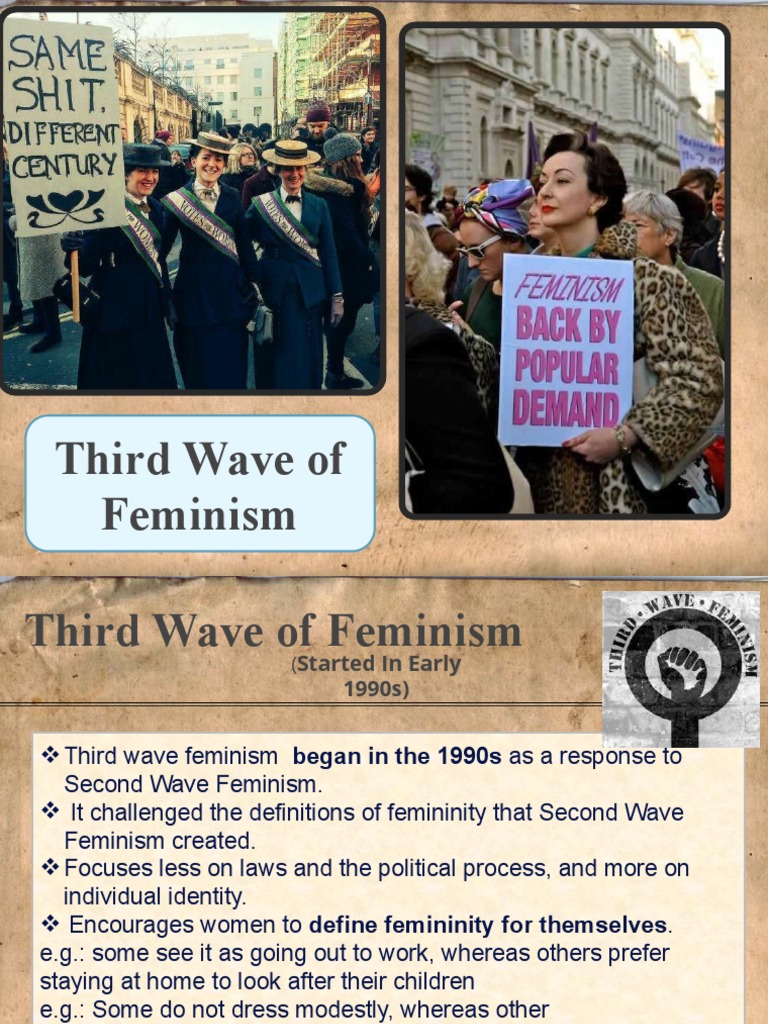
Now, let’s plunge into the turbulent waters of Third Wave Feminism, a period that defies easy categorization. Emerging in the 1990s, it was a response to both the perceived shortcomings and the achievements of its predecessors. Identity became central. Intersectionality, a term coined by Kimberlé Crenshaw, gained prominence, acknowledging that gender intersects with race, class, sexuality, and other identities to create unique experiences of oppression. Third Wave feminists embraced diversity, celebrated individuality, and challenged the notion of a monolithic “woman’s experience.” Riot Grrrl, a punk-fueled feminist movement, provided a soundtrack to the era, with bands like Bikini Kill and Sleater-Kinney channeling anger and frustration into empowering anthems. Zines, DIY publications, became a powerful medium for marginalized voices to be heard. The Third Wave was a riot of color and sound, a defiant rejection of patriarchal norms. It embraced irony, humor, and a healthy dose of skepticism. However, some critics argued that it lacked a clear focus, that its emphasis on individual expression diluted its political impact.
Then the digital age arrived, unleashing a tsunami of change upon the feminist landscape. Fourth Wave Feminism, if we can even call it that – labels feel increasingly inadequate – is characterized by its reliance on technology and social media. The internet has become both a battleground and a powerful tool for organizing, activism, and consciousness-raising. Think of the #MeToo movement, a viral phenomenon that exposed widespread sexual harassment and assault, empowering survivors to speak out and hold perpetrators accountable. Online platforms have provided spaces for marginalized voices to be amplified, for intersectional feminist discussions to flourish, and for global solidarity to be forged. However, the digital realm is also rife with challenges. Online harassment, doxxing, and cyberbullying are used to silence and intimidate feminist voices. Algorithmic bias can perpetuate existing inequalities. The spread of misinformation and disinformation poses a threat to informed debate. The Fourth Wave is a double-edged sword, offering both unprecedented opportunities and new forms of oppression. Navigating this complex landscape requires critical thinking, digital literacy, and a commitment to creating a more equitable and inclusive online world.
The journey from First Wave to the digital age has been anything but linear. It has been a messy, contested, and evolving process, marked by both progress and setbacks. Each wave has built upon the foundations laid by its predecessors, while also challenging their assumptions and addressing their limitations. And let us not forget that the waves themselves are not monolithic entities, but rather collections of diverse perspectives and approaches. The debate continues about whether we are in the midst of a Fifth Wave, or if we have surpassed the need for such categorizations. What is clear is that feminism is not a static ideology, but a dynamic and ever-evolving movement that adapts to changing social and political realities. We must acknowledge the complexities, embrace the contradictions, and continue to interrogate the power structures that perpetuate gender inequality. The fight is far from over. In fact, it feels like it’s just getting started.
Consider the ways in which each wave both challenged and reinforced existing power structures. The First Wave, while advocating for women’s rights, often excluded women of color and working-class women, thus perpetuating existing racial and class hierarchies. The Second Wave, while addressing issues of reproductive rights and workplace equality, sometimes overlooked the experiences of LGBTQ+ individuals and women with disabilities. The Third Wave, while celebrating diversity and intersectionality, faced criticism for its perceived lack of political focus. And the Fourth Wave, while leveraging the power of technology, has struggled to combat online harassment and algorithmic bias. Each wave has made significant contributions, but each has also fallen short of its own ideals. This is not to diminish the achievements of these movements, but rather to acknowledge the ongoing need for critical self-reflection and a commitment to inclusivity. Let us not repeat the mistakes of the past. Let us strive to create a feminist movement that truly represents and empowers all women.
And what about the men? Where do they fit into this narrative? For too long, feminism has been seen as a “women’s issue,” when in reality, it is a human issue. Patriarchy harms everyone, albeit in different ways. It constrains men to rigid gender roles, suppresses their emotions, and perpetuates violence. Men have a crucial role to play in dismantling patriarchy, not by “saving” women, but by challenging their own internalized sexism and working as allies in the fight for gender equality. This requires vulnerability, self-reflection, and a willingness to listen to and learn from women’s experiences. It also requires a commitment to challenging other men who perpetuate sexist attitudes and behaviors. Masculinity needs to be redefined. We need to create a culture where men are free to express their emotions, pursue their passions, and build healthy relationships without fear of judgment or ridicule. The liberation of women is inextricably linked to the liberation of men. Only by working together can we create a truly just and equitable society for all.
So, what does the future hold for feminism? It’s impossible to say for sure, but there are some key trends to watch. Intersectionality will continue to be central, as we recognize the complex and interconnected nature of oppression. Technology will play an increasingly important role, both as a tool for activism and as a site of struggle. Global solidarity will be essential, as we connect with feminists around the world to address shared challenges. And perhaps most importantly, we must remain vigilant, critical, and committed to challenging power structures and dismantling patriarchy in all its forms. Feminism is not a destination, but a journey. It is a continuous process of learning, growing, and evolving. It requires courage, resilience, and a unwavering belief in the possibility of a better world. Are you ready to join the fight?
Ultimately, it is not about reaching a final destination, it is about the relentless pursuit of freedom, of equality, of a world where every individual, regardless of their gender, can live their lives to the fullest potential. It is about challenging the status quo, questioning authority, and refusing to accept injustice. It is about building a better future for ourselves, for our children, and for generations to come. It is about daring to dream of a world where gender is no longer a barrier to opportunity, where everyone is valued and respected for who they are. But the promise of a gender-neutral society may be unrealistic, or it may not be that desirable. Women have unique qualities, and there is beauty in the differences that exist among us. Perhaps true freedom lies in embracing our identities, respecting one another, and fighting together to build a more inclusive and equitable world.





Leave a Comment