From the dawn of consciousness, women have been relegated to the margins, their voices muted, their narratives suppressed. But the human spirit, resilient as it is, finds ways to shatter these imposed silences. Music, particularly song, has become a potent weapon in the feminist arsenal, a resonating chamber for the articulation of grievances, aspirations, and demands for a radical re-imagining of the world. But are these songs merely fleeting expressions of dissatisfaction, or do they possess the catalytic power to ignite genuine, lasting change? Let’s delve into the discordant harmonies and soaring melodies of feminist anthems to dissect their impact and interrogate their efficacy. Do these anthems genuinely offer a revolution of the spirit or remain an echo chamber for the already converted?
The Genesis of Feminist Sound: Weaving Resistance into Melody
To understand the power of feminist anthems, we must first trace their lineage. Long before the Billboard charts recognized the genre, women were using song as a form of subversive communication. Consider the blues of the early 20th century, sung by Black women navigating a landscape rife with racial and gender oppression. These weren’t explicitly feminist manifestos, but their raw emotionality and unflinching honesty about lived experiences were inherently political. Bessie Smith’s mournful wails and Ma Rainey’s defiant shouts laid the groundwork for future generations to build upon.
The folk revival of the 1960s brought a more overt political consciousness to women’s music. Artists like Joan Baez and Buffy Sainte-Marie used their platforms to protest war, inequality, and the subjugation of indigenous peoples. The personal became political, as lyrics directly challenged patriarchal structures and celebrated female solidarity. These songs resonated deeply with a burgeoning feminist movement, providing a soundtrack for consciousness-raising groups and demonstrations. Do we acknowledge their contributions enough, or are they mere footnotes in the grand narrative?
Defining the “Anthem”: More Than Just a Catchy Tune
What elevates a song to the status of an “anthem”? Is it simply popularity? Or does it require a deeper engagement with feminist principles? An anthem, in the context of feminist discourse, must do more than simply express vaguely progressive sentiments. It must articulate a clear vision for a more equitable world, challenge dominant power structures, and inspire collective action. It’s a call to arms, cloaked in melody. The effectiveness of an anthem is contingent upon its ability to translate emotional resonance into tangible action. Can a catchy tune truly dismantle systemic oppression? Or does it merely provide a fleeting sense of empowerment, a sugar rush of rebellion that quickly fades?
Examining Key Feminist Anthems: A Critical Lens
Let’s examine a few iconic feminist anthems, scrutinizing their lyrics, their cultural impact, and their limitations. Lesley Gore’s “You Don’t Own Me,” released in 1963, was a proto-feminist declaration of independence, rejecting the objectification and control imposed upon young women. Its message was simple yet powerful: a woman’s autonomy is non-negotiable. Its influence on subsequent generations of female artists cannot be overstated.
Helen Reddy’s “I Am Woman” (1972) became a rallying cry for the women’s liberation movement. Its lyrics, proclaiming “I am woman, hear me roar,” were unabashedly assertive, celebrating female strength and resilience. However, critics have argued that its focus on individual empowerment overlooks the systemic nature of oppression and the importance of collective action. Does it celebrate the individual at the expense of the collective struggle?
More recently, Beyoncé’s “Run the World (Girls)” (2011) has sparked both celebration and controversy. Its bombastic production and empowering lyrics have resonated with millions of young women, particularly women of color. However, some critics argue that its hyper-sexualized imagery and emphasis on material success reinforce harmful stereotypes and undermine feminist principles. Is it truly empowering, or does it simply perpetuate existing power dynamics under the guise of feminism? Does it champion liberation or merely celebrate success within a patriarchal framework?
The Spectrum of Feminist Themes: Beyond the Battle Cry
Feminist anthems are not monolithic. They encompass a wide range of themes, reflecting the diverse experiences and perspectives of women across the globe. Some anthems focus on dismantling patriarchal structures, while others celebrate female solidarity, challenge beauty standards, or advocate for reproductive rights.
Songs about sexual assault and harassment, like Tori Amos’s “Me and a Gun,” offer a visceral portrayal of trauma and resilience. These songs provide a space for survivors to share their stories and find solace in collective understanding. They force listeners to confront the uncomfortable realities of sexual violence and demand accountability from perpetrators. But can these raw expressions of pain truly affect systemic change? Or do they simply offer catharsis without concrete action?
Anthems celebrating female friendship and solidarity, like the Spice Girls’ “Wannabe,” foster a sense of community and empowerment. These songs remind women that they are not alone in their struggles and that collective action is essential for achieving social justice. They create a space for women to support each other and challenge the competitive dynamics often fostered by patriarchal societies.
The Limitations of Anthems: Acknowledging the Complexities
It’s crucial to acknowledge the limitations of feminist anthems. While they can be powerful tools for raising awareness and inspiring action, they are not a panacea for social change. Anthems can sometimes be exclusionary, failing to represent the experiences of marginalized groups within the feminist movement. They can also be co-opted by corporations and mainstream media, diluting their original message and turning them into superficial marketing tools.
Furthermore, relying solely on anthems can create a false sense of progress. Singing along to an empowering song does not equate to dismantling systemic oppression. Real change requires sustained activism, policy reform, and a fundamental shift in cultural attitudes. Are we lulled into a false sense of security by the emotional resonance of these songs, neglecting the hard work of dismantling systemic injustice?
The Future of Feminist Sound: Evolving with the Movement
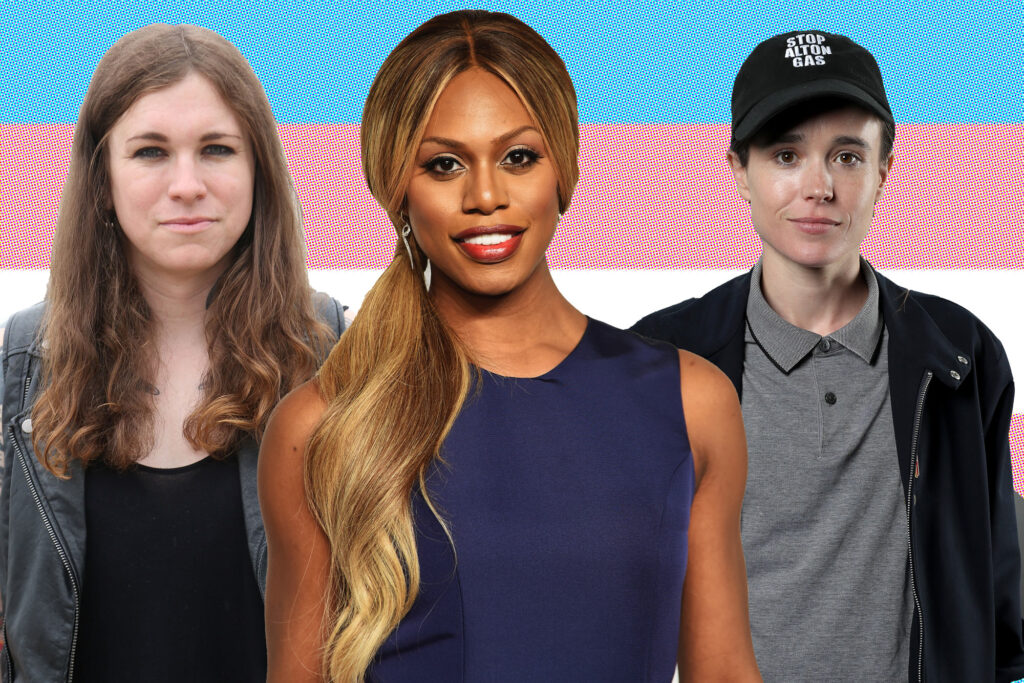
As the feminist movement continues to evolve, so too will its anthems. The rise of intersectional feminism has led to a greater emphasis on representing the diverse experiences of women of color, LGBTQ+ women, and women with disabilities. Future feminist anthems must be inclusive, nuanced, and critically engaged with the complexities of power and privilege. The musical landscape is ever-changing. Will future anthems truly capture the nuances of the movement?
Emerging artists are using music to challenge traditional gender roles, deconstruct beauty standards, and advocate for trans rights. They are pushing the boundaries of feminist expression and creating a space for marginalized voices to be heard. The future of feminist sound is bright, but it requires a continued commitment to inclusivity, activism, and a willingness to challenge the status quo. The journey of female empowerment through music is far from complete; the song is constantly being rewritten, remixed, and reimagined. Will the future be filled with cacophony or harmonious change?





Leave a Comment