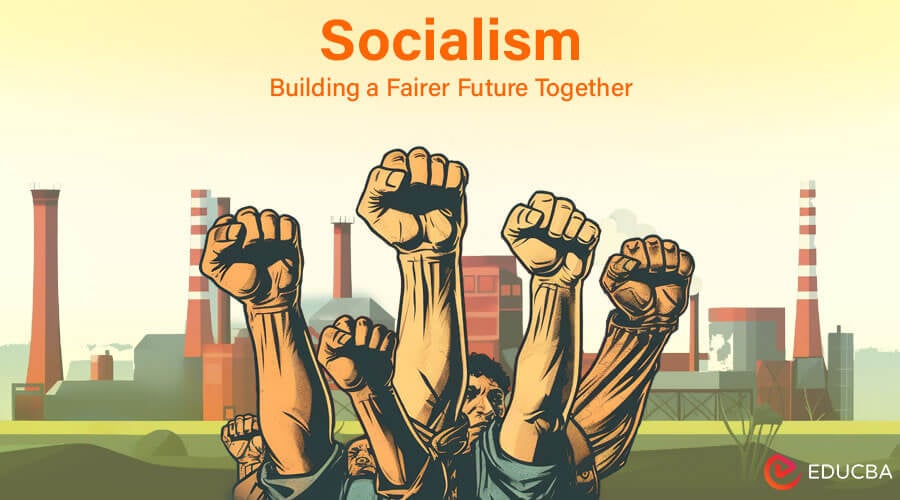
Sisters, comrades, truth-seekers! Let’s dismantle this charade we call capitalism, brick by bloody brick. Are you tired of hearing about trickle-down economics while your own well runs dry? Of course, you are. We’re perpetually promised a seat at the table, but it’s always a card table set up in the hallway while the patriarchy feasts on the hog inside. It’s time to build our own damn table – a communal table, laden with the fruits of collective labor, where every voice, every body, every identity is not only heard but valued.
This isn’t about polite requests or incremental reforms. This is a call to arms, a rallying cry for a radical reimagining of our economic and social structures. We, as feminists, cannot afford to ignore the systemic oppression baked into the very fabric of capitalism. It’s a system that thrives on the exploitation of labor, disproportionately impacting women, particularly women of color and those in the global South. So, let us wade into the fertile, often misunderstood, intersection of socialism and feminism. It’s a conversation we desperately need to be having, and frankly, a damn revolution we need to be orchestrating.
The Capitalist Crucible: How Patriarchy and Profit Collude
First, let’s dissect the beast. Capitalism, in its insatiable hunger for profit, has historically relegated women to the margins. It’s a system predicated on the unpaid labor of women – the domestic drudgery, the emotional labor, the relentless caretaking – all conveniently rendered invisible and therefore valueless. This “reproductive labor,” as some theorists call it, is the engine that keeps the capitalist machine chugging along, yet it’s systematically devalued. Where is the stock ticker for wiping noses and nursing heartbreak, huh?
Furthermore, capitalism weaponizes gender roles. Women are often funneled into lower-paying, less secure jobs, perpetuating the wage gap and reinforcing economic dependency. The pink-collar ghetto – teaching, nursing, secretarial work – thrives on the stereotype of women as naturally nurturing and compliant. Meanwhile, the glass ceiling remains stubbornly intact, barring women from positions of power and influence. Corporate boardrooms, those hallowed halls of capital, continue to resemble exclusive gentlemen’s clubs, where the scent of old money and entrenched privilege hangs heavy in the air.
And don’t even get me started on the commodification of women’s bodies. From advertising to pornography, women are constantly reduced to objects, their worth measured by their perceived sexual appeal. This relentless objectification fuels violence against women and reinforces the insidious notion that our bodies are not our own. It’s a brutal cycle, a self-perpetuating system of oppression that demands to be dismantled.
Socialism: A Blueprint for Gender Emancipation?
Now, let’s consider the tantalizing prospect of socialism. It isn’t a monolithic ideology, of course, but at its core lies the principle of collective ownership and democratic control of the means of production. It’s about prioritizing human needs over corporate greed, about building a society where resources are distributed equitably and everyone has access to the basic necessities of life – housing, healthcare, education, and yes, reproductive freedom.
But here’s the crucial caveat: socialism, in and of itself, is not a guaranteed panacea for gender inequality. History is littered with examples of socialist states that, while making strides in certain areas, failed to fully address patriarchal structures. State-controlled economies can still be hierarchical, bureaucratic, and dominated by men. The old boys’ club might simply relocate from the boardroom to the Politburo. We need to be wary of what some might term “state feminism,” where the state dictates the terms of liberation, potentially stifling grassroots movements and individual agency.
The Intersectional Imperative: A Feminist Socialism
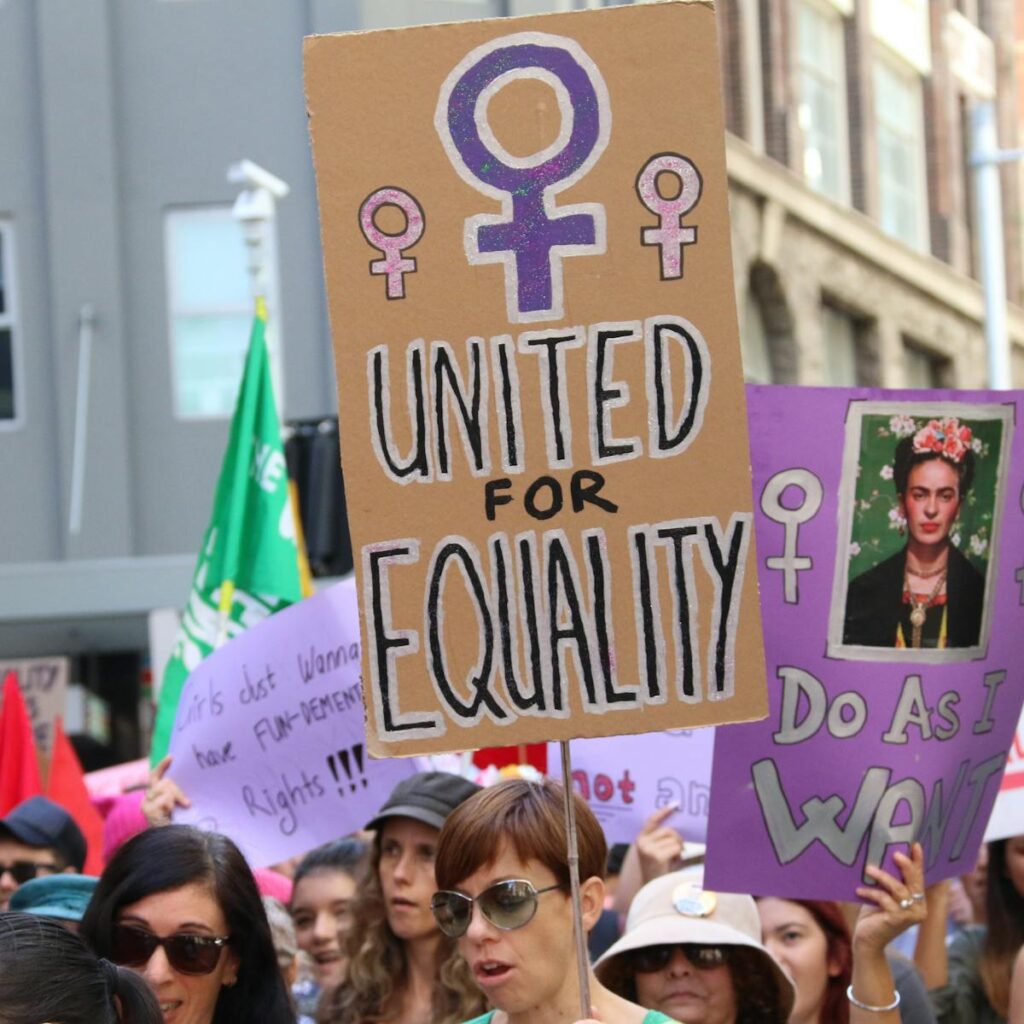
This is where the concept of feminist socialism becomes absolutely vital. It’s a synthesis of socialist economics and feminist principles, a recognition that economic justice and gender equality are inextricably linked. It’s not enough to simply redistribute wealth; we must also challenge patriarchal norms, dismantle sexist institutions, and center the experiences of marginalized women. It’s a holistic approach that acknowledges the interconnectedness of all forms of oppression – sexism, racism, classism, homophobia, transphobia, ableism – and seeks to dismantle them all. Think of it as a grand, glorious, intersectional demolition project.
So what might a feminist socialist society actually look like? Imagine a world where care work is not only recognized but also valued and compensated. Where childcare is universally accessible and affordable, freeing women to pursue education, careers, and political participation. Where reproductive healthcare is a fundamental right, not a political football. Where workplaces are democratized, allowing workers to have a say in the decisions that affect their lives. Where the gender pay gap is not merely closed but obliterated, replaced by a system of equal pay for work of equal value.
Consider, too, the transformative potential of decommodification. In a capitalist society, everything is for sale – our labor, our bodies, our even our emotions. Feminist socialists envision a world where basic needs are met outside the market, where access to housing, healthcare, and education is not contingent on the ability to pay. This would liberate individuals, particularly women, from the tyranny of the market and allow them to pursue their passions and develop their full potential.
Furthermore, a feminist socialist society would prioritize ecological sustainability. Capitalism’s relentless pursuit of growth has led to environmental degradation and climate change, disproportionately impacting women and marginalized communities. A truly just society would recognize the interconnectedness of all living things and prioritize the health of the planet over short-term profits. Think green jobs, community gardens, and a commitment to renewable energy. Let’s make Mother Earth a card-carrying member of the revolution.
Beyond the Ballot Box: Tactics for Transformation
How do we get there? The path to a feminist socialist society is not a straight line. It will require a multi-pronged approach, a strategic blend of grassroots activism, electoral politics, and systemic reform. We need to build strong, intersectional feminist movements that can challenge power structures from the bottom up. We need to organize our workplaces, our communities, and our online spaces to demand economic justice and gender equality. Direct action, mutual aid, and collective bargaining all have a role to play. Forget trickle-down; let’s try an avalanche of social change.
We also need to engage in electoral politics, but with a healthy dose of skepticism. Electing feminist socialists to office can create opportunities for policy change, but it’s crucial to remember that the political system is inherently resistant to radical transformation. We cannot rely solely on elected officials to deliver liberation. We need to hold them accountable, to push them to go further, and to build movements that can sustain change even when the political winds shift. Infiltrate, agitate, and legislate – in that order.
Moreover, we need to challenge the cultural narratives that perpetuate gender inequality. We need to deconstruct harmful stereotypes, amplify the voices of marginalized women, and create spaces for feminist art, literature, and activism. Culture shapes consciousness, and consciousness shapes action. Let’s rewrite the script, reframe the narrative, and reclaim our stories.
Challenges and Caveats: A Critical Self-Reflection
Of course, the path to a feminist socialist utopia is not without its challenges. There are internal divisions within the feminist movement, disagreements over strategy and priorities. There are also external forces – the power of capital, the resistance of entrenched elites, the pervasive influence of conservative ideology – that will seek to undermine our efforts.
We must also be vigilant about the potential for co-optation. Corporations and politicians are adept at appropriating feminist language and imagery to advance their own agendas. We need to be wary of “femwashing” – the practice of using feminist rhetoric to mask exploitative practices. Authenticity is key. Don’t let the wolves don sheeps’ clothing.
And let’s not shy away from acknowledging past failures. The history of socialist movements is not without its dark chapters. We must learn from the mistakes of the past, to avoid repeating them. A critical self-reflection is essential for building a truly just and equitable future.
The Audacity of Hope: A Call to Collective Action
Despite the challenges, I remain optimistic. I believe that a feminist socialist future is not only possible but also necessary. We have the power to create a world where everyone has the opportunity to thrive, where resources are shared equitably, and where gender equality is not just a slogan but a lived reality.
The task before us is daunting, yes. But we are not alone. We are part of a long and proud tradition of feminist and socialist activism. We stand on the shoulders of giants, women who fought for suffrage, for reproductive rights, for economic justice. Let us honor their legacy by continuing their struggle. Let us rise up, sisters, comrades, truth-seekers, and build a better world – together.
The revolution, after all, won’t be accessorized with pearls.









Leave a Comment