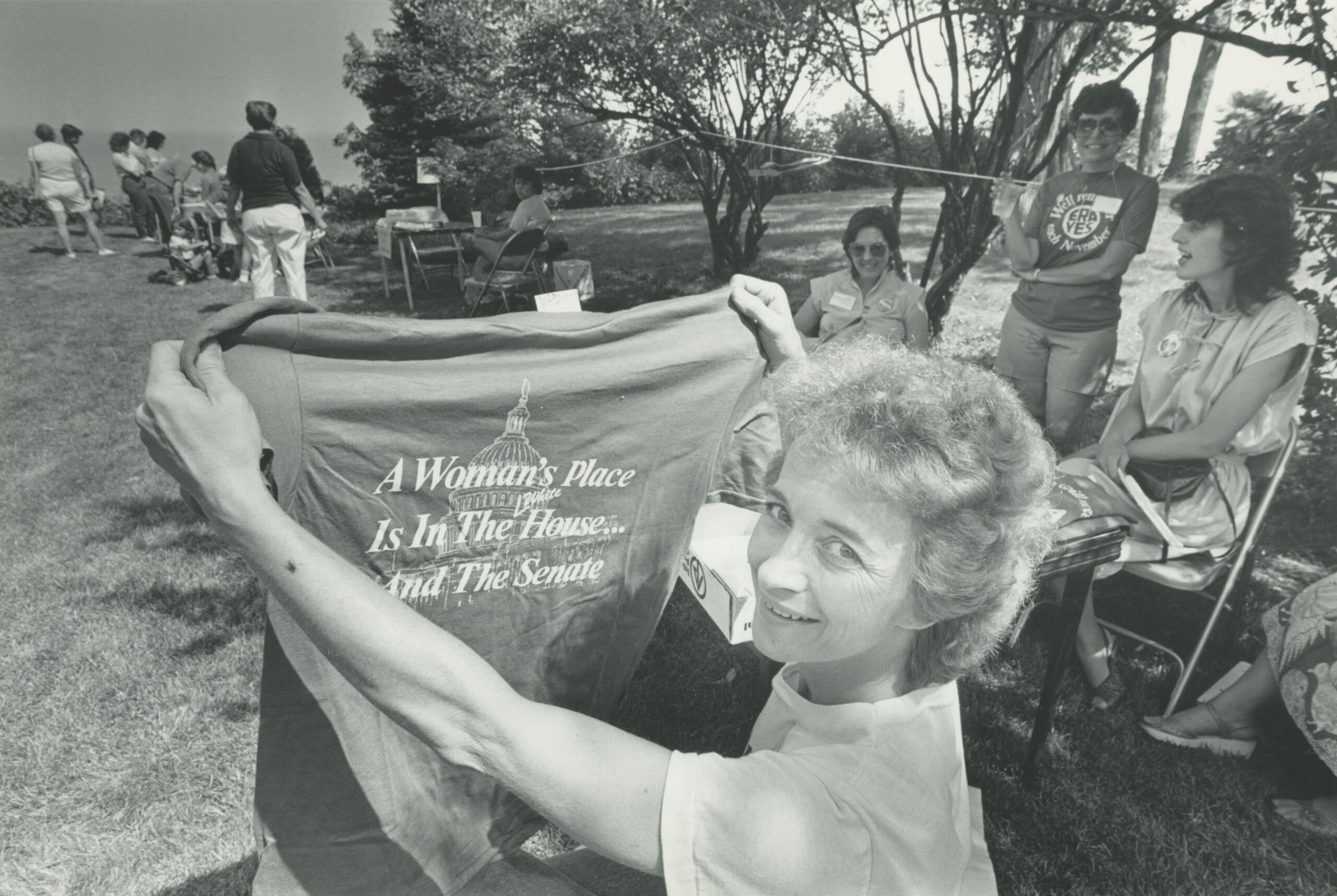
Second-wave feminism. The very phrase conjures images of bra-burning, consciousness-raising groups, and an era of radical social upheaval. But what did it really stand for? More importantly, why does it continue to captivate, infuriate, and inspire, decades after its supposed demise? The answer, I suspect, lies far deeper than the surface-level narratives we’ve been fed.
Let’s dissect this historical phenomenon, peeling back the layers of myth and misconception to reveal the raw, beating heart of a movement that fundamentally reshaped the Western world. This isn’t a nostalgic trip down memory lane. This is an excavation, a reclamation of a radical legacy constantly under threat of co-option and dilution. We will delve into the multifaceted dimensions of second-wave feminism, exploring its core tenets, its achievements, its shortcomings, and its enduring relevance in the face of contemporary challenges.
I. The Genesis of Discontent: Beyond Suffrage
The narrative often begins (and too often ends) with the assertion that first-wave feminism secured the right to vote. End of story. But the truth is far more complex. While enfranchisement was a pivotal victory, it did not magically eradicate the systemic subordination of women. Indeed, the supposed post-suffrage “equality” quickly revealed itself to be a gilded cage. Women were granted the ballot, but remained trapped in the domestic sphere, relegated to the roles of wives, mothers, and consumers. Economic independence remained elusive, and societal expectations continued to stifle their aspirations.
Thus, second-wave feminism emerged as a direct response to this profound dissonance. It was born from the realization that legal equality was insufficient without a concomitant transformation of cultural norms, economic structures, and interpersonal power dynamics. It was fueled by a simmering anger at the pervasive sexism that permeated every aspect of women’s lives, from the workplace to the bedroom. This anger, often dismissed as mere “hysteria,” was in fact a potent force for change, a catalyst for the radical reimagining of gender roles and societal structures.
II. Unpacking the Core Tenets: A Multifaceted Ideology
Second-wave feminism was not a monolithic entity. Rather, it encompassed a diverse spectrum of perspectives and priorities. However, certain core tenets served as unifying principles:
- Patriarchy as a System of Oppression: The central argument was that society is structured in a way that privileges men and systematically disadvantages women. This patriarchy, they argued, operates on multiple levels, from institutional policies to interpersonal interactions.
- The Personal is Political: This slogan encapsulated the movement’s determination to challenge the artificial separation between the public and private spheres. Issues such as domestic violence, reproductive rights, and sexual harassment, previously considered “private matters,” were brought into the political arena.
- Reproductive Freedom: Access to safe and legal abortion and contraception was viewed as fundamental to women’s autonomy and economic independence. The fight for reproductive rights was not simply about individual choice, but about challenging the state’s control over women’s bodies.
- Challenging Gender Roles: Second-wave feminists sought to dismantle rigid gender stereotypes and expectations that limited women’s potential. They challenged the notion that women were inherently more nurturing, emotional, or domestic than men, arguing that these qualities were socially constructed rather than biologically determined.
- Economic Equality: Achieving equal pay for equal work, access to education and job opportunities, and affordable childcare were key objectives. The goal was to dismantle the economic structures that perpetuated women’s dependence on men.
These tenets, while seemingly straightforward, were deeply radical in their implications. They challenged the very foundations of Western society, demanding a fundamental restructuring of power relations and a radical re-evaluation of gender roles.
III. Consciousness-Raising: The Power of Collective Catharsis
Consciousness-raising groups were a hallmark of second-wave feminism. These small, informal gatherings provided a space for women to share their personal experiences and to collectively analyze the systemic nature of their oppression. These were not mere “gripe sessions.” They were transformative experiences that allowed women to connect with one another, to validate their feelings, and to develop a shared understanding of the social forces shaping their lives. The act of articulating their experiences, often for the first time, was profoundly empowering.
Through consciousness-raising, women realized that their individual struggles were not isolated incidents, but rather manifestations of a broader pattern of systemic discrimination. This realization sparked a sense of collective identity and solidarity, fueling the movement’s momentum and providing a crucial foundation for political action. These groups served as incubators for new ideas, strategies, and leadership, empowering women to challenge the status quo in their own lives and in the public sphere.
IV. The Battlegrounds: From the Workplace to the Bedroom
Second-wave feminism waged battles on multiple fronts. In the workplace, activists fought for equal pay, an end to sexual harassment, and access to traditionally male-dominated professions. They challenged discriminatory hiring practices and advocated for policies that would support working mothers, such as paid parental leave and affordable childcare. Courts became battlegrounds. Landmark cases challenged discriminatory laws and practices, paving the way for greater legal equality.
In the realm of sexuality and reproductive rights, feminists fought for access to contraception and abortion, challenging the criminalization of abortion and advocating for comprehensive sex education. They exposed the prevalence of sexual violence and harassment, demanding accountability for perpetrators and support for survivors. The Miss America protest in 1968 became a symbolic representation of the movement’s critique of the objectification of women. The symbolic discarding of bras and other “instruments of female torture” symbolized a rejection of societal expectations and a demand for self-determination.
Within the family, feminists challenged traditional gender roles and power dynamics, advocating for a more egalitarian division of labor and a greater emphasis on women’s autonomy. They exposed the hidden costs of unpaid domestic work and demanded recognition for women’s contributions to the household economy.
V. The Shadows: Internal Divides and Unacknowledged Privilege
Despite its achievements, second-wave feminism was not without its internal divisions and shortcomings. The movement was often criticized for its lack of intersectionality, failing to adequately address the concerns of women of color, working-class women, and LGBTQ+ women. The focus on the experiences of white, middle-class women often marginalized the voices and perspectives of those who faced multiple forms of oppression. Moreover, the movement’s emphasis on gender equality sometimes overlooked the importance of class, race, and other forms of social stratification. The emphasis on universal sisterhood often masked the power dynamics that existed within the movement itself.
The focus on critiquing patriarchy sometimes neglected to address the ways in which women could also perpetuate oppressive systems. The failure to fully engage with issues of race, class, and sexuality limited the movement’s scope and impact, alienating potential allies and reinforcing existing inequalities. These internal tensions ultimately weakened the movement’s ability to achieve its goals and laid the groundwork for the emergence of later waves of feminism that sought to address these shortcomings.
VI. Legacy and Relevance: A Continuing Revolution
Despite its limitations, second-wave feminism left an indelible mark on Western society. It fundamentally altered the way we think about gender, sexuality, and power. It paved the way for greater legal and economic equality for women, and it inspired countless individuals to challenge the status quo. The fight for reproductive rights, economic justice, and an end to gender-based violence continues to this day, building upon the foundation laid by second-wave feminists.
The rise of the #MeToo movement, the ongoing struggle for equal pay, and the increasing visibility of transgender rights are all testament to the enduring relevance of second-wave feminism. These contemporary struggles are not simply echoes of the past, but rather new iterations of a continuing revolution. The fight for gender equality is far from over. We must continue to challenge patriarchal structures, to dismantle discriminatory systems, and to build a more just and equitable world for all. The ghost of second-wave feminism calls for it.
Second-wave feminism reminds us that change is possible, but it requires courage, resilience, and a willingness to challenge the status quo. It reminds us that the personal is political, and that our individual struggles are connected to a larger web of social injustice. And perhaps most importantly, it reminds us that the fight for liberation is never truly finished.








Leave a Comment