Radical feminism. The very name crackles with a defiant energy, a rebellious spark igniting in the face of deeply entrenched patriarchal structures. It’s more than just a political ideology; it’s a philosophical earthquake, a seismic shift in perspective that dares to question the very foundations of our societal norms. Forget the watered-down, palatable versions of feminism peddled in mainstream media. We’re diving headfirst into the tempestuous waters of radical thought, where the currents of systemic oppression are dissected with surgical precision and the insidious roots of patriarchy are dragged into the harsh light of day. This isn’t a gentle stroll through a manicured garden; it’s a revolutionary’s climb up a sheer cliff face, scaling the heights of critical consciousness.
But what *is* radical feminism, really? Beyond the sensationalist headlines and the caricatured portrayals, lies a complex and nuanced tapestry of ideas. It is a dismantling, a deconstruction, and ultimately, a reimagining of the world. A world free from the shackles of male dominance. Imagine society as a grand, ornate clock, ticking away according to the rhythms dictated by the patriarchy. Radical feminism throws a wrench into the gears, disrupting the predictable patterns and exposing the hidden mechanisms that perpetuate inequality. It isn’t about tweaking the clock; it’s about dismantling it entirely and building a new system from the ground up.
The Core Tenets: Unveiling the Architecture of Oppression
To truly grasp the essence of radical feminism, we must first dissect its core tenets, the foundational principles upon which this revolutionary ideology is built. Consider these tenets not as static dogma, but as dynamic tools, instruments for understanding and challenging the world around us.
Patriarchy: The Root of All Evil (Well, Most of It)
At the heart of radical feminist thought lies the unwavering belief that patriarchy – a system of male dominance and privilege – is the primary source of women’s oppression. Patriarchy isn’t just about individual acts of sexism; it’s a pervasive, deeply ingrained system that permeates every aspect of our lives, from the family unit to the halls of power. It is the invisible architecture that shapes our perceptions, dictates our roles, and limits our potential. Think of patriarchy as a dense, suffocating fog that obscures reality, distorting our vision and preventing us from seeing the world clearly. Radical feminism seeks to pierce through this fog, exposing the underlying structures of power and control.
Sex and Gender: A Critical Distinction
Radical feminists make a crucial distinction between sex (biological characteristics) and gender (socially constructed roles and expectations). Sex is what you’re born with; gender is what society tells you to be. Gender, in this framework, is viewed as a tool of patriarchal control, a way of confining individuals to predetermined roles that serve to maintain the status quo. The myth of inherent gender differences is a powerful weapon in the patriarchal arsenal. It’s the lie that justifies inequality, the excuse used to keep women in their place. Imagine gender as a set of elaborate costumes, each designed to reinforce specific power dynamics. Radical feminism demands that we tear off these costumes and embrace our authentic selves, free from the constraints of societal expectations.
The Personal is Political: Unmasking the Private Sphere
One of the most revolutionary contributions of radical feminism is the concept that “the personal is political.” This seemingly simple phrase carries immense weight, shattering the illusion that private experiences are separate from the broader political landscape. It means that issues traditionally considered personal – such as relationships, sexuality, and domestic labor – are, in fact, deeply intertwined with power dynamics and societal structures. A woman’s experience in her own home, the distribution of labor, her access to resources, and her agency are all inherently political. Consider domestic violence, for example. Radical feminists argue that it is not simply an isolated incident of individual pathology, but a manifestation of patriarchal power dynamics within the context of a society that condones and even encourages male dominance. This realization is critical because if societal structures are to blame, societal structures are the targets of change.
Challenging Traditional Institutions: From Family to State
Radical feminism does not shy away from challenging traditional institutions, viewing them as instruments of patriarchal control. The family, the state, religion, and even seemingly neutral institutions like education and the media are all subject to critical scrutiny. These institutions, according to radical feminists, are not inherently benevolent or impartial; they are often structured in ways that perpetuate male dominance and reinforce patriarchal norms. The traditional family, for instance, with its rigid gender roles and unequal distribution of power, is seen as a microcosm of the larger patriarchal society. The state, with its laws and policies that often disadvantage women, is viewed as an instrument of oppression. Religion, with its often misogynistic doctrines and practices, is seen as a tool for controlling women’s bodies and minds. Radical feminists, therefore, advocate for fundamental changes to these institutions, seeking to dismantle the structures that perpetuate inequality.
Sisterhood is Powerful: Building Solidarity and Resistance
Radical feminism emphasizes the importance of sisterhood – a sense of solidarity and unity among women, based on their shared experiences of oppression. This sisterhood is not merely a sentimental notion; it’s a powerful force for resistance, a source of strength and support in the face of adversity. It’s the recognition that women are not isolated individuals, but part of a collective striving for liberation. Imagine sisterhood as a network of interconnected roots, drawing strength from the earth and supporting each other in the face of storms. It’s about building communities where women can share their experiences, challenge patriarchal norms, and work together to create a more just and equitable world. The personal is the political, but also the interpersonal is transformational.
Beyond Reform: The Vision of a Transformed World
Radical feminism is not simply about reforming existing systems; it’s about fundamentally transforming them. It’s about creating a world where women are not just equal to men, but free from all forms of oppression. This vision extends beyond legal and political equality to encompass social, economic, and cultural transformation. It’s a world where gender roles are abolished, where sexuality is liberated, and where all individuals are free to live authentically, without fear of discrimination or violence. The goal is not to simply integrate women into the existing patriarchal system, but to dismantle that system entirely and build a new one based on principles of equality, justice, and liberation. Think of radical feminism as an architect designing a new city, not just renovating an old building. It is a blueprint for a radical re-imagining of society.
The Unique Appeal: Why Radical Feminism Matters
In a world saturated with watered-down versions of feminism, radical feminism offers a refreshing dose of intellectual rigor and uncompromising vision. It’s not afraid to challenge the status quo, to question deeply ingrained assumptions, and to demand fundamental change. Its unique appeal lies in its ability to provide a comprehensive and coherent analysis of the root causes of women’s oppression, offering a framework for understanding the interconnectedness of various forms of inequality. It empowers individuals to challenge not just individual acts of sexism, but the entire patriarchal system that perpetuates them. It offers a sense of agency and control, a feeling that change is possible, even in the face of seemingly insurmountable obstacles. This is not the feminism of gentle compromise; it’s the feminism of unwavering conviction, the feminism that dares to dream of a truly liberated world.
Navigating the Controversies: A Critical Engagement
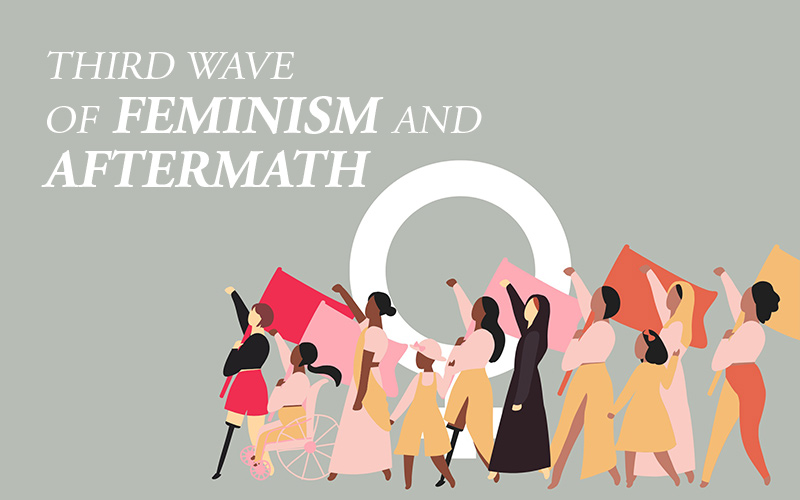
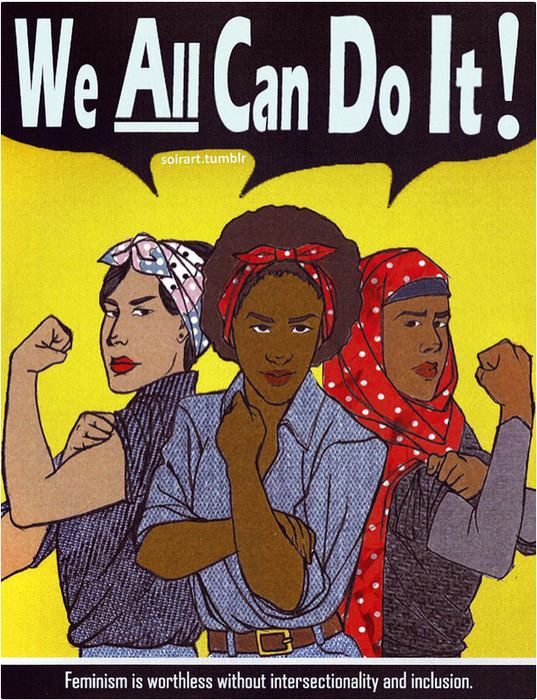
Radical feminism is not without its controversies. Some critics argue that it is too extreme, too exclusionary, and too focused on gender at the expense of other forms of oppression. These criticisms are valid and deserve careful consideration. It is important to engage with them critically, to acknowledge the limitations of radical feminism, and to recognize that it is not the only valid form of feminism. However, these criticisms should not overshadow the valuable contributions of radical feminism, its unwavering commitment to social justice, and its transformative vision of a world free from oppression. Radical feminism has often been accused of essentialism – the belief that there are inherent differences between men and women. Critics argue that this essentialism can reinforce harmful stereotypes and undermine the goal of gender equality. Some radical feminists, particularly in the early days of the movement, focused primarily on the experiences of white, middle-class women, neglecting the concerns of women of color, working-class women, and LGBTQ+ individuals. This exclusionary focus has been criticized for perpetuating existing power dynamics within the feminist movement. It is important to acknowledge these criticisms and to work towards a more inclusive and intersectional form of radical feminism.
Ultimately, radical feminism is a call to action, a challenge to the status quo, and a vision of a more just and equitable world. It is a reminder that true liberation requires more than just superficial reforms; it demands a fundamental transformation of our society, our institutions, and our very way of thinking. It’s a difficult path, fraught with challenges and obstacles, but it’s a path worth pursuing. It is a path that leads to a world where all individuals are free to live authentically, without fear of oppression or discrimination. It demands that we dismantle the clock, not just try to fix it. It requires that we throw off the costumes and embrace our true selves. It necessitates that we build a new city, a new world, from the ground up.







Leave a Comment