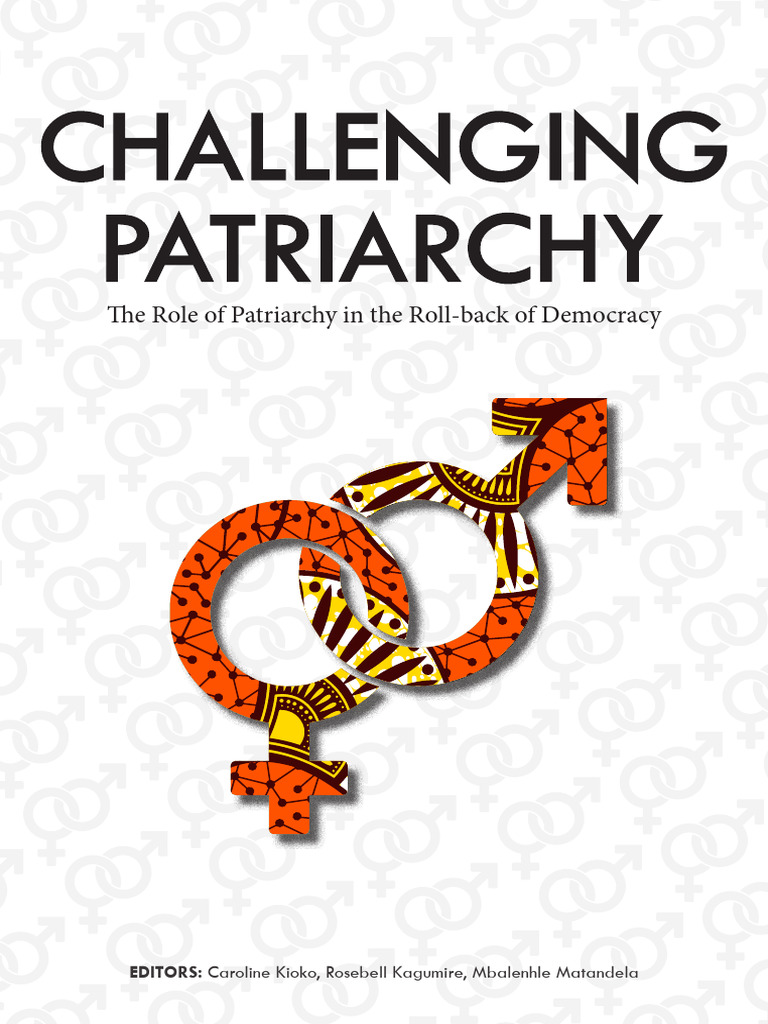
Radical feminism. The very term elicits a visceral reaction, doesn’t it? For some, it’s a clarion call to dismantle the edifice of patriarchal oppression. For others, a pejorative label, conjuring images of bra-burning harridans, man-hating harpies, and a wholesale rejection of everything male. But what *is* radical feminism, truly? Let’s dissect this potent ideology, peel back the layers of misrepresentation, and expose the raw, unflinching core of its critique. Because honestly, shouldn’t we, as women, be at least a little enraged by the persistent, insidious ways patriarchy still controls our lives, our bodies, our very thoughts?
Radical feminism, at its heart, is a revolutionary perspective. It argues that patriarchy – the systemic, pervasive domination of women by men – is not merely an injustice, not simply a matter of inequality, but the *fundamental* source of oppression in society. It’s the root from which all other forms of injustice, like racism, classism, and homophobia, ultimately spring. We are talking about a total paradigm shift.
Instead of focusing on superficial adjustments or legislative reforms, radical feminists aim for something far more ambitious: the complete dismantling of patriarchal structures and the creation of a society based on equality, justice, and liberation for all. A complete and utter upending of the status quo. Now, *that’s* what I call a revolution.
This isn’t about swapping a male CEO for a female one and patting ourselves on the back for “progress.” It’s about interrogating the *system* that allows and encourages CEOs – regardless of gender – to exploit labor, prioritize profit over people, and perpetuate the very power dynamics that keep women, and so many others, down. We want something much better.
Let’s delve into the core tenets of this fiery philosophy, shall we?
I. Patriarchy: The Ubiquitous Oppressor
Radical feminism identifies patriarchy not as a collection of individual biases or isolated incidents of sexism, but as a pervasive, deeply entrenched system that shapes every aspect of our lives. From the family unit to the workplace, from the media we consume to the laws that govern us, patriarchy dictates the terms of engagement, limiting women’s autonomy, agency, and potential. Think about it – how many times have you been told to “smile more,” to be “less assertive,” to prioritize your appearance over your intellect? That, my friends, is patriarchy in action.
A. The Personal is Political: This mantra, synonymous with radical feminism, highlights the interconnectedness of personal experiences and broader political structures. The seemingly private struggles women face – domestic violence, unequal pay, objectification – are not isolated incidents but manifestations of systemic patriarchal oppression. Every time we are told to be quiet, to be pretty, to be compliant, we are being subjected to the dictates of a system that seeks to control us.
B. Sex and Gender as Social Constructs: Radical feminists challenge the notion that sex (biological differences between male and female) determines gender (socially constructed roles, behaviors, and identities). They argue that gender is a tool used by patriarchy to enforce hierarchical power relations, assigning certain characteristics and expectations to women in order to keep them in a subordinate position. Think about the color pink, the expectation of nurturing, the pressure to conform to impossible beauty standards – these are all products of a system designed to constrain us. It’s a performance, a charade, and we need to stop playing along.
C. The Male Gaze: Laura Mulvey’s concept of the “male gaze” is crucial here. It describes how women are often depicted in media and art from a male, heterosexual perspective, objectifying them and reducing them to their physical attributes. This constant objectification reinforces patriarchal power dynamics and contributes to the internalization of self-objectification by women themselves. We are taught to see ourselves as objects, to constantly evaluate our worth based on how we are perceived by men. It’s a vicious cycle, and we need to break free.
II. Dismantling the Patriarchy: Strategies for Liberation
Radical feminists propose a variety of strategies for dismantling patriarchy, ranging from consciousness-raising to separatist communities. These strategies often involve challenging traditional gender roles, reclaiming female sexuality, and creating spaces for women to connect, support each other, and develop their own voices and perspectives. It’s about empowerment, solidarity, and a refusal to be silenced.
A. Consciousness-Raising: This involves gathering in small groups to share personal experiences and analyze how patriarchy affects their lives. Through these discussions, women can identify common patterns of oppression, challenge internalized sexism, and develop a collective understanding of their situation. It’s about recognizing that you are not alone, that your struggles are not unique, and that together, you can create change.
B. Reclaiming Female Sexuality: Radical feminists argue that patriarchy controls women’s sexuality, dictating what is considered “acceptable” and “desirable.” Reclaiming female sexuality involves challenging these patriarchal norms, embracing female desire, and rejecting the objectification and commodification of women’s bodies. It’s about taking ownership of our own pleasure, our own bodies, and our own identities. It’s about saying “yes” to what we want and “no” to what we don’t. It’s about rejecting the male gaze and embracing our own, authentic selves.
C. Separatism: Some radical feminists advocate for separatism, the creation of women-only spaces where women can be free from male influence and develop their own culture and values. These spaces can be physical (e.g., women’s centers, lesbian communities) or virtual (e.g., online forums, support groups). It’s not about hating men, it’s about creating safe spaces where women can heal, grow, and empower each other. It’s about recognizing that sometimes, we need to be away from the constant pressure of patriarchal expectations in order to thrive.
D. Challenging Traditional Gender Roles: Radical feminists actively challenge traditional gender roles and stereotypes, rejecting the notion that women are naturally suited for domesticity, nurturing, and emotional labor. They advocate for equal opportunities in all areas of life, including education, employment, and politics. It’s about recognizing that our potential is limitless, and that we should not be confined by outdated and oppressive expectations. We can be anything we want to be – doctors, lawyers, engineers, artists, activists – and we should not let anyone tell us otherwise.
III. Critiques and Controversies: Navigating the Complexities
Radical feminism is not without its critics and controversies. Some argue that it is too focused on gender and neglects other forms of oppression, such as race, class, and sexual orientation. Others criticize its essentialist view of women, arguing that it reinforces harmful stereotypes and excludes trans women and other marginalized groups. Let’s acknowledge these valid critiques. No movement is perfect, and it’s crucial to engage in critical self-reflection and address these shortcomings.
A. Intersectionality: The concept of intersectionality, developed by Kimberlé Crenshaw, highlights the interconnectedness of various forms of oppression. It recognizes that women experience oppression differently depending on their race, class, sexual orientation, and other identities. A radical feminism that fails to incorporate intersectionality risks perpetuating the very power dynamics it seeks to dismantle.
B. Essentialism: Critics argue that some radical feminists hold essentialist views of women, believing that there are inherent differences between men and women. This can lead to the exclusion of trans women and other marginalized groups who do not conform to traditional notions of femininity. It’s crucial to recognize that gender is a spectrum, and that all women – regardless of their identity – deserve to be treated with respect and dignity.
C. Exclusionary Practices: Historically, some radical feminist movements have been criticized for being exclusionary, particularly towards women of color and lesbian women. It’s essential to acknowledge this history of exclusion and work towards creating a more inclusive and intersectional radical feminism that centers the voices and experiences of all women.
IV. The Enduring Relevance of Radical Feminism
Despite the criticisms and controversies, radical feminism remains a vital and relevant force in the fight for gender equality. Its uncompromising critique of patriarchy continues to inspire activists, scholars, and artists around the world. In a world where women still face discrimination, violence, and inequality, the radical feminist call for systemic change is more urgent than ever. We need to keep pushing, keep questioning, and keep demanding a better world for all women. We cannot afford to be complacent.
Consider the persistent gender pay gap. The underrepresentation of women in leadership positions. The pervasive sexual harassment and assault that continue to plague our society. These are not isolated problems; they are symptoms of a deeper, more systemic issue. We need to challenge the very foundations of patriarchal power if we ever hope to achieve true equality.
Radical feminism offers a powerful framework for understanding and challenging this power. It reminds us that gender inequality is not just a matter of individual biases or isolated incidents, but a systemic problem that requires systemic solutions. It’s not about tweaking the system; it’s about dismantling it and building something new, something better, something truly just. So, let’s embrace the radical spirit, challenge the status quo, and fight for a future where all women are free from oppression.
The fight is far from over.








Leave a Comment