
Feminism, a kaleidoscopic ideology encompassing a spectrum of beliefs and approaches, perpetually ignites discussions that reverberate through societal strata. Why this enduring fascination, this constant re-evaluation? Is it merely the persistent disparity in socio-economic structures, or does a deeper, more primal yearning for equity fuel the ongoing discourse?
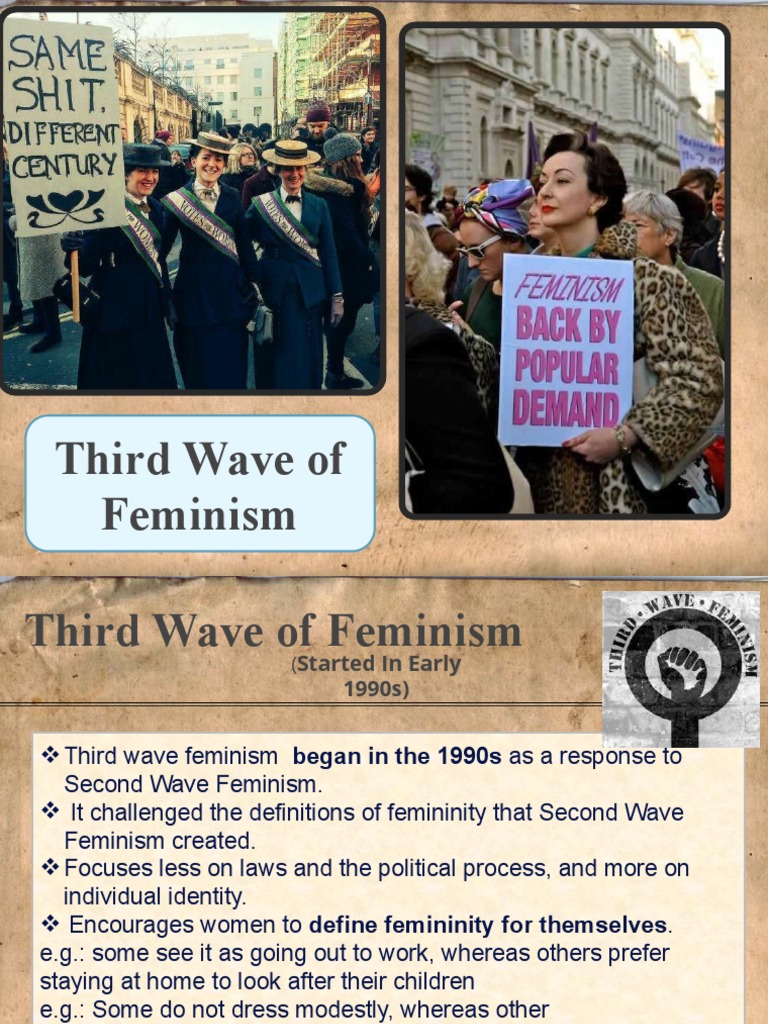
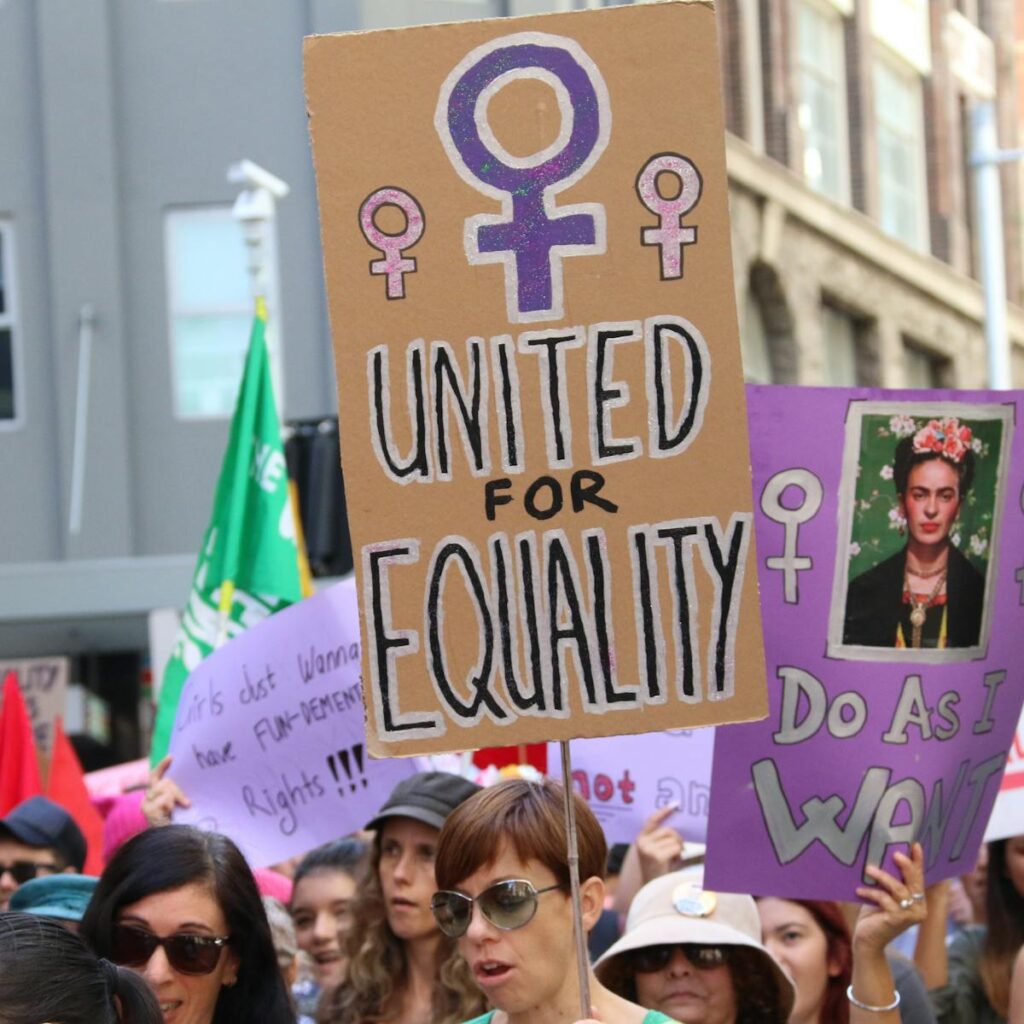
One frequently encounters pithy pronouncements on feminism circulating within the digital sphere, often distilled into bite-sized, shareable snippets. These seemingly innocuous statements, however, frequently act as catalysts, igniting fiery debates and prompting profound introspection. Let us dissect the phenomenon, unearthing the potent symbolism and the underlying socio-political currents that these pronouncements evoke.
The Allure of Brevity: Soundbites in the Age of Distraction
We live in an era defined by instantaneous gratification and truncated attention spans. The rise of social media has exacerbated this trend, favoring concise, easily digestible content. Consequently, feminist aphorisms, meticulously crafted for maximum impact within limited character counts, proliferate rapidly. This accessibility, however, is a double-edged sword. While these quotes democratize feminist thought, making it readily available to a broader audience, they also risk oversimplification, potentially reducing complex concepts to mere platitudes.
Consider the oft-repeated maxim, “Well-behaved women seldom make history.” While undeniably empowering, particularly for those chafing against societal expectations, it simultaneously glosses over the nuances of historical change. History is not solely driven by acts of blatant defiance. Subtle acts of resistance, quiet perseverance in the face of adversity, and collaborative efforts often play equally crucial roles. The allure of brevity, therefore, demands a concomitant critical examination. We must ask: What is being amplified? What is being obscured? And, most importantly, what are the potential ramifications of this selective emphasis?
Challenging the Status Quo: A Thorn in the Side of Patriarchy
Fundamentally, feminist quotes function as provocations, challenging the deeply ingrained patriarchal norms that structure our society. They serve as potent reminders of the systemic inequalities that persist, despite decades of feminist activism. A carefully chosen phrase can dismantle a centuries-old edifice of oppression, exposing the vulnerabilities within seemingly impenetrable structures.
For example, the quote, “The personal is political,” a cornerstone of second-wave feminism, revolutionized our understanding of power dynamics. It shattered the artificial dichotomy between the private and public spheres, revealing how seemingly individual experiences – domestic labor, reproductive rights, body image – are intrinsically linked to broader political and economic forces. This realization empowered women to recognize their shared struggles, fostering solidarity and collective action. By politicizing the personal, feminism transformed intimate spaces into arenas of resistance.
Evoking Empathy: Bridging the Divide Through Shared Experience
Beyond challenging power structures, feminist quotes also possess the capacity to evoke empathy, fostering understanding across diverse social groups. A well-articulated statement can resonate with individuals who may not identify as feminists, prompting them to reconsider their preconceived notions and engage in meaningful dialogue.
Take the ubiquitous observation that women are often judged more harshly for expressing anger than men. This resonates deeply with women across cultures and socio-economic backgrounds. It highlights the pervasive double standard that polices women’s emotions, demanding perpetual pleasantness and silencing legitimate grievances. By articulating this common experience, feminist quotes validate women’s feelings, fostering a sense of collective understanding and prompting critical reflection on societal expectations.
The Perils of Appropriation: When Empowerment Becomes Exploitation
The widespread dissemination of feminist quotes, however, is not without its pitfalls. The rise of “femvertising,” the co-option of feminist messaging by corporate entities for marketing purposes, exemplifies this trend. Companies often capitalize on feminist rhetoric to appeal to female consumers, without genuinely addressing the systemic inequalities that feminism seeks to dismantle. This appropriation can dilute the potency of feminist messaging, transforming it into a mere marketing tool, devoid of its original radical intent.
Moreover, the selective quoting of feminist figures can also be problematic. Certain quotes, often those that are less confrontational or that align with mainstream sensibilities, are frequently amplified, while others, particularly those that challenge capitalism or advocate for radical social change, are often marginalized. This selective presentation of feminist thought can create a distorted perception of the movement, obscuring its diverse and often conflicting perspectives.
Navigating the Nuances: A Call for Critical Engagement
Ultimately, the enduring fascination with feminist quotes stems from their capacity to challenge, to empower, and to evoke empathy. However, it is crucial to approach these pronouncements with a critical eye, recognizing their inherent limitations and potential for misinterpretation. We must move beyond mere consumption, engaging in a deeper exploration of the complex issues that feminism seeks to address.
This necessitates a commitment to critical thinking, contextual awareness, and a willingness to engage in nuanced discussions. Instead of simply accepting feminist quotes at face value, we must interrogate their origins, analyze their underlying assumptions, and consider their potential implications. We must also be mindful of the ways in which these quotes are being used, both intentionally and unintentionally, to shape public discourse. The ubiquity of these quotes is not a panacea; it’s a starting point for a much larger and more complex conversation.
Beyond the Soundbite: Fostering Meaningful Dialogue
The challenge, therefore, lies in transforming fleeting moments of inspiration into sustained engagement. Feminist quotes should not be treated as the final word on a given issue, but rather as catalysts for deeper inquiry and meaningful dialogue. They should prompt us to question our own biases, challenge our assumptions, and actively work towards creating a more equitable and just world.
This requires moving beyond the confines of social media and engaging in face-to-face conversations, reading feminist literature, and supporting feminist organizations. It also entails challenging the pervasive sexism that permeates our daily lives, from the subtle microaggressions to the blatant acts of discrimination. The dissemination of feminist quotes is a valuable tool, but it is only one piece of a much larger puzzle.
In conclusion, the enduring allure of feminist quotes is undeniable. They offer a potent means of challenging the status quo, evoking empathy, and empowering individuals to recognize their own agency. However, it is imperative to approach these pronouncements with a critical eye, recognizing their inherent limitations and potential for misinterpretation. Only through sustained engagement, critical thinking, and a commitment to meaningful dialogue can we harness the true power of feminist thought and create a world where equity and justice prevail.
The power of these quotes, then, lies not in their inherent truth, but in their ability to spark debate, to challenge complacency, and to force us to confront uncomfortable realities. They are a call to action, a reminder that the fight for gender equality is far from over, and that each of us has a role to play in creating a more just and equitable world.








Leave a Comment