So, you want to talk about feminism? Excellent. But let’s ditch the saccharine pleasantries and get to the marrow of the matter. Forget the surface-level affirmations; we’re excavating the subterranean truths that underpin this complex and often contentious ideology. These aren’t your grandmother’s consciousness-raising questions. These are the interrogatives that will ignite a genuine conflagration of thought, challenging assumptions and forcing a reckoning with the uncomfortable realities of gender, power, and privilege. Prepare to have your cherished biases confronted.
I. The Foundation: Defining the Ideological Bedrock
Before we delve into the nuances, let’s establish a shared understanding, or, more likely, a battleground for ideological warfare. It’s essential to dissect the core tenets that supposedly unite us under the banner of feminism.
A. What is Your Cardinal Definition of Feminism?
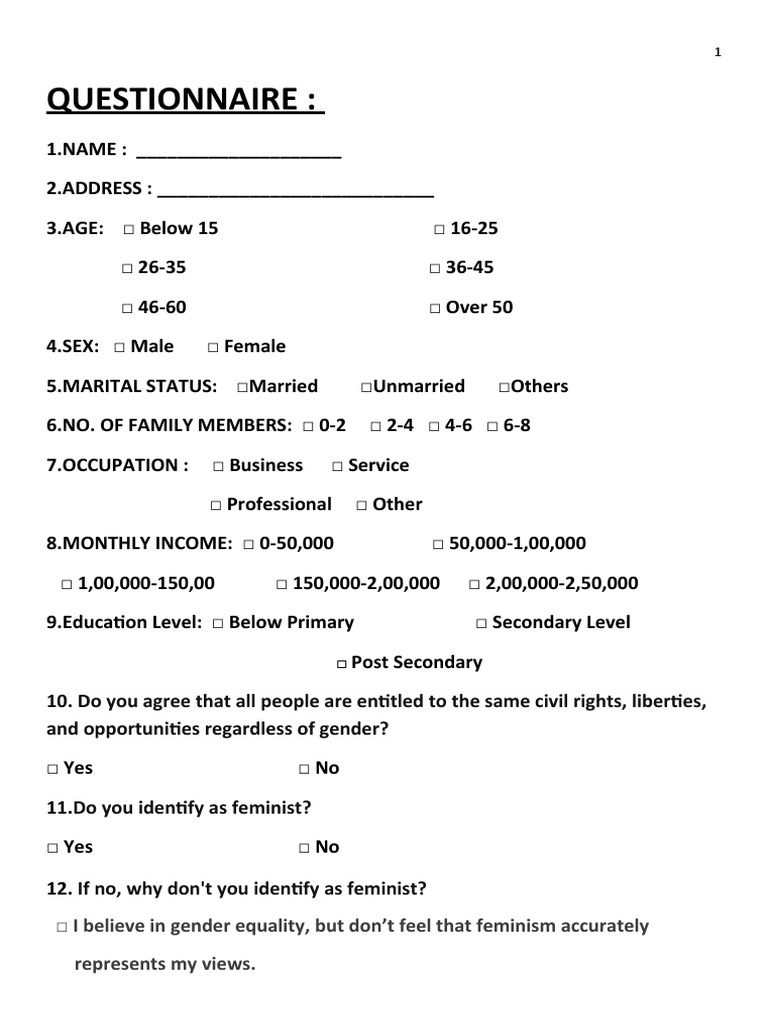
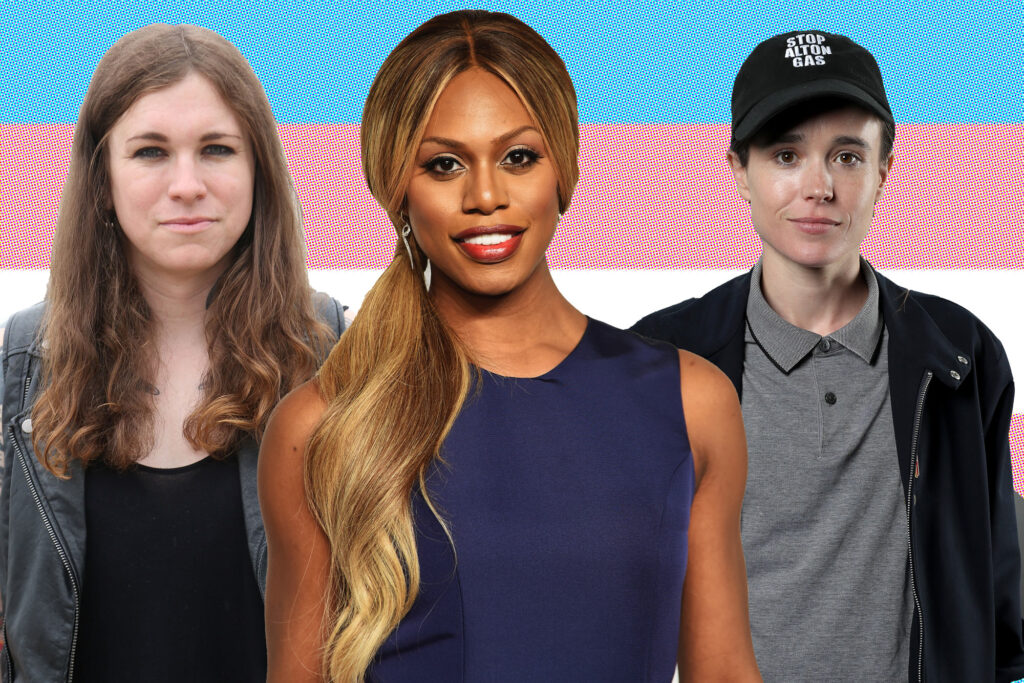
This isn’t a rhetorical exercise. I want to know what *you* think it is. Don’t parrot the dictionary definition or regurgitate some sanitized version of equality. What are the sine qua non of your feminist worldview? Is it solely about equal rights, or does it encompass a more radical restructuring of societal power dynamics? Is it inclusive of trans women? Does it acknowledge the intersectionality of race, class, and sexuality? Be specific. The devil, as always, is in the details. Nuance is essential here, and lack of precision makes an assertion impossible to analyze. This is vital to understand. How can you fight for something you cannot define? It is crucial to recognize that there are multiple types of feminism.
B. What are the Historical Precedents that Inform Your Feminist Perspective?
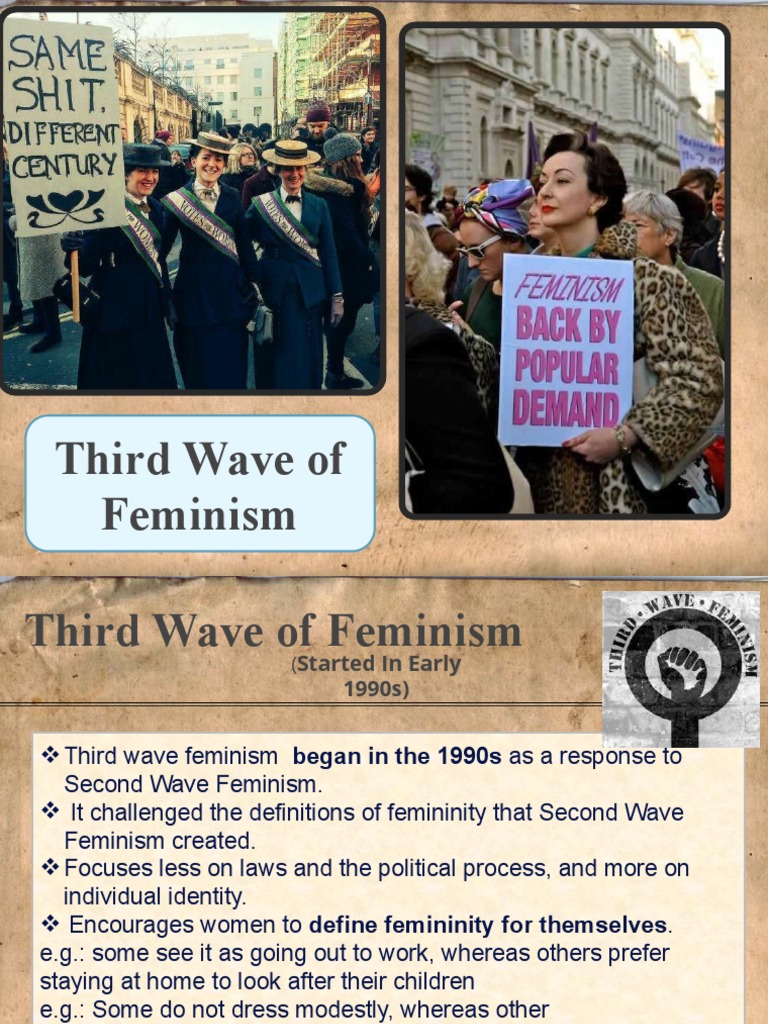
Are you a product of the first-wave suffragettes, fighting for the right to vote? Are you a second-wave radical feminist, dismantling patriarchal institutions? Or are you a third-wave postmodernist, embracing fluidity and challenging essentialist notions of womanhood? A solid understanding of the history is required. Furthermore, an understanding of the sociological implications of the history is critical. Where did you get your ideas from?
C. What are the Unacknowledged Biases that Shape Your Feminist Agenda?
We all carry baggage. Acknowledge it. Are you a white, middle-class cisgender woman advocating for issues that primarily benefit your own demographic? Are you a man appropriating feminist rhetoric to advance your own career? Honesty, however painful, is paramount. Self-awareness is a crucial skill to practice. Every identity is an intersection of different factors that need to be accounted for to engage in true progress. Acknowledge the limits of your understanding.
II. Power Dynamics: Unmasking the Patriarchal Leviathan
Feminism, at its core, is about power. It’s about the unequal distribution of power between men and women, and the systemic oppression that results. But let’s dig deeper. Is patriarchy a monolithic entity, or a complex web of interconnected forces? It is imperative to fully evaluate it.
A. How do you Define Patriarchy in the 21st Century?
Is it simply male dominance, or is it a more insidious system of cultural norms, institutional structures, and internalized beliefs that perpetuate gender inequality? How does patriarchy manifest in different contexts – in the workplace, in the home, in the media, in the halls of power? What is patriarchy to you? Be forthright.
B. What are the Most Insidious Forms of Power Imbalance that Often Go Unnoticed?
We often focus on the obvious examples of sexism – pay gaps, sexual harassment, political representation. But what about the subtle ways in which women are silenced, marginalized, and devalued? What about the emotional labor that women are expected to perform? What about the microaggressions that chip away at women’s self-esteem? These less obvious realities must be addressed as well.
C. How Can We Effectively Dismantle Systems of Power Without Perpetuating New Forms of Oppression?
This is the crux of the matter. It’s not enough to simply tear down existing structures; we must also build new ones that are more equitable and just. But how do we avoid repeating the mistakes of the past? How do we ensure that our activism doesn’t inadvertently exclude or marginalize other groups? One has to evaluate the unintended implications. How do we navigate the delicate balance between dismantling power and wielding it responsibly?
III. Intersectionality: Recognizing the Tapestry of Oppression
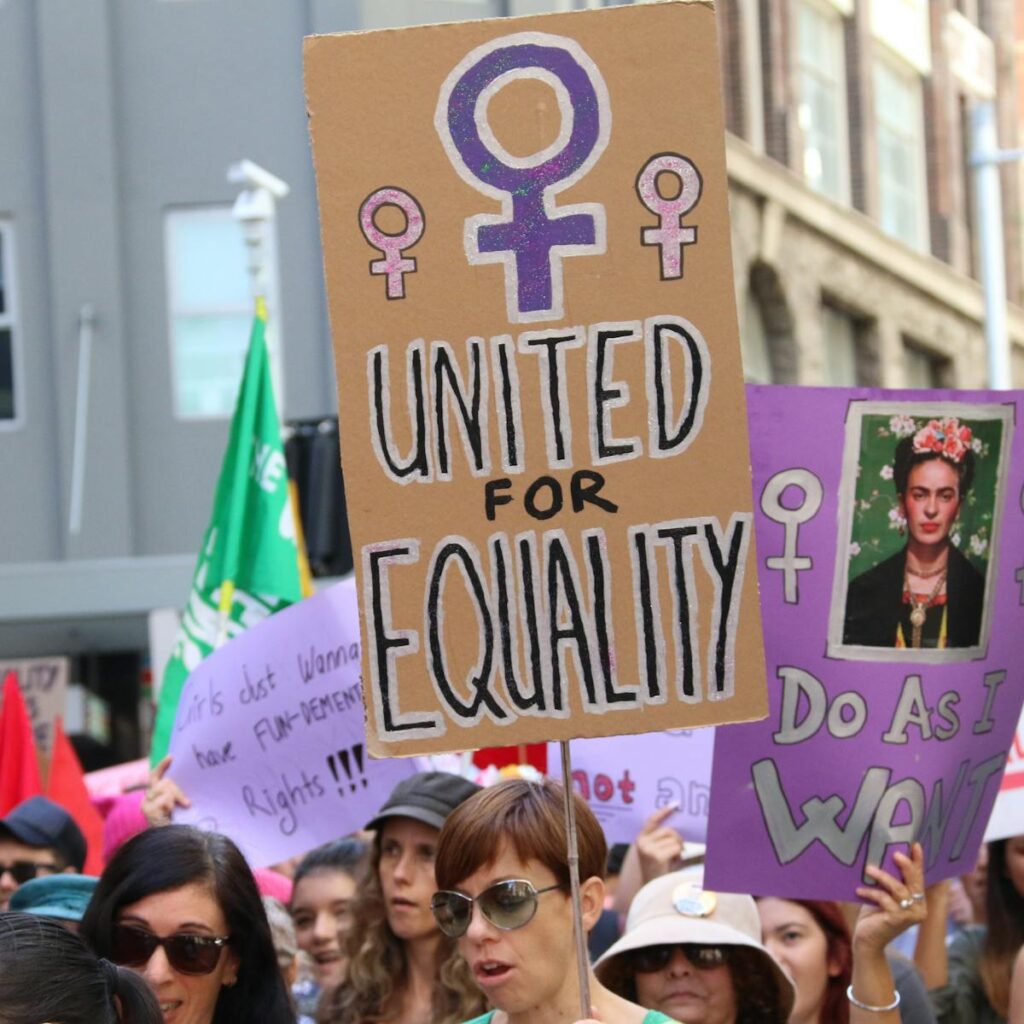
Feminism cannot be a homogenous movement. It must acknowledge the diverse experiences of women from different racial, ethnic, class, sexual, and religious backgrounds. Intersectionality is not just a buzzword; it’s a fundamental principle that should guide all our actions. Ignoring it leads to a very limited view.
A. How Does Race, Class, and Sexuality Intersect to Shape the Experiences of Women?
A black woman faces a unique set of challenges that are distinct from those faced by a white woman. A poor woman faces different obstacles than a wealthy woman. A lesbian woman faces different forms of discrimination than a heterosexual woman. We must understand these intersections to create a truly inclusive feminism. To miss this is to ignore reality. It requires self reflection.
B. How Can We Ensure That Feminist Activism is Inclusive of All Women, Regardless of Their Background?
This requires a conscious effort to amplify the voices of marginalized women, to challenge our own biases, and to create spaces where all women feel safe and valued. It requires a willingness to listen, to learn, and to adapt our strategies to meet the needs of diverse communities. How can this be achieved?
C. What are the Dangers of Essentializing Women’s Experiences?
Assuming that all women share the same experiences is not only inaccurate, it’s also harmful. It can lead to the erasure of marginalized women and the perpetuation of stereotypes. We must resist the urge to generalize and instead focus on the specific challenges faced by individual women. Women are not a monolith.
IV. The Future of Feminism: Navigating the Labyrinth of Progress
Feminism is not a static ideology; it’s constantly evolving to meet the challenges of a changing world. What are the key issues that will shape the future of feminism? And how can we ensure that the movement remains relevant and effective?
A. What are the Most Pressing Issues Facing Women Today?
Climate change, economic inequality, reproductive rights, gender-based violence, political representation – the list is endless. Which issues are most important to you, and why? What are the underlying causes of these issues, and how can we address them effectively? This must be analyzed.
B. How Can We Use Technology to Advance Feminist Goals?
The internet can be a powerful tool for organizing, educating, and mobilizing activists. But it can also be used to spread misinformation, harass women, and perpetuate gender stereotypes. How can we harness the power of technology to promote feminist values and combat online misogyny? The internet also brings problems.
C. How Can We Build Alliances with Other Social Justice Movements?
Feminism is not an isolated struggle; it’s interconnected with other movements for social justice, such as racial justice, LGBTQ+ rights, and environmental activism. How can we build coalitions and work together to create a more just and equitable world for all? To do so would be the most effective route.
D. How can we use law and policy to further feminist goals?
We can support the passage of laws and policies that promote gender equality, such as equal pay laws, paid family leave laws, and laws that protect reproductive rights. We can also work to repeal laws and policies that discriminate against women, such as laws that restrict access to abortion or laws that allow for gender-based violence. However, some argue that laws alone are not enough to achieve gender equality. They argue that we also need to change attitudes and behaviors. Which point of view do you ascribe to? Consider the implications.
These are not easy questions. They require introspection, critical thinking, and a willingness to challenge our own assumptions. But if we are serious about achieving gender equality, we must be willing to engage in these difficult conversations. The future of feminism depends on it. It requires more than just shallow discussion, it necessitates a real deep dive into the problems we face, the solutions we can use, and the history that informs them. Otherwise it is just rhetoric.





Leave a Comment