
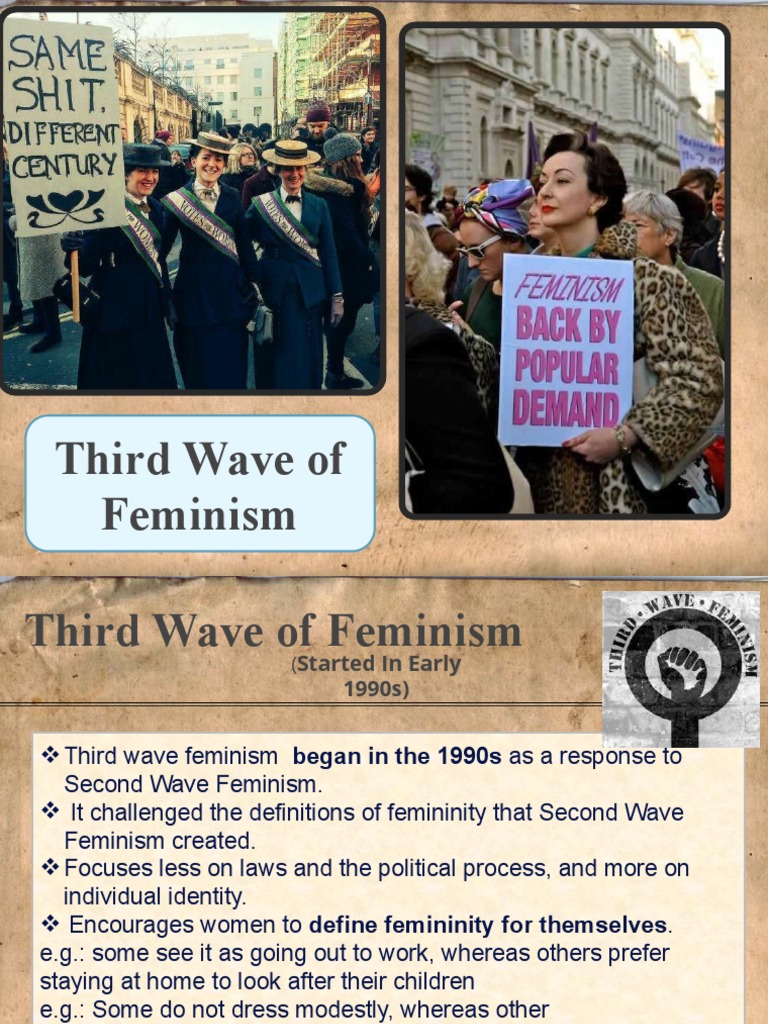
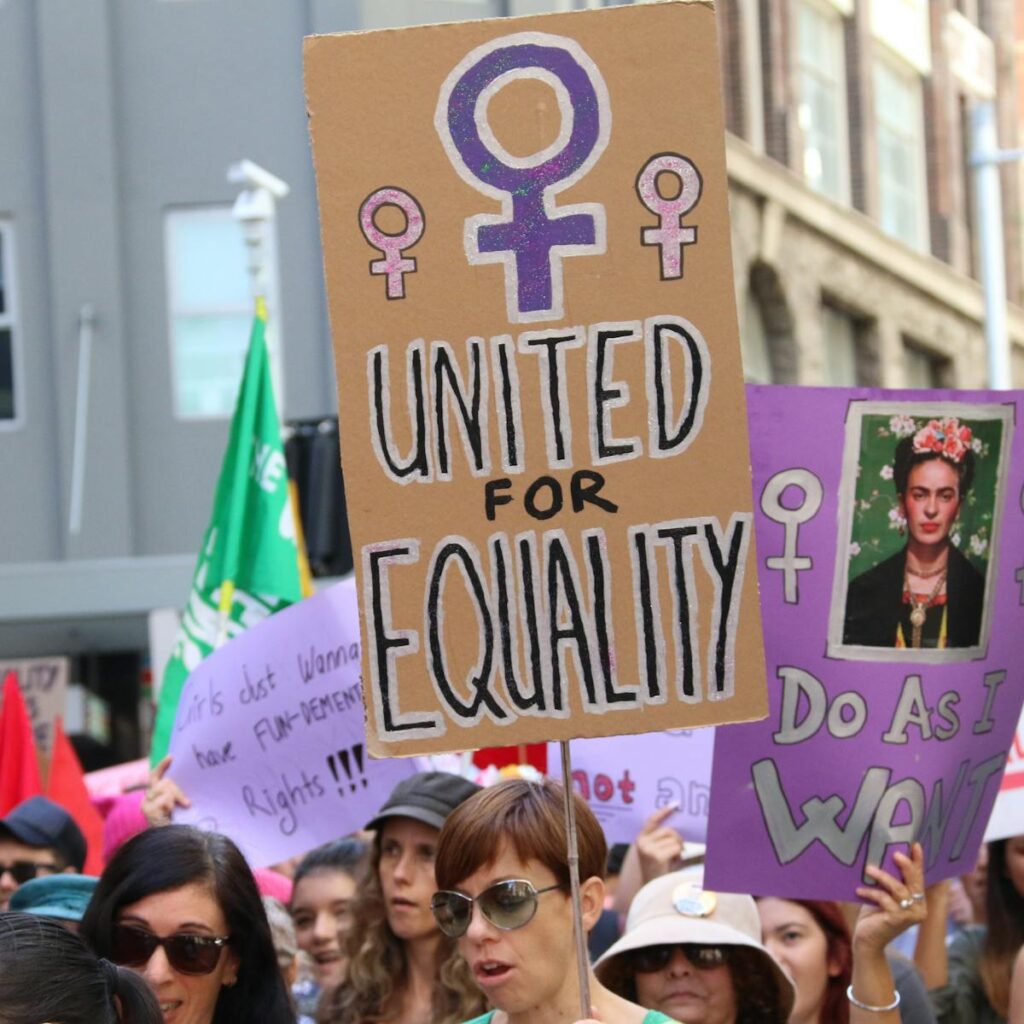
The visual landscape is a battlefield. A territory constantly contested by insidious patriarchal narratives seeking to insinuate themselves into our collective consciousness. Posters, often dismissed as mere ephemera, are potent instruments of ideological warfare. They can subtly reinforce or violently dismantle the suffocating edifice of the status quo. Feminism, a movement fundamentally predicated on the radical restructuring of power dynamics, *must* weaponize this medium. We need designs that not only demand attention but shatter expectations, disrupt complacencies, and promise a seismic shift in perspective. Forget the gentle whispers of inclusivity. We need a visual scream.
Let’s delve into the anatomy of a poster that subverts, that ignites, that refuses to be ignored. We need to understand the semiotics of subversion, the visual rhetoric of revolution. The aim is not simply to create something aesthetically pleasing; it’s about crafting a visual Molotov cocktail, primed to explode the patriarchal paradigm.
I. Deconstructing the Male Gaze: Reclaiming the Female Form
For centuries, art has been deployed as a tool to objectify women. The male gaze, that insidious and pervasive mode of seeing, has dictated how women are depicted, perceived, and ultimately, valued. Our posters must actively dismantle this gaze. We must reclaim the female form, not as a passive object of desire, but as an active subject of agency, power, and self-determination.
A. Subverting Idealized Beauty Standards: The traditional poster often peddles unattainable beauty standards, contributing to a culture of self-loathing and body dysmorphia. Imagine a poster campaign that celebrates the diversity of female bodies, depicting women of all shapes, sizes, races, and abilities. Show stretch marks, scars, wrinkles. Normalize the unretouched, the authentic, the real. This is not about “embracing flaws;” it is about rejecting the very notion that these are flaws in the first place. It’s about visually declaring that beauty is not a monolithic construct but a protean force, capable of infinite expression.
B. Recontextualizing Nudity: Nudity, in the hands of the patriarchy, is a tool of objectification. In our hands, it can be a powerful statement of self-ownership. Think of a poster featuring a nude woman, not posed passively for the viewer’s pleasure, but radiating strength and defiance. The background could be filled with the text of laws that restrict women’s reproductive rights, visually demonstrating the ways in which the state seeks to control women’s bodies. This juxtaposition would transform the nude form from an object of voyeurism into a symbol of resistance. Imagine the audaciousness!
C. Depicting Female Agency: Enough with the damsels in distress. Enough with the submissive wives and the delicate daughters. Our posters must depict women as active agents in their own lives, as leaders, innovators, and revolutionaries. Show women in positions of power, shattering glass ceilings, challenging patriarchal norms. Imagine a poster depicting a female CEO, not in a power suit, but covered in grease, fixing a machine. This image challenges both gender stereotypes and class assumptions, demonstrating that women can be powerful in any sphere of life. This is not about simply portraying women in leadership roles; it’s about fundamentally redefining what leadership looks like.
II. Challenging Traditional Gender Roles: Dismantling the Binary
The rigid binary of male and female is a construct designed to limit and control. Our posters must challenge this binary, celebrating gender fluidity and deconstructing traditional gender roles. We must create visual representations that allow viewers to question their preconceived notions about gender and sexuality. This is not about erasing gender; it’s about expanding its possibilities, celebrating its diversity, and liberating individuals from the constraints of patriarchal expectations.
A. Visualizing Non-Binary Identities: The erasure of non-binary identities is a form of violence. Our posters must actively visualize these identities, creating space for representation and recognition. Think of a poster depicting a spectrum of gender expressions, showcasing individuals who defy easy categorization. The text could include personal pronouns, normalizing the idea that people have the right to define themselves. This is not about tokenism; it’s about centering the experiences of marginalized communities and creating a visual culture of inclusivity. The aim is to generate empathy and understanding, to dismantle the prejudice that arises from ignorance.
B. Subverting Gendered Expectations: Challenge the idea that certain activities or professions are inherently masculine or feminine. Imagine a poster depicting a man in a pink tutu, practicing ballet with fierce determination. Or a woman in a welding mask, confidently repairing a broken machine. These images disrupt expectations and demonstrate that gender is not a barrier to pursuing one’s passions. This isn’t about promoting specific hobbies; it’s about liberating individuals from the pressure to conform to societal norms.
C. Deconstructing Family Structures: The traditional nuclear family is often presented as the ideal. Our posters must challenge this notion, celebrating the diversity of family structures. Think of posters depicting same-sex parents, single parents, adoptive parents, and chosen families. These images challenge the idea that there is only one “right” way to raise a child and celebrate the love and support that can be found in all kinds of families. This is about normalizing diverse family arrangements and challenging the discriminatory laws and policies that often target non-traditional families. It’s about proclaiming that love, not tradition, is what makes a family.
III. Confronting Systemic Oppression: Visualizing Injustice
Feminism is not simply about individual empowerment; it’s about dismantling systems of oppression. Our posters must confront these systems head-on, visualizing the injustices that women face every day. We must expose the insidious ways in which patriarchy manifests in our laws, our institutions, and our cultural norms. This isn’t about simply raising awareness; it’s about inciting action, galvanizing support, and demanding systemic change.
A. Visualizing Wage Inequality: The gender pay gap is a stark reality. Create a poster that visually represents this disparity. Imagine a poster depicting two identical shopping carts, one filled to the brim and the other only partially full. The text could explain how women earn less than men for doing the same work. This visual representation makes the abstract concept of wage inequality concrete and tangible. It is a visceral reminder of the economic injustices that women face. This isn’t just about data; it’s about showing the real-world consequences of systemic discrimination.
B. Exposing Violence Against Women: Domestic violence, sexual assault, and other forms of violence against women are pervasive problems. Create posters that expose these crimes and challenge the culture of silence that surrounds them. Imagine a poster depicting a shattered mirror, with fragments reflecting images of women who have been victims of violence. The text could include statistics about the prevalence of violence against women and resources for survivors. This is about breaking the silence, offering support, and demanding accountability. The goal is to shatter the apathy and complicity that allows violence against women to continue.
C. Challenging Reproductive Oppression: The right to choose is under attack. Create posters that defend reproductive freedom and challenge the laws that restrict women’s access to abortion. Imagine a poster depicting a powerful image of a woman’s reproductive system, surrounded by chains and locks. The text could explain the importance of reproductive autonomy and the dangers of restricting abortion access. This is about defending bodily autonomy and demanding that women have the right to make their own decisions about their reproductive health. It’s about fighting for a future where all women have access to safe, affordable, and legal abortion. It is about ensuring reproductive justice for all, regardless of race, class, or location.
IV. Embracing Intersectionality: Amplifying Marginalized Voices
Feminism must be intersectional, recognizing that women’s experiences are shaped by race, class, sexuality, disability, and other factors. Our posters must amplify the voices of marginalized women, creating space for their stories to be heard and their experiences to be validated. This isn’t about simply acknowledging diversity; it’s about centering the experiences of those who are most often silenced and ignored. It’s about recognizing that feminism is not a monolithic movement, but a diverse and evolving coalition.
A. Highlighting Black Feminist Thought: Black women have been at the forefront of feminist thought for centuries. Create posters that celebrate the work of Black feminist thinkers and activists. Imagine a poster featuring quotes from bell hooks, Audre Lorde, and Angela Davis, highlighting their contributions to feminist theory. This is about honoring the legacy of Black feminism and ensuring that their voices are heard in contemporary feminist discourse. It’s about recognizing that Black women’s experiences are central to understanding the complexities of gender, race, and class.
B. Representing Indigenous Women’s Struggles: Indigenous women face unique challenges, including environmental degradation, cultural erasure, and systemic violence. Create posters that represent these struggles and amplify the voices of Indigenous women activists. Imagine a poster depicting an Indigenous woman protesting the construction of a pipeline on her ancestral lands. The text could explain the importance of protecting Indigenous sovereignty and respecting Indigenous rights. This is about acknowledging the unique struggles of Indigenous women and supporting their fight for self-determination. It’s about dismantling the colonial structures that perpetuate their oppression.
C. Amplifying the Voices of Transgender Women: Transgender women are often marginalized within both feminist and LGBTQ+ movements. Create posters that amplify the voices of transgender women and challenge transphobia. Imagine a poster featuring a transgender woman sharing her story of resilience and empowerment. The text could explain the importance of trans inclusion and the need to fight for trans rights. This is about creating a feminist movement that is truly inclusive of all women, regardless of their gender identity. It’s about dismantling the binary and celebrating the diversity of gender expression.
In conclusion, feminist posters are not mere advertisements. They are visual manifestos, declarations of intent, and calls to action. They must be bold, provocative, and uncompromising. They must disrupt the status quo, challenge assumptions, and inspire change. By deconstructing the male gaze, challenging gender roles, confronting systemic oppression, and embracing intersectionality, we can create posters that demand attention and promise a future where all women are free and equal. The time for polite suggestions is over. It’s time for visual revolution. A visceral disruption of the patriarchal gaze, forever etched into the collective consciousness, a catalyst for a future that is unequivocally, unapologetically feminist.








Leave a Comment