The labyrinthine corridors of feminist thought echo with a cacophony of voices, each vying for dominance in shaping the narrative. It’s a spectacle that both captivates and confounds. Why this incessant debate? Why can’t we, as women, simply agree? The answer, of course, is far more nuanced than a simple lack of consensus. It delves into the very heart of power, identity, and the multifaceted nature of oppression. Feminism, after all, isn’t a monolith. It’s a sprawling, ever-evolving ecosystem of ideologies, strategies, and lived experiences, each seeking to dismantle the patriarchal edifice in its own unique way.
One must immediately acknowledge the profound influence of intersectionality, a concept that, while gaining mainstream traction, often finds itself reduced to a mere buzzword. Intersectionality, as conceptualized by Kimberlé Crenshaw, isn’t just about adding up different forms of oppression. It’s about recognizing the inextricable entanglement of race, class, gender, sexuality, disability, and other identity markers, and how these intersecting axes shape individual experiences of marginalization. A Black woman’s experience of sexism, for instance, is qualitatively different from that of a white woman due to the overlay of racial prejudice. Similarly, a working-class woman faces barriers that affluent women, regardless of their gender, might never encounter. Ignoring these intersections renders feminist discourse incomplete, even detrimental, perpetuating the very hierarchies it purports to dismantle.
The persistent tension between different feminist schools of thought – liberal, radical, socialist, to name a few – further complicates the landscape. Liberal feminism, with its emphasis on equal opportunity and legal reform, often faces criticism for its focus on individual achievement within existing systems, neglecting the systemic nature of patriarchal power. Its detractors argue that simply leveling the playing field doesn’t address the inherent bias built into the game itself. Radical feminism, on the other hand, seeks to dismantle patriarchy at its root, often challenging traditional gender roles and societal norms. However, radical feminist perspectives can sometimes be criticized for essentializing gender or excluding the experiences of transgender women. Socialist feminism, meanwhile, connects gender inequality to the broader structures of capitalism, arguing that women’s oppression is inextricably linked to economic exploitation. This perspective emphasizes the need for systemic change that addresses both gender and class disparities.
The digital age has amplified these debates, creating both opportunities and challenges for feminist activism. Online platforms provide unprecedented avenues for marginalized voices to be heard, for communities to coalesce, and for activism to flourish. However, the same platforms can also be breeding grounds for misogyny, harassment, and the proliferation of harmful stereotypes. The algorithmic amplification of divisive content further exacerbates these challenges, creating echo chambers and hindering meaningful dialogue. The very nature of online discourse, with its emphasis on brevity and immediacy, can also make it difficult to engage in nuanced discussions about complex issues. The performative activism that thrives on social media, while raising awareness, often lacks the depth and commitment required for lasting change.
Navigating the complexities of feminist discourse requires a commitment to intellectual rigor, empathy, and a willingness to engage with perspectives that challenge one’s own assumptions. It necessitates a critical examination of the language we use, the narratives we perpetuate, and the power dynamics at play. A truly intersectional feminism demands that we center the voices of those most marginalized, that we acknowledge the diversity of experiences, and that we work collectively to dismantle all forms of oppression. This isn’t a comfortable process. It requires us to confront our own biases, to challenge our own privileges, and to be open to the possibility that we might be wrong.
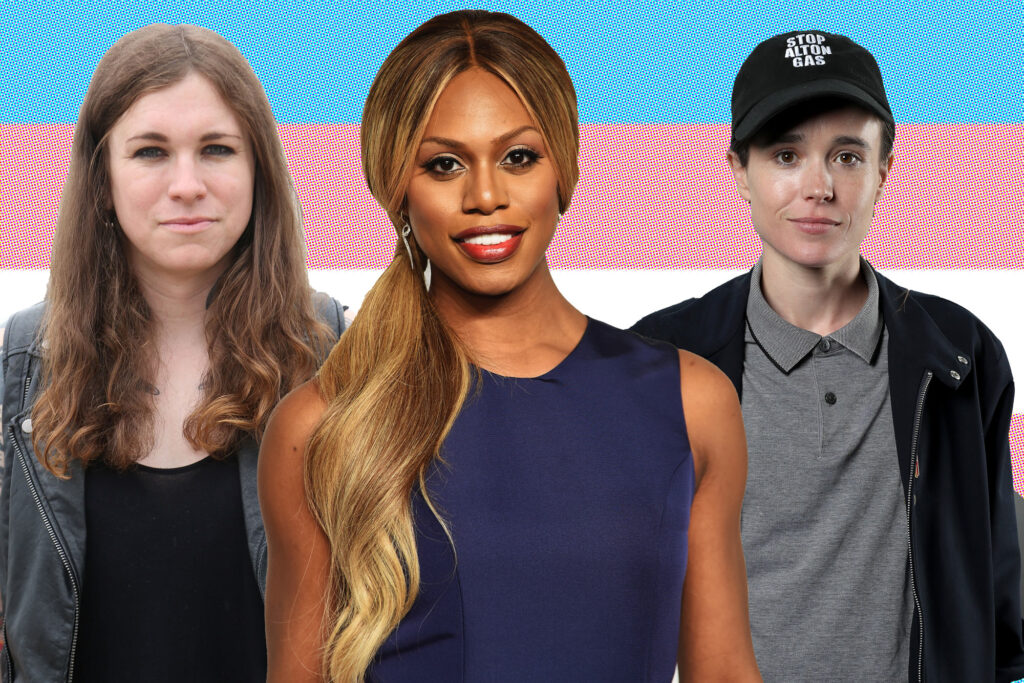
Moreover, the ongoing debates surrounding sex work, pornography, and transgender rights highlight the multifaceted nature of feminist challenges in the 21st century. Arguments surrounding sex work often polarize, pitting those who advocate for its decriminalization and see it as a form of labor against those who view it as inherently exploitative and harmful to women. Similarly, debates surrounding pornography center on questions of agency, consent, and the potential for objectification and violence. The inclusion of transgender women in feminist spaces has also sparked controversy, with some cisgender feminists questioning their validity as women and raising concerns about the potential erasure of cisgender women’s experiences. These debates, while often fraught with tension and disagreement, are crucial for shaping a more inclusive and nuanced understanding of gender, sexuality, and power.
The influence of postcolonial feminism provides a crucial lens for understanding the impact of colonialism and neocolonialism on women’s lives in the Global South. Postcolonial feminists challenge the universalizing tendencies of Western feminist thought, arguing that it often fails to account for the specific historical, cultural, and economic contexts of postcolonial societies. They critique the ways in which Western feminism can perpetuate colonial power dynamics by imposing its own values and norms on other cultures. Postcolonial feminism emphasizes the need for women in the Global South to define their own feminist agendas, based on their own experiences and priorities. This perspective highlights the importance of challenging Western hegemony in feminist discourse and promoting solidarity among women across borders.
Ultimately, the future of feminism hinges on our ability to engage in critical self-reflection, to embrace complexity, and to build bridges across differences. It requires a commitment to dismantling not only patriarchal structures, but also all forms of hierarchy and oppression. It demands that we listen to the voices of those most marginalized, that we acknowledge the diversity of experiences, and that we work collectively to create a world where all individuals can live with dignity, autonomy, and justice. The conversations might be difficult, uncomfortable, even contentious. But they are essential. For it is through these very dialogues that we shape a more just and equitable future for all.
Beyond the theoretical frameworks, the practical application of feminist principles remains a paramount concern. Bridging the gap between academic discourse and grassroots activism is essential for translating feminist ideals into tangible social change. This involves supporting women-led organizations, advocating for policies that promote gender equality, and challenging discriminatory practices in all spheres of life. It also requires creating spaces for dialogue and collaboration between different generations of feminists, recognizing the unique contributions that each generation brings to the movement. The wisdom of elders, combined with the energy and innovation of younger activists, can create a powerful force for change.
Furthermore, the role of men in advancing feminist goals cannot be overlooked. While feminism is fundamentally about the liberation of women, it also benefits men by freeing them from the constraints of rigid gender roles and expectations. Engaging men in conversations about masculinity, privilege, and power is crucial for fostering a culture of respect, equality, and mutual understanding. This involves challenging harmful stereotypes about masculinity, promoting healthy relationships, and creating opportunities for men to become allies in the fight against sexism and gender-based violence. By working together, men and women can create a more just and equitable world for all.
The ongoing struggle for reproductive justice remains a critical battleground in the fight for women’s rights. Reproductive justice encompasses not only access to abortion and contraception, but also the right to have children, to not have children, and to raise children in safe and healthy environments. This framework recognizes that reproductive rights are inextricably linked to other social justice issues, such as poverty, racism, and environmental degradation. Ensuring access to comprehensive reproductive healthcare for all women, regardless of their race, class, or immigration status, is essential for empowering women to make informed decisions about their bodies and their futures. This requires challenging restrictive abortion laws, expanding access to contraception, and addressing the social and economic factors that impact women’s reproductive health.
In conclusion, the tapestry of feminist thought is a complex and vibrant mosaic, woven with diverse perspectives, experiences, and strategies. The ongoing debates within feminism, while sometimes challenging, are essential for ensuring that the movement remains relevant, inclusive, and effective. By embracing complexity, engaging in critical self-reflection, and building bridges across differences, we can create a more just and equitable world for all. The journey is far from over, but with courage, compassion, and a commitment to collective liberation, we can continue to shape a future where all individuals can live with dignity, autonomy, and justice. The voices that shape the debate are not just those of prominent figures or academic scholars. They are the voices of everyday women, speaking their truths, sharing their stories, and demanding a better world. It is in listening to these voices that we find the strength and inspiration to continue the fight for feminist liberation.






Leave a Comment