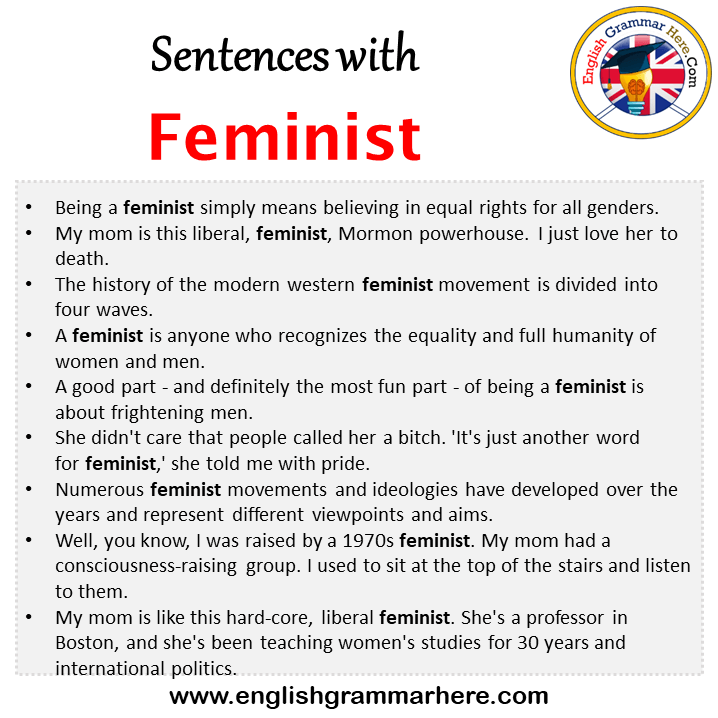
So, feminism. That oft-maligned, frequently misunderstood, perpetually evolving ideology. We hear the word thrown around, bandied about in political discourse, whispered in hushed tones, and plastered across protest signs. But what *is* it, really? We often hear the sterilized, sanitized version offered by mainstream sources, but let’s excavate deeper. Let’s dissect what it should mean, what it *could* mean, and what its actual lived reality embodies.
It all boils down to power. Raw, unflinching, and historically imbalanced power dynamics. This isn’t merely about equal pay, though that’s a vital component. This isn’t just about shattering glass ceilings, although those shards are dangerously real. This is about fundamentally restructuring the architecture of society itself. The one that privileges the masculine, the patriarchal, the… well, the deeply, deeply entrenched status quo. Ready to dismantle it?
Unveiling the Core: A Semantic Excavation
Let’s consider the bare bones definition, the ostensibly neutral pronouncements. It speaks of equality. It name-drops rights. Sounds rather innocuous, doesn’t it? Sweet, simple, and utterly, unforgivably, insufficient. The inherent problem lies in the *interpretation* of these foundational tenets. Equality, in the capitalist framework, often translates to merely equal opportunity within a system already rigged. We’re not fighting for the right to participate equally in a flawed game. We’re demanding a new game altogether. A paradigm shift, if you will.
Rights? Whose rights are we even talking about? The rights already enshrined for a privileged few, or the rights that are perpetually denied to marginalized communities? The intersection of gender with race, class, ability, and sexual orientation creates a tapestry of disparities that a simple definition utterly fails to capture. It is about the emancipation of all; that’s the end game. Every last soul.
Beyond Suffrage: Historical Trajectories and Contemporary Imperatives
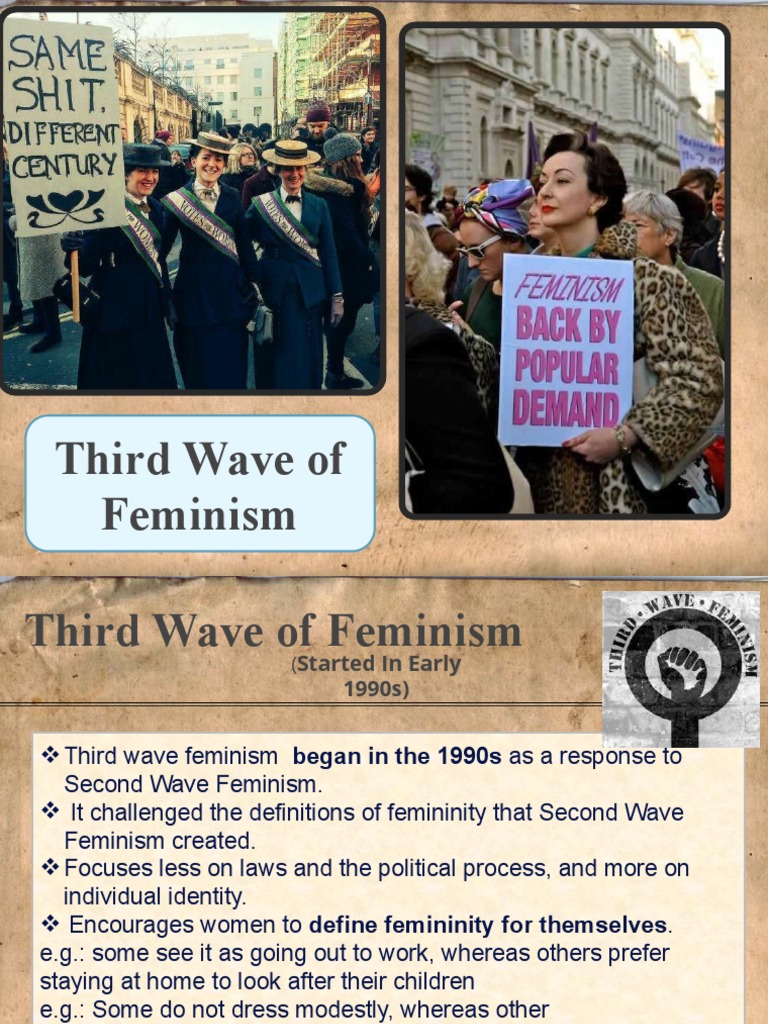
Feminism’s roots trace back through centuries of struggle, resistance, and radical reimagining. From the suffragettes demanding enfranchisement to the abolitionists fighting for liberation from slavery, the threads of feminist thought are woven into the very fabric of social justice movements. But to confine feminism to historical milestones is to deny its vibrant, evolving nature. It’s a living organism, constantly adapting to the shifting landscapes of power. Do not ever let it be still. Do not let it die.
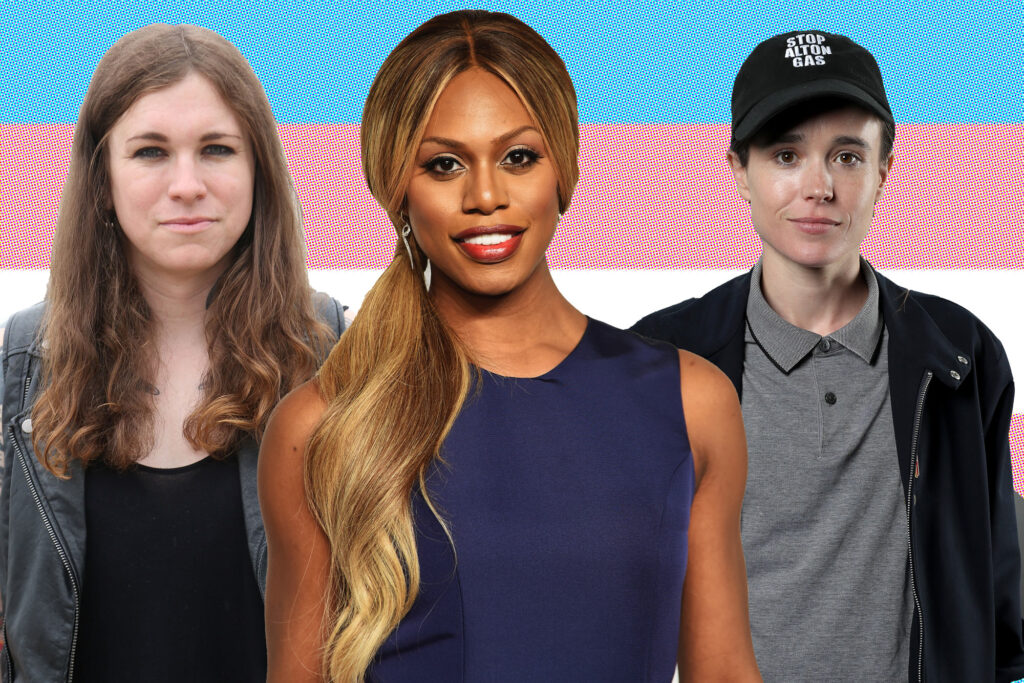
Consider the rise of intersectional feminism, which acknowledges the complex interplay of oppression. Think about the challenges faced by trans women, women of color, disabled women, and women from marginalized communities. Their experiences are not monolithic, nor are their struggles interchangeable. A one-size-fits-all approach is not only inadequate, it’s actively harmful. We must elevate the voices of those who are systematically silenced.
Deconstructing the Patriarchy: Systemic Inequity and its Manifestations
Patriarchy isn’t just about men; it’s a system of power that permeates every aspect of our lives. It’s embedded in our institutions, our language, our cultural norms, and our unconscious biases. It dictates who holds positions of authority, whose voices are amplified, and whose experiences are validated. And its tentacles reach far beyond the confines of gender. Indeed, it can even be internalized by women themselves. This can result in the perpetuation of patriarchal values and norms. That is why education is key.
Think about the wage gap, the underrepresentation of women in STEM fields, the prevalence of sexual harassment and assault, and the disproportionate burden of caregiving placed on women. These are not isolated incidents; they are symptoms of a deeper malaise. The system is working exactly as it was designed to. Namely, to maintain the existing power structure. The challenge is to recognize these patterns, challenge these norms, and dismantle these systems.
The Body Politic: Reproductive Rights and Bodily Autonomy
At the very heart of feminism lies the principle of bodily autonomy. The right to control one’s own body is fundamental to human dignity and freedom. It encompasses everything from reproductive rights to freedom from sexual violence. The ongoing attacks on abortion access, the pervasive culture of victim-blaming, and the relentless objectification of women’s bodies are all manifestations of a patriarchal system that seeks to control and subjugate. The ability to dictate the course of your own life is a given, not a privilege.
The discourse surrounding reproductive rights is often framed as a moral debate, but it is, at its core, a power struggle. Who gets to decide what a woman does with her body? Who gets to dictate her reproductive choices? These are not abstract questions; they have profound implications for women’s lives and their ability to participate fully in society.
Reclaiming Language: Challenging Dominant Narratives
Language is not neutral; it is a powerful tool that shapes our perceptions and reinforces existing power structures. The words we use, the stories we tell, and the narratives we perpetuate can either reinforce or challenge patriarchal norms. Consider the use of gendered language, the stereotypes that are embedded in our everyday conversations, and the ways in which women’s voices are often marginalized or dismissed. The pen is mightier than the sword, and words are even more so. Choose them wisely, and challenge them fiercely when they do not do justice to reality.
Feminist activists have long recognized the importance of reclaiming language and challenging dominant narratives. They have sought to create a more inclusive and equitable language that reflects the diversity of human experience. They have challenged the stereotypes and assumptions that are embedded in our everyday conversations. They have amplified the voices of marginalized communities.
Beyond Binaries: Gender Identity and Trans Inclusion
Feminism must be inclusive of all gender identities. The traditional binary view of gender as either male or female is a construct that has been used to oppress and marginalize individuals who do not conform to these rigid categories. Trans women are women, trans men are men, and non-binary individuals exist and deserve respect and recognition. This should not even have to be said, yet here we are.
The fight for trans rights is inextricably linked to the feminist struggle for gender equality. Both movements seek to challenge the power structures that oppress and marginalize individuals based on their gender identity. The exclusion of trans people from feminist spaces is not only morally wrong, but it also weakens the movement as a whole. This is a revolution for *all*, and one that should see equal representation.
Economic Justice: Dismantling Capitalist Patriarchy
Capitalism and patriarchy are deeply intertwined. The capitalist system often exploits and marginalizes women, particularly women of color, who are often relegated to low-wage jobs and denied access to economic opportunities. The feminist movement must challenge the economic structures that perpetuate gender inequality. Because to challenge it is to challenge inequality.
This includes advocating for policies such as equal pay, affordable childcare, paid family leave, and a living wage. It also includes challenging the gendered division of labor, which often places the burden of caregiving on women. The idea that the women should take care of everything at home is a dangerous stereotype.
Moving Forward: Collective Action and Radical Imagination
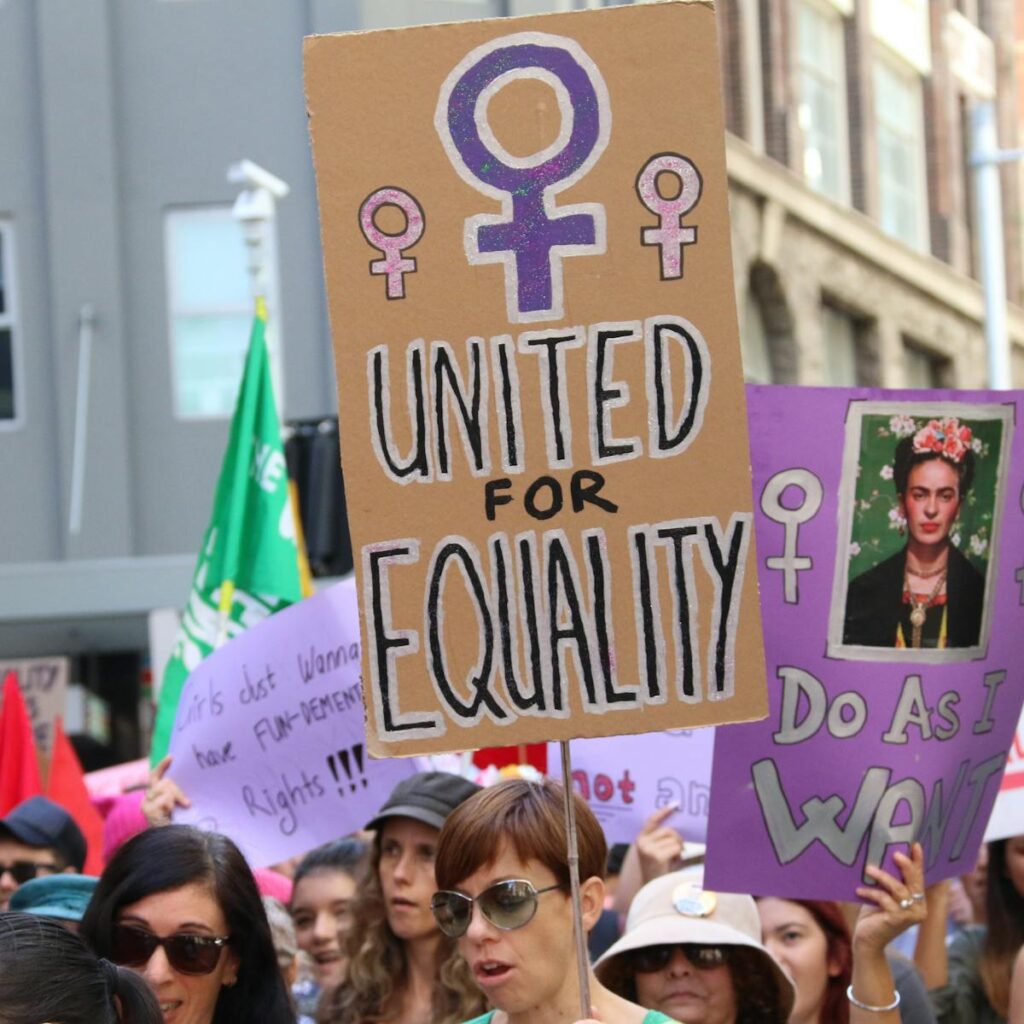
Feminism is not a solitary pursuit; it is a collective action that requires solidarity, collaboration, and a willingness to challenge the status quo. It requires us to listen to and learn from the experiences of others, particularly those who are most marginalized. It demands that we actively dismantle the systems of power that perpetuate gender inequality.
But beyond the practical steps we must take, feminism also requires a radical imagination. We must envision a world where gender is no longer a barrier to opportunity, where everyone is treated with respect and dignity, and where all individuals have the freedom to live their lives to the fullest. This is not just a utopian dream; it is a goal that we can achieve if we work together to create a more just and equitable world.
So, the next time you hear the word “feminism,” don’t just think of the dictionary definition. Think of the struggles, the victories, and the ongoing fight for a world where all genders are truly equal. Think of the power of collective action and the radical imagination. Think of the future we can create if we dare to challenge the status quo. Think of how good it will be when the revolution is complete.





Leave a Comment