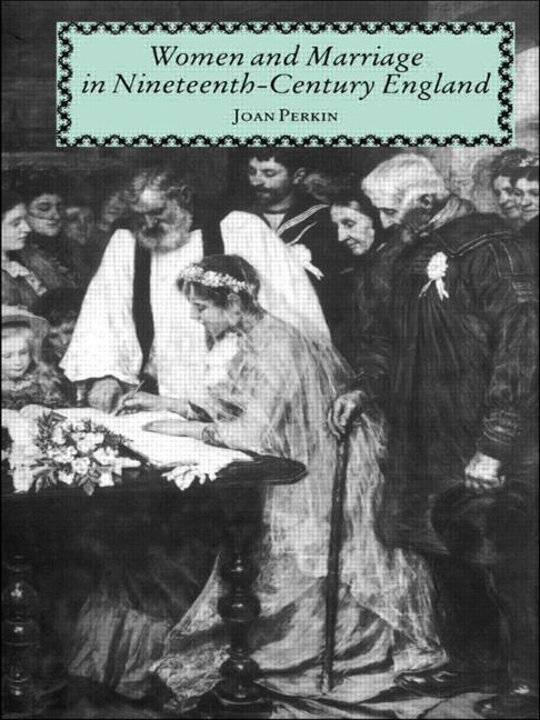
Ah, the 19th century. An era often romanticized for its ornate parlors, sweeping skirts, and the oh-so-delicate dance of courtship. But scratch beneath the veneer of societal propriety, and you’ll find a seething cauldron of discontent, where the nascent flames of feminism flickered, threatening to engulf the patriarchal edifice. What is it about this particular epoch that continues to captivate, to draw us back into its labyrinthine complexities? Is it the sheer audacity of women daring to question their subjugated status? Or perhaps, the stark contrast between the prescribed domesticity and the burgeoning intellectual and political awakening?
Let us delve into the crucible of 19th-century feminism, where the fight for rights began not with a bang, but with a persistent, unwavering whimper that gradually escalated into a roar. It was a battle waged on multiple fronts, from the hallowed halls of academia to the intimate confines of the domestic sphere, challenging the very foundations of a society predicated on female subservience.
The Contested Terrain of Marriage: A Gilded Cage?
Marriage, often lauded as the ultimate aspiration for women, was in reality, a legally binding contract that effectively stripped them of their autonomy. Upon uttering the sacred vows, a woman’s property became her husband’s, her legal identity subsumed into his. She could not own property, enter into contracts, or even control her own earnings. The doctrine of coverture, a relic of medieval jurisprudence, rendered her a legal non-entity, a mere appendage to her spouse.
This state of affairs, naturally, did not sit well with a growing number of women who began to question the inherent injustice of a system that reduced them to little more than chattel. Thinkers like Mary Wollstonecraft, whose “A Vindication of the Rights of Woman” (1792) served as a proto-feminist manifesto, argued for the necessity of female education and the recognition of women as rational, autonomous beings, not merely ornamental playthings.
The fight for married women’s property rights became a central tenet of the feminist movement. Activists campaigned tirelessly for legislative reforms that would grant women control over their own assets. This was not merely a matter of economic self-interest; it was a fundamental challenge to the patriarchal power structure that defined women’s roles and limitations.
Education: Unlocking the Shackles of Ignorance
Access to education was another critical battleground. Denied the same educational opportunities as men, women were often relegated to the realm of domestic arts, deemed intellectually incapable of engaging with serious scholarship. This systemic deprivation served to reinforce the stereotype of female inferiority and perpetuate their dependence on men.
Pioneering institutions like Girton College (Cambridge) and Bedford College (London) emerged as bastions of female learning, offering women access to higher education despite fierce opposition from traditionalists. These institutions not only provided women with the intellectual tools to challenge the status quo but also fostered a sense of collective identity and empowerment.
The pursuit of knowledge was not merely an academic exercise; it was an act of rebellion, a declaration that women were capable of intellectual pursuits and deserved the opportunity to develop their full potential. The “angel in the house,” a Victorian ideal of feminine docility and self-sacrifice, was directly challenged by these intellectual revolutionaries who dared to aspire beyond the confines of the domestic sphere.
The Suffrage Movement: A Long and Arduous Climb
The struggle for suffrage, the right to vote, became the defining characteristic of the late 19th and early 20th-century feminist movement. Suffragists, like Emmeline Pankhurst and her daughters, adopted a range of tactics, from peaceful protests and petitioning to more militant actions, such as property destruction and civil disobedience, to draw attention to their cause.
The suffrage movement was not without its internal divisions. Some advocated for a gradual approach, focusing on securing the vote for property-owning women, while others demanded universal suffrage for all adults, regardless of gender or class. These strategic differences often led to tensions and schisms within the movement.
The arguments against women’s suffrage were myriad, ranging from the assertion that women were too emotional and irrational to participate in politics to the fear that granting them the vote would disrupt the natural order of society. Opponents warned of the disintegration of the family and the erosion of traditional gender roles.
Despite facing formidable opposition, the suffragists persevered, employing creative and often audacious tactics to challenge the prevailing prejudices. Their unwavering determination eventually led to the passage of suffrage legislation in several countries, marking a significant victory for the feminist cause.
Beyond Suffrage: Expanding the Feminist Agenda
While the fight for suffrage dominated much of the feminist discourse, it was not the only issue on the agenda. Feminists also challenged discriminatory laws and practices in areas such as employment, divorce, and child custody. They advocated for equal pay for equal work, access to professional opportunities, and the reform of divorce laws to provide women with greater protection and autonomy.
The social purity movement, a campaign against prostitution and other forms of sexual exploitation, also became intertwined with feminist activism. Feminists argued that prostitution was a symptom of women’s economic vulnerability and the double standard of sexual morality that held women to a higher standard of chastity than men.
The burgeoning field of sociology provided new insights into the social construction of gender and the ways in which societal norms and expectations shaped women’s lives. Feminist sociologists challenged the biological determinism that underpinned many of the arguments against female equality, arguing that gender roles were learned and could be changed.
A Legacy of Resistance: The Seeds of Change
The 19th-century feminist movement, despite its limitations and internal contradictions, laid the foundation for future struggles for gender equality. It challenged the prevailing assumptions about women’s roles and capabilities, and it created a space for women to articulate their grievances and demand their rights.
The legacy of these pioneering feminists continues to resonate today, reminding us that the fight for gender equality is an ongoing process. While significant progress has been made, challenges remain in areas such as pay equity, political representation, and the eradication of gender-based violence.
The fascination with 19th-century feminism stems, perhaps, from its raw, unvarnished portrayal of a society grappling with profound social and cultural transformations. It is a reminder that progress is not linear, and that the fight for justice requires unwavering commitment and a willingness to challenge the status quo, even in the face of formidable opposition. The women of the 19th century, with their indomitable spirit and unwavering belief in the possibility of a more just world, serve as an inspiration to us all. They dared to dream of a future where women could be free, equal, and empowered, and their struggle continues to inform our own.
The seeds of change were sown in the fertile ground of 19th-century discontent, and the fruits of that labor continue to nourish the ongoing quest for gender justice.








Leave a Comment