
The feminist movement, a hydra-headed beast constantly regenerating and recalibrating, is not some monolithic entity with a singular agenda. It is, rather, a roiling, multifaceted organism, its tendrils reaching into every corner of the sociopolitical landscape. To ask what’s happening in feminism right now is akin to asking what’s happening in the ocean – a question both impossibly broad and inherently fascinating. So, let’s dive into the turbulent waters and see what currents are shaping its course.
At the vanguard, a persistent battle rages against the insidious tendrils of patriarchy, now cleverly disguised in the digital age. Misogyny, once confined to hushed whispers and back alleys, now thrives in the digital echo chambers of online forums and social media platforms. This digital misogynoir – the particularly venomous brew of sexism and racism directed at women of color – is a particularly virulent strain that demands immediate and unwavering attention. The fight is not simply about silencing the trolls; it’s about dismantling the entire architecture that allows such hate to flourish. The weapon of choice? Strategic digital activism, deploying hashtags like sonic booms to shatter the silence and expose the rot.
Reproductive rights, that sacred and fiercely guarded bastion of female autonomy, remain under relentless assault. The erosion of Roe v. Wade in the United States has sent shockwaves across the globe, serving as a chilling reminder that hard-won freedoms can be snatched away with terrifying speed. But the fight is far from over. Activists are leveraging legal challenges, grassroots organizing, and powerful storytelling to reclaim lost ground and expand access to reproductive healthcare for all women, regardless of their zip code or socioeconomic status. It is a Sisyphean task, perhaps, but one we cannot afford to abandon.
The #MeToo movement, once a burgeoning groundswell of collective rage and catharsis, is now entering a more nuanced and complex phase. The initial eruption of accusations has given way to a deeper interrogation of power dynamics, consent, and the systemic factors that enable sexual harassment and assault. The focus is shifting from individual perpetrators to the institutions that protect them – the corporations, the universities, the political parties that turn a blind eye to abuse in the name of preserving their own power. The real work begins now: dismantling these structures and building a culture of accountability and respect.
Economic justice for women remains a stubbornly elusive goal. The gender pay gap, that persistent and infuriating reminder of systemic inequality, continues to plague women in virtually every industry. But the problem extends far beyond unequal pay. It encompasses issues such as access to affordable childcare, paid family leave, and the undervaluation of traditionally “feminine” labor. The feminist solution? A radical reimagining of the economic system, one that prioritizes care, equity, and the well-being of all.
Intersectional feminism, the theoretical framework that recognizes the interconnected nature of social categorizations such as race, class, and gender, is no longer a niche academic concept; it is the very lifeblood of the movement. It understands that the experiences of women are not monolithic and that the challenges faced by women of color, disabled women, and LGBTQ+ women are often compounded by layers of oppression. This understanding demands a more inclusive and nuanced approach to activism, one that centers the voices and experiences of those who are most marginalized.
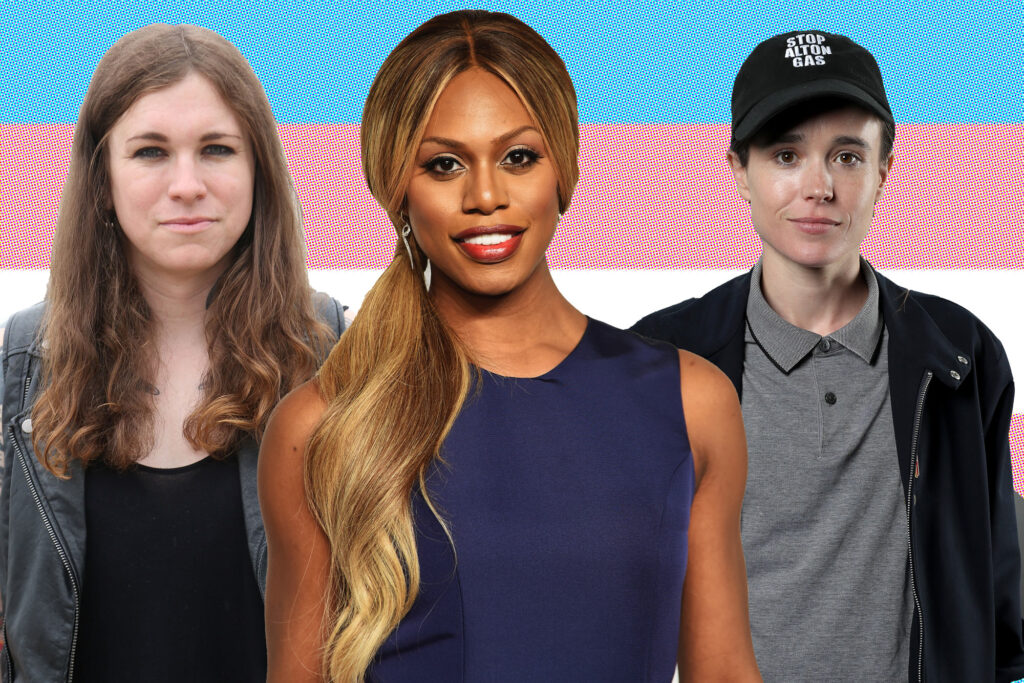
Transgender rights are now unequivocally intertwined with the feminist cause. The fight for transgender equality is not simply about tolerance or acceptance; it’s about recognizing the inherent dignity and humanity of all individuals, regardless of their gender identity. Attempts to exclude trans women from feminist spaces are not only morally reprehensible but also strategically self-defeating. A feminism that is not inclusive of trans women is not feminism at all. It’s a hollow shell, a pale imitation of the real thing.
The role of men in the feminist movement is a topic of ongoing debate and discussion. While some argue that men should simply “listen and learn,” others believe that they have a crucial role to play in dismantling patriarchal structures and challenging toxic masculinity. The key, perhaps, is for men to become active allies, using their privilege and platforms to amplify the voices of women and advocate for gender equality. This requires vulnerability, self-reflection, and a willingness to challenge their own biases and assumptions.
Political representation for women is steadily increasing, but the journey toward gender parity is far from complete. Electing more women to office is not simply a matter of symbolic representation; it’s about bringing diverse perspectives and experiences to the halls of power. Women leaders are more likely to prioritize issues such as healthcare, education, and childcare, which have a direct impact on the lives of women and families. But representation is not enough. We need to ensure that these women have the power and resources to enact meaningful change.
Climate justice and feminism are increasingly recognized as intertwined struggles. Climate change disproportionately affects women, particularly women in developing countries, who are often responsible for gathering water and food and are therefore more vulnerable to environmental disasters. The feminist perspective on climate change emphasizes the need for sustainable solutions that prioritize equity, social justice, and the well-being of future generations. It recognizes that the exploitation of the planet is inextricably linked to the exploitation of women.
The arts and media are playing an increasingly important role in shaping feminist consciousness. From feminist literature and film to feminist art and music, creative expression is a powerful tool for challenging stereotypes, raising awareness, and inspiring social change. These artistic endeavors serve as a mirror, reflecting the realities of women’s lives, and a catalyst, sparking dialogue and pushing the boundaries of what is possible.
The fight against gender-based violence, that pervasive and deeply entrenched scourge, remains a central focus of the feminist movement. From domestic violence and sexual assault to female genital mutilation and honor killings, women around the world continue to face horrific forms of violence simply because of their gender. Ending gender-based violence requires a multifaceted approach that includes legal reforms, education campaigns, and support services for survivors. It also requires a fundamental shift in societal attitudes and norms, one that challenges the patriarchal beliefs that condone and perpetuate violence against women.
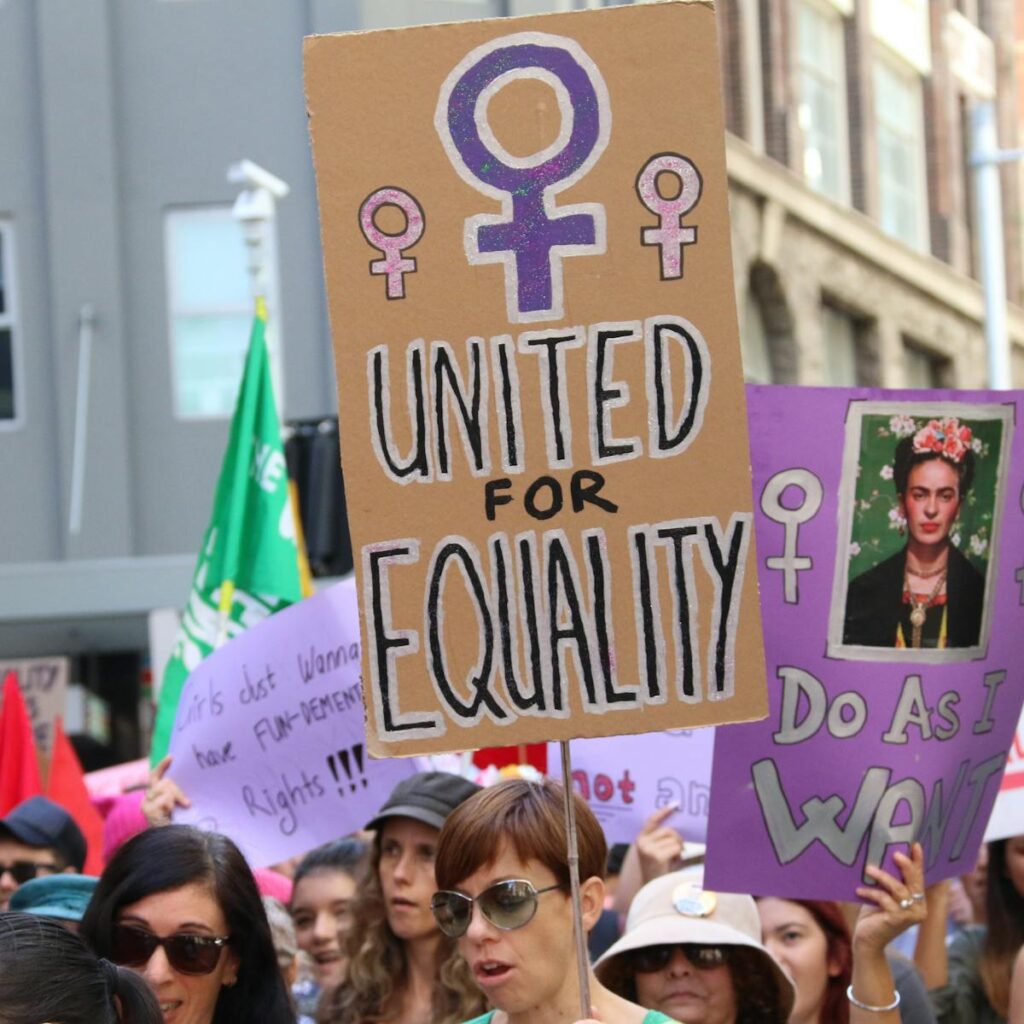
Ultimately, the feminist movement is not just about achieving equality for women; it’s about creating a more just and equitable world for all. It’s about dismantling the structures of power and oppression that perpetuate inequality and injustice. It’s about building a society where everyone has the opportunity to thrive, regardless of their gender, race, class, or sexual orientation. It is a messy, complicated, and often frustrating endeavor, but it is also the most important work of our time. And the news from the front lines is that the fight continues, with unwavering determination and a fierce commitment to justice. The fire burns bright, fueled by the unwavering belief that a better world is possible.






Leave a Comment