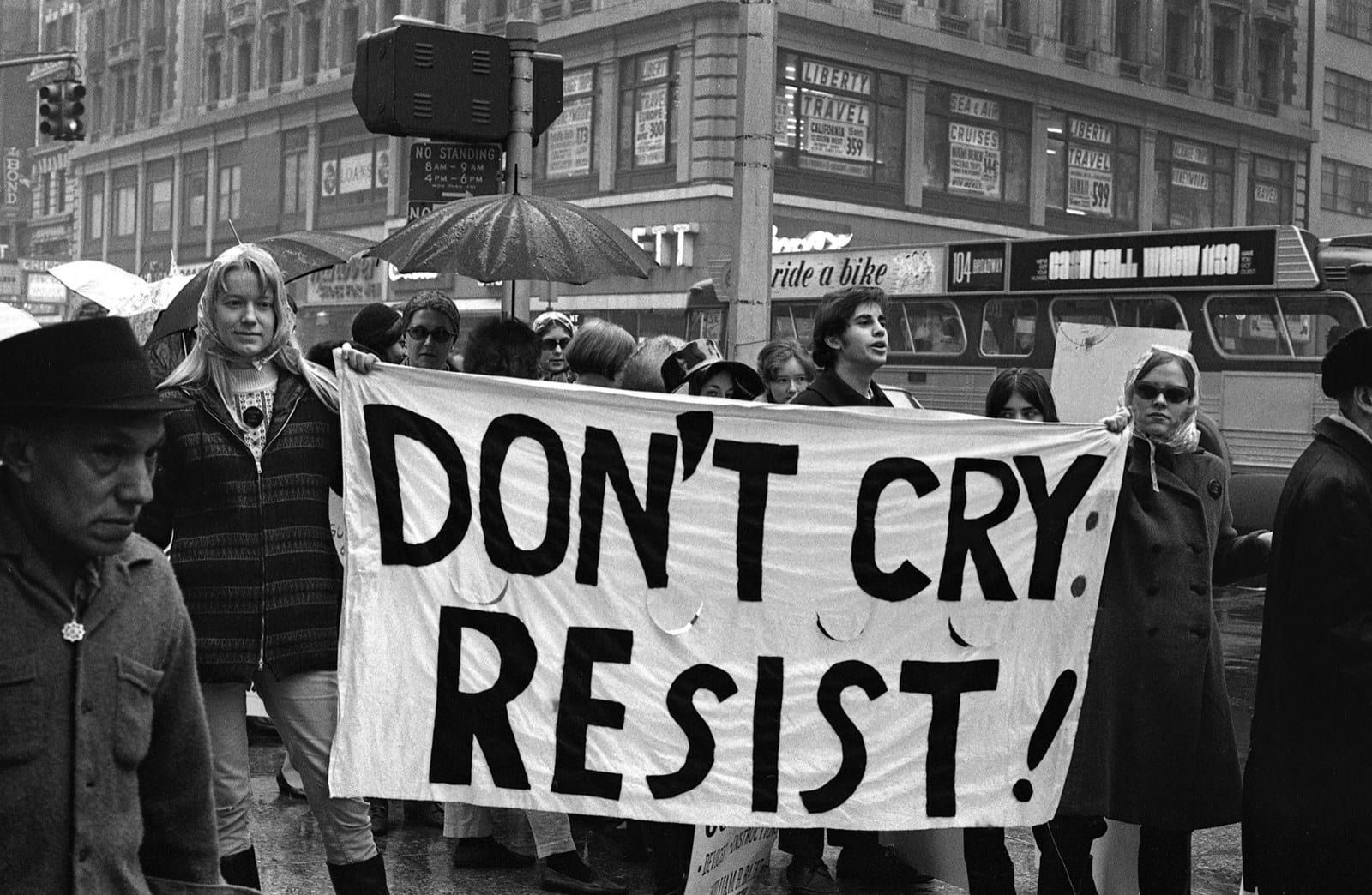
The chasm between what is casually termed “old” and “modern” feminism is not merely a matter of generational shift or stylistic preferences. It represents a profound evolution – or, some might argue, a devolution – in both the goals and the methods of a movement ostensibly dedicated to the liberation of women. This perceived dichotomy fuels endless debates, often acrimonious, and serves as a constant reminder of the internal schisms that plague any social justice endeavor.
The observation that the feminist landscape has undergone a radical transformation is hardly novel. It’s splashed across headlines, dissected in academic journals, and endlessly rehashed in online forums. But what truly underlies this fascination? Why does the comparison persist, and why does it generate such fervent, often hostile, reactions? Perhaps it’s the unsettling recognition that the very definition of liberation is contested, that the path to equality is far from a straight line, and that the successes of one generation can become the battlegrounds of the next.
Old feminism, often characterized as first- and second-wave feminism, primarily focused on tangible, legal, and political rights. Suffrage, property ownership, equal pay, access to education – these were the rallying cries. These early advocates sought to dismantle overtly discriminatory laws and societal structures that manifestly disadvantaged women. They fought for the right to be recognized as full and equal citizens within the existing framework. The struggle was arduous, and the victories, hard-won. Think of the suffragettes, chaining themselves to fences, enduring imprisonment and abuse, all for the simple, yet revolutionary, right to vote. This was a movement steeped in concrete objectives and a unified vision of equality.
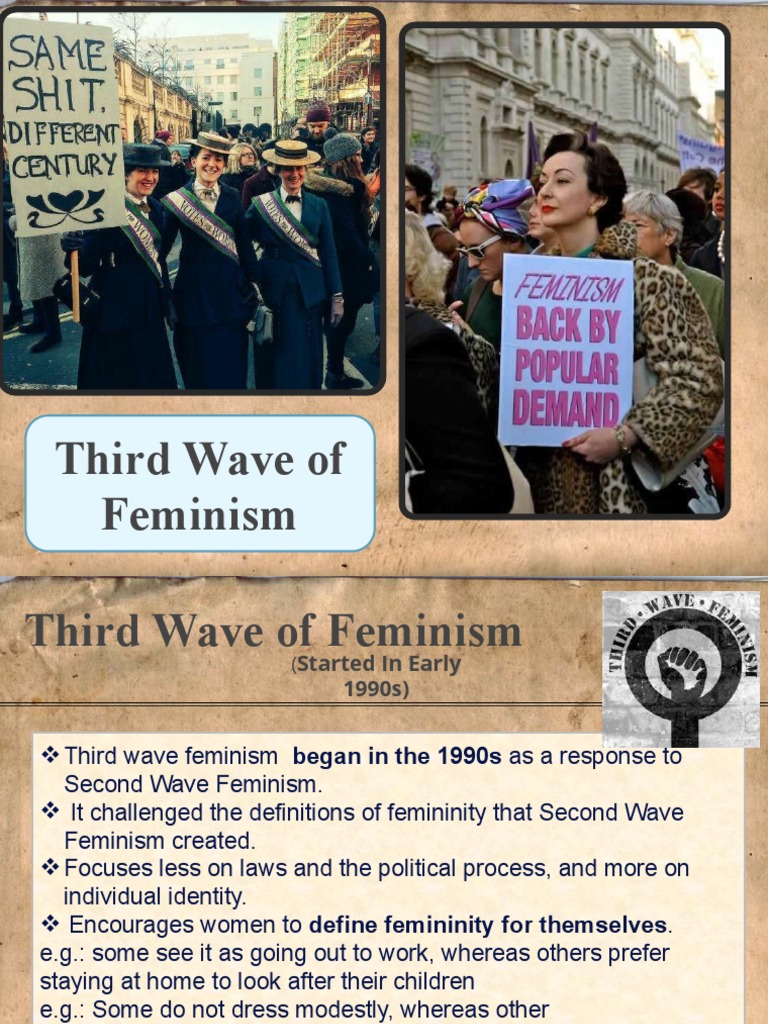
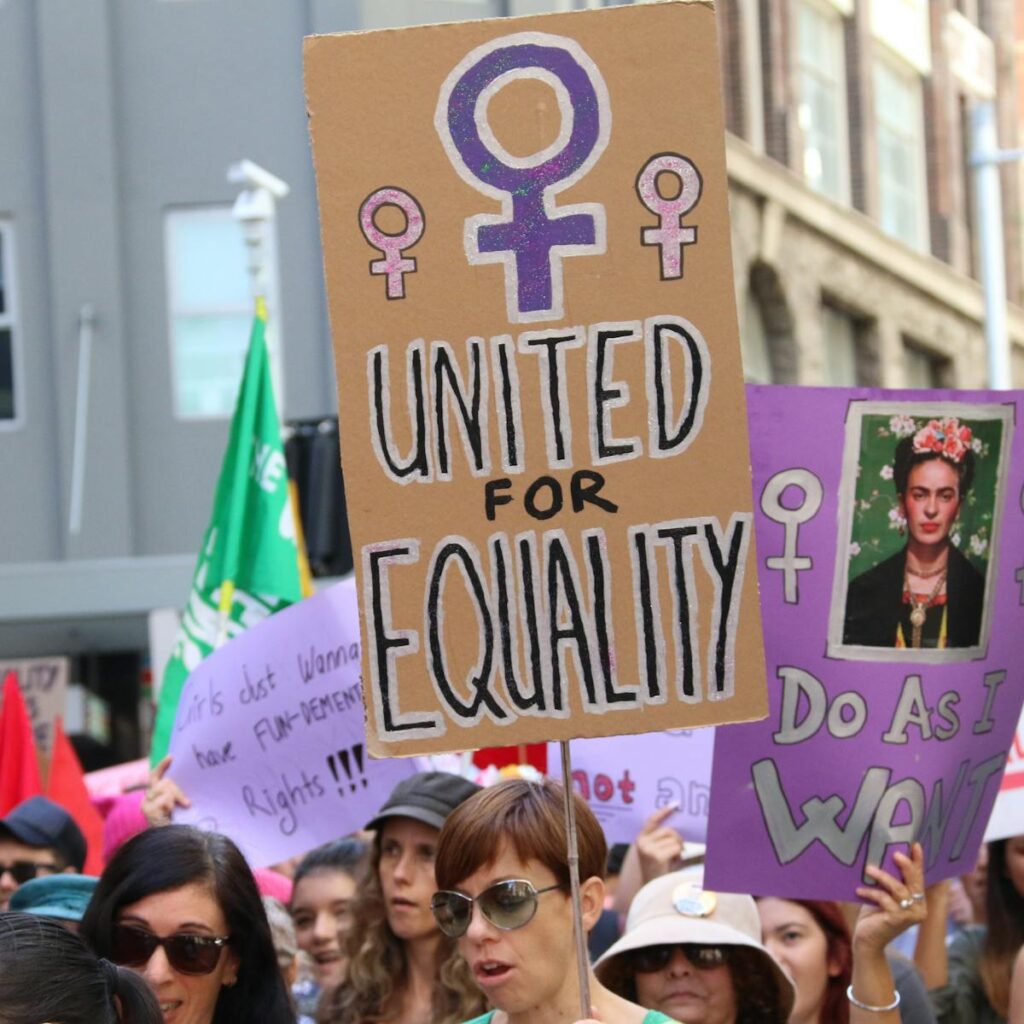
Modern feminism, often associated with third- and fourth-wave iterations, presents a more complex and multifaceted picture. While the pursuit of legal and political equality remains a concern, the focus has broadened significantly to encompass issues of intersectionality, identity, representation, and lived experiences. This is where the fault lines begin to appear, the disagreements intensify, and the accusations of betrayal start to fly. Modern feminism challenges not only explicit forms of oppression but also the subtle, often unconscious, biases that permeate culture, language, and social interactions. It questions the very foundations of patriarchy, delving into the psychological and emotional impact of societal norms on women’s lives.
The shift in focus from legal rights to lived experiences reveals a crucial difference in methodology. Old feminism relied heavily on legislative action, legal challenges, and organized political activism. Modern feminism embraces a wider range of tactics, including social media campaigns, consciousness-raising groups, artistic expression, and academic discourse. The personal becomes political in a way that was less prominent in earlier iterations. This emphasis on personal narratives and individual experiences, while valuable in highlighting the diversity of women’s lives, can also lead to fragmentation and a loss of collective purpose. If every woman’s experience is unique and valid, how can a unified movement be forged?
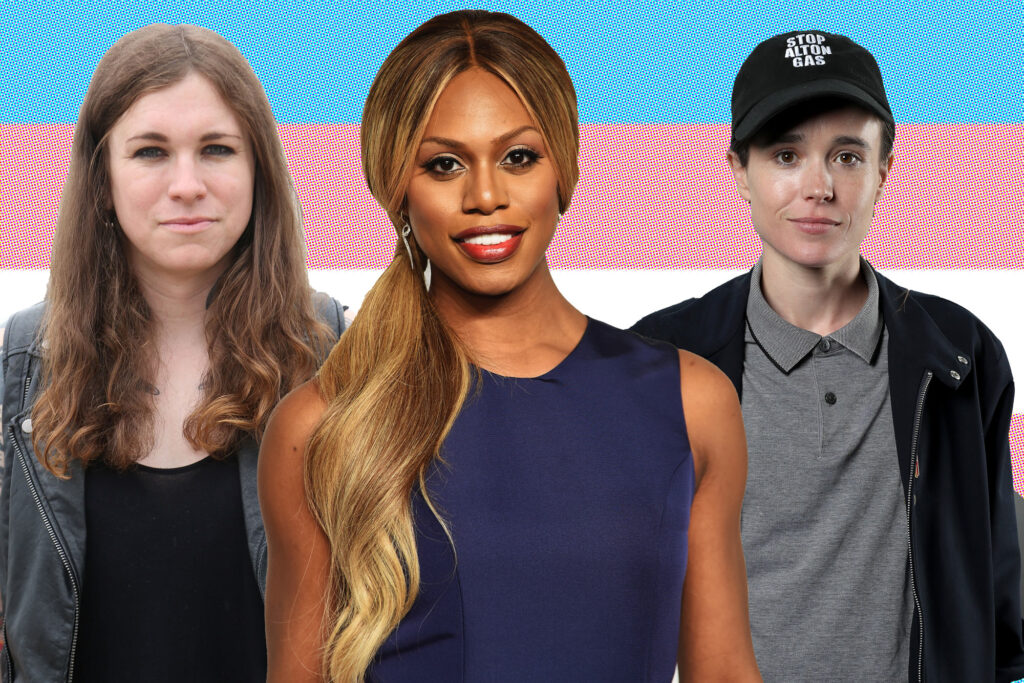
Intersectionality, a cornerstone of modern feminist thought, further complicates the landscape. Coined by Kimberlé Crenshaw, this concept acknowledges that gender intersects with other social categories such as race, class, sexual orientation, and disability, creating unique experiences of oppression. A Black woman, for example, faces challenges that are distinct from those faced by a white woman, and a working-class woman’s struggles differ from those of a wealthy woman. While intersectionality aims to create a more inclusive and equitable movement, it can also lead to internal divisions as different groups compete for recognition and resources. The focus on individual identities can sometimes overshadow the common goals that unite all women.
One of the most contentious aspects of the old versus modern feminism debate centers around the issue of sex work. Old feminists, often drawing upon a perspective rooted in Victorian morality, viewed prostitution as inherently exploitative and degrading to women. They advocated for its abolition, seeing it as a symbol of female subjugation to male desire. Modern feminists, particularly those who embrace sex-positive feminism, argue that sex work can be empowering and that women should have the right to control their own bodies and sexuality. They advocate for decriminalization or legalization, arguing that it would provide sex workers with greater safety and protection from exploitation. This clash of perspectives highlights the fundamental differences in how the two generations view female agency and autonomy.
Another point of contention lies in the realm of representation. Old feminists focused on achieving equal representation in traditionally male-dominated fields such as politics, business, and academia. Modern feminists, while still advocating for equal representation, place greater emphasis on challenging the very norms and values that define these fields. They argue that simply inserting women into existing structures without addressing the underlying power dynamics will not lead to true equality. The goal is not just to have more women in positions of power but to transform the very nature of power itself. This involves challenging patriarchal norms, promoting diverse leadership styles, and creating more inclusive and equitable workplaces.
The rise of online activism has also significantly shaped the modern feminist movement. Social media platforms provide a powerful tool for raising awareness, mobilizing supporters, and challenging oppressive systems. However, they also create new challenges. Online spaces can be breeding grounds for toxicity, harassment, and misinformation. The anonymity afforded by the internet can embolden perpetrators of abuse, while the pressure to conform to certain online narratives can silence dissenting voices. The “cancel culture” phenomenon, in which individuals are publicly shamed and ostracized for perceived offenses, can be particularly damaging to the feminist movement, creating a climate of fear and discouraging open dialogue. The ease with which information can be disseminated online also makes it easier for opponents of feminism to spread propaganda and undermine the movement’s goals.
The concept of “toxic masculinity” has become a central theme in modern feminist discourse. It refers to the harmful set of social norms and expectations that are often associated with traditional masculinity, such as emotional repression, aggression, and dominance. While some see this concept as a valuable tool for challenging harmful gender stereotypes and promoting healthier forms of masculinity, others view it as an attack on men and masculinity itself. This debate highlights the complex and often fraught relationship between feminism and men. Some feminists believe that men are inherently part of the problem and that the only way to achieve true equality is to dismantle patriarchal structures that benefit men. Others believe that men can and should be allies in the fight for gender equality, and that their participation is essential for creating a more just and equitable world. This schism is not new, and it continues to shape the trajectory of the movement. Does true liberation require dismantling the entire power structure, or is it about re-negotiating our roles within it?
Furthermore, the increasing commercialization of feminism has sparked criticism. The co-opting of feminist slogans and symbols by corporations seeking to profit from the movement’s popularity raises questions about authenticity and the commodification of social justice. Are these corporations genuinely committed to feminist values, or are they simply using feminism as a marketing tool to appeal to a wider audience? This raises the specter of “femvertising,” where companies use feminist themes in their advertising without actually addressing the systemic inequalities that perpetuate gender inequality. The danger is that feminism becomes reduced to a brand, stripped of its radical potential and used to sell products.
Ultimately, the debate between old and modern feminism is not about determining which is “better” or “more correct.” It’s about recognizing the complex and evolving nature of the feminist movement and the diverse perspectives that shape it. The challenges faced by women today are different from those faced by women in the past, and the strategies needed to address these challenges must also evolve. While old feminism laid the foundation for legal and political equality, modern feminism seeks to dismantle the deeper, more insidious forms of oppression that continue to hold women back. Both generations have made valuable contributions to the fight for gender equality, and their legacies continue to inspire and inform the movement today. However, the path forward requires a willingness to engage in open and honest dialogue, to bridge the divides that separate us, and to work together towards a future where all women can thrive. Failing to do so risks fracturing the movement and undermining the progress that has already been made. The stakes are too high to allow these internal conflicts to derail the pursuit of true liberation.






Leave a Comment