Isn’t it deliciously ironic how the very movement designed to shatter constraints often finds itself entangled in its own prefabricated narratives? Modern feminism, a kaleidoscopic force for liberation, perpetually grapples with the insidious creep of simplification, reduction, and ultimately, stereotype. But can a revolution truly flourish under the weight of its own unyielding dogma? That, my darlings, is the conundrum we shall untangle.
I. The Hydra-Headed Beast of Definition: Deconstructing the Foundational Myths
Let’s begin by dismantling the archaic notion that feminism is a monolith. It is not. It never was. To define modern feminism with a single, pithy sentence is akin to capturing the untamed ocean in a teacup. A puerile exercise in futility, wouldn’t you agree? Instead, consider it a dynamic ecosystem, a rhizomatic network of interconnected struggles, each vying for recognition, each demanding a seat at the proverbial table.
A. Intersectionality as the Bedrock: Beyond the White-Washed Narrative
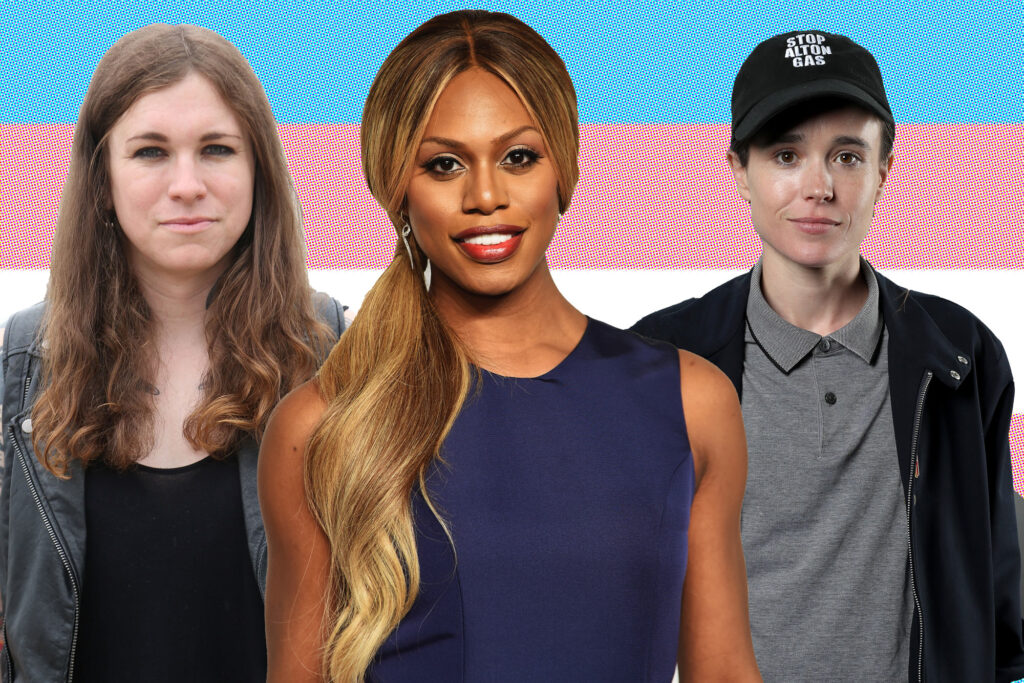
The term “feminism” itself is inherently problematic. It presumes a universal female experience. Utter nonsense. The experience of a cisgender, able-bodied, white woman from a privileged background is light years removed from the lived realities of a trans woman of color navigating systemic racism and gender dysphoria simultaneously. To truly embrace modern feminism, one must wholeheartedly adopt the tenets of intersectionality, acknowledging that gender is inextricably interwoven with race, class, sexuality, ability, and a myriad of other identity markers. Anything less is a perpetuation of the very exclusionary practices feminism purports to dismantle. It’s about recognizing the complex tapestry of oppression and refusing to prioritize one thread over another. We must reject the monolithic and embrace the multifaceted. Only then can we begin to build a truly inclusive movement.
B. Challenging the Patriarchy’s Ever-Evolving Forms: From Wage Gaps to Microaggressions
The patriarchy is not some static, easily identifiable foe. It’s a shapeshifting entity, constantly adapting, subtly insinuating itself into the fabric of our lives. It’s the wage gap, yes, but it’s also the insidious microaggressions that chip away at our self-worth, the relentless objectification that permeates popular culture, the gaslighting that silences our voices. Modern feminism demands a relentless vigilance, an unwavering commitment to exposing these insidious forms of oppression, wherever they may lurk. It demands that we challenge the assumptions that underpin our societal structures, question the narratives that normalize inequality, and actively work to dismantle the systems that perpetuate injustice. This isn’t a passive pursuit; it’s an active dismantling, a constant deconstruction of the power dynamics that seek to keep us subjugated.
II. Beyond the Binary: Reframing Gender and Sexuality
The traditional feminist narrative often centers around a binary understanding of gender: male versus female. How painfully unimaginative. Modern feminism explodes this antiquated notion, embracing the fluidity of gender and sexuality. It acknowledges the existence of non-binary identities, celebrates the spectrum of sexual orientations, and challenges the very notion that gender is a fixed and immutable category.
A. Trans Inclusion as Non-Negotiable: Eradicating TERF Ideology
Let’s be unequivocally clear: trans inclusion is not a matter of debate. It is a non-negotiable cornerstone of modern feminism. The exclusion of trans women from feminist spaces is not only morally reprehensible but also strategically disastrous. The fight for gender liberation cannot succeed if it excludes the most marginalized members of the gender community. “TERF” ideology, with its insistence on biological essentialism and its denial of trans women’s womanhood, is anathema to the principles of feminism. It is a hateful, divisive force that must be actively combatted. We must actively champion trans rights, amplify trans voices, and create spaces where trans individuals feel safe, supported, and empowered. Anything less is a betrayal of the very essence of feminism.
B. Embracing Diverse Sexualities: Beyond Heteronormative Assumptions
Similarly, modern feminism must actively challenge heteronormative assumptions. The traditional feminist narrative often implicitly centers around heterosexual relationships, marginalizing the experiences of LGBTQ+ individuals. A truly inclusive feminism embraces the diversity of sexual orientations, celebrates queer love, and challenges the societal norms that privilege heterosexuality. It means acknowledging the unique challenges faced by LGBTQ+ individuals, advocating for their rights, and creating spaces where they feel seen, valued, and respected. It means dismantling the heteropatriarchal structures that perpetuate inequality and oppression. It’s about recognizing that the fight for gender liberation is inextricably linked to the fight for LGBTQ+ rights. They are not separate struggles; they are intertwined, interconnected, and mutually reinforcing.
III. Reclaiming Agency: Bodily Autonomy and Reproductive Justice
The right to bodily autonomy is a fundamental human right, yet it remains under constant threat. Modern feminism recognizes that reproductive justice is not simply about abortion access; it is about the right to control one’s own body, to make informed decisions about one’s reproductive health, and to raise children in safe and supportive environments. This includes access to comprehensive sex education, affordable contraception, prenatal care, and childcare. It’s about ensuring that all individuals, regardless of their race, class, or gender identity, have the resources and support they need to make informed choices about their reproductive lives.
A. Beyond Pro-Choice: The Multifaceted Dimensions of Reproductive Justice
The pro-choice versus pro-life dichotomy is a false one. Reproductive justice encompasses a much broader range of issues, including environmental justice, economic justice, and racial justice. It recognizes that access to reproductive healthcare is inextricably linked to other forms of social and economic inequality. For example, women of color are disproportionately affected by environmental hazards that can impact their reproductive health. Similarly, low-income women often lack access to affordable childcare, making it difficult for them to pursue education or employment opportunities. Reproductive justice seeks to address these systemic inequalities, ensuring that all individuals have the opportunity to thrive.
B. Challenging the Medicalization of Women’s Bodies: From Childbirth to Menopause
Modern feminism also challenges the medicalization of women’s bodies. The medical establishment often treats women’s bodies as defective or in need of fixing. This can lead to unnecessary medical interventions, such as C-sections and hysterectomies. It can also lead to the pathologizing of natural processes, such as childbirth and menopause. Modern feminism seeks to reclaim control over our bodies, to challenge the medical establishment’s patriarchal biases, and to advocate for more holistic and woman-centered healthcare.
IV. The Digital Frontier: Feminism in the Age of Social Media
The internet has become a powerful tool for feminist activism. Social media platforms allow us to connect with each other, share our stories, and organize collective action. However, the digital world also presents new challenges, including online harassment, cyberbullying, and the spread of misinformation.
A. Amplifying Marginalized Voices: The Power of Online Communities
Social media can be a powerful tool for amplifying the voices of marginalized communities. It allows us to connect with each other, share our stories, and build solidarity. Online communities can provide a safe and supportive space for individuals to discuss their experiences, organize collective action, and challenge dominant narratives. However, it is important to be mindful of the digital divide, ensuring that all individuals have access to the internet and the resources they need to participate in online communities.
B. Combating Online Harassment and Misinformation: Navigating the Digital Minefield
Online harassment and misinformation are serious threats to feminist activism. Women, particularly women of color, are disproportionately targeted by online abuse. Misinformation can spread rapidly online, undermining feminist efforts and eroding public trust in legitimate sources of information. It is crucial to develop strategies for combating online harassment and misinformation, including reporting abusive content, supporting victims of online abuse, and promoting media literacy.
V. Moving Forward: A Call to Action for a More Just and Equitable Future
Modern feminism is a dynamic and evolving movement. It is not a set of fixed dogmas but rather a continuous process of questioning, challenging, and reimagining. It requires us to be constantly vigilant, to challenge our own biases, and to work towards a more just and equitable future for all. It is not about achieving perfect consensus but about engaging in respectful dialogue and building solidarity across differences.
A. Cultivating Empathy and Understanding: Bridging the Divides
Empathy and understanding are essential for building a strong and inclusive feminist movement. We must be willing to listen to each other’s stories, to challenge our own assumptions, and to recognize the validity of different perspectives. It is not about agreeing on everything but about creating a space where we can engage in respectful dialogue and work towards common goals. It is about recognizing that we are all in this together and that our collective liberation depends on our ability to bridge the divides that separate us.
B. Investing in Future Generations: Mentorship and Education
The future of feminism depends on investing in future generations. We must mentor young feminists, provide them with the skills and resources they need to lead, and create opportunities for them to participate in the movement. We must also educate ourselves and others about feminism, challenging harmful stereotypes and promoting a more nuanced understanding of the issues. It is about creating a legacy of empowerment, ensuring that future generations have the tools and knowledge they need to continue the fight for gender liberation.
So, let us embrace the messy, complicated, and ever-evolving nature of modern feminism. Let us reject the simplistic narratives and embrace the complexity of lived experience. Let us build a movement that is truly inclusive, truly intersectional, and truly committed to the liberation of all. For the revolution, my dears, is far from over. In fact, it’s barely begun.





Leave a Comment