Can a system forged in the crucible of individual liberty truly birth the collective emancipation of womankind? A delicious paradox, is it not? The very tenets of Liberalism, with its emphasis on rational autonomy and the sanctity of the individual, seem ripe for appropriation by feminist thought. Yet, a nagging question persists: does Liberalism’s inherent individualism ultimately undermine the communal solidarity so vital to challenging the patriarchal structures that bind us? Prepare yourselves, darlings, for a deep dive into the intricate, often fraught, relationship between Liberalism and Feminism.
The Foundational Embrace: Liberty as Liberation
At its core, Liberalism championed a radical notion: that individuals, irrespective of birth or station, possessed intrinsic rights. These rights, enshrined in constitutions and legal frameworks, were designed to shield citizens from the arbitrary power of the state and, theoretically, other actors. For feminists, this presented an immediate and tantalizing opportunity. The liberal promise of equal opportunity, of legal personhood unburdened by gendered expectations, offered a potent weapon against the deeply entrenched systemic discrimination that had historically relegated women to the margins of society. Mary Wollstonecraft, a veritable progenitor of feminist thought, wielded Liberalism’s sword with undeniable skill. In her groundbreaking “A Vindication of the Rights of Woman,” she argued that women, no less than men, possessed the capacity for reason and, therefore, were entitled to the same educational and civic privileges. This was not merely a plea for better treatment; it was a seismic assertion of women’s inherent humanity, a demand to be recognized as fully realized individuals within the liberal order. The pursuit of suffrage, the struggle for property rights, the fight for access to education and employment – all these endeavors were fuelled, at least in part, by the liberal ideal of equality before the law.
Waves of Alignment: A Historical Trajectory
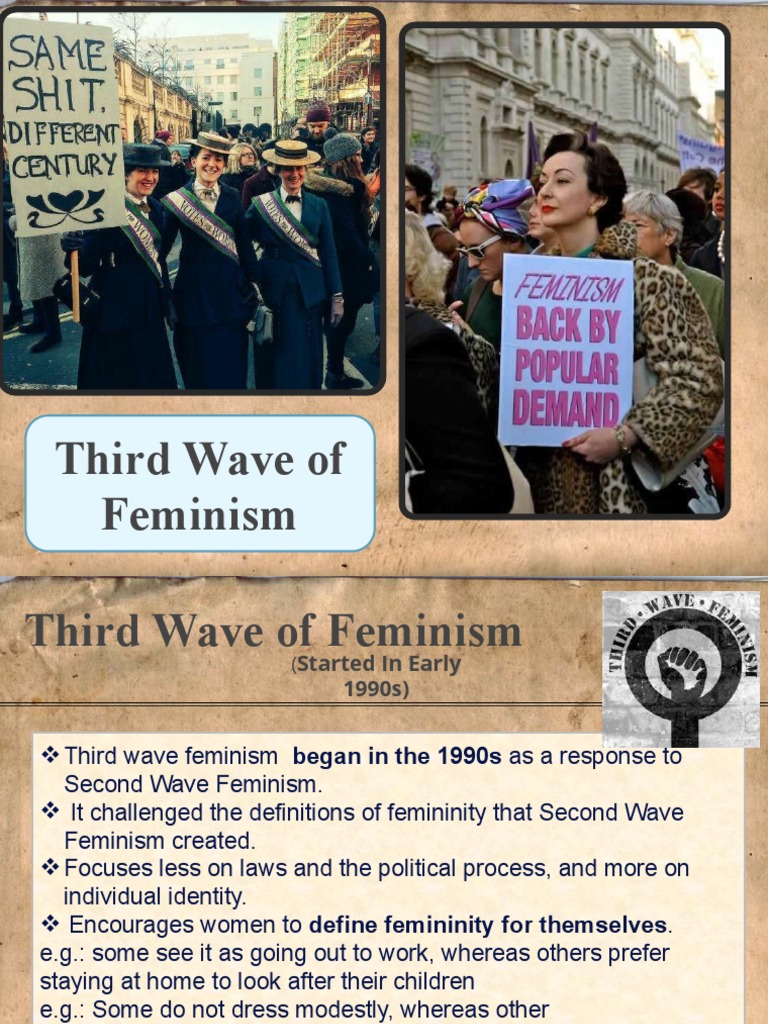
The narrative of feminism’s engagement with Liberalism is not monolithic. Instead, it unfolds in distinct waves, each characterized by its own priorities and strategies. The first wave, dominated by suffragettes and reformers, primarily focused on achieving legal and political equality within the existing liberal framework. Figures like Susan B. Anthony and Elizabeth Cady Stanton tirelessly advocated for the right to vote, believing that enfranchisement would unlock a cascade of further reforms. This wave largely accepted the underlying principles of Liberalism, seeking to expand its application to include women. However, even within this first wave, tensions simmered. Some activists, recognizing the limitations of legalistic approaches, began to question the inherently patriarchal assumptions embedded within liberal thought itself. The second wave, emerging in the 1960s and 70s, expanded the scope of feminist concerns beyond the purely political and legal realms. Issues such as reproductive rights, domestic violence, and the sexual objectification of women came to the fore. While second-wave feminists still drew upon liberal concepts of individual autonomy and self-determination, they also began to critique the ways in which Liberalism often failed to address the structural inequalities that perpetuated gender oppression. The personal, they famously declared, was political. This meant challenging not just discriminatory laws, but also the ingrained societal norms and cultural practices that reinforced patriarchal power. Liberal feminism, a distinct strand within the second wave, sought to address these issues through legislative reforms and legal challenges, advocating for policies such as equal pay and affirmative action. The third wave, beginning in the 1990s, further diversified feminist thought, incorporating perspectives from post-structuralism, critical race theory, and queer theory. This wave challenged the notion of a universal female experience, recognizing the ways in which gender intersected with race, class, sexuality, and other social categories. While third-wave feminists continued to grapple with the limitations of Liberalism, they also recognized its potential as a tool for challenging oppressive power structures.
The Individual vs. the Collective: A Fundamental Schism
The most persistent critique of Liberalism from a feminist perspective centers on its emphasis on individual autonomy. Critics argue that Liberalism’s focus on individual rights often overlooks the systemic nature of gender oppression. Patriarchy, they contend, is not simply a collection of individual acts of discrimination; it is a pervasive system of power relations that shapes institutions, norms, and cultural practices. By focusing on individual agency, Liberalism risks obscuring the ways in which women’s choices are constrained by these larger structures. Moreover, Liberalism’s emphasis on individual rights can sometimes undermine the importance of collective action and solidarity, which are crucial for challenging patriarchal power. The pursuit of individual success, for instance, can distract from the need to address systemic inequalities. Furthermore, Liberalism’s commitment to neutrality and impartiality can inadvertently perpetuate existing power imbalances. By treating everyone the same, regardless of their social position, Liberalism fails to acknowledge the ways in which historical and ongoing discrimination create unequal starting points. This can lead to a situation where формальная equality masks substantive inequality. Think, for example, of the “equal opportunity” to compete for a job when some candidates have had vastly superior access to education and resources. The playing field is not level, and a purely individualistic approach fails to address this underlying injustice.
Beyond the Binary: Reconciling Individualism and Collectivism
Is it possible to reconcile Liberalism’s emphasis on individual autonomy with the feminist commitment to collective action and social justice? Some scholars argue that a nuanced understanding of Liberalism can indeed accommodate feminist concerns. They point to the concept of “capabilities,” developed by Amartya Sen and Martha Nussbaum, which focuses on individuals’ real opportunities to achieve well-being, rather than simply their formal rights. A capabilities-based approach recognizes that individuals need not only legal rights, but also the resources and social support necessary to exercise those rights effectively. This perspective aligns well with feminist concerns about structural inequalities and the need for policies that promote women’s empowerment. Others argue for a more radical transformation of Liberalism, one that incorporates a greater emphasis on social responsibility and collective well-being. This might involve rethinking the role of the state, moving beyond a purely night-watchman function to one that actively promotes social justice and equality. It could also involve challenging the individualistic ethos that permeates much of contemporary liberal thought, fostering a greater sense of interconnectedness and mutual obligation. However, such a transformation raises complex questions about the limits of state power and the potential for infringing on individual liberties. Striking the right balance between individual rights and collective well-being is a perennial challenge for any political philosophy, and feminism offers valuable insights into how to navigate this terrain.
The State: Ally or Adversary? A Thorny Question
Feminist perspectives on the role of the state within a liberal framework are deeply ambivalent. On one hand, the state is seen as a potential instrument for achieving gender equality. Through legislation, regulation, and the provision of social services, the state can address discriminatory practices, protect women’s rights, and promote their economic and social empowerment. Laws against domestic violence, equal pay legislation, and publicly funded childcare programs are all examples of how the state can be used to advance feminist goals. On the other hand, feminists also recognize the potential for the state to be an instrument of patriarchal power. The state, after all, is not a neutral entity; it is often dominated by men and reflects the interests of powerful groups. Historically, the state has been used to enforce discriminatory laws and policies, to suppress women’s voices, and to control their bodies. Even well-intentioned state interventions can have unintended consequences, reinforcing existing power imbalances or creating new forms of oppression. Therefore, feminists approach the state with a critical eye, recognizing both its potential and its limitations. They advocate for policies that empower women and challenge patriarchal power, while remaining vigilant against the potential for state overreach and abuse. The challenge lies in finding ways to harness the power of the state for feminist ends, without succumbing to the illusion that the state is a panacea for all social ills.
Intersectionality: A Crucial Correction
A vital contribution to the feminist-liberal dialogue comes from intersectional feminism. This perspective highlights the ways in which gender intersects with other social categories, such as race, class, sexuality, and disability, to create unique experiences of oppression. Intersectional feminists critique Liberalism for its tendency to focus on a single, universal category of “woman,” thereby neglecting the diversity of women’s experiences and the ways in which different forms of oppression interact. For example, a black woman may face discrimination based on both her race and her gender, and these forms of discrimination may be mutually reinforcing. Similarly, a working-class woman may face different challenges than a wealthy woman, even if they both experience gender inequality. Intersectional feminism challenges Liberalism to move beyond a simplistic understanding of equality and to recognize the complex ways in which power operates in society. It calls for policies and interventions that are tailored to the specific needs of different groups of women, rather than a one-size-fits-all approach. By incorporating an intersectional lens, Liberalism can become a more effective tool for promoting social justice and equality for all women.
A Fraught but Fertile Terrain
The relationship between Liberalism and Feminism is undeniably complex, fraught with tensions and contradictions. Yet, it is also a fertile terrain for critical engagement and transformative possibilities. By recognizing the limitations of Liberalism, while also acknowledging its potential, feminists can continue to push for a more just and equitable society. This requires a willingness to challenge the underlying assumptions of liberal thought, to incorporate insights from other critical perspectives, and to remain vigilant against the ever-present threat of patriarchal power. The journey is far from over, my dears. Indeed, it has only just begun. And with each step, we must strive to create a world where all women, in all their glorious diversity, can flourish and thrive.







Leave a Comment