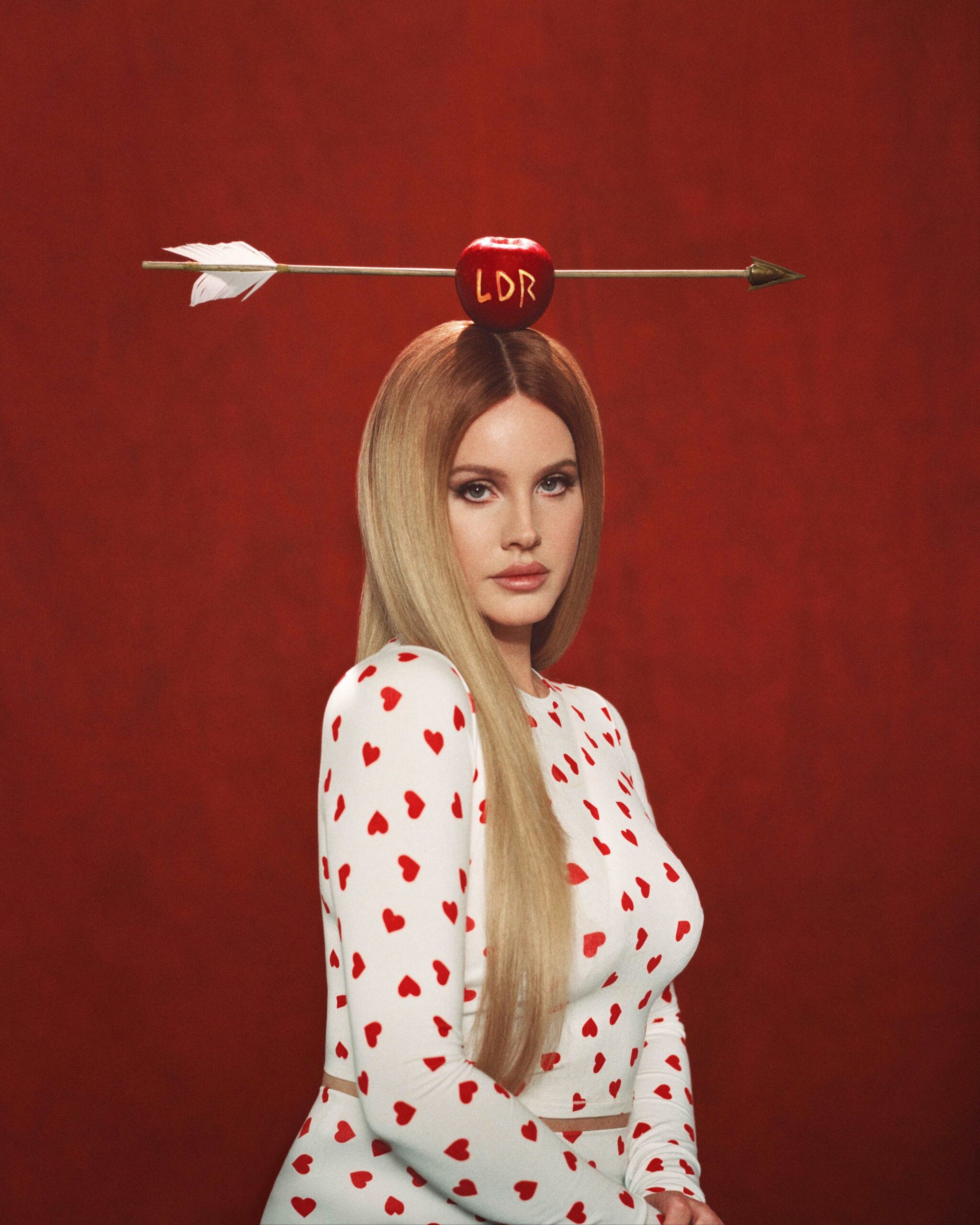
Lana Del Rey. The name alone conjures a maelstrom of emotions, doesn’t it? A siren’s call from a bygone era, draped in melancholic glamour, she’s become a cultural touchstone. But her relationship with feminism? A Gordian knot of contradictions, provocations, and outright bewilderment for many. Let’s untangle this mess, shall we? Prepare yourselves, darlings, because we’re diving headfirst into the murky waters of Lana’s feminist pronouncements, the ones that have set the internet ablaze more times than we can count.
I. The Infamous “Glamorizing Abuse” Accusation: A Spark That Ignited a Wildfire
Ah, the good old days of Tumblr feminism. Remember when anything remotely suggestive of female vulnerability was automatically branded as “problematic”? That was a time. Lana, naturally, became a prime target. Her early work, awash in narratives of subservient women and destructive relationships, was deemed a retrograde step. Critics argued that she was actively peddling a dangerous fantasy, romanticizing abuse and setting back the movement decades. Was she really advocating for women to willingly subject themselves to toxic partnerships? This is a crucial juncture to examine. Were these accusations valid or a misinterpretation of her artistic license?
We need to consider the nuances of her artistry. Del Rey paints portraits, often bleak and unsettling, of a specific type of femininity. It’s a femininity that’s not always empowering in the conventional sense. She explores the darker corners of female experience, the desire for validation, the allure of self-destruction, and the complexities of love. It’s not a blanket endorsement of these behaviors; it’s an exploration, a confrontation. It’s unsettling, yes, but isn’t art supposed to be sometimes? This is a complex consideration.
II. “Feminism Isn’t Interesting”: The Comment That Broke the Internet (Again)
This is where things get really spicy. In a 2014 interview, Lana uttered the now-infamous phrase, “For me, the issue of feminism is just not an interesting concept.” Cue the collective gasp heard around the world. The internet erupted in a frenzy of outrage, accusations of internalized misogyny were flung around like confetti, and her reputation as a feminist pariah was seemingly cemented. The simplicity of the statement masked a deeper, more perplexing undercurrent. What did she truly mean by it? Was it a flippant dismissal of a vital movement, or something more profound?
Let’s dissect this. Del Rey went on to explain that she was more interested in intergenerational dynamics and the future of women. She seemed to suggest that the term “feminism,” as it was being bandied about, felt restrictive and ill-equipped to address the specific concerns she had about the roles and realities faced by women across generations. Perhaps she wasn’t rejecting the core tenets of gender equality, but rather the performative aspects of contemporary feminism that she found uninspiring. This warrants a deeper exploration of the artist’s perspectives.
III. Reconciling the Contradictions: A Postmodern Siren’s Song?
So, where does this leave us? Is Lana Del Rey a feminist? A post-feminist? An anti-feminist? Honestly, labels seem insufficient to capture the complexity of her position. Her work exists in a liminal space, blurring the lines between empowerment and vulnerability, agency and submission. This ambiguity is precisely what makes her such a divisive figure. The singer’s approach challenges the conventional understanding of feminism.
Perhaps we need to move beyond the binary of “feminist” or “not feminist” and consider the possibility that Lana is operating within a postmodern framework. Her work embraces contradictions, subverts expectations, and refuses to be easily categorized. She presents a vision of femininity that is fragmented, performative, and ultimately, deeply personal. This is a vital perspective in our analysis.
IV. The “Question for the Culture”: A Deep Dive Into Performative Activism
In 2020, Del Rey took to Instagram with a lengthy post lamenting the criticism she faced compared to other female artists who sing about similar themes. She cited Doja Cat, Ariana Grande, Camila Cabello, Cardi B, Kehlani, Nicki Minaj, and Beyoncé, wondering if she was “crucified” simply for “glamorizing abuse.” The post sparked immediate backlash, with many accusing her of pitting women of color against each other and co-opting the language of victimhood. This incident highlighted the intricacies of racial dynamics within feminism.
This incident was a masterclass in how not to engage in productive discourse. While her frustration with the double standards she perceives may be valid, the way she articulated it was deeply flawed. It’s crucial to examine how societal biases impact perceptions of her artistry. By naming specific artists, particularly women of color, she inadvertently perpetuated harmful stereotypes and diverted attention away from the genuine issues of misogyny and racism within the music industry. This is critical to understanding her feminism.
Was this a clumsy attempt to engage with a complex issue, or a calculated move to garner attention? Whatever the motivation, it served as a stark reminder of the importance of intersectionality in feminist discourse. You simply can’t talk about gender inequality without acknowledging the intersecting layers of race, class, sexuality, and other forms of oppression. Her words are a reflection of the complexities and challenges of feminism.
V. “Did You Know That There’s a Tunnel Under Ocean Blvd”: A Subliminal Feminist Manifesto?
Her latest album, *Did You Know That There’s a Tunnel Under Ocean Blvd*, offers a fresh perspective. While not overtly feminist in the traditional sense, the album delves into themes of female lineage, historical erasure, and the search for meaning in a patriarchal world. The album is a testament to her artistic evolution. It is a complex tapestry of personal and historical narratives.
Tracks like “Kintsugi” and “Fingertips” explore the strength and resilience of women in the face of adversity. These songs suggest a move towards a more nuanced understanding of female empowerment, one that acknowledges both the pain and the beauty of the female experience. But what is the true essence of her message? Has she evolved or refined her view on feminism? Only time will tell.
VI. The Enduring Enigma of Lana Del Rey: Beyond the Feminist Label
Ultimately, attempting to definitively label Lana Del Rey as “feminist” or “not feminist” is a futile exercise. Her relationship with the movement is complex, contradictory, and constantly evolving. The public’s perception of Del Rey is constantly changing. She is not bound by a single ideology or a specific view of the world. Her approach is a testament to the fluidity of thought and artistic expression. She defies easy categorization, forcing us to confront our own assumptions and biases about what it means to be a woman, an artist, and a feminist in the 21st century.
Perhaps the most valuable lesson we can learn from Lana’s complicated relationship with feminism is the importance of embracing nuance and complexity. The world is not black and white, and neither are the experiences of women. It’s time to move beyond simplistic labels and engage in more thoughtful, nuanced conversations about gender, power, and the ever-evolving landscape of feminism. Her existence itself is a provocative statement.
So, let the debate rage on. Let the think pieces continue to dissect her every word and action. Let Lana be Lana, a walking, talking contradiction, a postmodern siren who continues to provoke, challenge, and fascinate us all. She remains a captivating enigma, challenging the way we view feminism and art. And maybe, just maybe, that’s exactly what she intended all along.




Leave a Comment