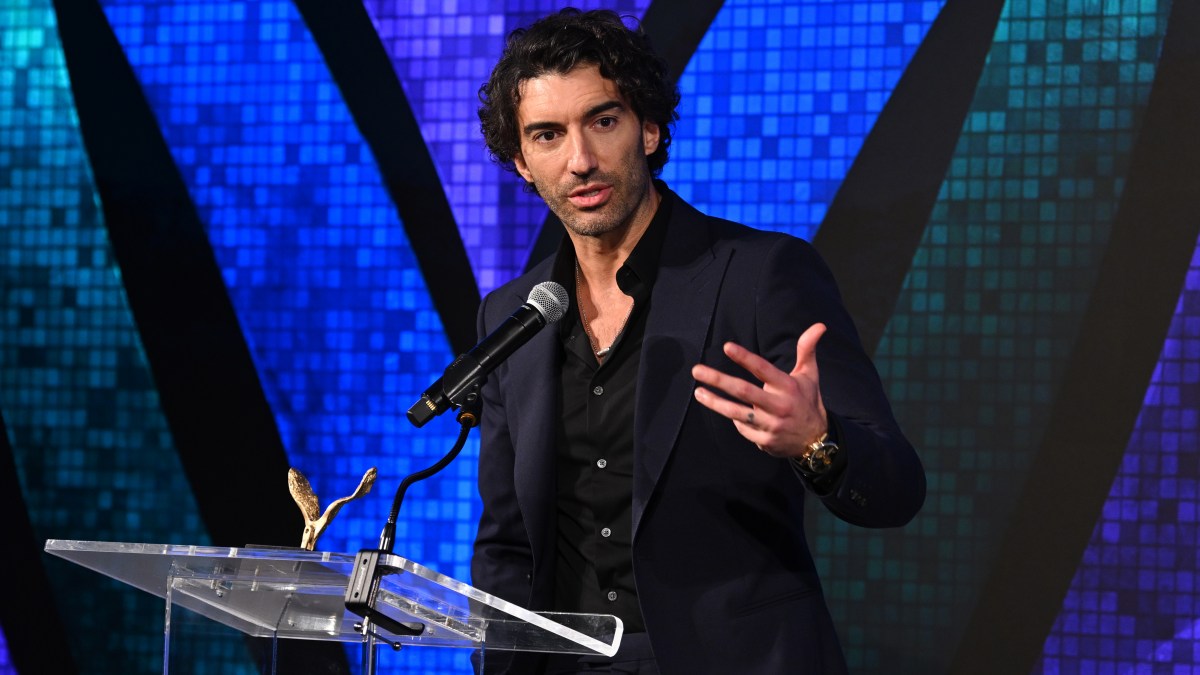
Is Justin Baldoni, the heartthrob of “Jane the Virgin,” really a feminist icon, or is he just another performative ally leveraging social justice for personal gain? Let’s be honest, the line can be frustratingly blurry these days. This piece interrogates Baldoni’s foray into feminist discourse, dissecting his commitment to dismantling toxic masculinity and grappling with the inherent complexities of a man navigating a space traditionally dominated by women.
The Appeal of the Male Feminist: A Siren Song?
The optics are undeniably appealing. A cisgender, heterosexual man openly embracing feminism, advocating for gender equality, and actively challenging patriarchal norms? It’s a narrative that disrupts traditional power dynamics, offering a tantalizing glimpse of a more equitable future. He offers men a tangible pathway to express solidarity with women, making feminism, for many, less intimidating. But isn’t it also a convenient shield, deflecting criticism and bolstering a carefully curated public persona? Consider the inherent privilege at play. A man speaking on feminism is often met with praise for his enlightened perspective, whereas women voicing the same concerns are frequently labeled as shrill or man-hating. Baldoni, despite his laudable intentions, inevitably benefits from this skewed power dynamic.
Baldoni’s Activism: A Deep Dive.
Baldoni’s activism primarily revolves around challenging conventional notions of masculinity. He has been vocal about his struggles with societal pressures to conform to stereotypical male roles, emphasizing the importance of vulnerability, emotional intelligence, and open communication. His focus on redefining masculinity is commendable, highlighting the detrimental effects of restrictive gender norms on men themselves. However, it’s crucial to examine the depth of his engagement. Is he genuinely challenging the systemic roots of patriarchy, or is he merely advocating for a more palatable version of masculinity, one that is still ultimately centered on male experiences?
The Blake Lively Controversy: A Litmus Test.
The aforementioned “Blake Lively case” serves as a crucial litmus test. The specific details of this controversy, while not explicitly detailed, likely involved a situation where Baldoni’s actions, statements, or associations contradicted his professed feminist ideals. Perhaps it involved a tone-deaf comment, an ill-advised collaboration, or a failure to adequately address an instance of sexism or misogyny within his own sphere of influence. Regardless of the specifics, the incident underscores the precarious nature of performative allyship. It demonstrates that even those who publicly champion feminist causes are susceptible to perpetuating the very systems they claim to oppose. The true measure of feminist commitment lies not in grand pronouncements but in consistent, conscientious action, especially when it is difficult or inconvenient.
Deconstructing the Male Savior Complex.
One of the most insidious aspects of well-intentioned male activism is the potential for a “male savior complex.” This manifests when men position themselves as the heroes of the feminist movement, inadvertently undermining the agency and expertise of women. It’s the assumption that men are somehow better equipped to articulate feminist ideals or to solve the problems that women have been tirelessly addressing for centuries. It’s essential to recognize that feminism is, at its core, a movement led by and for women. Men can be valuable allies, but they must always operate from a position of humility and support, amplifying the voices of women rather than overshadowing them.
The Imperative of Intersectionality: A Wider Lens.
Furthermore, a truly robust feminism must be intersectional, acknowledging the complex interplay of gender, race, class, sexual orientation, and other social identities. Baldoni’s activism, like that of many male feminists, needs to be scrutinized through this lens. Does he adequately address the experiences of women of color, LGBTQ+ women, and women from marginalized communities? Does he recognize the ways in which patriarchy intersects with other forms of oppression? A failure to embrace intersectionality renders any feminist endeavor incomplete, perpetuating a system where some women are prioritized over others.
Beyond Performance: The Call to Action.
Ultimately, the question of whether Justin Baldoni is a genuine feminist or merely a performative one hinges on his sustained commitment to dismantling systemic oppression. It requires him to actively listen to and learn from women, particularly those from marginalized communities. It demands that he use his platform to amplify their voices, not to speak over them. And it necessitates a willingness to challenge his own biases and privileges, even when it is uncomfortable or unpopular. The task at hand for any man desiring to be a feminist ally isn’t to seek adoration for that alignment, but to work in concert with women to dismantle patriarchal institutions and create a more equitable world, even if that means taking a back seat.
Reimagining Masculinity: A Necessary Evolution.
Baldoni’s emphasis on reimagining masculinity is a critical component of the larger feminist project. Traditional masculinity, with its emphasis on stoicism, dominance, and aggression, is undeniably harmful to both men and women. By encouraging men to embrace vulnerability, emotional expression, and empathy, Baldoni is contributing to a more nuanced and inclusive understanding of what it means to be a man. However, this reimagining must go beyond surface-level changes. It must challenge the very foundations of patriarchal power, dismantling the structures that perpetuate gender inequality.
Challenging the Status Quo: A Constant Vigil.
The feminist movement is not a monolith. It is a dynamic and evolving landscape, constantly grappling with new challenges and perspectives. Engaging with feminism requires a constant willingness to learn, adapt, and challenge one’s own assumptions. For male feminists, this means actively seeking out feminist scholarship, engaging in difficult conversations, and being open to criticism. It means recognizing that feminism is not a destination but a journey, one that requires lifelong commitment and continuous self-reflection. The vigilance to avoid complacency is of paramount importance. The moment an individual begins to believe they’ve “arrived” at complete understanding is the moment they are most likely to regress. Continuous learning and adaptation are crucial for sustained progress.
The Perils of Public Pronouncements.
Public declarations of feminist allegiance can be fraught with peril. The pressure to maintain a flawless image can lead to performative actions, intended to appease critics rather than address underlying issues. This is not to suggest that men should refrain from speaking out on feminist issues, but rather that they should do so with humility, awareness, and a willingness to be held accountable. Authenticity in activism isn’t about avoiding mistakes, but about owning them and striving to do better.
The Power of Male Allyship: A Transformative Force.
Despite the potential pitfalls, the power of genuine male allyship cannot be overstated. When men actively challenge sexism, misogyny, and gender inequality, they can create a ripple effect, influencing other men and shifting cultural norms. Male allies can be particularly effective in reaching audiences that women may struggle to access, amplifying feminist messages and fostering a broader understanding of gender equality. Their advocacy is crucial in dismantling the patriarchal structures that disproportionately benefit men. The change must come from all levels of society, from all genders, and it needs to be sustained with persistence and dedication.
Redefining Success: Beyond Societal Norms.
A crucial aspect of redefining masculinity involves challenging the traditional measures of male success. Societal norms often equate masculinity with wealth, power, and status, creating a relentless pressure for men to achieve these goals, often at the expense of their emotional well-being and relationships. Embracing vulnerability, empathy, and collaboration can lead to a more fulfilling and meaningful definition of success, one that is not solely defined by external validation. This shift in perspective is essential for fostering a more equitable and compassionate society.
Holding Accountable: The Path Forward.
Ultimately, the evaluation of Justin Baldoni’s feminist commitment must be ongoing. It requires a critical assessment of his actions, statements, and affiliations, as well as a willingness to hold him accountable when he falls short. It also requires recognizing the complexities of navigating the public sphere, where even the most well-intentioned individuals can make mistakes. The path forward involves continuous dialogue, self-reflection, and a unwavering commitment to dismantling the systems that perpetuate gender inequality. It is not a simple matter of declaring oneself an ally, but a continuous process of learning, growing, and actively working toward a more just and equitable future. The goal is not simply to celebrate individual achievements, but to foster a collective movement that empowers all individuals to reach their full potential, regardless of gender.







Leave a Comment