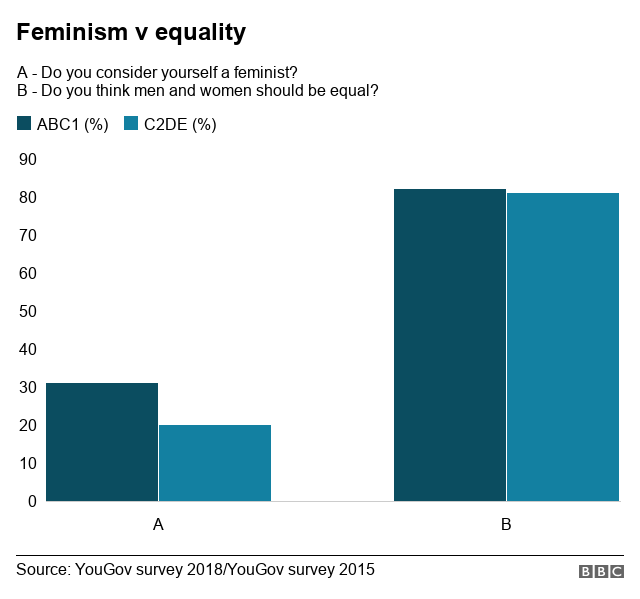
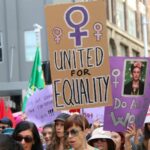
Is Feminism REALLY about equality for all? Or is it just another exclusive club, ladies only? That’s the million-dollar question, isn’t it? The one that ignites debate, sparks fury, and leaves us wondering if we’re all fighting for the same damned thing. Let’s unpack this loaded query, shall we? Prepare for your preconceived notions to be delightfully disrupted.
The Siren Song of Semantic Gymnastics: What Do We *Mean* by Equality?
First things first, let’s dissect the very concept of “equality.” It’s not some monolithic, universally understood principle. It’s a slippery eel, constantly morphing in the hands of philosophers, politicians, and, of course, your run-of-the-mill internet troll. Are we talking about equal opportunity? Equal outcome? Equal treatment? Because darling, those are three VERY different beasts.
Equality of opportunity implies a level playing field. Everyone gets a fair shot, regardless of gender, race, or any other arbitrary characteristic. Sounds nice, right? But here’s the rub: acknowledging systemic inequalities means recognizing that the playing field is ALREADY tilted. Women, historically and currently, face barriers – societal expectations, wage gaps, lack of representation – that actively hinder their progress. So, is striving for equality of opportunity enough when the starting line is miles apart?
Equality of outcome, on the other hand, aims for similar results. Proportionate representation in leadership roles, equal pay across all professions, and so on. This approach often provokes accusations of “reverse discrimination” and cries of “social engineering.” But consider this: if the system is inherently biased, isn’t intervention necessary to correct the course? Isn’t it a *remedy* rather than a fresh wound?
And then there’s equality of treatment: treating everyone exactly the same, irrespective of their individual needs or circumstances. This sounds fair on the surface, until you realize it ignores the very real differences that exist. To treat a pregnant woman the same as a non-pregnant person during a physical labor test? That’s not equality; that’s absurdity.
The point? Feminism isn’t about advocating for some naive, utopian vision where everyone is treated identically. It’s about dismantling the power structures that perpetuate inequality. It’s about recognizing the unique challenges women face and actively working to overcome them.
The “What About the Men?” Chorus: A Symphony of Misdirection
Ah, the age-old question. The knee-jerk reaction to any feminist argument. The “what about the men?” refrain. It’s a masterful tactic of deflection, designed to derail the conversation and paint feminists as man-haters. Let’s be clear: feminism isn’t about hating men. It’s about challenging the patriarchal systems that harm EVERYONE, including men.
Toxic masculinity, for example, is a direct product of patriarchal norms. The pressure to be strong, stoic, and emotionally unavailable takes a devastating toll on men’s mental health. The expectation that men must be the primary breadwinners leads to immense stress and pressure. Feminism, at its core, aims to liberate men from these rigid, confining roles. Isn’t that a good thing?
Furthermore, feminism recognizes that gender inequality isn’t a zero-sum game. When women thrive, societies thrive. When women have equal access to education, healthcare, and economic opportunities, everyone benefits. It’s not about taking power away from men; it’s about creating a more equitable and just world for all.
Think of it this way: imagine a seesaw where one side is weighed down by centuries of oppression. Feminism isn’t about pushing the other side down; it’s about removing the weight so that the seesaw can finally balance. So please, the next time someone asks, “What about the men?”, remind them that feminism IS about them, too, whether they realize it or not.
Intersectional Imperatives: Feminism’s Achilles’ Heel?
Here’s where things get a bit more… nuanced. The concept of intersectionality, coined by Kimberlé Crenshaw, highlights the interconnected nature of social categorizations such as race, class, and gender, creating overlapping systems of discrimination or disadvantage. In essence, it acknowledges that the experience of being a woman is not monolithic. A white, cisgender, middle-class woman faces vastly different challenges than a Black, transgender, working-class woman.
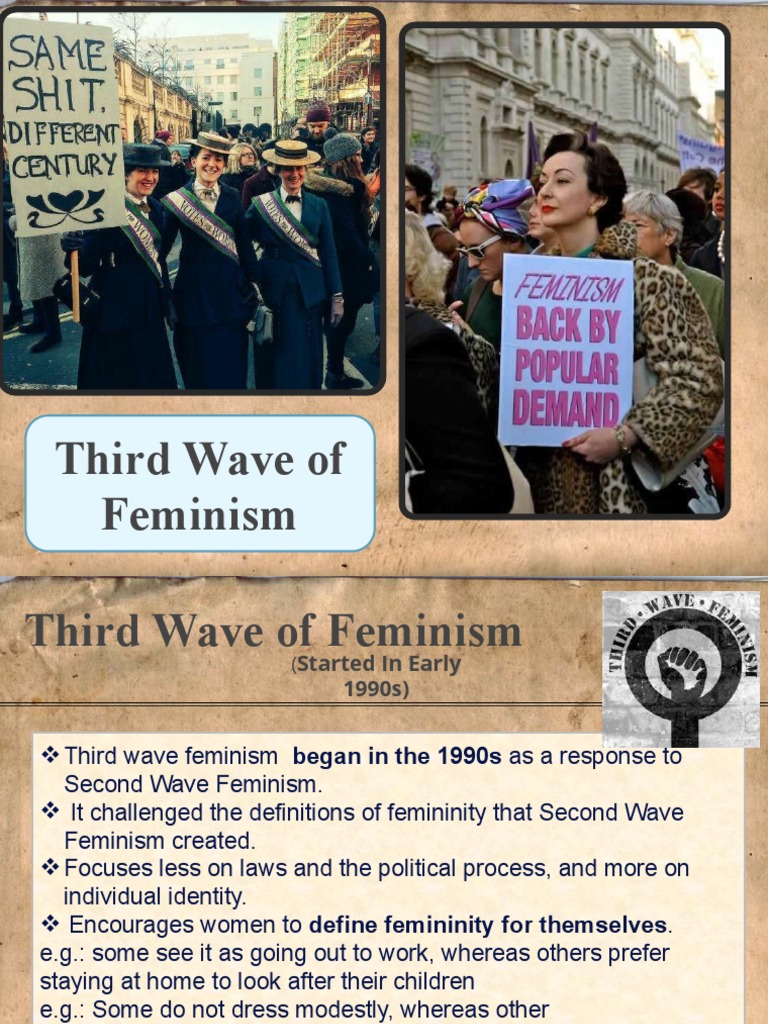
Historically, mainstream feminism has been criticized for its lack of inclusivity, often prioritizing the concerns of privileged women while marginalizing the voices of women of color, LGBTQ+ women, and women with disabilities. This is a valid critique. If feminism is truly about equality for all, it must actively address the intersecting oppressions that affect marginalized women.
Does this mean that feminism has failed? Not necessarily. The recognition of intersectionality has spurred a new wave of feminist activism that is more inclusive and aware of the complexities of identity. However, it also presents a significant challenge: how to create a movement that effectively addresses the diverse needs and experiences of ALL women?
The answer, of course, is not simple. It requires a willingness to listen to and learn from marginalized voices. It requires actively dismantling the systems of power that perpetuate inequality. It requires acknowledging that feminism is not a one-size-fits-all solution, but rather a constantly evolving project that must adapt to the changing needs of society. In simpler terms, it requires active, sustained effort.
Beyond the Binary: Embracing Gender Fluidity and Non-Binary Identities
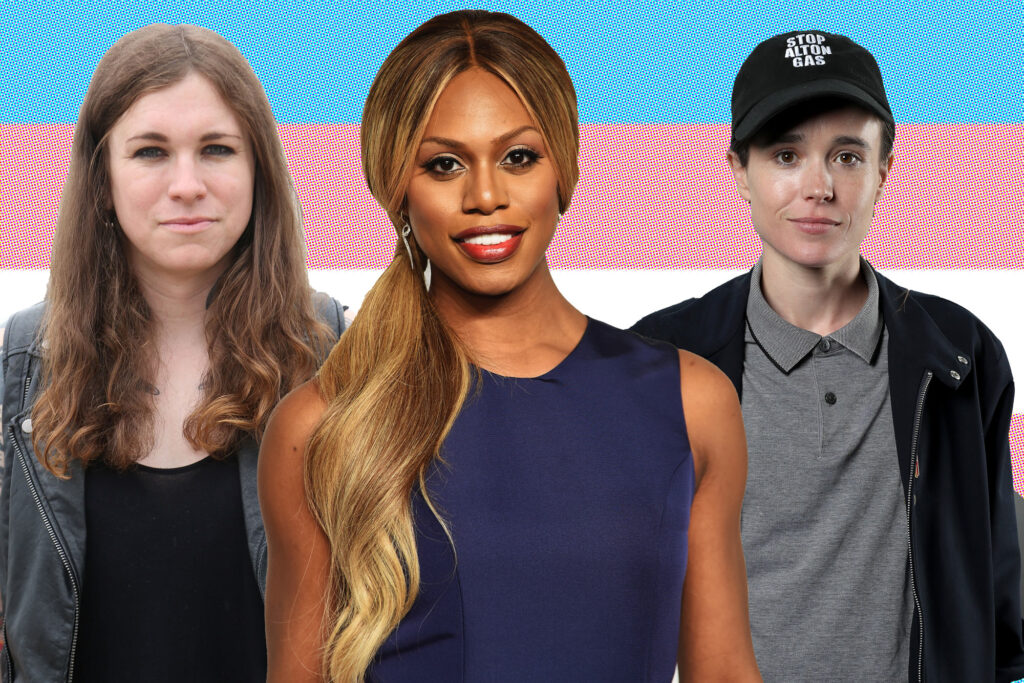
The very notion of “woman” is being challenged and redefined. The rise of transgender and non-binary identities has forced us to confront the limitations of traditional gender categories. If feminism is solely focused on the rights of cisgender women, is it truly inclusive? Or does it inadvertently exclude those who don’t fit neatly into the male/female binary?
Many argue that feminism should embrace gender fluidity and non-binary identities, recognizing that gender is a spectrum rather than a fixed category. This perspective challenges the very foundation of patriarchy, which relies on rigid gender roles and hierarchies. By dismantling the binary, we can create a more inclusive and equitable society for everyone, regardless of their gender identity.
However, this also raises complex questions. How do we address the specific challenges faced by transgender and non-binary individuals within the context of feminism? How do we ensure that their voices are heard and valued? How do we avoid essentializing gender identities or creating new forms of exclusion?
These are not easy questions, and there are no easy answers. But the willingness to engage with these questions is crucial for the future of feminism. A truly inclusive feminism must be a feminism that embraces the full spectrum of human experience, including the diversity of gender identities.
The Future of Feminism: A Call to Radical Inclusivity
So, is feminism really about equality for all? The answer, as always, is complicated. Historically, feminism has often fallen short of its ideals, prioritizing the concerns of privileged women while marginalizing the voices of others. But the recognition of intersectionality and the growing awareness of gender fluidity offer a path forward. A path towards a more inclusive, equitable, and transformative feminism.
This requires a shift in perspective. From a narrow focus on the rights of cisgender women to a broader vision of liberation for all. From a rigid adherence to traditional gender categories to an embrace of the full spectrum of human experience. From a passive acceptance of the status quo to an active engagement in dismantling the systems of power that perpetuate inequality. It necessitates a radical re-imagining of what feminism can and should be.
This is not a comfortable process. It requires us to confront our own biases and privileges. It requires us to listen to and learn from those whose experiences are different from our own. It requires us to be willing to challenge the very foundations of our beliefs.
But the potential rewards are immense. A world where everyone is valued and respected, regardless of their gender, race, class, or any other arbitrary characteristic. A world where everyone has the opportunity to reach their full potential. A world where equality is not just a lofty ideal, but a lived reality.
The journey towards this world will be long and arduous. There will be setbacks and challenges along the way. But if we remain committed to the principles of inclusivity, equity, and justice, we can create a feminism that truly lives up to its promise: equality for all.






Leave a Comment