
Feminism: a lightning rod for debate, a term bandied about with both reverence and revulsion. But beyond the surface-level skirmishes, lies a deeper question: Is feminism genuinely good? And more crucially, what profound benefits does it offer, benefits often obfuscated by the noise of cultural contention?
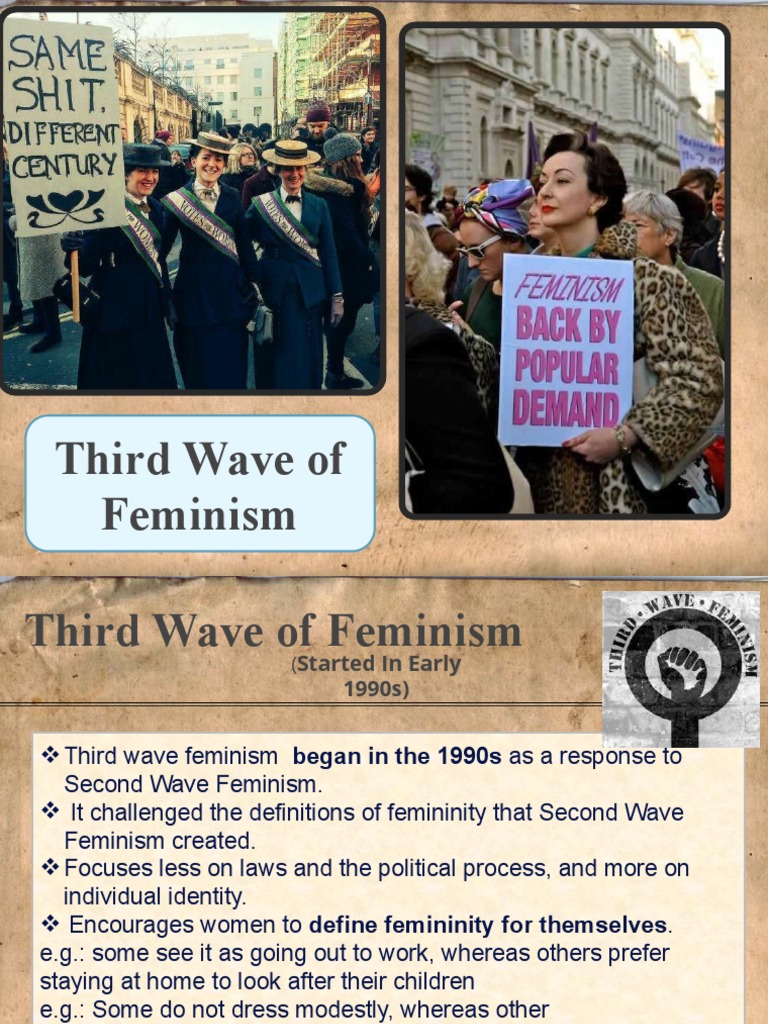
We’ve all witnessed the eye-rolls, the dismissive pronouncements of “feminism is no longer needed.” It is, after all, a common trope that equality has been achieved, that the battles have been fought and won. The reality, however, is far more nuanced, far more insidious. To assume that legal parity translates into genuine equality is a fallacy, a dangerous oversimplification that allows systemic inequities to fester beneath the veneer of progress.
The Myth of “Having It All” and the Price of Conformity
One of the most pervasive myths perpetuated by a patriarchal society is the notion that women can “have it all” – a fulfilling career, a perfect family, a flawless home, and an eternally youthful appearance. This impossible standard, often implicitly imposed, sets women up for inevitable failure, fostering a climate of perpetual self-doubt and relentless striving. Feminism, in its truest form, challenges this very notion, urging us to redefine “success” on our own terms, rejecting the pre-packaged narratives that serve only to maintain the status quo.
The pressure to conform manifests in myriad ways, from subtle microaggressions in the workplace to the pervasive objectification of women in media. These insidious forces shape our perceptions, dictating what is deemed acceptable, desirable, and ultimately, valuable. Feminism provides the critical lens through which to deconstruct these harmful narratives, empowering individuals to resist the pressure to assimilate and to embrace their authentic selves.
Consider the pervasive anxiety surrounding aging, particularly for women. The relentless pursuit of eternal youth, fueled by a multi-billion dollar industry, underscores the societal devaluation of women as they age. Feminism challenges this ageism, advocating for the celebration of women’s wisdom, experience, and contributions throughout their lives. It encourages us to dismantle the deeply ingrained belief that a woman’s worth is solely tied to her physical appearance and reproductive capabilities.
Economic Empowerment: Beyond the Pay Gap
The gender pay gap, while a glaring symptom of inequality, represents only a fraction of the economic disparities faced by women. Systemic barriers to advancement, such as the “motherhood penalty” and the glass ceiling, continue to impede women’s progress in the workplace. Feminism seeks to dismantle these barriers, advocating for policies that support women’s economic independence and empower them to achieve their full potential.
Furthermore, feminist economics challenges the traditional economic models that often fail to account for unpaid care work, disproportionately performed by women. By recognizing the value of this essential labor, and advocating for policies such as universal childcare and paid family leave, feminism seeks to create a more equitable and sustainable economic system that benefits all members of society.
The fight for economic justice extends beyond the confines of the workplace. Feminism also addresses issues such as financial literacy and access to capital, empowering women to build wealth and achieve financial security. By providing the tools and resources necessary for economic empowerment, feminism helps women break free from cycles of poverty and dependence, fostering greater autonomy and self-determination.
Challenging Gendered Violence: A Societal Imperative
Gender-based violence, including domestic violence, sexual assault, and harassment, remains a pervasive and deeply entrenched problem in societies worldwide. Feminism plays a crucial role in raising awareness about these issues, challenging the cultural norms that perpetuate violence, and advocating for policies that protect survivors and hold perpetrators accountable.
The root causes of gender-based violence are complex and multifaceted, often stemming from deeply ingrained power imbalances and societal attitudes that normalize or excuse harmful behavior. Feminism seeks to dismantle these underlying causes by challenging patriarchal norms, promoting gender equality, and fostering a culture of respect and consent.
Beyond addressing individual acts of violence, feminism also challenges the systemic factors that contribute to gender-based violence, such as the criminal justice system’s inadequate response to sexual assault and the pervasive victim-blaming that often silences survivors. By advocating for comprehensive legal reforms and promoting societal awareness, feminism seeks to create a safer and more just world for all.
Redefining Masculinity: Liberating Men from Harmful Stereotypes
Feminism is not solely a movement for women; it also seeks to liberate men from the restrictive and often harmful constraints of traditional masculinity. The pressure to conform to rigid gender roles, such as the expectation to be strong, stoic, and emotionally unavailable, can have detrimental effects on men’s mental and physical health.
Feminism encourages men to embrace vulnerability, to express their emotions freely, and to challenge the toxic masculinity that perpetuates violence and limits their emotional range. By redefining masculinity in a more inclusive and compassionate way, feminism seeks to create a world where men are free to be their authentic selves, without fear of judgment or ridicule.
Furthermore, feminism challenges the societal expectations that place the burden of provider and protector solely on men, freeing them from the pressure to constantly prove their masculinity through financial success or physical prowess. By promoting gender equality in all aspects of life, feminism creates a more equitable and fulfilling world for both men and women.
Intersectionality: Recognizing the Interconnectedness of Oppression
Intersectionality, a key concept in feminist theory, recognizes that individuals experience oppression based on the intersection of various social identities, such as race, class, sexual orientation, and gender identity. This framework acknowledges that the challenges faced by women of color, for example, may differ significantly from those faced by white women, and that a one-size-fits-all approach to feminism is insufficient.
By embracing intersectionality, feminism seeks to address the complex and interconnected systems of oppression that perpetuate inequality. It challenges the tendency to prioritize the experiences of privileged groups, amplifying the voices of marginalized communities and advocating for policies that address the specific needs of all individuals.
Furthermore, intersectional feminism recognizes that the fight for gender equality is inextricably linked to the fight for social justice across all domains. It acknowledges that dismantling systemic racism, classism, homophobia, and other forms of oppression is essential for achieving true liberation for all.
Beyond Equality: Striving for Liberation
Feminism is not simply about achieving equality within the existing system; it is about transforming the system itself. It seeks to dismantle the patriarchal structures that perpetuate inequality and to create a world where all individuals are free to live their lives authentically, without fear of discrimination or oppression.
This transformative vision of feminism requires a fundamental shift in societal values, from a focus on competition and domination to a focus on collaboration and compassion. It requires us to challenge the deeply ingrained beliefs and assumptions that underpin our social institutions and to create new structures that prioritize justice, equity, and sustainability.
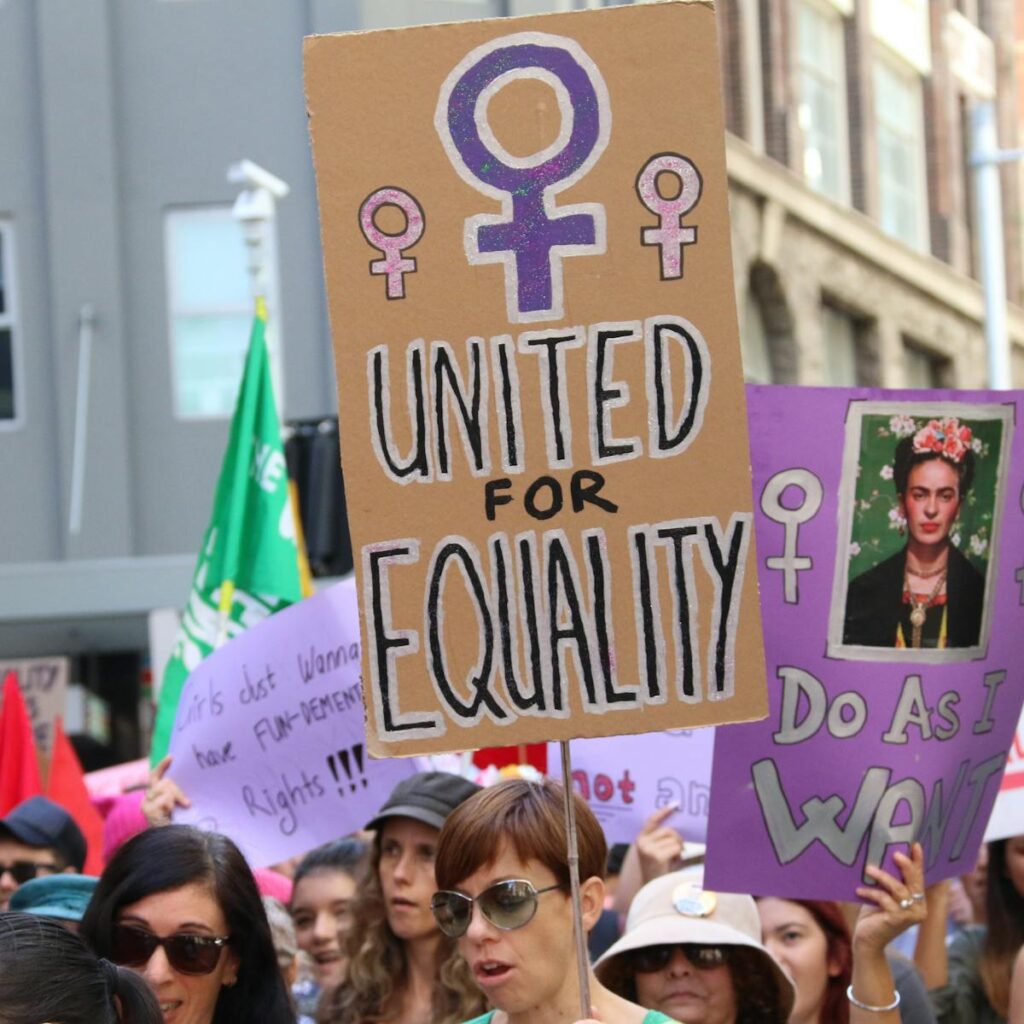
Ultimately, the benefits of feminism extend far beyond the realm of individual empowerment. By challenging the status quo and advocating for systemic change, feminism creates a more just, equitable, and sustainable world for all. It is a movement that seeks to liberate not only women, but all individuals, from the constraints of rigid gender roles and oppressive social structures. The question isn’t whether feminism is good, but whether we are brave enough to embrace its transformative potential.
The insidious nature of the patriarchy is in its subtle persistence. It whispers anxieties, magnifies insecurities, and rewards conformity. Feminism, however, roars back with a resounding call to freedom, a beacon illuminating the path towards a more equitable and just future. It is not merely a “women’s issue” but a human imperative.








Leave a Comment