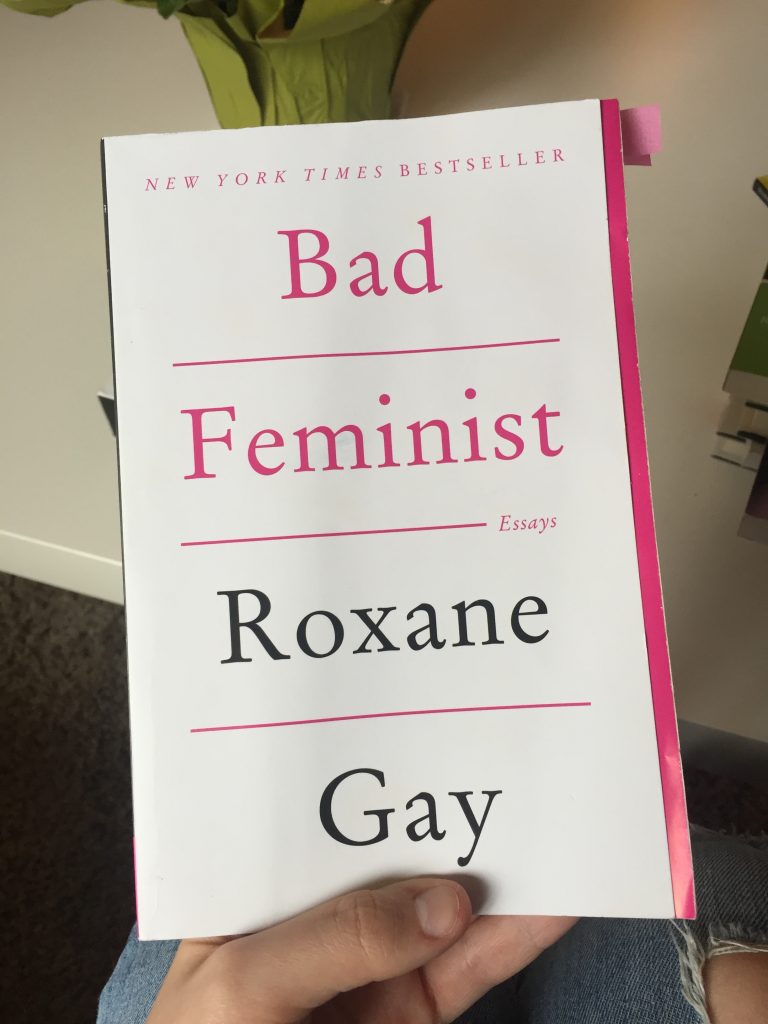
Is feminism bad? The question itself feels like a betrayal, a concession to the patriarchal undercurrents that still seep through the cracks of our supposedly enlightened society. But we, as critical thinkers, as disruptors of the status quo, cannot shy away from uncomfortable questions. Let’s dissect this loaded query, peeling back the layers of misinformation and misdirection to expose the truth, however inconvenient it may be.
This isn’t a debate about whether women deserve rights – that battle, frankly, should be long over. This is about examining the critiques leveled against feminism, the insidious arguments that attempt to undermine its power and relevance. It’s about understanding the fears and anxieties that fuel the backlash and, perhaps more importantly, challenging them head-on.
Let’s begin by dismantling the straw man. The most common, and perhaps laziest, criticism of feminism is that it’s a monolithic entity, a singular ideology with a rigid set of tenets. This is, of course, patently false. Feminism is a vast and multifaceted landscape, encompassing a spectrum of perspectives and approaches. From intersectional feminism, which acknowledges the interwoven nature of social categorizations such as race, class, and gender, to eco-feminism, which explores the connections between the domination of women and the domination of nature, the movement is far from homogenous. To condemn “feminism” as a whole is to ignore the richness and complexity of its diverse voices.
Now, let’s delve into some specific accusations.
The “Man-Hating” Trope: A Perpetuation of Misandry Accusations
This is the oldest and most tiresome of the canards. The idea that feminism is inherently anti-male is a deliberate distortion, designed to scare away potential allies and silence dissent. While it’s true that some feminists express anger and frustration with patriarchal structures and the harm they inflict, this is not the same as hating all men. To conflate criticism of systemic inequality with personal animosity is a gross oversimplification, a tactic employed to discredit the movement and deflect from the real issues at hand.
Let us be clear: critiquing toxic masculinity is not an attack on men, but a call for them to break free from the constricting and damaging norms that society imposes. It’s an invitation to embrace vulnerability, empathy, and emotional intelligence, qualities that benefit everyone, regardless of gender. The pathologization of male expression should be addressed, not exacerbated. What’s more, to suggest that all men benefit equally from patriarchal structures is erroneous. Many men find themselves restricted by societal expectations, constrained by the pressure to conform to outdated models of masculinity. Feminism seeks liberation for all, not the subjugation of one group by another.
The “Victimhood” Narrative: Is Feminism Fostering Helplessness?
Another common criticism is that feminism encourages women to see themselves as victims, fostering a sense of helplessness and dependency. This argument suggests that by focusing on issues like sexual harassment, pay inequality, and gender-based violence, feminists are somehow disempowering women, preventing them from achieving their full potential. This is a particularly insidious accusation, as it attempts to turn the very real experiences of women into a weapon against them.
Acknowledging systemic oppression is not the same as embracing victimhood. It is, in fact, the first step towards empowerment. By naming and analyzing the forces that hold women back, we can begin to develop strategies to overcome them. Recognizing the structural barriers that exist is not an act of surrender, but a call to action. To suggest otherwise is to deny the reality of gender inequality and to place the burden of responsibility solely on individual women. Furthermore, it completely ignores the agency inherent in feminist activism. Women are not passive recipients of oppression; they are active agents of change, fighting for a more just and equitable world.
The “Privileged” Critique: Are Some Feminists Leaving Others Behind?
This is a more nuanced and complex critique, one that deserves serious consideration. It argues that mainstream feminism often prioritizes the concerns of privileged women – those who are white, middle-class, and heterosexual – while neglecting the experiences of marginalized groups. This is a valid concern, and one that has been at the forefront of feminist discourse for decades. Intersectionality, as a framework, is designed to address this very issue.
It is essential to acknowledge that not all women experience oppression in the same way. The challenges faced by a Black woman in the United States, for example, are vastly different from those faced by a white woman in a wealthy suburb. Failing to recognize these differences can lead to a narrow and exclusionary feminism, one that inadvertently reinforces existing power structures. The only way to combat this is to actively center the voices and experiences of marginalized women, to create a movement that is truly inclusive and representative of all who identify as women. This necessitates a continuous process of self-reflection and a willingness to challenge our own biases and assumptions.
The “Reverse Sexism” Fallacy: A Distraction from Real Inequality
The term “reverse sexism” is often invoked to dismiss claims of gender inequality, suggesting that men are now the victims of discrimination. This is a fallacious argument that ignores the vast power imbalance between men and women. While it is certainly possible for individual men to experience prejudice or discrimination, these instances do not negate the systemic advantages that men, as a group, continue to enjoy. The existence of individual exceptions does not invalidate the general rule. The notion that men are now an oppressed group is simply not supported by the data. Men continue to hold the vast majority of positions of power in government, business, and media. They continue to earn more than women for the same work. And they continue to be less likely to experience violence and harassment. To claim that men are now the victims of sexism is not only inaccurate, but also deeply harmful, as it distracts from the very real and ongoing struggles of women.
The “Gender Roles” Debate: Are Feminists Trying to Erase Difference?
Another common misconception is that feminists are trying to erase gender differences, to force everyone into a single, androgynous mold. This is a fundamental misunderstanding of the feminist project. Feminism is not about denying the existence of biological differences between men and women, nor is it about dictating how people should express their gender identity. It is about challenging the rigid and limiting stereotypes that society imposes on men and women, and creating a world where everyone is free to be themselves, without fear of judgment or discrimination.
The key is to separate biological sex from socially constructed gender roles. While there may be some innate differences between men and women, the vast majority of gendered behaviors are learned and reinforced through cultural norms. Feminism seeks to dismantle these norms, to create space for a wider range of expressions and identities. It is about empowering individuals to choose their own paths, rather than forcing them to conform to predetermined expectations. It is about creating a society where men can be nurturing and emotional, and women can be assertive and ambitious, without being penalized for violating gender stereotypes.
The “Political Correctness” Bogeyman: Silencing Dissent Through Manufactured Outrage
The term “political correctness” is often used as a bludgeon to silence dissenting voices, particularly those who challenge traditional power structures. It is a catch-all term that encompasses a wide range of concerns, from the use of inclusive language to the critique of cultural appropriation. While it is important to engage in thoughtful and respectful dialogue about these issues, the term “political correctness” is often used in bad faith, as a way to dismiss legitimate concerns and shut down debate.
The accusation of “political correctness” is often leveled against feminists who challenge sexist language or behavior. It is used to suggest that they are being overly sensitive or that they are trying to impose their views on others. However, what is often dismissed as “political correctness” is simply a matter of basic respect and decency. Using inclusive language is not about being overly sensitive; it is about acknowledging the diversity of human experience and creating a more welcoming and inclusive environment. Challenging sexist behavior is not about imposing one’s views on others; it is about creating a society where everyone is treated with dignity and respect.
Beyond the Binary: Embracing Fluidity and Challenging the Status Quo
Ultimately, the question of whether feminism is “bad” hinges on one’s understanding of its core principles. Feminism is not about achieving superiority over men, nor is it about imposing a rigid ideology on others. It is about creating a more just and equitable world for all, a world where everyone is free to live their lives to the fullest, without being constrained by gender stereotypes or facing discrimination. It requires constant questioning, evolution, and a deep commitment to intersectionality.
It’s a call for radical empathy, for a willingness to see the world through the eyes of others. It’s a recognition that liberation is not a zero-sum game, that when one group is freed, all are elevated. So, is feminism bad? Only if you believe that equality, justice, and freedom are bad. Only if you fear the disruption of the status quo. Only if you cling to outdated and oppressive power structures. For those who believe in a better world, a world where everyone can thrive, feminism is not only good; it is essential.






Leave a Comment