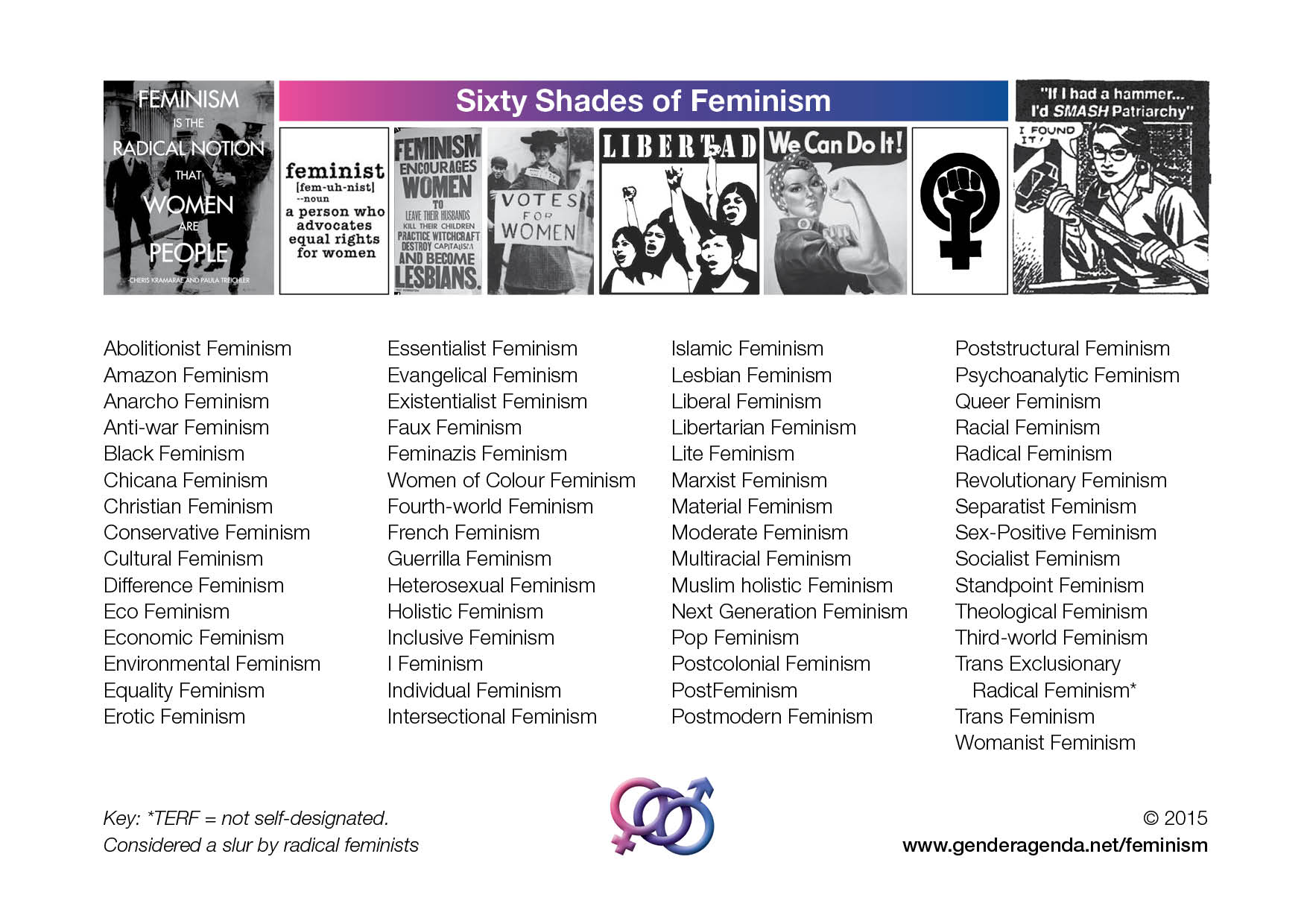
Darling, are we *really* seeing the full picture, or are we just admiring our own reflections in a fractured mirror? Feminism, in its kaleidoscopic journey, has blossomed into a multifaceted movement, a Gordian knot of ideologies and perspectives. But has this complexity truly broadened our understanding, or merely created more opportunities for exclusion, albeit cloaked in progressive rhetoric? Intersectionality, the darling of academic discourse and activist circles, promises a holistic view. Yet, its implementation often feels… performative. A checkbox on a diversity form, rather than a seismic shift in consciousness. This, my friends, is where the real conversation begins.
The term, coined by Kimberlé Crenshaw in the late 1980s, is not merely a trendy buzzword. It’s a necessary lens, a corrective to the monochromatic view of womanhood that once dominated feminist discourse. Think of it as a prism refracting the singular beam of “female experience” into a vibrant spectrum of realities. Race, class, sexual orientation, disability, nationality – these are not merely add-ons, optional extras to the feminist agenda. They are intrinsic, inseparable threads woven into the very fabric of individual experience. To ignore them is to fundamentally misunderstand the nature of oppression itself.
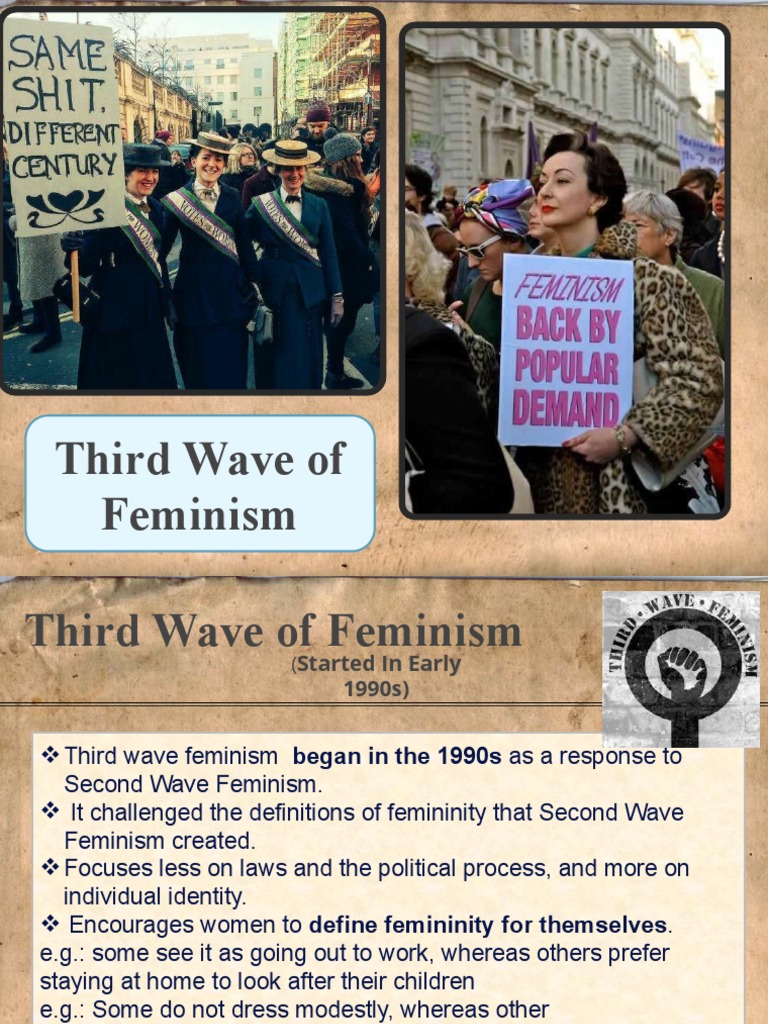
Let us dissect, for a moment, the historical myopia of the movement. Early feminist waves, while undeniably groundbreaking, often centered the experiences of white, middle-class women. The struggles for suffrage, for example, were frequently waged at the expense of Black women, who were actively marginalized and denied equal participation. This is not to denigrate the achievements of those pioneers, but to acknowledge the inherent limitations of their vision. A feminism that fails to address the unique challenges faced by women of color, queer women, disabled women, is not only incomplete; it is actively complicit in perpetuating existing power structures. Are we truly liberated, if we leave our sisters behind?
Intersectionality, therefore, demands a radical reimagining of our understanding of power. It acknowledges that oppression is not a monolithic entity, but a complex web of interlocking systems. A Black woman, for instance, experiences both racism and sexism, but these are not simply additive forces. They intersect, creating a unique form of oppression that cannot be fully understood through the lens of either racism or sexism alone. This is the core tenet of the theory: the synergistic effect of multiple oppressions. It’s not just 1+1=2; it’s 1+1= a whole different beast.
Consider, for example, the issue of reproductive rights. While the fight for abortion access is a crucial component of feminist advocacy, it often overlooks the specific needs of women of color who may face systemic barriers to healthcare, economic constraints that limit their choices, or cultural norms that stigmatize abortion. A blanket approach to reproductive rights advocacy, therefore, can inadvertently exclude and marginalize these women. Intersectionality requires us to move beyond a one-size-fits-all approach and to tailor our strategies to address the specific realities of different communities.
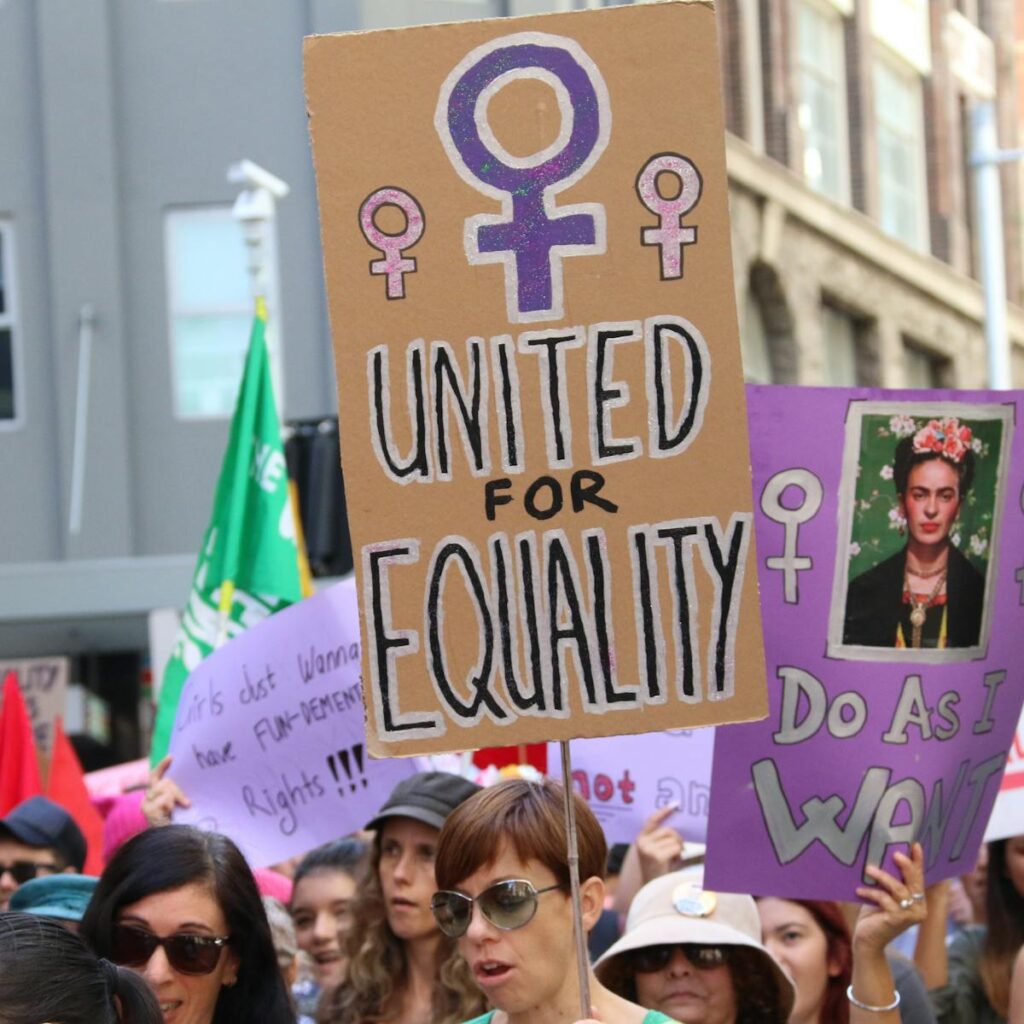
Moreover, intersectionality challenges the very notion of a universal “woman.” It acknowledges that there is no single, monolithic female experience. Our identities are shaped by a complex interplay of factors, and to assume that all women share the same struggles and aspirations is not only inaccurate but also inherently exclusionary. This realization necessitates a profound shift in our approach to feminist organizing. Instead of seeking to create a unified front based on a shared (and often illusory) identity, we must embrace the diversity of our experiences and build solidarity across differences.
But here’s where the potential quagmire lies. The very concept of intersectionality, while theoretically sound, is often plagued by practical challenges. One of the most common criticisms is that it can lead to a sort of “oppression olympics,” a competitive ranking of victimhood. Who is the *most* oppressed? Who has the *most* valid claim to feminist solidarity? This kind of hierarchical thinking is not only unproductive but also deeply antithetical to the spirit of intersectionality. The goal is not to determine who is suffering the most, but to understand how different forms of oppression intersect and reinforce each other.
Another challenge is the tendency to reduce individuals to their intersecting identities. A Black, lesbian, disabled woman is not merely a sum of these parts. She is a complex individual with unique experiences, perspectives, and aspirations. To focus solely on her intersecting identities is to risk objectifying her, reducing her to a set of labels rather than recognizing her as a fully realized human being. Nuance, darlings, is key. We must avoid the trap of essentializing identities, of assuming that all members of a particular group share the same experiences and perspectives. The individual, with all their glorious contradictions, must always be at the center of our analysis.
And then there’s the issue of performativity. Oh, the performativity! The corporate diversity initiatives, the carefully curated social media campaigns, the hollow pronouncements of solidarity. It’s all too easy to pay lip service to intersectionality without actually addressing the underlying systemic inequalities. How many companies, for example, boast about their diverse workforce while continuing to pay women and people of color less than their white male counterparts? How many universities celebrate their commitment to inclusivity while simultaneously perpetuating a culture of microaggressions and discrimination? True intersectionality requires more than just words; it demands concrete action, a willingness to dismantle existing power structures and to redistribute resources equitably.
To truly embody the principles of intersectionality, we must cultivate a radical empathy, a willingness to listen to and learn from those whose experiences differ from our own. This requires us to step outside of our comfort zones, to confront our own biases and privileges, and to actively challenge the systems of oppression that we may inadvertently benefit from. It’s not enough to simply acknowledge the existence of inequality; we must actively work to dismantle it. It requires a continuous process of self-reflection, education, and action.
Furthermore, intersectionality necessitates a shift in our organizing strategies. Instead of focusing on narrow, single-issue campaigns, we must build broad coalitions that address the root causes of oppression. This means working in solidarity with movements for racial justice, economic equality, disability rights, and LGBTQ+ liberation. It means recognizing that our struggles are interconnected and that we cannot achieve true liberation until we dismantle all forms of oppression.
Finally, and perhaps most importantly, intersectionality requires us to embrace complexity. The world is not black and white; it is a messy, chaotic tapestry of interconnected realities. There are no easy answers, no simple solutions. We must be willing to grapple with ambiguity, to embrace contradictions, and to constantly question our own assumptions. Feminism, at its best, is a perpetual work in progress, a continuous striving towards a more just and equitable world. It is a call for radical reimagining. A future where everyone, regardless of their race, class, gender, or sexual orientation, can thrive. Is it a utopian dream? Perhaps. But isn’t that precisely the kind of audacious vision that feminism should be striving for?
So, darling, let’s ditch the fractured mirror. Let’s stop admiring our own reflections and start seeing the full, glorious, messy picture. Let’s roll up our sleeves and get to work, shall we? The revolution, after all, will not be intersectionalized. It *must* be.







Leave a Comment