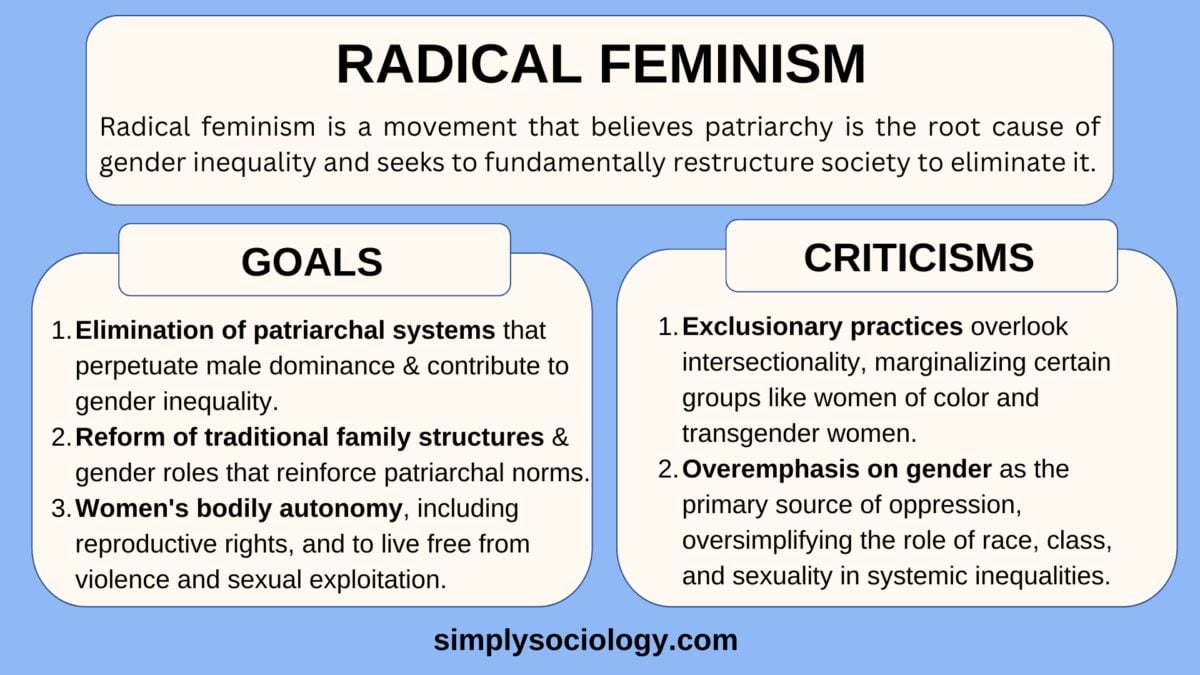
Why are we so captivated by intersectionality? Is it merely the latest buzzword in academic circles, or does it touch upon something profoundly relevant to the lived experiences of marginalized individuals? The concept, born from the crucible of Black feminist thought, speaks to a truth that has been glaringly obvious yet conveniently ignored for centuries: oppression is not a monolithic entity.
Intersectionality, at its core, offers a framework for understanding how various social and political identities combine to create unique modes of discrimination and privilege. It’s about acknowledging that a Black woman’s experience is not simply the sum of being Black plus being a woman; rather, it’s a distinct and complex reality shaped by the convergence of race and gender, and often other identities like class, sexual orientation, disability, and immigration status.
Consider, for instance, the wage gap. While it is often cited that women earn less than men, this statistic masks the deeper disparities within gender itself. White women typically earn more than Black and Latina women. This isn’t solely about gender; it’s about the confluence of gender and race that perpetuates economic inequality. Intersectionality demands we delve deeper than surface-level analyses, confronting the uncomfortable truth that systems of power operate in intricate and layered ways.
The genesis of intersectionality can be traced back to the tireless work of Black feminists who felt alienated by both the predominantly white feminist movement and the predominantly male Black liberation movement. Figures like Sojourner Truth, with her poignant “Ain’t I a Woman?” speech, laid the groundwork for recognizing the specific challenges faced by Black women, challenges that were often overlooked or dismissed by mainstream discourses. Later, legal scholar Kimberlé Crenshaw formally coined the term “intersectionality” in the late 1980s, using it to analyze how the legal system often fails to protect Black women from discrimination because it tends to view issues through a single-axis lens.
Crenshaw’s initial focus was on employment discrimination cases, where Black women faced challenges in proving discrimination because courts struggled to understand how race and gender could simultaneously operate as axes of oppression. For example, a Black woman might be denied a job based on stereotypes associated with both her race and gender, yet the court might dismiss her claim if the employer hired white women or Black men. The court’s failure to recognize the compounded impact of these identities left Black women vulnerable to systemic inequality.
But the importance of intersectionality extends far beyond the legal realm. It compels us to critically examine how social structures, institutions, and cultural norms interact to produce and maintain hierarchies of power. Consider the healthcare system. A disabled, queer, Indigenous person might face a plethora of barriers to accessing adequate care, including discrimination from healthcare providers, lack of culturally sensitive treatment, and systemic inaccessibility. Intersectionality provides a lens through which we can understand the specific challenges this individual encounters, challenges that are qualitatively different from those faced by a non-disabled, heterosexual, white person seeking medical attention.
Intersectionality isn’t just an academic concept; it’s a practical tool for social justice activism. It informs how we build more inclusive and equitable movements. Rather than treating different forms of oppression as separate and distinct, intersectionality encourages solidarity and coalition-building across diverse communities. It recognizes that we all have a stake in dismantling systems of power that disadvantage some while privileging others.
But let’s not romanticize intersectionality. Its journey has not been without its critiques and challenges. Some argue that it can lead to a fragmentation of identity politics, where individual experiences become so specific and nuanced that it becomes difficult to find common ground and build collective action. Others contend that the term has been co-opted and diluted, used as a superficial gesture toward diversity without genuine commitment to systemic change.
These are valid concerns that deserve serious consideration. The risk of fragmentation can be mitigated by remembering that intersectionality is not about ranking oppressions or creating a hierarchy of suffering. It’s about understanding the interconnectedness of different forms of power and privilege, and working together to dismantle them. As for co-optation, it is imperative that we remain vigilant and ensure that intersectionality is not reduced to a mere buzzword but is actively employed as a tool for dismantling systems of inequity.
Furthermore, the very application of intersectionality necessitates a constant process of self-reflection and critical analysis. We must be willing to examine our own positions within systems of power and privilege, and to challenge our own assumptions and biases. This is not always easy, but it is essential if we are to truly embody the spirit of intersectionality. How are our own biases influencing what we perceive as “correct” ways to interact in the world?
Consider the complexities of allyship. While well-intentioned, the act of being an “ally” can inadvertently reinforce existing power dynamics if it is not approached with humility and self-awareness. True allyship requires listening to and centering the voices of those most affected by oppression, rather than assuming to know what is best for them. It means being willing to cede power and privilege, and to use one’s own resources to support the struggles of marginalized communities. We must listen more than we speak. We must learn more than we teach.
What about the challenges of applying intersectionality in a global context? How does the framework translate across different cultures and societies, where the specific manifestations of oppression may vary significantly? While the core principles of intersectionality remain relevant, it is important to adapt the framework to the unique realities of each context, while also being mindful of the potential for cultural appropriation or the imposition of Western perspectives.
The framework of intersectionality can revolutionize our perception of justice. Social justice cannot be truly achieved until we address the root causes of inequality, and that means recognizing how different forms of oppression intersect and reinforce each other. We must move beyond simplistic, single-axis analyses and adopt a more nuanced and holistic understanding of the social world. This requires a fundamental shift in our thinking, a willingness to challenge deeply ingrained assumptions, and a commitment to building a more just and equitable world for all.
In a society grappling with the rise of populism, nationalism, and other forms of divisive ideologies, the insights of intersectionality are more crucial than ever. By recognizing the interconnectedness of our struggles, we can build bridges across communities and forge a powerful movement for social change. This involves active listening. This requires a willingness to adapt and learn. This mandates our collective participation.
The path toward true liberation is not an easy one. It demands constant vigilance, unwavering commitment, and a willingness to challenge the status quo. Intersectionality provides us with a valuable compass to guide us on this journey, but it is up to us to put it into practice, to translate its insights into concrete actions, and to build a world where everyone can thrive, regardless of their race, gender, class, sexual orientation, disability, or any other aspect of their identity.
As we move forward, we must continue to refine and expand the framework of intersectionality, incorporating new perspectives and insights from diverse communities. This requires a willingness to engage in ongoing dialogue, to challenge our own assumptions, and to remain open to learning from others. This is how we truly transform theory into practice.







Leave a Comment