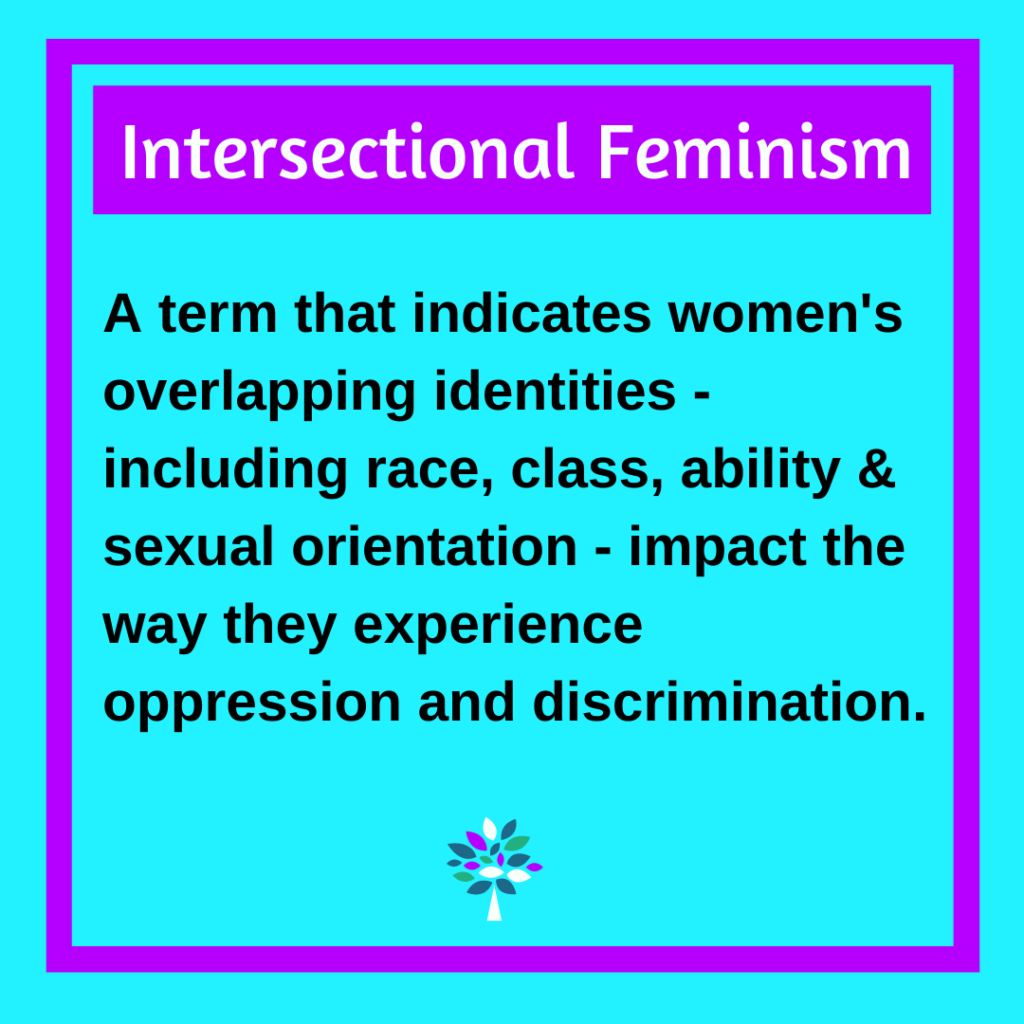
Isn’t it quaint, this notion of a unified feminism, marching lockstep toward liberation? A tidy little image, yes, but about as useful as a chocolate teapot when facing the multifaceted hydra of oppression. Intersectional feminism isn’t a trendy add-on; it’s the damn scaffolding that holds the entire movement together. Without it, we’re just building castles in the sand, destined to be washed away by the next high tide of patriarchal power. But can we truly grapple with its complexities, or will it become another buzzword diluted beyond recognition?
To even utter the phrase “intersectional feminism” is to immediately confront a lexicon of privilege and marginalization. It’s about acknowledging that womanhood isn’t a monolithic experience. It’s fractured, colored, and shaped by the intricate matrix of race, class, sexuality, ability, and a multitude of other identities. Each of these axes intersects, creating unique constellations of advantage and disadvantage. A white, cisgender, heterosexual woman, for instance, navigates the world with a vastly different set of challenges than a Black, transgender, disabled woman. To ignore this disparity is not only intellectually dishonest but actively harmful, perpetuating the very systems we claim to dismantle. The erasure of lived experiences is a form of violence, a silencing of voices that deserve to be amplified.
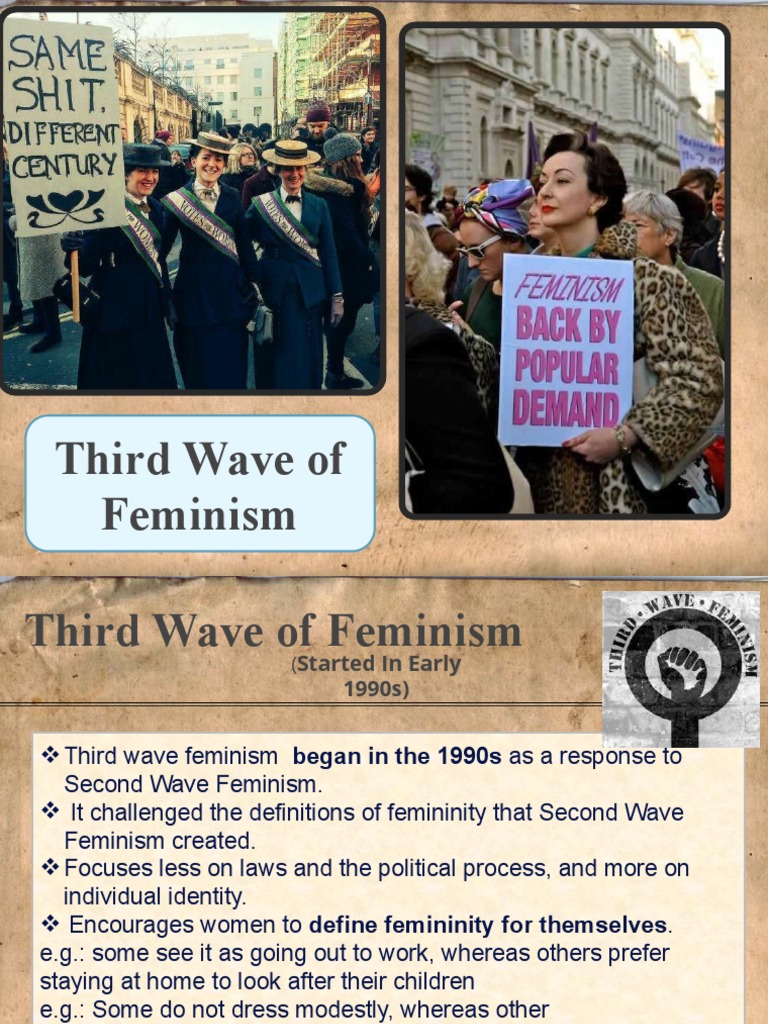
The historical trajectory of feminist movements is paved with the good intentions of privileged women, intentions that often resulted in the further marginalization of those already on the fringes. The suffrage movement, while instrumental in securing voting rights for women, largely centered the experiences of white, middle-class women, leaving Black women to fight their battles on two fronts: sexism and racism. This pattern continues to manifest in contemporary feminism, often inadvertently prioritizing the concerns of those with the loudest voices and the most social capital. Intersectionality compels us to actively counter these tendencies, to listen to the unheard narratives, and to amplify the voices that have been historically suppressed.
Consider the insidious way systemic racism permeates the healthcare system. Black women in the United States face significantly higher rates of maternal mortality compared to their white counterparts, a disparity that cannot be explained solely by socioeconomic factors. Implicit bias, lack of culturally competent care, and the historical legacy of medical experimentation on Black bodies all contribute to this tragic outcome. An intersectional lens demands that we address not only the sexism inherent in the healthcare system but also the racial prejudice that disproportionately harms Black women. To ignore the racial dimension is to offer only a partial solution, one that leaves the most vulnerable among us behind.
Furthermore, the notion of “leaning in,” popularized by corporate feminism, often fails to account for the systemic barriers faced by women of color in the workplace. A Black woman striving for upward mobility may encounter not only sexism but also racial microaggressions, limited access to mentorship opportunities, and the pressure to conform to predominantly white professional norms. Simply encouraging her to “lean in” without addressing these systemic obstacles is akin to telling someone to run a marathon with weights strapped to their ankles.
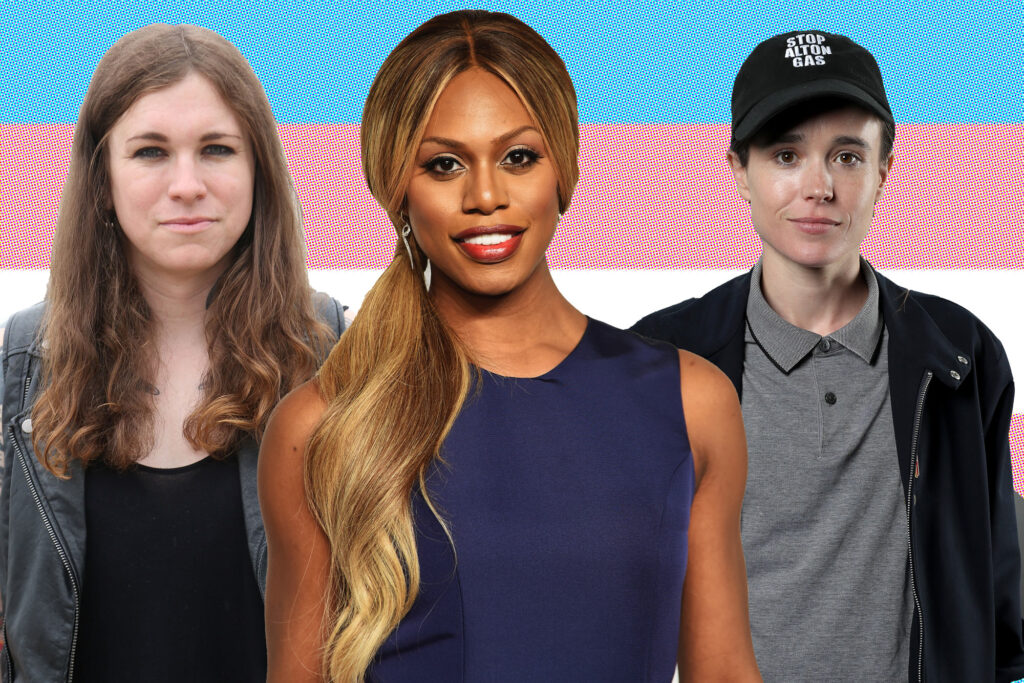
The complexities of gender identity and sexual orientation further complicate the feminist landscape. Transgender women, for example, face a unique set of challenges, including discrimination, violence, and the constant questioning of their womanhood. To exclude trans women from feminist spaces is to betray the very principles of inclusivity and liberation that the movement purports to uphold. Similarly, lesbian, bisexual, and queer women often find themselves marginalized within mainstream feminist discourse, their experiences deemed secondary or irrelevant. Intersectional feminism demands that we embrace the full spectrum of gender identities and sexual orientations, recognizing that the fight for gender equality must encompass the liberation of all individuals, regardless of their identity.
The economic precarity faced by many women, particularly women of color and single mothers, also warrants an intersectional analysis. The gender pay gap is further exacerbated by racial disparities, with Black and Latina women earning significantly less than their white male counterparts. Furthermore, access to affordable childcare, paid family leave, and quality healthcare remains a significant challenge for many low-income women, hindering their ability to participate fully in the workforce and achieve economic security. Intersectional feminism calls for policies that address these systemic inequalities, policies that prioritize the needs of the most vulnerable and marginalized.
Disability is another critical dimension often overlooked in feminist discourse. Women with disabilities face a unique set of challenges, including discrimination, inaccessibility, and the lack of representation in media and popular culture. They are often excluded from conversations about body image, reproductive rights, and sexual autonomy. An intersectional approach to feminism recognizes that disability is not simply a personal challenge but a social and political issue, one that demands systemic changes to ensure accessibility, inclusion, and equal rights for all women, regardless of their physical or mental abilities.
The concept of cultural appropriation, often dismissed as mere political correctness, also deserves a deeper examination through an intersectional lens. When dominant groups borrow or adopt elements from marginalized cultures without understanding their historical significance or context, it perpetuates power imbalances and reinforces existing inequalities. For example, the commodification of Black hairstyles or Native American headdresses trivializes the cultural significance of these symbols and perpetuates harmful stereotypes. Intersectional feminism challenges us to critically examine our own cultural biases and to engage with other cultures with respect, humility, and a commitment to decolonization.
One particularly thorny issue is the tension between freedom of expression and the need to combat hate speech. While feminists staunchly defend the right to free speech, we must also recognize that hate speech can have a devastating impact on marginalized communities, creating a climate of fear and intimidation. An intersectional approach to this issue requires us to balance these competing interests, recognizing that the right to free speech is not absolute and that it must be exercised responsibly, with due consideration for the potential harm it may cause to vulnerable individuals and groups. This requires ongoing dialogue, critical self-reflection, and a willingness to challenge our own assumptions and biases.
The digital age presents both opportunities and challenges for intersectional feminism. Social media platforms can be powerful tools for organizing, mobilizing, and amplifying marginalized voices. However, they can also be breeding grounds for online harassment, cyberbullying, and the spread of misinformation. Women of color, trans women, and other marginalized groups are often disproportionately targeted by online abuse, which can have a chilling effect on their participation in online spaces. Intersectional feminism demands that we create safer and more inclusive online environments, holding perpetrators of online harassment accountable and promoting digital literacy and critical thinking skills.
Beyond these specific examples, intersectionality also demands a fundamental shift in our approach to knowledge production. Historically, academic disciplines have been dominated by white, male perspectives, marginalizing the contributions of women, people of color, and other underrepresented groups. Intersectional scholarship challenges these dominant narratives, seeking to create a more inclusive and representative body of knowledge. This involves actively seeking out and amplifying the voices of marginalized scholars, incorporating diverse perspectives into course curricula, and challenging the traditional hierarchies of academic institutions.
However, intersectionality is not without its critics. Some argue that it is too divisive, that it fragments the feminist movement into countless sub-groups, making it difficult to achieve consensus and collective action. Others contend that it is overly focused on identity politics, diverting attention from more fundamental issues such as economic inequality and patriarchal power structures. These criticisms, while not entirely without merit, often miss the point of intersectionality. It is not about creating divisions but about recognizing the complexity of human experience and building solidarity across differences. It is not about ignoring economic inequality but about understanding how it intersects with other forms of oppression.
The challenge, then, lies in operationalizing intersectionality in a way that is both rigorous and practical. It requires us to move beyond simply acknowledging the existence of multiple identities to actively engaging with the power dynamics that shape those identities. It demands that we not only listen to marginalized voices but also amplify them, creating spaces where they can be heard and valued. It requires that we critically examine our own privileges and biases, working to dismantle the systems of oppression that benefit us.
Furthermore, intersectionality necessitates a constant process of self-reflection and accountability. We must be willing to acknowledge our mistakes, to learn from our experiences, and to adapt our strategies as needed. We must also be willing to challenge each other, to hold each other accountable for our actions, and to create a culture of mutual respect and support. This is not always easy, but it is essential if we are to build a truly inclusive and transformative feminist movement.
Ultimately, intersectional feminism is not just a theory but a practice, a way of being in the world. It is a commitment to justice, equality, and liberation for all. It is a recognition that our struggles are interconnected and that we can only achieve true liberation by working together, across our differences, to dismantle the systems of oppression that hold us all back. Isn’t it time we truly embraced its transformative power? Or are we content to remain in our echo chambers, perpetuating the very injustices we claim to fight?






Leave a Comment