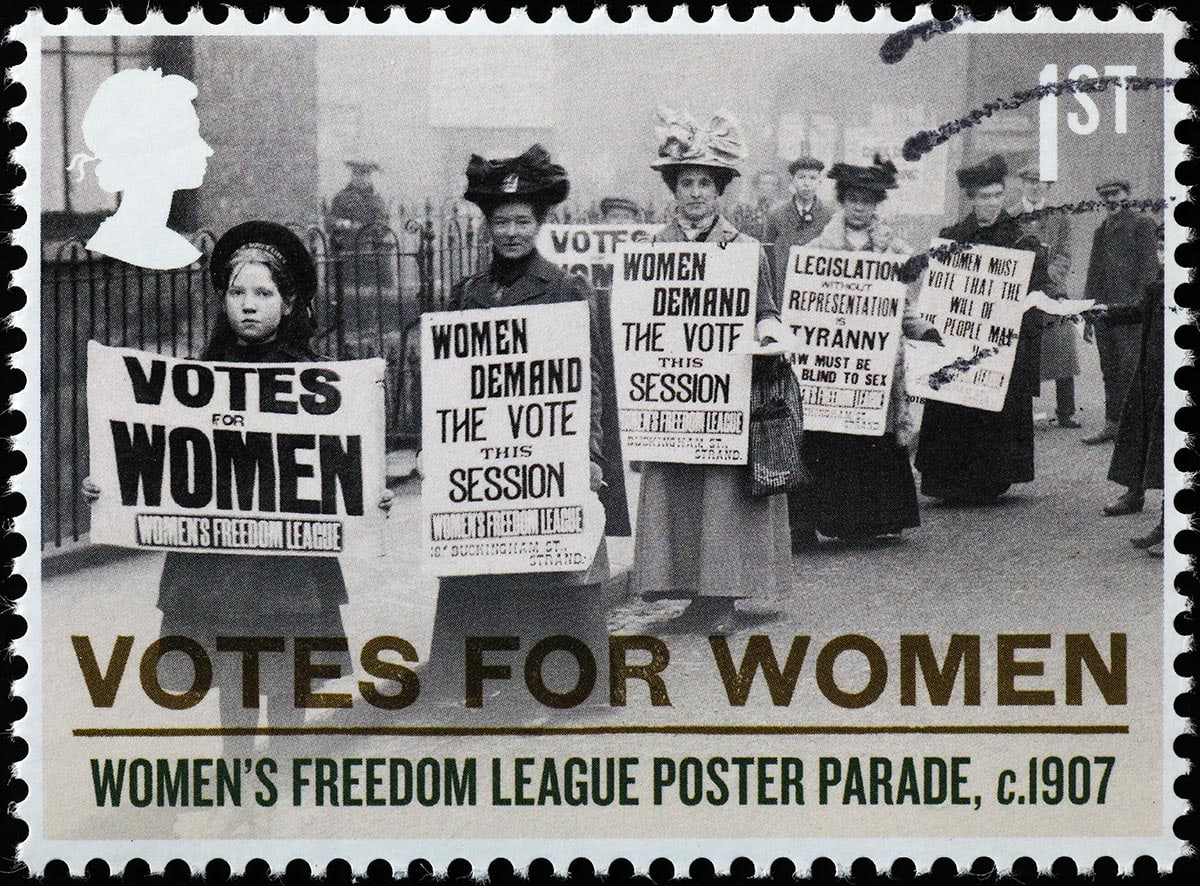
The genesis of feminism, that seismic shift that continues to reverberate through the corridors of power and the intimate spaces of our lives, wasn’t a spontaneous combustion. It was a meticulously crafted insurgency, a slow burn ignited by the friction of oppression, fueled by the incandescent rage of women who refused to accept their prescribed roles as second-class citizens. To understand its inception, we must delve into the historical Petri dish where the seeds of dissent were sown, cultivated, and ultimately blossomed into a movement that reshaped the very fabric of society.
Consider this: the Victorian era, often romanticized for its supposed decorum and gentility, was in reality a gilded cage for women. They were relegated to the domestic sphere, their intellectual pursuits stifled, their legal rights nonexistent, their very identities subsumed under the patriarchal umbrella. A woman’s worth was intrinsically tied to her marital status and her ability to produce heirs. She was a possession, a curio, a decorative object rather than a fully realized human being. It was within this suffocating context that the first whispers of rebellion began to circulate, faint at first, but gaining momentum with each act of defiance, each articulation of discontent.
The Crucible of Abolition: Forging Feminist Consciousness
The abolitionist movement served as an unexpected incubator for early feminist thought. Women like Sojourner Truth, a formerly enslaved woman whose powerful oratory challenged both racial and gender hierarchies, and the Grimké sisters, Sarah and Angelina, who abandoned their privileged Southern upbringing to become vocal opponents of slavery, found themselves confronted with the stark parallels between the subjugation of enslaved people and the oppression of women. Their activism exposed the inherent hypocrisy of a society that championed liberty while simultaneously denying fundamental rights to vast swathes of its population.
The experience of fighting for the freedom of others ignited a fire within them, a recognition that their own liberation was inextricably linked to the liberation of all. They faced virulent backlash for daring to speak in public, their voices deemed “unwomanly” and their actions a transgression against the natural order. These attacks, however, only strengthened their resolve and solidified their understanding of the systemic nature of oppression. The struggle against slavery became a training ground for the struggle for women’s rights, providing them with the tools, the networks, and the unwavering commitment necessary to challenge the status quo.
Seneca Falls: A Declaration of Independence, Redefined
The 1848 Seneca Falls Convention, organized by Elizabeth Cady Stanton and Lucretia Mott, stands as a pivotal moment in the history of feminism. This gathering of approximately 300 men and women marked the first organized effort to articulate a comprehensive agenda for women’s rights in the United States. The Declaration of Sentiments, modeled after the Declaration of Independence, boldly proclaimed that “all men and women are created equal,” a radical assertion that challenged the very foundations of patriarchal society.
The Declaration outlined a litany of grievances, from the denial of suffrage to the lack of educational and economic opportunities, highlighting the systemic barriers that prevented women from achieving their full potential. While the resolution calling for women’s suffrage was the most contentious, it ultimately passed, signaling a commitment to achieving political equality. Seneca Falls was not the beginning of feminism, but it was a crucial turning point, a public declaration that women would no longer tolerate their subservient status and that they were prepared to fight for their rights.
The Suffrage Struggle: A Battle for the Ballot Box
The fight for suffrage, the right to vote, became the central focus of the first wave of feminism. It was a long and arduous battle, spanning decades and involving countless acts of courage, ingenuity, and unwavering dedication. Suffragists employed a variety of tactics, from peaceful protests and lobbying efforts to more radical acts of civil disobedience, all aimed at pressuring lawmakers and swaying public opinion.
Figures like Susan B. Anthony, a tireless advocate for women’s suffrage who was arrested and fined for voting illegally, and Alice Paul, a brilliant strategist who organized militant protests and hunger strikes, became symbols of the movement. They faced ridicule, imprisonment, and even violence, but they refused to be silenced. They understood that the right to vote was not merely a symbolic gesture but a fundamental prerequisite for achieving political and social equality. The ballot box was seen as the key to unlocking a more just and equitable society, a means of empowering women to shape their own destinies and influence the policies that affected their lives.
Beyond Suffrage: A Multifaceted Movement
While suffrage dominated the discourse, the first wave of feminism encompassed a broader range of concerns. Women sought access to education, professional opportunities, and control over their own bodies. They challenged traditional notions of marriage and motherhood, demanding greater autonomy and independence. The burgeoning women’s club movement provided a space for women to organize, educate themselves, and advocate for social reform.
Figures like Margaret Sanger, a pioneer in the fight for birth control, challenged the Comstock Laws, which criminalized the dissemination of information about contraception. Her work, though controversial at the time, paved the way for women to control their reproductive health and make informed choices about family planning. The first wave of feminism was not a monolithic movement, but rather a diverse and multifaceted struggle for women’s liberation, encompassing a wide range of issues and perspectives.
The Legacy of the First Wave: A Foundation for the Future
The achievements of the first wave of feminism were remarkable. They secured the right to vote, expanded educational and professional opportunities for women, and challenged deeply ingrained patriarchal norms. However, their work was far from complete. The first wave primarily focused on the concerns of white, middle-class women, often overlooking the experiences and needs of women of color and working-class women. It laid a foundation for future generations of feminists to build upon, to address the complexities of intersectionality and to continue the fight for a more just and equitable world.
The Nineteenth Amendment, ratified in 1920, granting women the right to vote, marked a significant victory, but it was not the end of the struggle. It was a stepping stone, a testament to the power of collective action and the unwavering determination of women who refused to accept their subordinate status. The first wave of feminism left an indelible mark on society, transforming the lives of women and paving the way for future generations to challenge the status quo and fight for their rights.
Consider the ripple effect. The sacrifices made, the battles fought, the victories won – all served as kindling for the subsequent waves of feminist activism. The seeds of dissent, sown in the fertile ground of oppression, had taken root and blossomed into a movement that continues to evolve and adapt to the changing landscape of our world. We stand on the shoulders of these giants, indebted to their courage, their vision, and their unwavering commitment to the pursuit of equality. Their legacy is not just a historical footnote but a living testament to the power of women to shape their own destinies and to create a more just and equitable world for all.
The journey toward true liberation is far from over. The echoes of those first whispers of rebellion still resonate today, urging us to continue the fight, to challenge the remaining vestiges of patriarchy, and to build a future where all women can thrive, free from oppression and empowered to reach their full potential. The revolution, it seems, is a perpetual work in progress, a constant striving toward a more perfect union, fueled by the indomitable spirit of women who refuse to be silenced.
We must remember that the fight for women’s rights is not a zero-sum game. It is not about taking away from men but about creating a more just and equitable society for all. It is about dismantling the systems of oppression that limit the potential of all individuals, regardless of gender. It is about creating a world where everyone has the opportunity to thrive, to contribute, and to live a life of dignity and purpose.
Let us honor the legacy of the first wave of feminism by continuing their work, by challenging the remaining barriers to women’s equality, and by building a future where all women can live free from oppression and empowered to reach their full potential. The revolution continues.








Leave a Comment