Has feminism, this ostensibly liberating force, truly reached the women who dwell in the deepest recesses of societal neglect? The question echoes with a discordant resonance, a challenge to the self-congratulatory narratives spun within the hallowed halls of progressive discourse. Let’s dissect this, shall we? Let’s tear apart the comfortable assumptions and examine the uncomfortable realities that simmer beneath the surface of feminist triumphalism. Has it really?
We, the self-proclaimed vanguard of women’s liberation, often exist within echo chambers, patting ourselves on the back for pronouncements that barely penetrate the fortified walls of systemic oppression. Is our message, however well-intentioned, merely a rarefied dialect spoken only within the privileged enclaves of academia and progressive activism?
**I. The Ivory Tower vs. The Trenches: A Chasm of Understanding**
Academia is the fertile ground where feminist theory blossoms. This is where the seeds of radical thought are sown, cultivated, and meticulously analyzed. We dissect patriarchal structures, deconstruct gender binaries, and craft intricate frameworks for dismantling oppression. However, all of this intellectual rigor often remains confined within the hallowed halls of universities. It rarely trickles down to the women who are battling the daily exigencies of survival. How can a woman struggling to feed her children with a minimum wage job possibly parse the nuances of intersectional feminism? Is she not busy simply trying to stay afloat in a world determined to drag her under?
Consider the lexicon itself. We wield terms like “hegemony,” “patriarchal dividend,” and “cisheteropatriarchy” with practiced ease. But to a woman grappling with domestic violence, these are just words. Impenetrable jargon, devoid of practical meaning or immediate utility. Are we genuinely reaching her, or are we merely speaking a language she cannot understand, further alienating her from a movement supposedly designed to liberate her?
**II. The Echo Chamber Effect: Preaching to the Choir**
Social media provides a platform for feminist discourse, a digital town square where ideas are exchanged and solidarity is forged. But let’s be honest. Our online communities are often self-selecting. We tend to surround ourselves with like-minded individuals. We amplify voices that echo our own beliefs. This creates a dangerous feedback loop, reinforcing existing biases and preventing us from engaging with dissenting perspectives.
The algorithm, that insidious puppeteer of the digital world, further exacerbates this problem. It curates our feeds, ensuring that we are only exposed to content that confirms our pre-existing worldview. This creates the illusion of widespread support for feminist ideals, masking the uncomfortable truth that many women remain unconvinced, unaware, or actively hostile to the movement.
**III. The Intersectional Blind Spot: Whose Feminism Is It Anyway?**
Intersectionality, the recognition that oppression is multifaceted and experienced differently based on factors such as race, class, sexual orientation, and ability, is a cornerstone of modern feminist thought. And yet, even within feminist circles, there exists a persistent tendency to prioritize the concerns of privileged women. The struggles of women of color, disabled women, working-class women, and LGBTQ+ women are often marginalized or relegated to the periphery of the conversation.
Is the feminism we espouse truly intersectional, or is it merely a watered-down version that caters to the sensibilities of white, middle-class women? If we fail to address the specific needs and concerns of marginalized women, we risk perpetuating the very systems of oppression we claim to be dismantling. We risk creating a movement that is inclusive in name only, a hollow shell of inclusivity that betrays its promise of liberation for all.
The focus on shattering the glass ceiling, while laudable, often overshadows the struggles of women toiling in the trenches of the gig economy. The fight for equal pay for equal work becomes meaningless when women are trapped in low-wage jobs, denied access to childcare, and forced to navigate a labyrinthine welfare system. If feminism only benefits a select few, it is a failure. It is a betrayal of its foundational principles.
**IV. The Backlash Brigade: A Chorus of Dissent**
Feminism is not without its detractors. A vocal and often virulent backlash exists, fueled by misogyny, ignorance, and fear. This backlash manifests in various forms, from online harassment and doxxing to the passage of legislation that restricts women’s reproductive rights.
The “tradwife” movement, a disturbing trend that glorifies traditional gender roles and advocates for women to return to the domestic sphere, represents a particularly insidious form of anti-feminism. These women, often young and social media savvy, actively reject feminist ideals, arguing that true liberation lies in embracing domesticity and submitting to male authority.
The alt-right, a white supremacist movement that has gained traction in recent years, is another formidable opponent of feminism. These groups often employ misogynistic rhetoric and promote violence against women, viewing feminism as a threat to their vision of a patriarchal society.
**V. The Culture War Crucible: A Battle for Hearts and Minds**
Feminism is not just a political movement; it is a cultural force. It seeks to challenge and transform societal norms, values, and beliefs. This inevitably leads to conflict, as those who benefit from the existing power structure resist any attempts to disrupt the status quo.
The culture war is waged on many fronts, from the halls of government to the streets of social media. It is a battle for hearts and minds, a struggle to define what it means to be a woman in the 21st century. This war is fought with words, images, and actions, and the stakes are incredibly high.
The media plays a significant role in shaping public perceptions of feminism. Mainstream media outlets often perpetuate negative stereotypes about feminists, portraying them as angry, man-hating extremists. This reinforces existing biases and makes it more difficult for feminism to reach a wider audience.
**VI. Beyond the Binary: Embracing Gender Diversity**
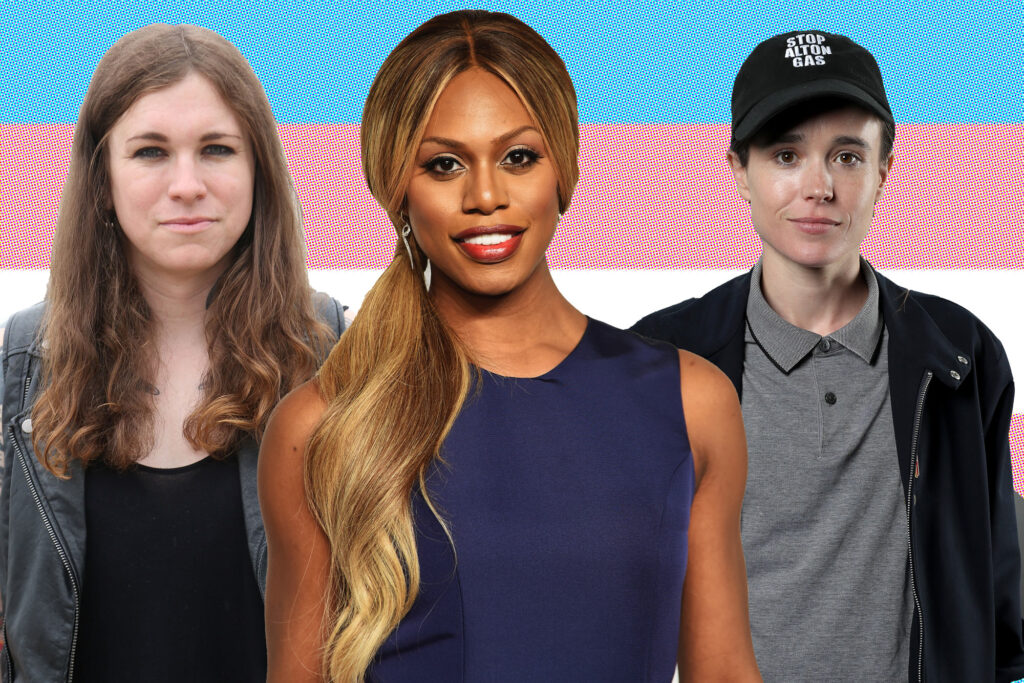
Feminism must embrace the diversity of gender identities and expressions. Transgender women are women, and their experiences and perspectives must be included in the feminist conversation. Non-binary individuals, who do not identify as either male or female, also deserve to be recognized and respected.
The focus on gender equality should not come at the expense of gender liberation. We should strive to create a society where individuals are free to express their gender identities without fear of discrimination or violence. This requires challenging the rigid gender binary and dismantling the patriarchal norms that reinforce it. Anything else is short sighted.
**VII. The Path Forward: Reaching the Unreached**
So, how do we reach the women who need feminism most? How do we break through the barriers of language, class, and culture to connect with those who have been left behind? It starts with listening, truly listening, to the experiences of marginalized women. We must be willing to acknowledge our own biases and privilege, and to learn from those who have been excluded from the feminist conversation.
We must move beyond the ivory tower and engage in grassroots activism. This means working directly with communities to address the specific needs and concerns of local women. It means supporting organizations that provide resources and services to marginalized populations. This might involve helping at homeless shelters or volunteering with women’s health services.
We must challenge the dominant narratives about feminism and reclaim our own story. This means using our voices to amplify the stories of marginalized women and to combat the negative stereotypes that perpetuate misogyny. It means creating media that reflects the diversity of women’s experiences and challenges the patriarchal norms that limit our potential.
It means fighting for policies that support women’s economic empowerment, such as universal childcare, paid family leave, and a living wage. This also means fighting to protect women’s reproductive rights and to ensure access to affordable healthcare. Such services are vital for a woman’s health. It also allows them to make important life choices.
Ultimately, reaching the women who need feminism most requires a fundamental shift in perspective. We must recognize that feminism is not a monolithic ideology, but a diverse and evolving movement that is constantly being shaped by the experiences of women around the world. We must embrace inclusivity, challenge our own assumptions, and be willing to learn from those who have been marginalized. Only then can we truly achieve our goal of liberating all women from the shackles of oppression. Only then can we claim to have made a difference to someone.






Leave a Comment