
Fourth Wave Feminism. The very term evokes a visceral reaction, doesn’t it? For some, it represents the culmination of decades of struggle, a digital uprising against the entrenched patriarchy. For others, it’s an overblown echo chamber, a cacophony of outrage amplified by the internet’s insatiable hunger for drama. But what *is* Fourth Wave Feminism, really? Is it truly a revolutionary force, or just the same old battles fought with new, shinier weapons? Let’s delve into the labyrinthine corridors of this complex movement, unpack its promises, and dissect its potential pitfalls.
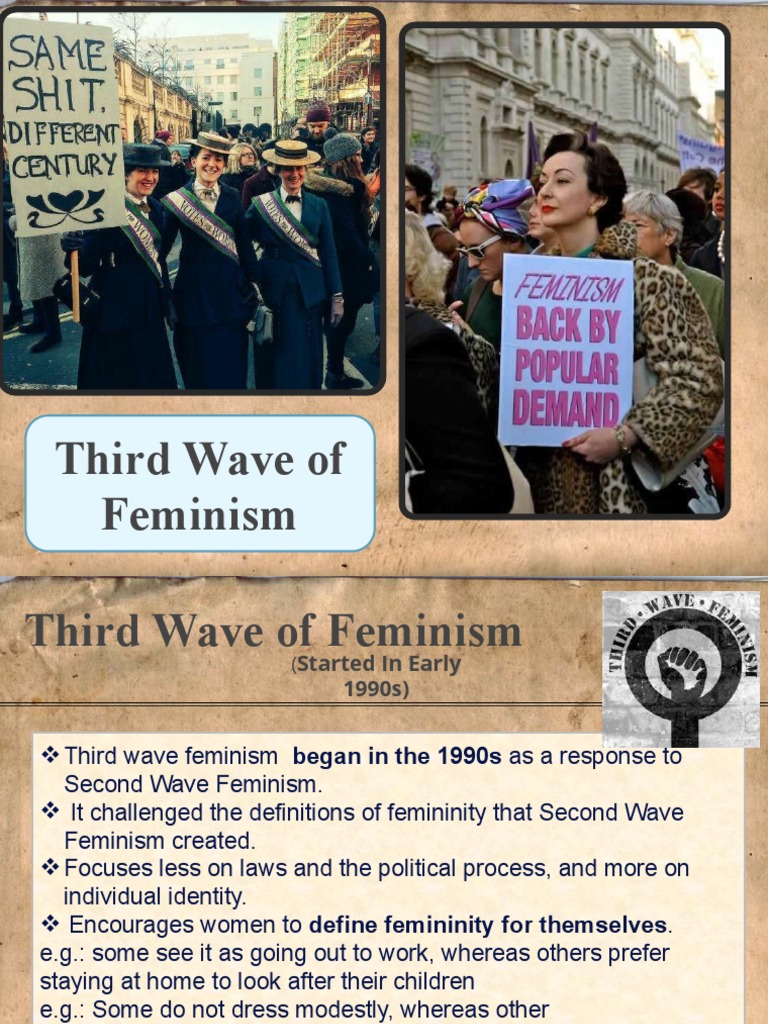
We’ve seen the waves crest before. First Wave suffragettes chained themselves to railings, demanding the basic right to exist as political beings. Second Wave feminists torched their bras and challenged the societal structures that confined them to the domestic sphere. Third Wave rebels questioned the very notion of universal womanhood, embracing intersectionality and celebrating the multiplicity of female identities. So, where does the Fourth Wave fit in? What distinguishes it from its predecessors?
The answer, quite simply, is the internet. The digital realm has become the primary battleground, the virtual agora where feminists debate, organize, and agitate. Fourth Wave feminism is characterized by its reliance on social media, blogs, and online platforms to disseminate information, mobilize supporters, and challenge patriarchal norms. It’s a feminism fueled by hashtags, memes, and viral videos, a feminism that can reach millions with a single click.
The Promises of the Digital Age: A Utopian Vision?
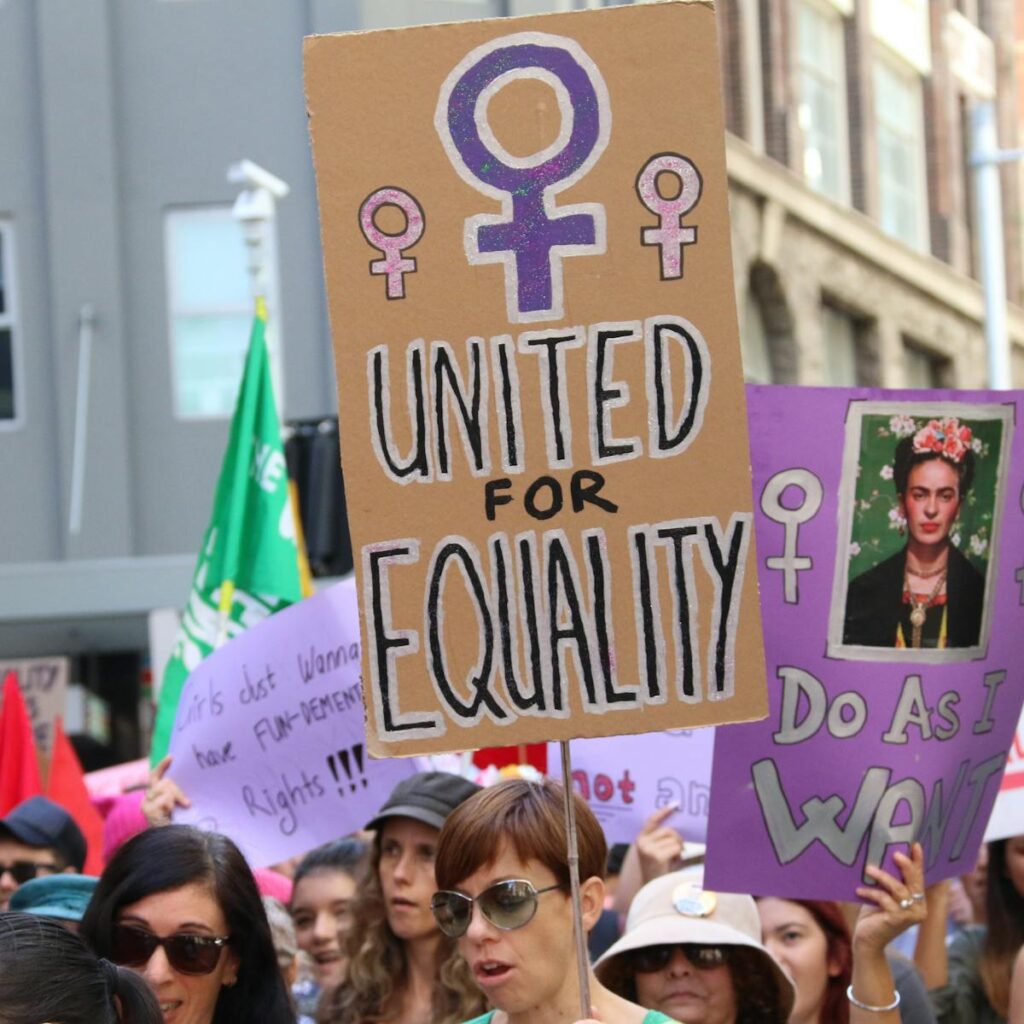
The allure of Fourth Wave feminism lies in its accessibility. No longer confined to academic circles or activist organizations, feminist discourse has exploded onto the global stage. Anyone with an internet connection can participate, share their experiences, and contribute to the conversation. This democratization of feminism has, in theory, the potential to create a more inclusive and representative movement, one that amplifies the voices of marginalized communities and challenges the hegemonic narratives that have historically dominated feminist thought.
One of the most significant promises of Fourth Wave feminism is its capacity to raise awareness about issues that were once relegated to the shadows. Online campaigns like #MeToo and #TimesUp have exposed the pervasive nature of sexual harassment and assault, forcing powerful men to face the consequences of their actions and sparking a global reckoning with the culture of impunity that has long protected them. The internet has provided a platform for survivors to share their stories, find support, and demand justice, creating a collective sense of solidarity and empowerment.
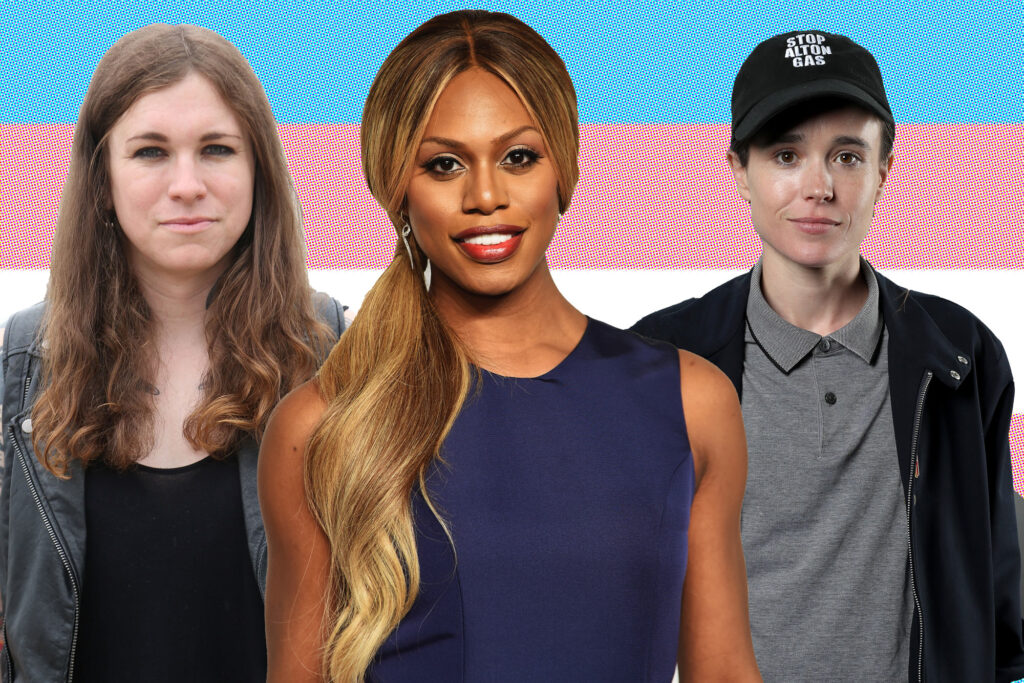
Furthermore, Fourth Wave feminism has played a crucial role in challenging traditional representations of gender and sexuality. Through online activism and advocacy, feminists have pushed for greater diversity and inclusivity in media, entertainment, and advertising. They have called out harmful stereotypes and promoted positive portrayals of women, LGBTQ+ individuals, and other marginalized groups. The goal is to dismantle the oppressive narratives that perpetuate inequality and create a more equitable and just society.
The Perils of the Digital Echo Chamber: A Dystopian Reality?
But before we get carried away with utopian visions of a digitally liberated future, it’s crucial to acknowledge the darker side of Fourth Wave feminism. The very same tools that empower and connect can also be used to silence, harass, and intimidate. The internet, with its anonymity and lack of accountability, can be a breeding ground for misogyny, racism, and other forms of discrimination. Online abuse, trolling, and doxing have become commonplace, often targeting women of color, LGBTQ+ individuals, and other vulnerable groups.
The echo chamber effect is another major concern. Social media algorithms tend to prioritize content that aligns with our existing beliefs and biases, creating filter bubbles that reinforce our perspectives and limit our exposure to alternative viewpoints. This can lead to ideological polarization and a lack of empathy for those who hold different opinions. In the context of feminism, this can manifest as infighting and divisions within the movement, hindering its ability to achieve its goals.
The performative nature of online activism is also a cause for concern. Engaging in feminist discourse on social media can be a form of virtue signaling, a way to demonstrate one’s commitment to social justice without actually taking meaningful action. The line between genuine activism and superficial performance can become blurred, leading to a sense of complacency and hindering real progress.
Moreover, the constant exposure to negativity and outrage can take a toll on mental health. The relentless barrage of news about injustice and oppression can lead to feelings of anxiety, depression, and burnout. It’s crucial for feminists to prioritize self-care and find healthy ways to cope with the emotional demands of online activism. Engaging in offline activities, such as spending time with loved ones, pursuing hobbies, and connecting with nature, can help to restore balance and prevent emotional exhaustion.
Navigating the Labyrinth: A Call for Critical Engagement
So, what’s the verdict? Is Fourth Wave feminism a force for good or a harbinger of doom? The answer, as always, is complicated. The digital realm is a double-edged sword, offering both unprecedented opportunities and unforeseen challenges. To harness the power of Fourth Wave feminism and mitigate its risks, we must engage in critical self-reflection and cultivate a more nuanced understanding of its complexities.
This requires a willingness to challenge our own biases and assumptions, to listen to diverse perspectives, and to engage in constructive dialogue with those who disagree with us. It also requires a commitment to combating online harassment and abuse, to creating safer and more inclusive online spaces, and to holding social media platforms accountable for their role in perpetuating inequality.
Furthermore, it’s crucial to remember that online activism is not a substitute for real-world action. While raising awareness and mobilizing support online can be valuable, it’s not enough to create lasting change. We must also engage in offline organizing, advocacy, and direct action to address the root causes of inequality and build a more just and equitable society. This might involve lobbying policymakers, supporting feminist organizations, volunteering in our communities, or simply having conversations with our friends and family about feminist issues.
The future of Fourth Wave feminism depends on our ability to navigate the labyrinthine corridors of the digital age with wisdom, courage, and compassion. We must be mindful of the potential pitfalls of online activism and strive to create a movement that is both effective and sustainable. This requires a commitment to critical self-reflection, constructive dialogue, and real-world action. Only then can we harness the power of Fourth Wave feminism to create a truly revolutionary force for change.
Let’s not be lulled into a false sense of accomplishment by the number of likes or retweets. Let’s not mistake online outrage for genuine progress. The real work lies in dismantling the systems of oppression that perpetuate inequality, in challenging the power structures that maintain the status quo, and in building a world where all individuals can thrive, regardless of their gender, race, sexuality, or any other social category. That, my friends, is the true promise of feminism, and it’s a promise worth fighting for, both online and off.







Leave a Comment