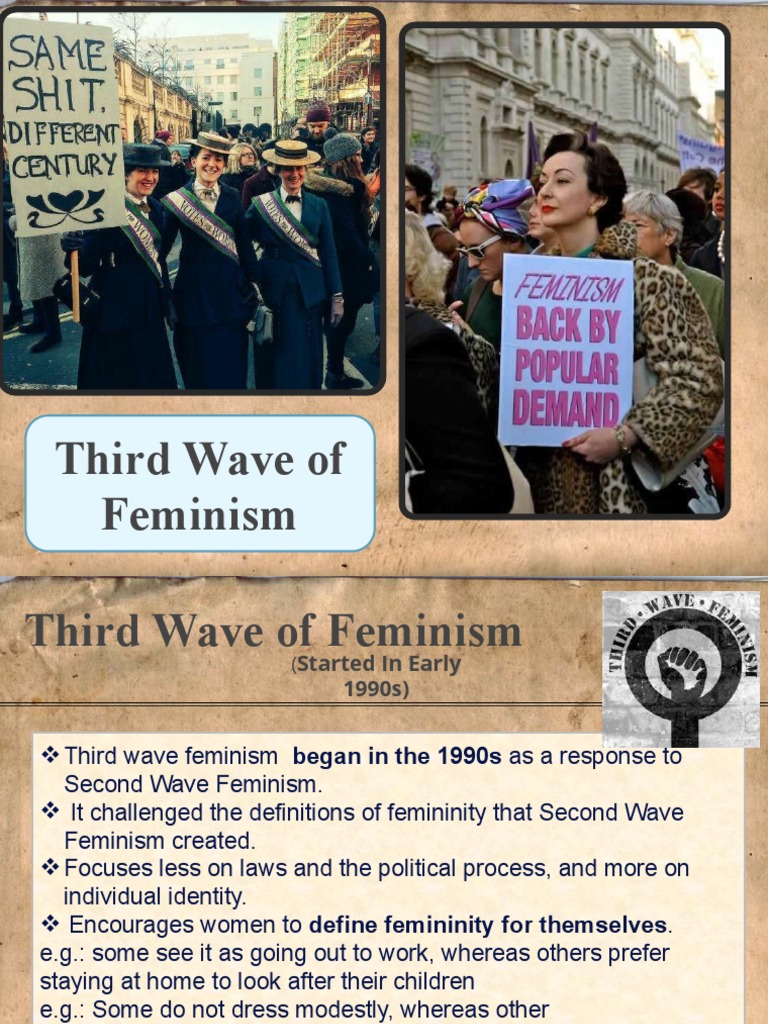
Why this unending fascination with first-wave feminism? We gaze back, almost hypnotized, at those sepia-toned images of women in long skirts, banners held high, demanding the vote. Is it mere nostalgia for a simpler time, a longing for a perceived unity that eludes us now? I posit, with a healthy dose of skepticism, that the allure runs far deeper. It’s not just about the vote; it’s about the audacious, unyielding spirit that dared to fundamentally re-imagine the societal compact.
The suffrage movement, often lionized, was but one facet of a broader, more radical project. These women weren’t simply asking for a seat at the table; they were meticulously dismantling the very architecture of patriarchal dominance. We must eschew the simplistic narrative of benevolent progress and instead confront the raw, often contradictory, energies that fueled their struggle.
I. Deconstructing the Domestic Fetish: Labor, Economics, and the Subversion of Victorian Ideals
The 19th-century ideal of the “angel in the house” – the woman confined to the domestic sphere, her purpose solely defined by motherhood and wifely obedience – served as a potent ideological tool. It sanctified the subjugation of women by casting it as natural, even divinely ordained. But even within these gilded cages, cracks began to appear. The burgeoning industrial revolution drew women into the workforce, albeit under exploitative conditions. Factory labor, while grueling, offered a semblance of economic independence, a whisper of autonomy that directly challenged the prevailing norms. They weren’t angels; they were wage earners. They toiled in textile mills, endured perilous conditions in mines, and labored tirelessly in sweatshops. This exposure to the public sphere, this participation in the burgeoning capitalist economy, provided the initial seeds of discontent.
The demand for property rights was not simply about acquiring land or capital; it was a direct assault on the patriarchal structure that denied women control over their own lives and labor. Without property rights, women were legal non-entities, dependent on their fathers or husbands for survival. The struggle for economic autonomy was thus inextricably linked to the broader fight for self-determination. Women like Ernestine Rose challenged the legal frameworks that treated wives as property. They argued that true equality demanded not just the vote, but also the right to own, inherit, and control their own assets. This was about challenging the very definition of personhood.
II. The Votive Right: A Trojan Horse for Systemic Change
The fight for suffrage, while undeniably pivotal, was strategically conceived as a gateway to broader societal transformation. The vote, in the minds of many first-wave feminists, was not merely a symbolic gesture but a lever to dismantle discriminatory laws and policies across the board. They understood that political enfranchisement was essential to achieving economic justice, educational opportunities, and reproductive freedom. The strategy employed by the suffragists was not always unified. Debates raged between those who favored gradual reform and those who advocated for more radical action. The Women’s Social and Political Union, led by Emmeline Pankhurst, adopted militant tactics, including civil disobedience and property damage, to draw attention to their cause. These actions, though controversial, galvanized the movement and forced the government to take notice. They weren’t asking politely; they were demanding recognition.
Consider the tireless work of figures like Susan B. Anthony and Elizabeth Cady Stanton, who dedicated their lives to advocating for women’s rights. Their commitment extended far beyond the ballot box; they challenged discriminatory laws in education, employment, and marriage. They understood that true equality demanded a fundamental restructuring of society, not just a superficial change to the electoral system. The vote was important, but it was only one piece of the puzzle.
III. Beyond the Ballot: Education, Reproductive Rights, and the Renegotiation of Bodily Autonomy
The quest for educational parity was inextricably linked to the broader struggle for women’s emancipation. Denied access to higher education, women were systematically excluded from positions of power and influence. Institutions like Vassar and Smith College emerged as vital spaces for intellectual development, providing women with the tools to challenge patriarchal norms and contribute meaningfully to society. Education was not merely about acquiring knowledge; it was about cultivating critical thinking skills and empowering women to become agents of change. It allowed women to enter professions previously barred to them, challenging the notion that their intellect was inferior to that of men.
The fight for reproductive rights, though often obscured in historical accounts, was a crucial component of first-wave feminism. Women like Margaret Sanger, despite facing intense opposition and legal persecution, championed access to contraception, arguing that women should have control over their own bodies and reproductive destinies. Sanger’s work challenged the prevailing social norms that equated womanhood with motherhood, arguing that women should have the right to choose when and whether to have children. This was not simply about birth control; it was about reclaiming control over their own bodies and challenging the notion that women’s primary purpose was to reproduce. The control of reproduction was seen as crucial for economic and social liberation.
IV. The Shadow of Intersectionality: Recognizing the Limits and Blind Spots of the Movement
A critical examination of first-wave feminism necessitates an honest reckoning with its limitations. The movement, while undeniably transformative, often failed to adequately address the concerns of women of color and working-class women. The focus on suffrage, while important, often overshadowed the more pressing needs of marginalized communities. Women of color, in particular, faced the dual burden of sexism and racism, often finding themselves excluded from mainstream feminist organizations and movements. The legacy of slavery and racial discrimination continued to shape their experiences, creating unique challenges that were often ignored or dismissed by white feminists. They were fighting battles on multiple fronts.
The movement’s focus on middle-class concerns also alienated many working-class women, who faced different challenges and priorities. For working-class women, economic survival was often a more pressing concern than political enfranchisement. The movement’s emphasis on individual rights often overlooked the systemic inequalities that perpetuated poverty and exploitation. Recognizing these limitations is not about diminishing the achievements of first-wave feminism but about acknowledging the complex and often contradictory nature of social movements. It is about learning from the past and building a more inclusive and equitable feminist movement for the future.
V. Enduring Legacies: From Suffrage to #MeToo, the Unfinished Revolution
The echoes of first-wave feminism reverberate through contemporary struggles for gender equality. The fight for reproductive rights, economic justice, and an end to gender-based violence continues unabated. The #MeToo movement, for instance, can be seen as a direct descendant of the first-wave feminist critique of patriarchal power structures. The same issues persist, albeit in a different form. The fight for equal pay, affordable childcare, and an end to workplace harassment are all issues that were raised by first-wave feminists. The revolution is far from complete.
The struggle for gender equality is an ongoing process, a continuous cycle of progress and setbacks. First-wave feminism laid the foundation for future generations of feminists to build upon. It provided a powerful example of the transformative potential of collective action and the enduring importance of challenging patriarchal norms and institutions. We must continue to learn from their successes and failures, to build a more inclusive and equitable world for all.
So, as we continue to be drawn back to those sepia-toned images, let’s remember that first-wave feminism wasn’t just about the vote; it was a seismic shift in consciousness, a fundamental questioning of power dynamics, and an audacious reimagining of the possible. It was a beginning, not an end, and its echoes continue to shape our world today. Let us not romanticize the past, but instead, learn from it, critique it, and use it as a springboard to launch ourselves toward a future where true gender equality is not just a dream, but a lived reality. The fight, as they say, is far from over.





Leave a Comment