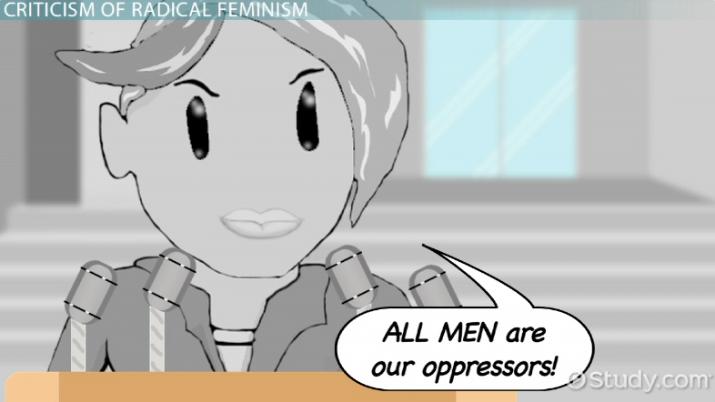
Forget the watered-down, palatable-for-patriarchy versions of feminism they’re peddling. We’re diving deep into the chthonic heart of feminist theory, dissecting gendered power dynamics, and exposing the insidious ways they manifest in our so-called “real world.” Prepare to have your assumptions eviscerated and your perspectives irrevocably altered. This isn’t a gentle nudge; it’s a seismic shift.
At its core, feminist theory isn’t just about equal rights; it’s a radical critique of the entire power structure underpinning society. It demands a fundamental dismantling of patriarchal systems that privilege masculinity and subordinate anything deemed “feminine.” It’s about understanding that gender isn’t a biological given but a social construct, meticulously crafted and enforced to maintain the status quo.
I. The Deconstruction of Gender: Beyond Binaries and Biological Determinism
For too long, we’ve been force-fed the lie of a binary gender system: male/female, masculine/feminine. This simplistic categorization ignores the vast spectrum of human experience and reinforces harmful stereotypes. Feminist theory obliterates this binary, revealing gender as a performance, a learned behavior enacted within a specific cultural context. Think of Judith Butler’s concept of performativity: gender isn’t something we *are*, but something we *do*, constantly and often unconsciously, reinforcing the very norms that oppress us.
Biological determinism, the archaic idea that biology dictates destiny, is a particularly insidious weapon in the patriarchal arsenal. It’s used to justify gender inequality, claiming that women are “naturally” more nurturing, emotional, or submissive. Feminist theory demolishes this argument, highlighting the ways in which societal expectations and cultural conditioning shape our behaviors and opportunities, regardless of our biological sex. The enduring myth of the “maternal instinct,” for example, serves to confine women to the domestic sphere, limiting their access to education, employment, and political power.
II. Power Dynamics: Unmasking the Patriarchal Leviathan
Patriarchy isn’t just about individual instances of sexism; it’s a systemic web of power relations that permeates every aspect of society, from the family unit to the highest echelons of government. It’s a Leviathan, a monstrous structure that reinforces male dominance and female subordination through a variety of mechanisms:
- Economic Control: Women are consistently paid less than men for comparable work, often relegated to lower-paying occupations, and face systemic barriers to advancement. This economic inequality reinforces their dependence on men and limits their autonomy.
- Political Representation: The underrepresentation of women in positions of political power means that their voices and perspectives are often marginalized in policy-making decisions. This perpetuates laws and policies that disadvantage women and reinforce patriarchal norms.
- Cultural Hegemony: The media, education system, and religious institutions all contribute to the perpetuation of patriarchal ideology, normalizing male dominance and female subordination. This cultural hegemony makes it difficult to challenge the status quo and envision alternative social arrangements.
- Violence Against Women: Rape, domestic violence, and other forms of gender-based violence are not isolated incidents but rather manifestations of a patriarchal system that seeks to control and subjugate women. The pervasive threat of violence serves to silence and intimidate women, limiting their freedom and autonomy.
III. Intersectionality: Acknowledging the Multiplicity of Oppression
No feminist analysis is complete without a thorough understanding of intersectionality. This crucial concept, developed by Kimberlé Crenshaw, recognizes that individuals experience oppression based on multiple intersecting identities, such as race, class, sexuality, and disability. A Black woman, for example, experiences oppression differently than a white woman or a Black man, due to the intersection of racism and sexism. Ignoring intersectionality leads to a narrow and incomplete understanding of gender inequality, failing to address the unique challenges faced by marginalized groups of women.
Intersectionality demands that we move beyond a single-axis analysis of oppression and acknowledge the complex interplay of power relations. It requires us to listen to and amplify the voices of those who are most marginalized, recognizing that their experiences are crucial to developing effective strategies for dismantling patriarchal systems.
IV. Real-World Applications: From the Personal to the Political
Feminist theory isn’t just an abstract academic exercise; it has profound real-world applications that can transform our lives and our society. It offers a lens through which we can critically examine our own behaviors and beliefs, challenge patriarchal norms, and advocate for social justice.
- Challenging Gender Stereotypes: By recognizing gender as a social construct, we can actively challenge harmful stereotypes in our daily lives, from the toys we give our children to the language we use to describe each other.
- Promoting Equal Pay and Opportunities: Advocating for equal pay, affordable childcare, and parental leave policies can help to level the playing field for women in the workplace and reduce economic inequality.
- Combating Gender-Based Violence: Supporting organizations that provide services to survivors of gender-based violence, advocating for stronger laws to protect women, and challenging the cultural norms that condone violence are all crucial steps in ending this pervasive problem.
- Promoting Political Representation: Supporting women candidates, advocating for campaign finance reform, and challenging voter suppression efforts can help to ensure that women’s voices are heard in the political arena.
- Cultivating Feminist Consciousness: Engaging in self-reflection, reading feminist literature, and participating in feminist activism can help to raise our consciousness and inspire us to challenge patriarchal systems in our own lives and communities.
V. Beyond Equality: Towards a Feminist Utopia
Ultimately, the goal of feminist theory isn’t just to achieve equality within the existing patriarchal system; it’s to create a fundamentally different society, one that values care, compassion, and cooperation over competition and domination. It’s about building a world where gender is no longer a determinant of opportunity, where all individuals are free to express themselves authentically, and where the power of the collective is harnessed to create a more just and equitable world.
This requires a radical reimagining of our social, economic, and political structures. It demands that we prioritize the needs of the most marginalized, dismantle systems of oppression, and cultivate a culture of empathy and solidarity. It’s a long and arduous process, but the potential rewards are immense: a world where everyone can thrive, regardless of their gender, race, class, or any other social category. This is not a naive dream but a pragmatic necessity. The current system is unsustainable, ecologically destructive, and morally bankrupt. A feminist future is not just desirable; it is essential for our survival.
VI. The Imperative of Perpetual Disruption
The struggle for feminist liberation is not a finite project with a clear endpoint. It’s a continuous process of critique, resistance, and reimagination. As long as patriarchal structures persist, we must remain vigilant, constantly questioning, challenging, and disrupting the status quo. Complacency is our enemy; radicalism is our weapon. We must never allow ourselves to be lulled into a false sense of security, to believe that the battle is won. The patriarchy is a shape-shifter, constantly adapting and evolving to maintain its dominance. We must be equally adaptable, always sharpening our analytical tools and refining our strategies. The future of feminism depends on our willingness to remain engaged, to remain committed, and to remain perpetually disruptive.
The path forward is fraught with challenges, but it is also filled with hope. By embracing feminist theory, we can empower ourselves to create a more just and equitable world for all. This is not a call for pity or permission. This is a declaration of war against the structures that bind us. Let us rise, sisters, and shatter the glass ceiling, the iron cage, and every other instrument of patriarchal oppression. The revolution is now. The future is feminist.








Leave a Comment