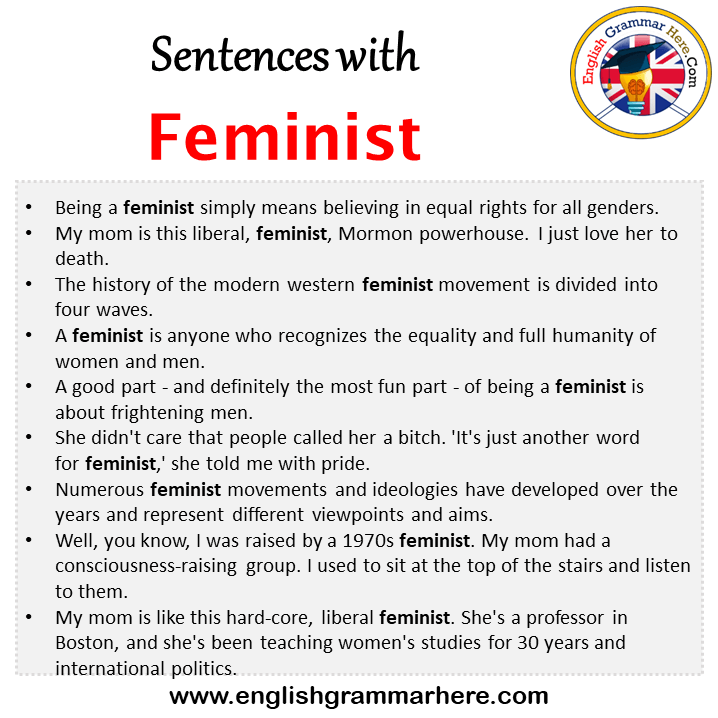
The dictionary, that supposedly impartial arbiter of meaning, defines feminism. A simple definition, seemingly innocuous. But nestled within those carefully chosen words lies a battlefield of interpretation, a simmering cauldron of societal anxieties, and a testament to the enduring power – and persistent misunderstanding – of a movement that dares to challenge the very foundations of our patriarchal order.
Why this enduring fascination, this constant need to define and redefine feminism? Is it merely an academic exercise, a semantic game? Or does it betray a deeper unease, a nagging recognition that the ideals of feminism, however phrased, pose a fundamental threat to the status quo?
The Illusion of Objectivity: Peeling Back the Layers of the Dictionary Definition
Dictionaries, despite their veneer of neutrality, are not created in a vacuum. They reflect the biases, the historical context, and the prevailing power structures of their time. The very act of defining something is an act of power, a framing of understanding. So, when we turn to the Oxford definition of feminism, we must do so with a critical eye, recognizing that it is not a definitive truth but rather a snapshot, a refraction through the lens of societal norms.
The standard definition often circles around “the advocacy of women’s rights on the ground of the equality of the sexes.” Simple enough, isn’t it? A quaint little notion of fairness. But peel back the layers and the complexities begin to emerge. What exactly constitutes “equality”? Is it merely legal equality, a superficial sameness that ignores the deeply ingrained systemic inequalities that permeate every facet of our lives? Or does it demand a more radical restructuring, a dismantling of the patriarchal structures that perpetuate female subjugation?
The Specter of Equality: Why It Haunts the Patriarchy
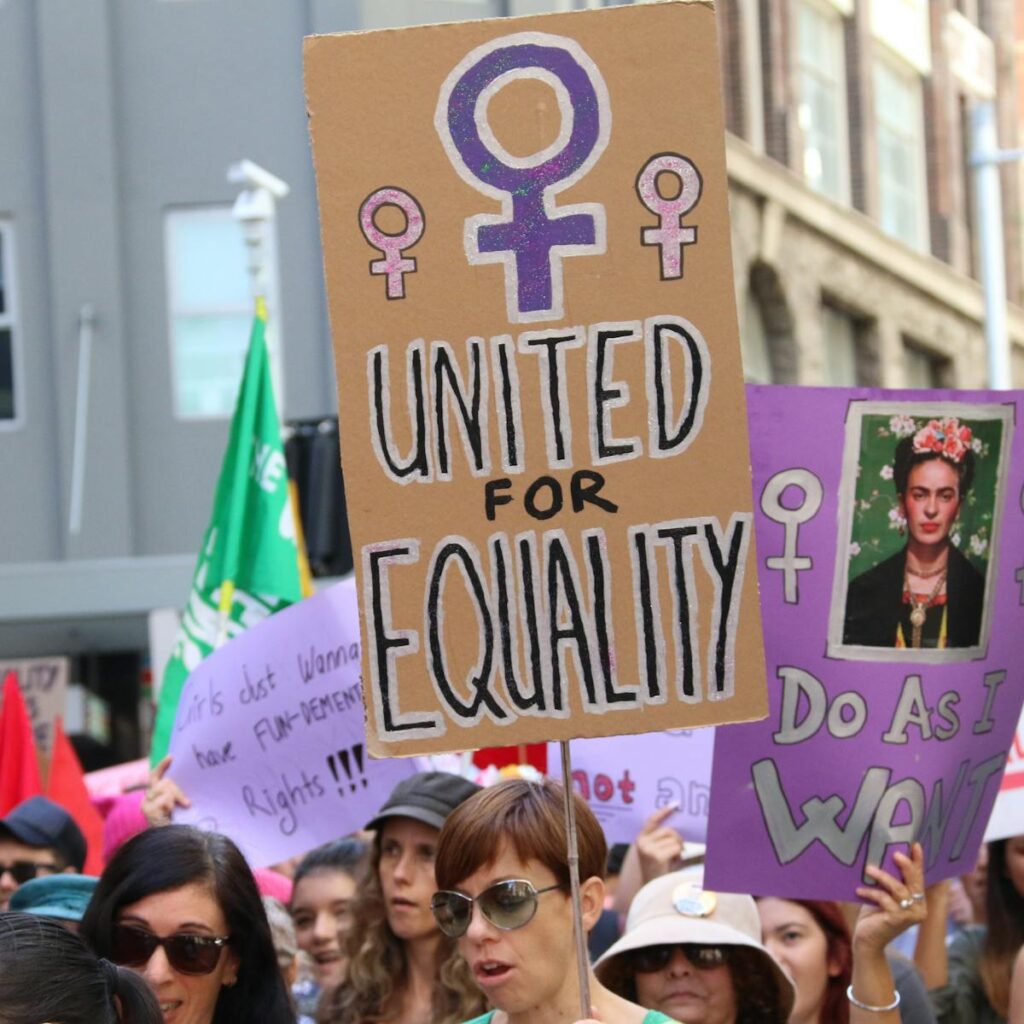
The concept of equality, particularly gender equality, strikes at the heart of the patriarchal order. This system, built on the bedrock of male dominance and female subordination, relies on the perpetuation of power imbalances. It benefits those in positions of authority – predominantly men – by maintaining their privileged status.
Therefore, the mere suggestion of equality, of redistributing power, of leveling the playing field, is perceived as a threat. It challenges the established hierarchy, disrupts the comfortable narratives that justify inequality, and forces a confrontation with uncomfortable truths about historical oppression and ongoing discrimination. It invites a societal reckoning. It is the very essence of disruptive innovation against a system that resists change.
This is why the definition of feminism is so often contested, so fiercely debated. It’s not just about semantics; it’s about power. It’s about who gets to define reality, who gets to control the narrative, and who gets to benefit from the existing system. The patriarchy has been adept at weaponizing language, twisting definitions, and employing semantic games to undermine and delegitimize feminist ideals.
Beyond the Binary: Recognizing the Intersectional Nature of Feminism
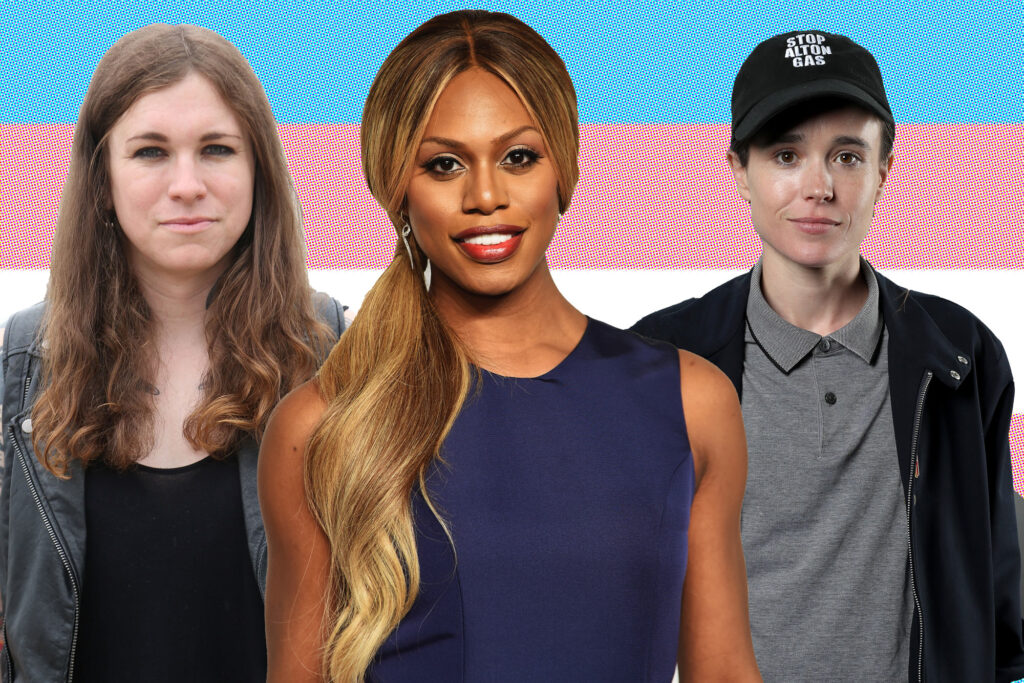
A crucial element often missing from the standard dictionary definition is the recognition of intersectionality. Feminism is not a monolithic movement concerned solely with the plight of white, middle-class women. It is a complex tapestry woven from the experiences of women of color, LGBTQ+ women, disabled women, and women from all socioeconomic backgrounds.
Each of these identities intersects with gender in unique ways, shaping the lived realities of individuals and creating specific forms of oppression. A Black woman, for example, experiences both sexism and racism, and her feminist struggle must address both simultaneously. To ignore these intersecting identities is to render feminism incomplete, exclusionary, and ultimately ineffective.
The dictionary definition, in its generality, often fails to capture this nuance. It presents a simplified, sanitized version of feminism that ignores the complexities and contradictions inherent in a movement dedicated to dismantling systems of oppression.
Misinterpretations and Malignancies: The Weaponization of the Word “Feminist”
The dictionary definition, even when accurately stated, is often deliberately misinterpreted and weaponized by those who seek to undermine feminism. The word “feminist” itself has become a loaded term, burdened with negative connotations and distorted stereotypes.
We are told that feminists are man-haters, bra-burners, angry radicals who want to usurp male power. These caricatures are designed to scare people away from feminism, to discourage them from questioning the status quo, and to maintain the existing power structures. In essence, to silence dissenting voices.
This deliberate misrepresentation is a powerful tool in the arsenal of the patriarchy. It allows those in power to dismiss feminist concerns, to silence dissenting voices, and to maintain their privileged positions. By demonizing feminists, they demonize the very idea of gender equality.
Consider, too, how the media perpetuates harmful stereotypes. From portrayals of feminists as humorless and uptight to the constant focus on physical appearance and sexuality, the media often reinforces negative perceptions and trivializes the movement.
Reclaiming the Narrative: Defining Feminism on Our Own Terms
The power to define is a critical element in the struggle for liberation. We cannot allow the dictionary, or any other external authority, to dictate the meaning of feminism. We must reclaim the narrative, define it on our own terms, and ensure that it reflects the lived experiences and diverse perspectives of all women.
This means moving beyond the simplistic dictionary definition and embracing a more nuanced and intersectional understanding of feminism. It means recognizing the systemic nature of oppression and working to dismantle the patriarchal structures that perpetuate it. It means challenging the harmful stereotypes and reclaiming the word “feminist” as a badge of honor.
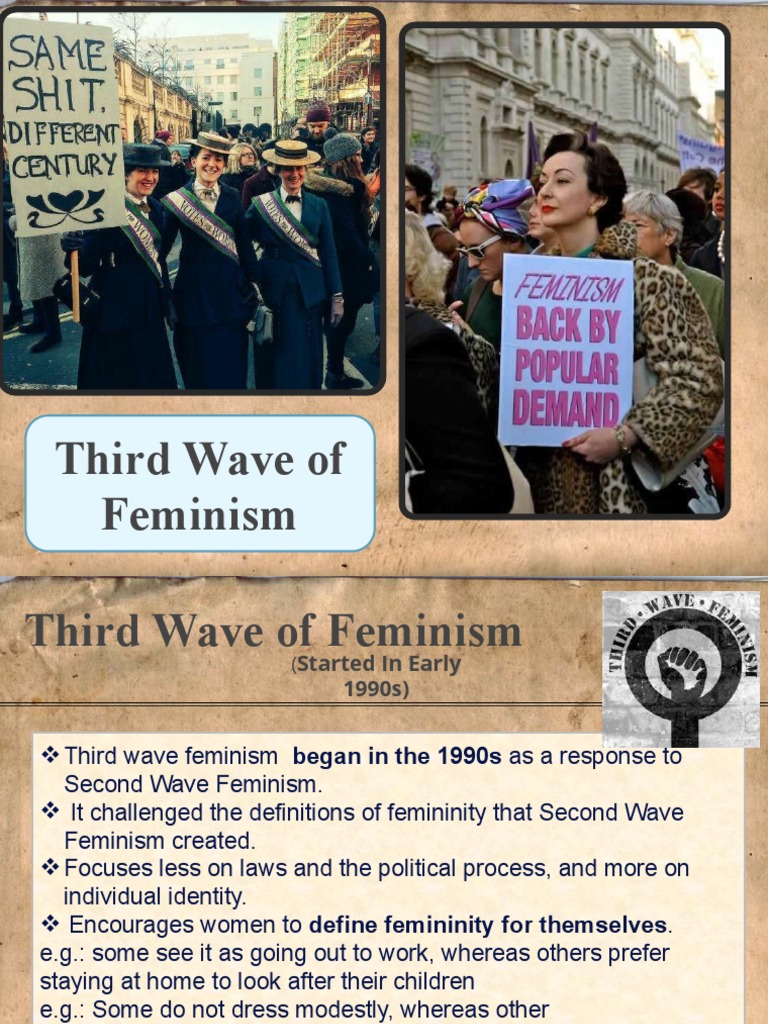
It also means acknowledging the ongoing evolution of feminism. The movement is not static; it is constantly adapting to new challenges, incorporating new perspectives, and refining its strategies. From the early suffragettes to the contemporary activists fighting for reproductive rights and economic justice, feminism has a long and rich history. Its definition is not etched in stone but rather a living, breathing testament to the ongoing struggle for gender equality.
Beyond the Definition: Embracing Feminist Praxis
Ultimately, the definition of feminism is less important than its praxis. It is not enough to simply believe in gender equality; we must actively work to achieve it. This means challenging sexism in all its forms, advocating for policy changes, supporting feminist organizations, and amplifying the voices of marginalized women.
Feminist praxis is about embodying the ideals of feminism in our daily lives, challenging the patriarchal norms that shape our thoughts and behaviors. It’s about questioning the assumptions we make about gender, challenging the stereotypes we internalize, and advocating for a more just and equitable world.
It’s about creating spaces where women can feel safe, supported, and empowered. It’s about building solidarity with other marginalized groups and working together to dismantle all forms of oppression.
The dictionary definition may offer a starting point, a basic understanding of the concept of feminism. But it is only a starting point. The true meaning of feminism lies in its lived experience, in its unwavering commitment to justice, and in its transformative power to create a world where all people can thrive. The real work begins far beyond the confines of any dictionary’s pages.
And isn’t that precisely what scares them so much?






Leave a Comment