
So, you’re thinking about cracking open “Feminism Is for Everybody” by bell hooks, huh? Good. About damn time. But before you dive headfirst into that intellectual crucible, let’s get one thing straight: this ain’t your grandma’s tea party feminism. This is a call to arms, a deconstruction of the patriarchy, and a roadmap to a more equitable future. But knowing what’s coming will arm you, so listen up.
Think of this as your pre-flight briefing. No, this isn’t some fluffy introduction. I’m about to arm you with the critical insights you need to truly engage with hooks’ seminal work. Forget the watered-down, palatable feminism you see plastered on Instagram. We’re going deep.
I. Decoding the Core Tenets: Beyond the Sound Bites
First off, prepare to have your preconceived notions dismantled. Hooks isn’t playing nice. She’s not interested in appeasing the status quo. She’s interested in dismantling it. So, what are the key concepts you’re about to encounter? Buckle up.
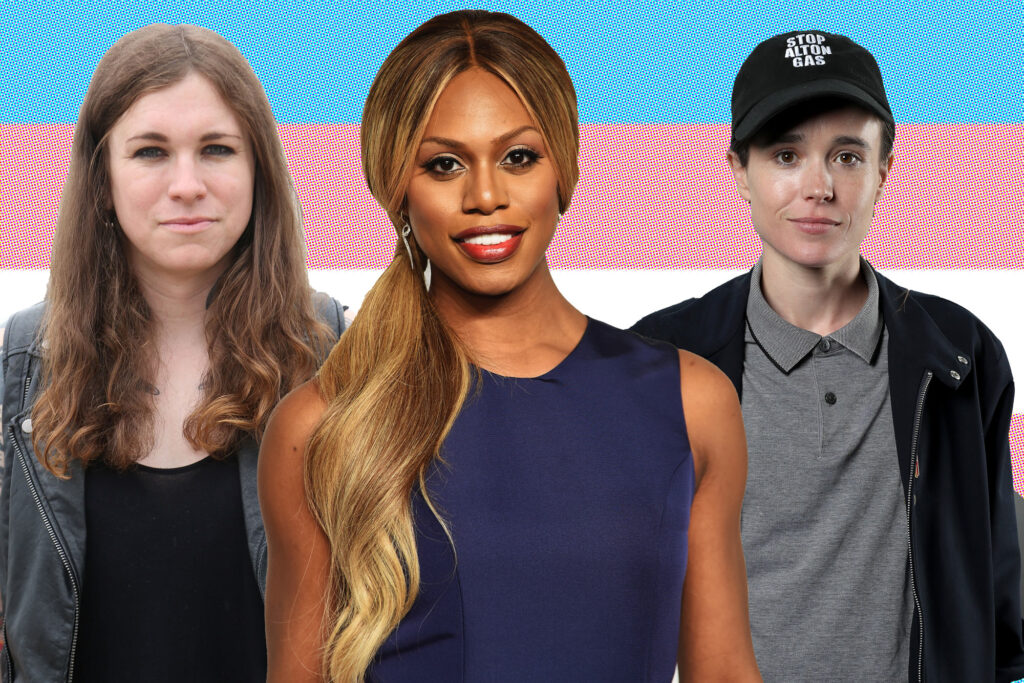
A. Intersectionality: Where Oppressions Collide. This isn’t just a buzzword. It’s the bedrock of inclusive feminism. Hooks meticulously illustrates how gender oppression is inextricably linked to other forms of marginalization – race, class, sexual orientation, ability, the whole shebang. A white, cisgender, middle-class woman experiences sexism differently than a Black, transgender, working-class woman. Pretending otherwise is not only intellectually dishonest; it’s actively harmful.
Think of it like this: society is a damn Rubik’s Cube of interlocking oppressions. You can’t solve one face without impacting the others. Ignoring intersectionality is like trying to solve that cube with a sledgehammer.
B. Patriarchy: The Opressor We Love to Ignore. It’s not just about men hating women. It’s a systemic power structure that privileges masculinity and subordinates femininity. It seeps into every facet of our lives – our laws, our institutions, our relationships, our very thoughts. Hooks challenges the notion that patriarchy is solely perpetuated by men. Women, too, can internalize and reinforce patriarchal norms, often unconsciously. This internalised misogyny, a deeply ingrained bias against oneself and other women, is a powerful tool of the patriarchy.
Are you starting to see how deeply ingrained these structures are? Good. Because acknowledging the problem is the first step toward dismantling it.
C. Sisterhood: More Than Just a Hashtag. The idea of “sisterhood” is often romanticized, but hooks doesn’t shy away from the complexities and contradictions inherent in feminist solidarity. She challenges the notion of a universal female experience, acknowledging the very real divisions that exist among women. True sisterhood, according to hooks, requires acknowledging and addressing these differences, building bridges of understanding and solidarity across lines of race, class, and other forms of social stratification.
It’s not about pretending we’re all the same. It’s about recognizing our shared humanity and working together to dismantle the systems that oppress us all.
II. Content Archetypes: Navigating the Ideological Labyrinth
Now that we’ve covered the core tenets, let’s talk about the types of content you’re likely to encounter in “Feminism Is for Everybody.” Knowing what to expect will help you navigate the book’s complex arguments and avoid getting bogged down in ideological quagmires.
A. Critique of Mainstream Feminism: Exposing the Flaws. Hooks doesn’t pull any punches when it comes to critiquing mainstream feminist movements. She argues that many of these movements have been co-opted by privileged women, focusing on issues that primarily benefit themselves while ignoring the needs of marginalized women. Prepare for a takedown of liberal feminism, which, according to Hooks, often prioritizes individual advancement over collective liberation. Forget the “lean in” rhetoric. Hooks is all about dismantling the damn table.
B. Personal Anecdotes: Weaving Theory with lived experience. Hooks doesn’t just rely on abstract theorizing. She weaves personal anecdotes throughout her work, illustrating how feminist principles play out in real life. These anecdotes provide a powerful and relatable counterpoint to academic jargon. But don’t mistake these stories for mere sentimentality. They are carefully crafted arguments designed to challenge your assumptions and force you to confront uncomfortable truths.
C. Deconstruction of Pop Culture: Unmasking the Subtext. Hooks is a master of cultural analysis. She dissects movies, music, and other forms of pop culture to reveal the underlying patriarchal assumptions that shape our perceptions of gender, race, and class. Prepare to see your favorite movies and songs in a whole new light. This is where hooks truly shines, revealing the subtle ways in which patriarchal ideology infiltrates our everyday lives.
III. Key Themes to Anticipate: The Uncomfortable Truths
So, you’ve got the concepts, you’ve got the content archetypes. Now let’s delve into the major themes that permeate “Feminism Is for Everybody.” These are the big-picture ideas that hooks wants you to grapple with.
A. The Importance of Education: Knowledge is Power. Hooks is a firm believer in the power of education to transform individuals and societies. She argues that feminist education is essential for raising consciousness, challenging oppressive ideologies, and creating a more just and equitable world. Prepare to be bombarded with intellectual ammunition. Hooks isn’t just giving you ideas; she’s giving you the tools to dismantle the patriarchy from within.
B. Challenging Gender Roles: Breaking Free from the Binary. Hooks challenges the rigid gender roles that confine both men and women, arguing that these roles are socially constructed and ultimately harmful. She advocates for a more fluid and expansive understanding of gender, one that allows individuals to express themselves authentically, without conforming to societal expectations. Prepare to question everything you thought you knew about masculinity and femininity.
C. Love as Liberation: Beyond Romantic Clichés. Hooks reconceptualizes love as a radical force for social change. She argues that true love is not about possessiveness or control but about mutual respect, empathy, and liberation. Prepare to have your romantic notions challenged. Hooks isn’t talking about Hallmark cards and candlelight dinners. She’s talking about a revolutionary form of love that can transform relationships and communities.
IV. Potential Pitfalls: Avoiding the Ideological Traps
Look, reading “Feminism Is for Everybody” isn’t all sunshine and roses. There are potential pitfalls you need to be aware of.
A. Feeling Overwhelmed: The Weight of the World. The sheer scope of the problems that hooks identifies can be overwhelming. It’s easy to feel discouraged or powerless in the face of such systemic oppression. But don’t give up. Remember that change is a process, and every little bit helps.
B. Defensive Reactions: Confronting Your Own Biases. Hooks’ critiques of mainstream feminism and patriarchal ideology can be challenging to hear, especially if you’ve benefited from these systems. You may find yourself feeling defensive or resistant to her arguments. But try to resist the urge to shut down. Instead, use these reactions as an opportunity to examine your own biases and assumptions.
C. Oversimplification: Avoiding Reductionist Thinking. Hooks’ ideas are complex and nuanced. It’s easy to oversimplify her arguments or take them out of context. But try to avoid reductionist thinking. Engage with her ideas in a thoughtful and critical way, and be willing to grapple with the ambiguities and contradictions.
V. Engaging with the Text: A Call to Action
So, you’re ready to read “Feminism Is for Everybody.” But don’t just read it passively. Engage with it actively. Here’s how.
A. Critical Reflection: Question Everything. Don’t just accept everything hooks says at face value. Question her arguments, challenge her assumptions, and form your own informed opinions. This isn’t about blind obedience; it’s about critical engagement.
B. Discussion and Dialogue: Share Your Insights. Talk about the book with others. Share your insights, your questions, and your disagreements. Feminist dialogue is essential for building solidarity and fostering critical thinking.
C. Action and Advocacy: Put Your Knowledge to Work. Don’t just read about feminism. Live it. Use your knowledge to challenge oppression, advocate for justice, and create a more equitable world. This is where theory meets practice. This is where feminism becomes a force for change.
In conclusion, “Feminism Is for Everybody” is not just a book; it’s a roadmap for revolutionary change. It’s a call to arms, a deconstruction of the patriarchy, and a vision for a more just and equitable future. So, go forth and read. But read with your eyes wide open and your mind fully engaged. The revolution awaits.







Leave a Comment