The incessant drone. It reverberates through every crevice of our digitally saturated existence: “Feminism is about hating men.” A pronouncement so facile, so devoid of nuance, it’s a wonder it still clings to the cultural lexicon like a stubborn barnacle. But it does. And its persistence betrays a deeper, more insidious truth. This isn’t merely a misunderstanding; it’s a deliberate mischaracterization, a smokescreen erected to obscure the real, transformative power of feminist thought. We are told it is about achieving equality, but what does that really mean, and why is it so often twisted into something monstrous?
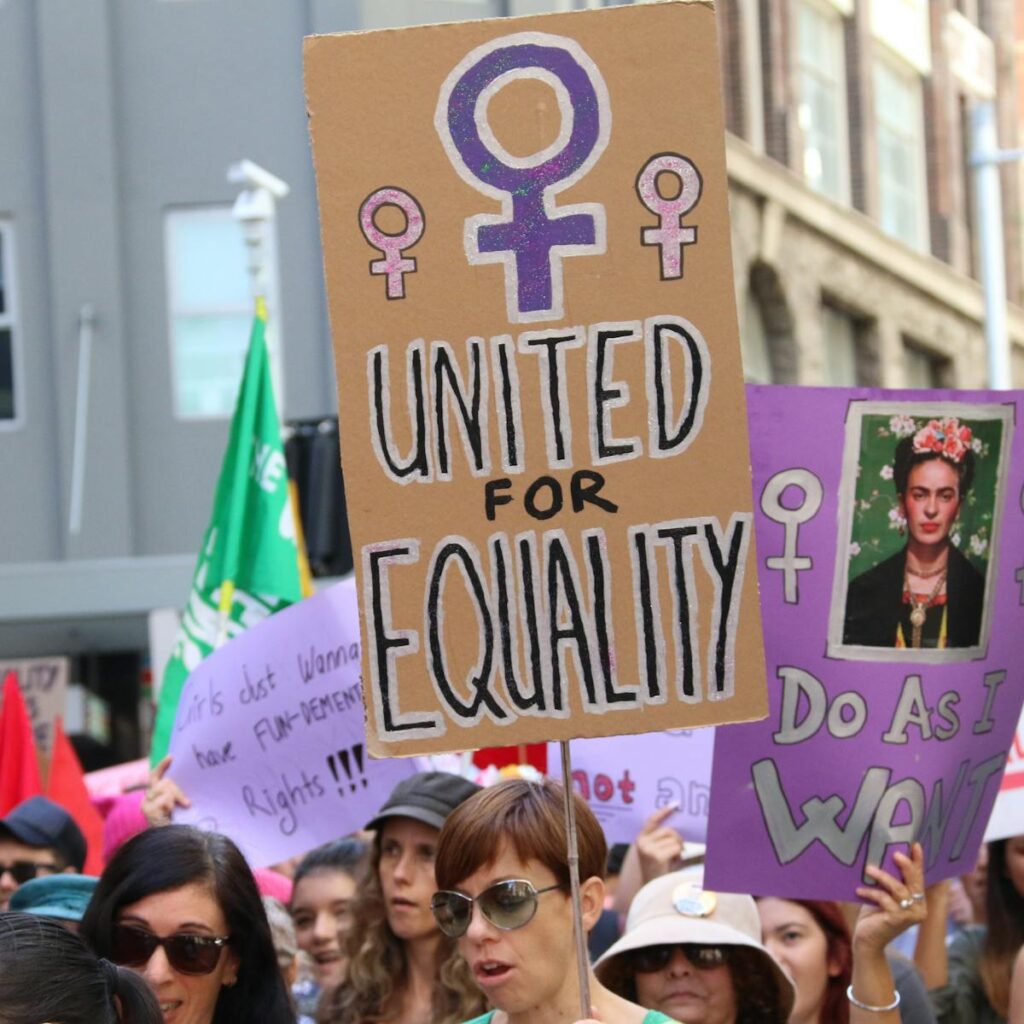
Let’s dissect this supposed quest for equality. Equality, in the feminist context, isn’t about demanding identical outcomes. It’s not about insisting that every woman must become a CEO or that every man must excel at domestic labor. Such a literal interpretation is a straw man, easily dismantled and frequently deployed by those threatened by genuine systemic change. True feminist equality, at its core, is about equal opportunity. It’s about dismantling the patriarchal structures that systematically disadvantage women and marginalized genders, preventing them from reaching their full potential. Think about it: What societal narratives subtly, or not so subtly, steer young girls away from STEM fields, while simultaneously valorizing male ambition at all costs?
The insidious nature of these narratives lies in their ubiquity. They’re embedded in our language, our media, our education systems, and even our interpersonal relationships. They are the silent architects of inequality, shaping our perceptions of what is possible, what is desirable, and what is appropriate for each gender. Feminism seeks to expose and dismantle these architectures, brick by insidious brick.
Consider the persistent wage gap. The oft-cited statistic that women earn roughly 82 cents for every dollar earned by a man doing the same job is not just a number; it’s a symptom of a deeper malaise. It reflects the historical undervaluing of women’s labor, the implicit bias that permeates hiring and promotion decisions, and the societal expectation that women should prioritize family over career. This isn’t a matter of individual choices; it’s a systemic problem requiring systemic solutions.
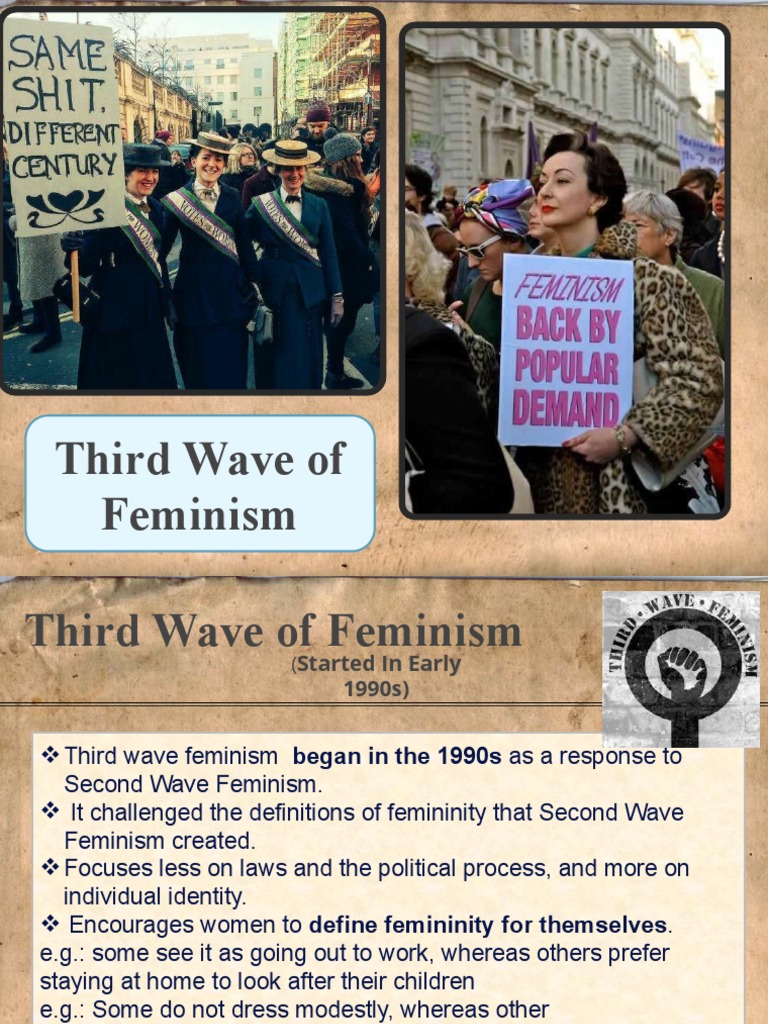
The confusion surrounding feminism often stems from a willful ignorance of its diverse perspectives. There is no singular, monolithic “feminist agenda.” Instead, feminism encompasses a spectrum of ideologies, ranging from liberal feminism, which focuses on legal and political reforms, to radical feminism, which challenges the very foundations of patriarchal society. Intersectional feminism, perhaps the most vital strand, recognizes that gender is not a standalone category but is inextricably linked to race, class, sexuality, and other forms of identity. This nuanced understanding is critical to addressing the complex and multifaceted nature of inequality.
The accusation of “man-hating” is a particularly pernicious form of misrepresentation. It’s a tactic used to silence dissenting voices and to delegitimize legitimate critiques of patriarchal power structures. While some feminists may express anger or frustration with male privilege (and rightly so!), this is not indicative of a universal animosity towards men. In fact, many men are active and essential allies in the feminist movement, recognizing that dismantling patriarchy benefits everyone. It frees men from the rigid expectations of traditional masculinity, allowing them to embrace a wider range of emotions and experiences.
Think about the suffocating pressure placed on men to be strong, stoic, and financially successful. These expectations can lead to emotional repression, mental health issues, and a limited understanding of their own humanity. Feminism offers a path towards liberation for men as well, challenging these harmful stereotypes and promoting a more equitable and compassionate society. It’s not about tearing down men; it’s about building a world where everyone can thrive, regardless of gender.
But why this persistent mischaracterization? Why the need to paint feminism as a radical, man-hating ideology? The answer, I suspect, lies in the inherent threat that feminism poses to the established order. Patriarchy, as a system of power, relies on the subjugation of women and marginalized genders. It thrives on maintaining the status quo, where men hold the majority of positions of power and influence. Feminism, by challenging this status quo, threatens to disrupt the very foundations of patriarchal society. Those who benefit from this system have a vested interest in maintaining it, and they will use any means necessary to discredit and silence those who challenge it.
The rise of social media has, unfortunately, amplified these misrepresentations. Online echo chambers and algorithms can reinforce existing biases and create a distorted view of reality. It’s easy to cherry-pick inflammatory statements from a small minority of individuals and present them as representative of the entire feminist movement. This creates a climate of fear and distrust, making it more difficult to engage in constructive dialogue about gender equality. The insidious meme culture further degrades the fundamental discussion.
Furthermore, the very concept of power is often misunderstood. Many people mistakenly believe that power is a zero-sum game, meaning that if women gain more power, men must necessarily lose power. This is a false dichotomy. Power, in its most constructive form, is not about domination but about empowerment. It’s about creating a society where everyone has the opportunity to reach their full potential and to contribute their unique talents and skills. Feminism seeks to redistribute power, not to eliminate it. It’s about creating a more equitable and just society for all.
The challenge, then, lies in reclaiming the narrative. We must actively challenge the misrepresentations and distortions of feminism, and we must articulate its core principles with clarity and conviction. We must engage in respectful dialogue with those who hold different views, and we must be willing to listen to their concerns. We must also recognize that feminism is an ongoing process, not a finished product. It’s a continuous struggle for equality, justice, and liberation, and it requires the participation of everyone, regardless of gender.
Consider the fight for reproductive rights. The ongoing attacks on abortion access are a direct assault on women’s autonomy and bodily integrity. They are rooted in the belief that women’s primary role is to bear children and that their bodies are not their own. Feminism challenges this notion, asserting that women have the right to make their own decisions about their reproductive health. This is not simply a matter of individual choice; it’s a matter of fundamental human rights.
Or consider the issue of sexual harassment and assault. The #MeToo movement brought to light the pervasive nature of these behaviors, revealing the systemic power imbalances that enable them. Feminism seeks to create a culture of consent, where sexual autonomy is respected and where perpetrators are held accountable for their actions. This requires a fundamental shift in attitudes and behaviors, and it requires a commitment to dismantling the patriarchal structures that perpetuate sexual violence.
In the end, feminism is not about hating men. It’s about loving humanity. It’s about creating a world where everyone can thrive, regardless of gender, race, class, or any other form of identity. It’s about building a society based on equality, justice, and compassion. It’s about dismantling the structures of oppression and creating a world where everyone has the opportunity to reach their full potential. It’s a long and arduous journey, but it’s a journey worth taking.
So, the next time you hear someone say that feminism is about hating men, remember this: it’s a lie. It’s a deliberate mischaracterization designed to silence dissent and to maintain the status quo. Feminism is about equality. It’s about justice. It’s about liberation. And it’s about creating a better world for all of us. Join the fight.






Leave a Comment