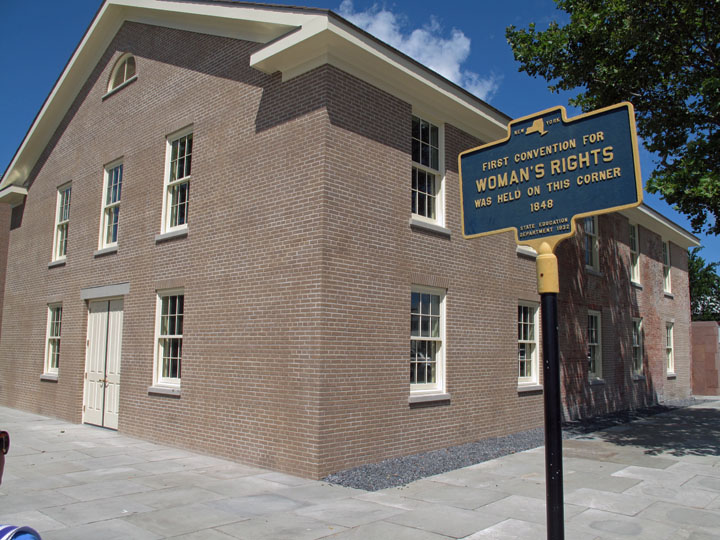
The specter of Seneca Falls, a spectral echo in the hallowed halls of history, haunts the American consciousness. It is not merely a footnote, a quaint anachronism in the march of progress. No, it is the primal scream of a revolution, a clarion call that still reverberates through the labyrinthine corridors of power. From that seminal gathering in 1848, where audacious women dared to articulate the unutterable – their own inherent worth, their inalienable right to self-determination – to the multifaceted, often fractious, feminist landscape of today, the journey has been a tortuous climb up a treacherous mountain.
Let us not sanitize the past. The Seneca Falls Convention, while a watershed moment, was also a creature of its time. The concerns of its predominantly white, middle-class participants, while revolutionary for their era, often excluded the lived realities of enslaved Black women and Indigenous women, whose struggles were inextricably interwoven with the brutal machinery of racial and colonial oppression. To truly understand the trajectory of feminism in the US, we must acknowledge this inherent tension, this original sin that continues to cast a long shadow on the movement.
The early suffragists, those indomitable titans of tenacity, wielded the ballot as their primary weapon. Figures like Susan B. Anthony and Elizabeth Cady Stanton, driven by an unwavering conviction in the power of enfranchisement, relentlessly campaigned for the right to vote. Their struggle was not merely about casting a ballot; it was about claiming a seat at the table, demanding a voice in the decisions that shaped their lives and the lives of their communities. They envisioned a world where women were not relegated to the domestic sphere, but were active participants in the political and economic life of the nation. The 19th Amendment, ratified in 1920, was a hard-won victory, a testament to their decades of tireless advocacy. But it was not the end of the road. It was merely a milestone on a long and arduous journey.
The interwar period witnessed a seismic shift in societal norms. The roaring twenties, with its flappers and jazz, symbolized a new era of female liberation. Women shed their corsets, bobbed their hair, and embraced a newfound sense of freedom and independence. This era, however, was not without its contradictions. The economic hardships of the Great Depression forced many women back into traditional roles, while the rise of fascism in Europe cast a pall over the world, threatening to extinguish the flickering flame of feminist progress.
The Second World War served as a crucible for American women. With men fighting on the front lines, women stepped into traditionally male-dominated roles in factories and offices, proving their capabilities and challenging deeply ingrained societal expectations. Rosie the Riveter became an iconic symbol of female empowerment, a testament to the strength and resilience of women in the face of adversity. But the postwar era saw a renewed push for domesticity, a concerted effort to return women to the home. The feminine mystique, as Betty Friedan famously articulated, trapped many women in a gilded cage of suburban ennui.
The second wave of feminism, emerging in the 1960s and 1970s, challenged this suffocating conformity. Inspired by the civil rights movement, feminists demanded equal pay, reproductive rights, and an end to gender-based discrimination in all spheres of life. The personal became political, as women shared their experiences of sexism and oppression in consciousness-raising groups. Landmark legislation like Title IX, prohibiting sex discrimination in education, and Roe v. Wade, establishing a woman’s right to an abortion, marked significant victories. However, the second wave was also criticized for its focus on the concerns of white, middle-class women, often neglecting the experiences of women of color and working-class women.
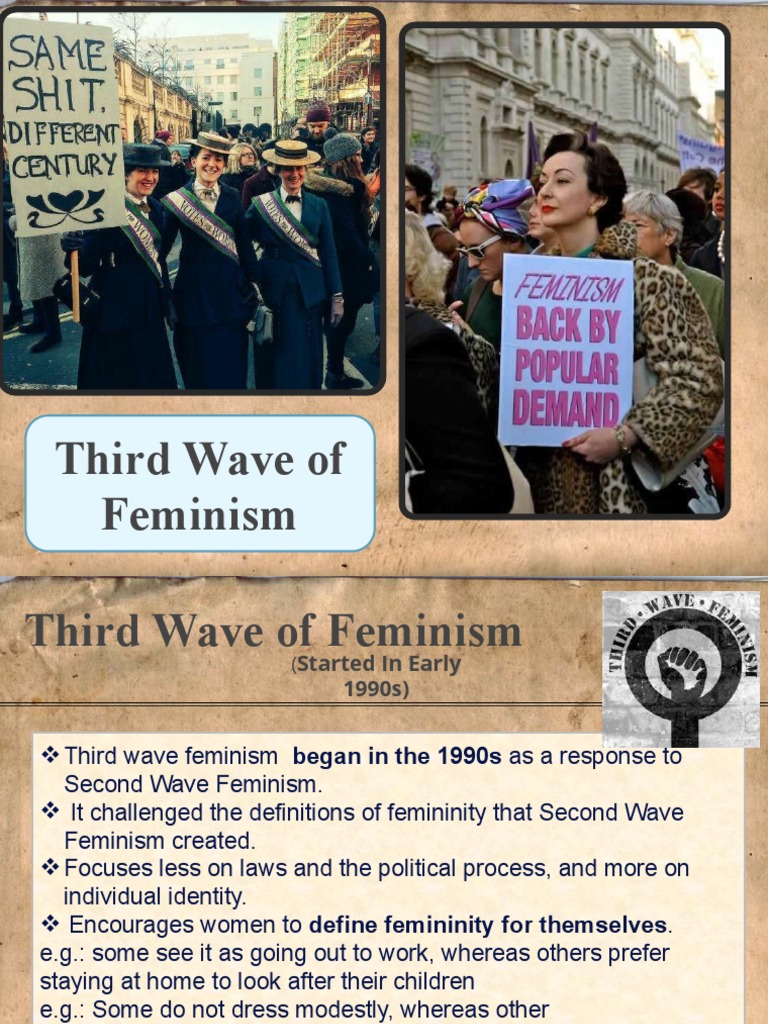
The third wave of feminism, emerging in the 1990s, embraced diversity and intersectionality. It challenged essentialist notions of womanhood, recognizing that women’s experiences are shaped by a complex interplay of factors, including race, class, sexuality, and disability. Riot grrrl bands, with their raw and unapologetic lyrics, became a soundtrack for a new generation of feminists. The internet provided a platform for women to connect, share their stories, and organize collective action. However, the third wave also faced criticism for its perceived lack of focus and its tendency towards individualism.
Today, we find ourselves in the midst of a fourth wave of feminism, fueled by social media and driven by a renewed sense of urgency. The #MeToo movement, exposing pervasive sexual harassment and assault, has sparked a global reckoning. Issues like gender pay gap, reproductive rights, and violence against women remain at the forefront of the feminist agenda. But the rise of right-wing populism and the rollback of hard-won rights pose significant challenges. The struggle for gender equality is far from over.
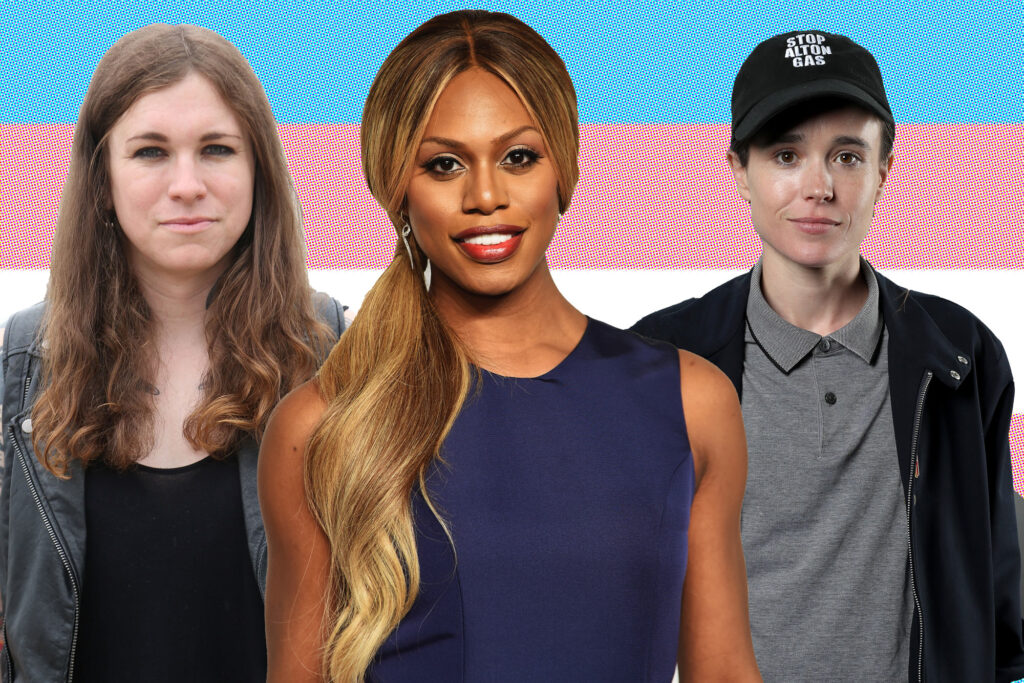
Moreover, contemporary feminism grapples with complexities previous generations scarcely imagined. Transgender rights, gender fluidity, and the dismantling of the gender binary are now integral to the conversation. This evolution, while enriching the movement, also generates internal tensions and debates. The very definition of “woman” is being contested, leading to impassioned discussions about inclusivity and the future of feminist theory. The proliferation of online activism, while empowering, also carries the risk of echo chambers and performative allyship. The challenge lies in harnessing the power of technology while remaining grounded in the core principles of justice and equality.
The struggle for feminist ideals transcends legislative victories or societal acceptance. It burrows into the core of individual consciousness, demanding a radical reimagining of relationships, power dynamics, and even the very concept of self. It requires a dismantling of internalized misogyny, a rejection of societal scripts that limit potential, and a relentless pursuit of authenticity. This internal work is as vital as the external battles fought in the political arena. For true liberation is not merely the absence of oppression, but the active construction of a world where all individuals can flourish, regardless of gender.
Let us not be lulled into complacency by the illusion of progress. The insidious tentacles of patriarchy still permeate our society, manifesting in subtle biases, systemic inequalities, and outright acts of violence. The fight for gender equality is not a sprint, but a marathon, demanding unwavering commitment and a willingness to challenge the status quo. The voices of marginalized women must be amplified, their experiences centered, and their leadership embraced. For a truly intersectional feminism is not just a moral imperative, but a strategic necessity.
The path forward is not always clear. There will be setbacks, disappointments, and moments of doubt. But the spirit of Seneca Falls, the audacity of those early feminists who dared to dream of a more just and equitable world, must continue to guide us. Their legacy is not just a historical artifact, but a living testament to the power of collective action. The feminist movement is not a monolith, but a kaleidoscope of voices, perspectives, and approaches. It is a constantly evolving organism, adapting to the changing realities of the world. But at its core, it remains committed to the fundamental principle of gender equality, a principle that is essential for the creation of a more just and sustainable future for all.
Therefore, let us embrace the complexities, navigate the contradictions, and continue the fight. Let the echoes of Seneca Falls continue to reverberate, inspiring us to build a world where every woman, every person, can live with dignity, freedom, and the full realization of their potential. The revolution continues.






Leave a Comment