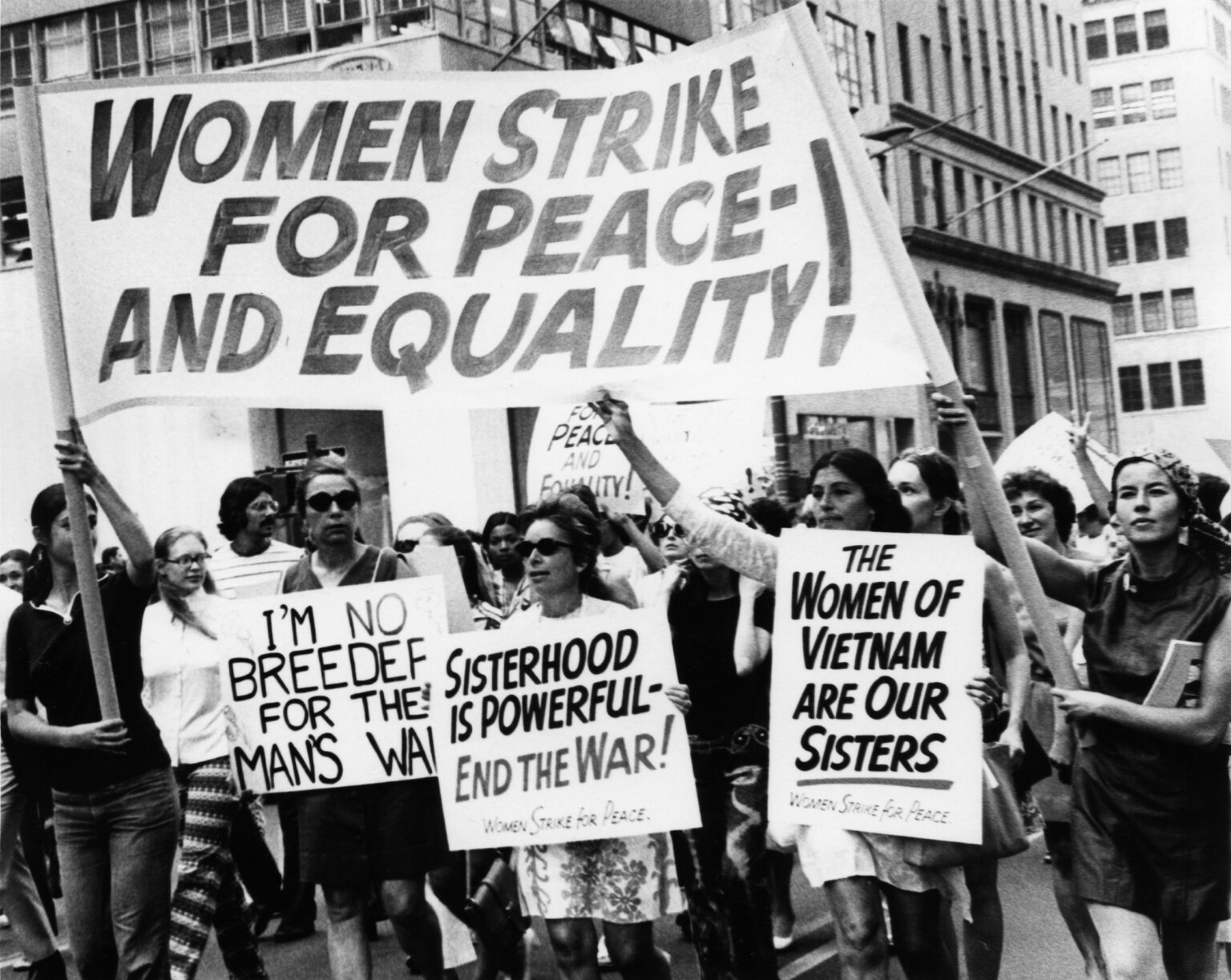
The 19th century: a crucible where societal norms were forged in the fires of burgeoning industrialization, scientific revolution, and, perhaps most significantly, the nascent rumblings of a movement that would irrevocably alter the course of human history. Feminism. Not a monolithic entity, but a diverse and often discordant chorus of voices demanding recognition, agency, and an end to the systemic oppression that had shackled women for centuries. To understand the multifaceted character of contemporary feminism, one must delve into the rich, complex, and often contradictory landscape of its 19th-century genesis. This exploration necessitates an unblinking assessment of the era’s intellectual currents, sociopolitical upheavals, and the indomitable spirit of those who dared to challenge the patriarchal edifice.
I. The Ideological Underpinnings: A Symphony of Discontent
To begin, we must acknowledge the intellectual soil from which these radical ideas sprouted. The Enlightenment, with its emphasis on reason, individual rights, and the questioning of traditional authority, provided a fertile ground for feminist thought. Philosophers like Mary Wollstonecraft, whose “A Vindication of the Rights of Woman” (1792) served as a clarion call for female education and intellectual parity, laid the groundwork for subsequent generations of feminists. This wasn’t merely about acquiring decorative accomplishments, it was about cultivating the intellect, enabling women to participate fully in civic life, and challenging the notion of inherent female inferiority. A radical concept indeed!
Furthermore, the rise of Romanticism, with its focus on emotion, intuition, and the inherent worth of the individual, contributed to a growing sense of dissatisfaction with the rigid social constraints imposed upon women. The idealized image of the “angel in the house,” the submissive, self-sacrificing wife and mother, was increasingly at odds with the lived realities of women, particularly those from the burgeoning middle class who were experiencing unprecedented levels of education and exposure to new ideas. Consider the irony: women were being lauded for their domestic virtues while simultaneously denied the opportunities to exercise their intellect and autonomy.
The abolitionist movement, too, played a pivotal role. Women like Sojourner Truth, Elizabeth Cady Stanton, and Lucretia Mott found their voices and honed their organizational skills in the fight against slavery. The parallels between the subjugation of enslaved people and the oppression of women were undeniable. How could one advocate for the freedom of one group while simultaneously denying it to another based on gender? This hypocrisy became a powerful rallying cry, galvanizing women to demand their own liberation.
II. Manifestations of Dissent: From Parlors to Platforms
The burgeoning feminist consciousness manifested in various forms, each reflecting the unique circumstances and priorities of the women involved. Literary societies, often operating under the guise of harmless intellectual pursuits, provided safe spaces for women to discuss forbidden topics, share their experiences, and develop their own political analyses. Imagine these gatherings, clandestine meetings where radical ideas were whispered and revolutionary strategies were hatched.
The proliferation of periodicals and journals, many of which were edited and written by women, offered a vital platform for disseminating feminist ideas and fostering a sense of collective identity. These publications, often struggling against censorship and societal disapproval, provided a space for women to articulate their grievances, debate strategies, and celebrate their achievements. They served as a counter-narrative to the dominant patriarchal discourse, offering alternative perspectives on issues ranging from marriage and motherhood to education and employment. This was a digital age before the internet, using print as a powerful tool.
The Seneca Falls Convention of 1848, often hailed as the birthplace of the American women’s rights movement, represented a watershed moment. The “Declaration of Sentiments,” modeled after the Declaration of Independence, boldly asserted that “all men and women are created equal” and demanded equal rights in areas such as suffrage, property ownership, and education. While the convention itself was met with ridicule and scorn by many, it marked a significant step towards organizing and articulating a coherent feminist agenda. It was a gauntlet thrown down, a challenge to the very foundations of patriarchal society.
Beyond formal organizations and conventions, women also engaged in more subtle forms of resistance. They challenged traditional gender roles in their personal lives, pursuing education, entering professions previously reserved for men, and refusing to conform to societal expectations. They questioned the prevailing norms of courtship and marriage, advocating for greater autonomy and equality within these relationships. Each act of defiance, however small, contributed to a growing sense of female empowerment. This silent rebellion was just as important as any other actions taken.
III. Fractures and Fissures: The Perils of Intersectionality Ignored
Despite the shared goal of achieving gender equality, the 19th-century feminist movement was far from unified. Deep divisions existed along lines of race, class, and political ideology. The focus on suffrage, while undeniably important, often overshadowed the concerns of working-class women and women of color, whose experiences of oppression were compounded by economic exploitation and racial discrimination. This is where the movement stumbled. The white middle-class experience was deemed normative.
The issue of race proved particularly divisive. While many white feminists actively supported the abolition of slavery, they often failed to recognize or address the unique challenges faced by Black women, who were simultaneously fighting against both sexism and racism. Some white feminists even resorted to racist rhetoric, arguing that white women were more deserving of the vote than Black men. This betrayal of solidarity continues to haunt the feminist movement to this day, underscoring the importance of intersectionality and the need to address all forms of oppression. Let us not forget the historical harms that were caused.
Class divisions also played a significant role. Middle-class feminists often focused on issues such as education and professional opportunities, while working-class women were more concerned with improving their working conditions and securing fair wages. The divergent priorities sometimes led to misunderstandings and a lack of cooperation between different groups of women. The feminist movement, like any social movement, was not immune to the inherent inequalities of the society in which it operated.
IV. The Legacy: Seeds of a Revolution
Despite its internal divisions and shortcomings, the 19th-century feminist movement laid the groundwork for the profound social and political changes that would occur in the 20th century and beyond. The tireless efforts of countless women, who dared to challenge the status quo and demand their rightful place in society, paved the way for future generations of feminists to continue the fight for equality. The echoes of their voices resonate even now.
The expansion of educational opportunities for women, the gradual opening of professions previously closed to them, and the eventual achievement of suffrage were all direct results of the 19th-century feminist movement. These victories, however, were not achieved overnight. They were the product of decades of struggle, sacrifice, and unwavering determination.
Moreover, the 19th-century feminist movement left an indelible mark on the intellectual landscape, challenging traditional notions of gender, sexuality, and the role of women in society. The ideas and arguments developed by these early feminists continue to inform contemporary feminist theory and activism, providing a valuable framework for understanding and addressing the complex challenges that women face today. The intellectual ammunition provided is invaluable to present-day activists.
In conclusion, the 19th-century feminist movement was a complex and multifaceted phenomenon, marked by both triumphs and failures. While it was not without its internal divisions and blind spots, it represented a crucial turning point in the history of women’s rights. By examining its origins, manifestations, and legacy, we can gain a deeper appreciation for the ongoing struggle for gender equality and the enduring power of feminist ideals. This history, both inspiring and cautionary, serves as a vital guide for navigating the challenges and opportunities that lie ahead in the ongoing quest for a more just and equitable world. The fight is far from over, and the lessons of the past must inform our strategies for the future. Let’s not forget what those who came before us suffered.










Leave a Comment