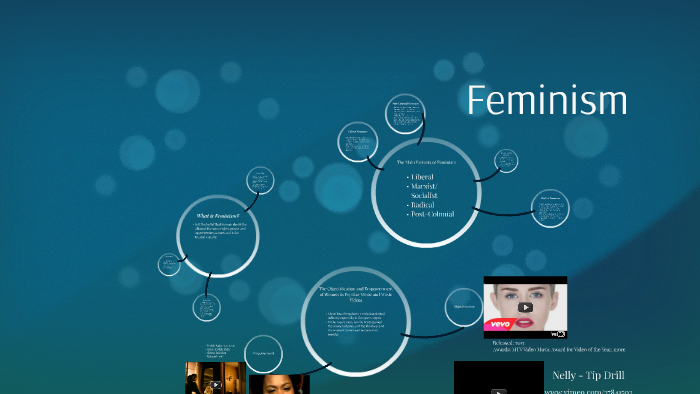
So, you think you know feminism in popular culture? Think again. We’re not talking about pink pussy hats and shallow girl-power anthems. We’re diving into the murk, the mess, the uncomfortable truths lurking beneath the surface of our supposedly progressive media landscape. We’re interrogating the very fabric of what we consume, demanding a reckoning with the narratives that shape our perceptions of gender, power, and liberation.
Forget the saccharine smiles and sanitized storylines. We are dissecting the commodification of dissent, the performative wokeness that masquerades as genuine change, and the insidious ways patriarchy continues to permeate even the most seemingly feminist spaces. Prepare for a re-evaluation, a recalibration, a ruthless excavation of the cultural artifacts we hold dear. This isn’t a celebration; it’s an autopsy.
The Gaze: Objectification’s Enduring Legacy
Laura Mulvey’s concept of the male gaze, a theoretical cornerstone, continues to haunt our screens. It’s not just about scantily clad women – though, let’s be honest, those are still depressingly prevalent. It’s about the power dynamic, the inherent objectification baked into the way female characters are presented, their narratives framed through a male perspective. Consider the ubiquitous “strong female character,” often nothing more than a male fantasy, devoid of depth, agency, or internal complexity. Are we truly challenging the patriarchy when we simply create female avatars that fulfill male desires?
The problem lies deeper than mere representation. It’s about the very structure of storytelling, the unspoken assumptions that dictate whose stories are told, how they are told, and whose perspectives are valued. We must dismantle the gaze, not just invert it, but create entirely new ways of seeing, of representing, of understanding the multifaceted experiences of womanhood.
From Bechdel Test to Beyond: Measuring Meaningful Representation
The Bechdel Test, a rudimentary but useful metric, asks whether a work of fiction features at least two women who talk to each other about something other than a man. Passing this test, however, is not a guarantee of feminist enlightenment. It’s a starting point, a bare minimum. We need to move beyond this simple litmus test and demand narratives that explore the complexities of female relationships, that grapple with the nuances of female ambition, desire, and internal conflict. Where are the stories that dare to depict women as flawed, messy, and unapologetically human, without reducing them to tired tropes or predictable caricatures?
Furthermore, intersectionality demands that we examine representation through a lens that acknowledges the interlocking systems of oppression. How are women of color, queer women, disabled women, and other marginalized groups represented? Are their stories being told authentically, or are they being reduced to stereotypes and tokenistic gestures? True representation requires a commitment to amplifying diverse voices and experiences, not just ticking boxes on a diversity checklist.
#Feminism: The Double-Edged Sword of Social Media Activism
Social media has undeniably democratized feminist discourse. Platforms like Twitter and TikTok have provided spaces for marginalized voices to be heard, for grassroots movements to organize, and for crucial conversations to take place. However, this digital landscape is also fraught with peril. The commodification of feminism, the rise of “influencer feminism,” and the performative activism that often prioritizes optics over genuine change are all symptoms of the internet’s inherent contradictions. A fleeting Instagram post can hardly dismantle systemic oppression.
Consider the phenomenon of “girlboss” feminism, which celebrates female entrepreneurship and individual success within a capitalist framework. While female empowerment is laudable, this brand of feminism often fails to address the systemic inequalities that prevent many women from achieving economic success in the first place. It can even perpetuate harmful narratives about meritocracy and individual responsibility, ignoring the role of structural barriers in shaping individual outcomes. Moreover, the relentless pursuit of online validation can lead to a superficial and ultimately hollow form of activism, where the focus shifts from collective liberation to personal branding.
The Male Ally: A Necessary Evil?
The concept of the male ally is a complex and often fraught one. While male allyship can be a powerful force for change, it can also be easily co-opted for self-serving purposes. The “woke” male who loudly proclaims his feminist credentials while subtly undermining women’s voices in the workplace is a familiar figure. The key is to distinguish between performative allyship and genuine solidarity. True allies listen more than they speak, amplify marginalized voices, and actively challenge patriarchal structures in their own lives. They understand that allyship is not about receiving praise or recognition, but about using their privilege to create a more equitable world.
However, we must also be wary of centering male voices in feminist discourse. The focus should always remain on the experiences and perspectives of women and other marginalized genders. Male allies should be careful not to dominate the conversation or to take credit for the work of others. Their role is to support, not to lead. The most valuable contribution a male ally can make is to dismantle toxic masculinity within their own communities and to challenge the patriarchal norms that perpetuate gender inequality.
Beyond Representation: Reimagining Narrative Structures
Ultimately, dismantling patriarchy in popular culture requires more than just improving representation. It requires a fundamental reimagining of narrative structures, a willingness to challenge the traditional power dynamics that shape our stories. We need to create narratives that center female agency, that explore the complexities of female relationships, and that challenge the dominant patriarchal narratives that have long dominated our screens.
Think about the romantic comedy, a genre often criticized for its formulaic storylines and heteronormative assumptions. What would a truly feminist rom-com look like? It wouldn’t just feature strong female characters; it would challenge the very notion of romantic love as a solution to all of life’s problems. It would explore the complexities of female friendship, the importance of self-love, and the possibility of finding fulfillment outside of traditional romantic relationships. It would dare to ask: what if the real love story is the one we have with ourselves?
And what about the action genre, traditionally dominated by male protagonists? What if we created action narratives that explored female rage, that depicted women fighting for justice, not just for themselves, but for their communities? We need to move beyond the trope of the “strong female character” who is simply a female version of a male action hero. We need to create characters who are complex, flawed, and driven by a deep sense of purpose, characters who are willing to risk everything to fight for what they believe in.
The Future of Feminist Media: A Call to Action
The future of feminism in popular culture depends on our willingness to demand more. We need to be critical consumers, actively challenging the narratives that perpetuate harmful stereotypes and celebrating the stories that uplift and empower. We need to support independent filmmakers, writers, and artists who are creating feminist content, and we need to amplify the voices of marginalized creators who are often excluded from mainstream media.
This isn’t just about entertainment; it’s about shaping the cultural landscape, about creating a world where all genders are valued, respected, and empowered. It’s about dismantling the patriarchal structures that have long dominated our society and building a more just and equitable future for all. This isn’t a passive endeavor; it’s a revolution, one frame at a time.
So, ask yourself: what role will you play in this revolution? Will you continue to passively consume the narratives that are fed to you, or will you actively challenge the status quo and demand a more feminist future? The choice, as they say, is yours. But remember, the revolution will not be televised – unless we make it so. And even then, we must be vigilant, constantly questioning, constantly challenging, constantly striving for a more nuanced and equitable representation of the human experience.






Leave a Comment