
Photography, ostensibly a mirror reflecting reality, has historically been more of a funhouse mirror, distorted by the patriarchal gaze. But the lens is shifting. A cadre of audacious image-makers, armed with cameras and a fiery feminist vision, are subverting conventions and offering a potent counter-narrative. Their work is not merely aesthetic; it’s an act of defiant reclamation, an intentional deconstruction of the male-dominated visual landscape. This isn’t just about pretty pictures; it’s a visual insurgency.
We’re not talking about docile depictions of demure damsels. We’re talking about images that claw at the underbelly of societal norms, that expose the raw nerve of inequality. We’re talking about photography that actively seeks to dismantle the oppressive structures that have long defined womanhood within its frame.
What awaits you, intrepid reader, is a journey through the lens of feminist photography. Prepare to encounter not just images, but arguments, visual manifestos crafted to ignite critical thought and spark change. From the overt political statement to the subtle subversion of everyday scenes, these photographers are wielding their cameras as weapons against the status quo.
I. Reclaiming the Female Gaze: A Subversion of Scopophilia
For centuries, art, including photography, has been largely defined by the male gaze – a way of depicting women from a masculine, heterosexual perspective that often objectifies and sexualizes them. Feminist photography actively confronts this ingrained “scopophilia,” the pleasure in looking, and instead, constructs a female gaze. This is not merely about having women behind the camera; it’s about fundamentally altering the power dynamic inherent in the act of looking. The female gaze presents women as subjects, not objects, of their own narratives. They are agents of their own stories, not passive recipients of male attention. They are seen through lenses of empathy, understanding, and shared experience.
Expect to see portraits that prioritize the inner lives of their subjects over their physical appearance. These are images that celebrate the complexities of womanhood, rejecting the simplistic, often reductive portrayals that have dominated the photographic record. These photographers are interested in capturing resilience, strength, vulnerability, and intelligence – the multifaceted reality of women’s experiences. Think less cheesecake, more cerebral cortex.
II. Deconstructing Beauty Standards: Embracing the Unretouched
The photographic industry has long been complicit in perpetuating unrealistic and unattainable beauty standards. Feminist photographers are actively dismantling these standards by embracing the unretouched, the imperfect, and the real. They are showcasing bodies of all shapes, sizes, and ethnicities, celebrating the diversity of the female form. These are images that challenge the insidious notion that women must conform to a narrow, culturally constructed ideal of beauty to be considered worthy or valuable.
Prepare to witness a radical acceptance of cellulite, stretch marks, wrinkles, and other so-called “imperfections.” This is not an endorsement of slovenliness, but a powerful statement against the tyranny of airbrushing and the relentless pressure to achieve an impossible standard of physical perfection. These photographers understand that true beauty lies not in flawless skin, but in the strength, character, and resilience that are etched onto our bodies and faces over time. They are capturing the beauty of lived experience, the authenticity of being human.
Expect to encounter work that challenges the very notion of “flaw.” These photographers explore the culturally contingent nature of beauty, exposing how societal biases shape our perceptions of what is considered attractive. They reclaim the right to define beauty on their own terms, celebrating the diversity and uniqueness of each individual woman.
III. Exposing Gendered Violence: Giving Voice to the Silenced
Photography can be a powerful tool for exposing the often-hidden realities of gendered violence. Feminist photographers are using their cameras to document the devastating impact of domestic abuse, sexual assault, and other forms of violence against women. Their work serves as a visual testament to the prevalence of these crimes and a call for greater awareness and accountability.
Be forewarned: these images can be deeply disturbing. They may depict the physical and emotional scars of violence, the isolation and fear experienced by survivors, and the systemic failures that allow these crimes to persist. However, these images are not intended to be gratuitous or exploitative. They are created with the utmost sensitivity and respect for the survivors, and they serve to amplify their voices and demand justice.
Expect to see work that challenges the victim-blaming narratives that often surround gendered violence. These photographers are not interested in assigning blame or judging survivors. They are focused on exposing the root causes of violence, holding perpetrators accountable, and creating a culture of support and understanding for those who have been affected.
IV. Challenging Traditional Roles: Reframing Domesticity and Labor
Feminist photography also tackles the ingrained societal expectations that confine women to specific roles, particularly within the domestic sphere. By visually disrupting traditional representations of women in the home and workplace, these photographers challenge the patriarchal notion that a woman’s primary value lies in her ability to perform domestic duties or conform to specific labor roles.
Expect to see images that subvert the romanticized depiction of domesticity. They may depict the drudgery and isolation of housework, the unequal division of labor within households, or the challenges faced by working mothers. These images are not intended to denigrate domestic work, but to highlight its often-unacknowledged value and to challenge the societal expectations that place an undue burden on women.
You might encounter depictions of women in traditionally male-dominated fields, challenging gender stereotypes and celebrating female achievement. These images are not just about showcasing women in these roles; they are about dismantling the systemic barriers that prevent women from pursuing their passions and reaching their full potential.
V. Celebrating Female Solidarity: The Power of Sisterhood
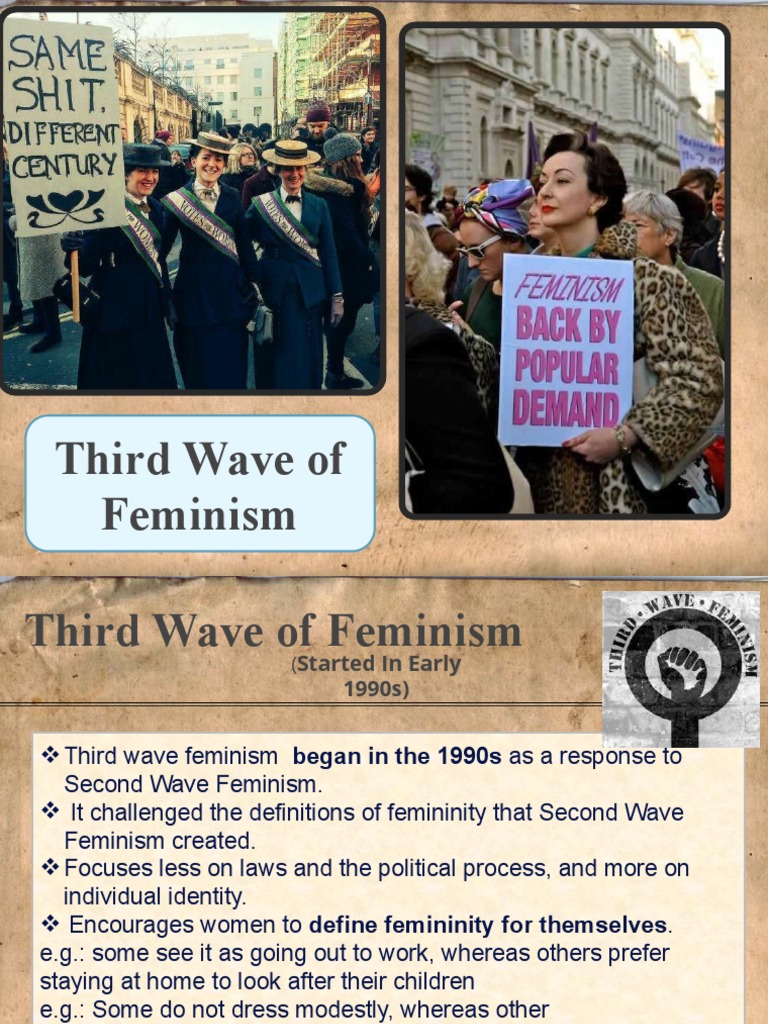
A core tenet of feminism is the importance of female solidarity. Feminist photography often celebrates the bonds of sisterhood, depicting women supporting and empowering each other. These images serve as a visual reminder of the strength and resilience that can be found in collective action and mutual support.
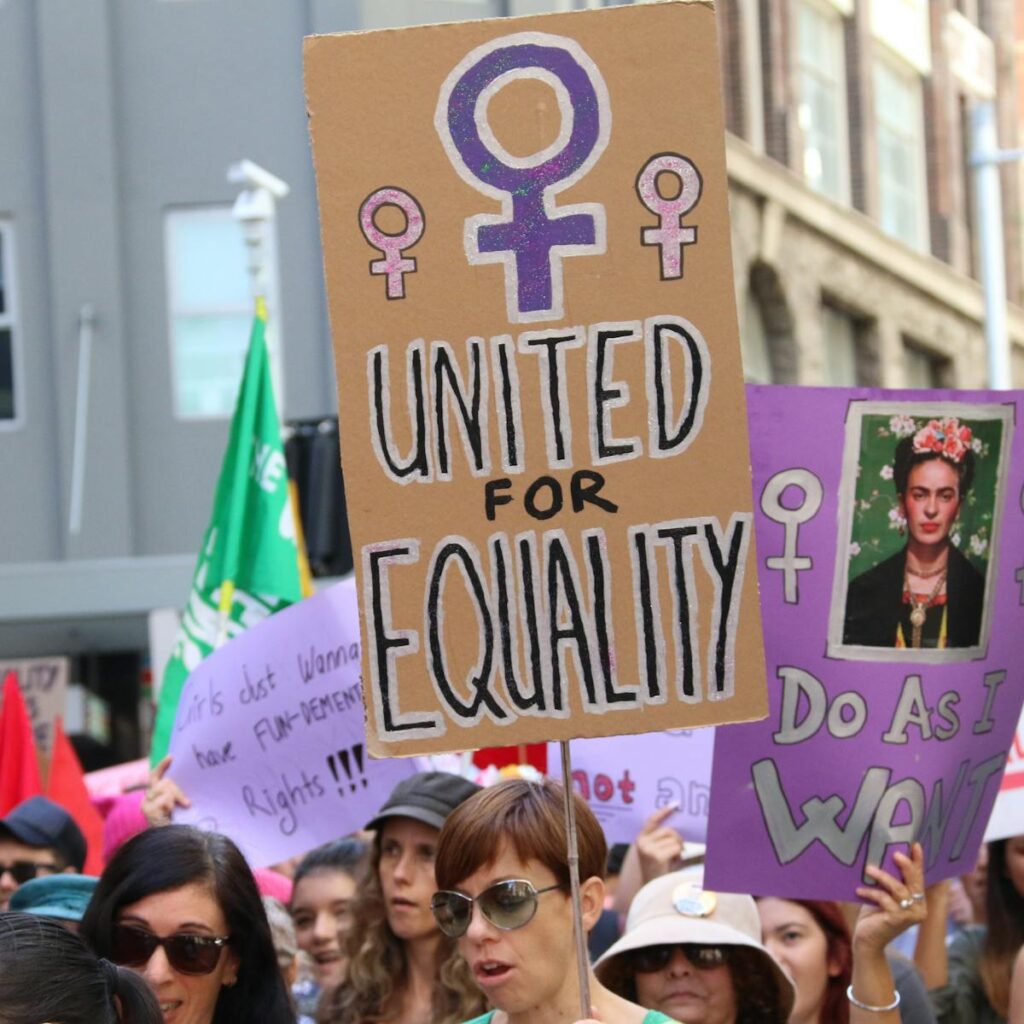
Prepare to see images of women marching in protests, organizing community events, and providing emotional support to one another. These are not just snapshots of activism; they are powerful statements about the importance of collective action in achieving social change. They capture the spirit of resistance and the hope for a more equitable future.
Expect to encounter images that celebrate the diversity of female friendships and relationships. These photographs depict women of different ages, races, and backgrounds coming together to share their experiences, offer support, and build lasting bonds. They highlight the importance of creating spaces where women can be seen, heard, and valued for who they are.
VI. The Evolution of Feminist Photography: Embracing Intersectionality
Feminist photography is not a static concept. It is constantly evolving and adapting to address the complexities of intersectionality – the understanding that different forms of oppression, such as sexism, racism, classism, and homophobia, are interconnected and cannot be understood in isolation.
Expect to see a growing focus on the experiences of women of color, LGBTQ+ women, disabled women, and other marginalized groups. These photographers are challenging the dominant narratives that often center on the experiences of white, middle-class, heterosexual women, and they are creating space for a more inclusive and representative vision of feminism.
This includes challenging photographic conventions to ensure diverse representation behind the camera itself. Whose stories are told, and who is telling them, matters profoundly.
VII. The Digital Age and the Democratization of the Image: Feminist Photography in the 21st Century
The rise of digital photography and social media has democratized the medium, allowing more women to create and share their images with the world. This has led to an explosion of feminist photography, with new voices and perspectives emerging from all corners of the globe.
Expect to find a vibrant online community of feminist photographers, sharing their work, offering support, and engaging in critical dialogue. This online space has become a powerful platform for challenging the status quo and amplifying marginalized voices.
The digital age has also made it easier for feminist photographers to reach a wider audience and to bypass the traditional gatekeepers of the art world. This has allowed them to create their own platforms and to control the narrative around their work.
VIII. Looking Ahead: The Future of Feminist Photography
The future of feminist photography is bright. As more women pick up cameras and challenge the patriarchal gaze, we can expect to see even more powerful and transformative images that inspire change and empower women around the world. The struggle for equality continues, and photography will remain a vital weapon in the arsenal of the feminist movement.
Expect to see a continued focus on intersectionality, a deeper exploration of the complexities of gender identity, and a greater emphasis on using photography as a tool for social justice. The lens will continue to shift, revealing new perspectives and challenging the status quo. The visual revolution is just beginning.







Leave a Comment